
The Passing of Zhu Rongji: A Turning Point in Chinese Politics
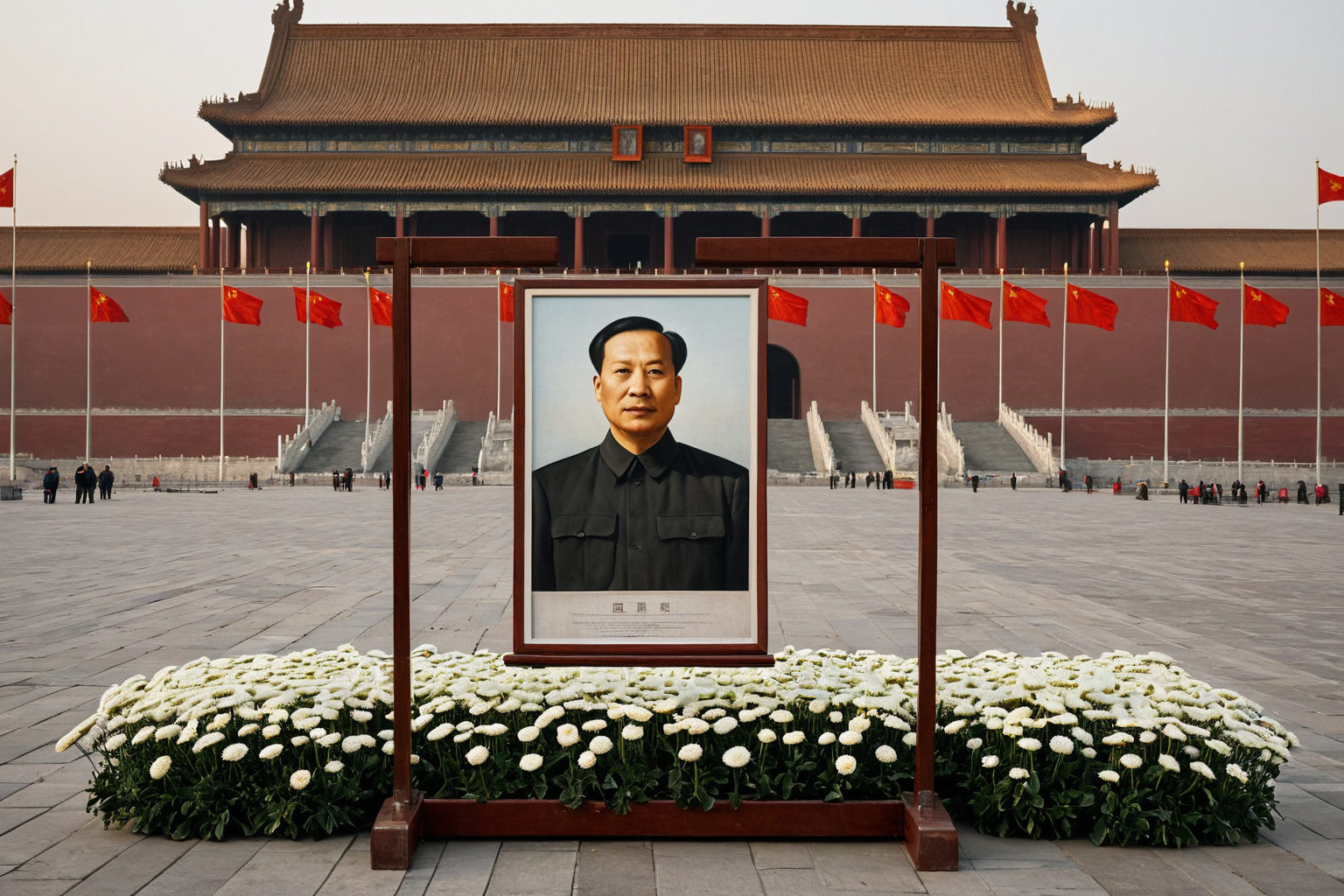
The Historical Significance of Zhu Rongji's Passing
Zhu Rongji, former Chinese Premier, died at the age of 98 on August 12, 2026, prompting renewed recognition of his role as a central figure in China's economic reforms. He was known as the 'economic czar' for leading China into the World Trade Organization (WTO) and solidifying Deng Xiaoping's market-oriented 'Socialism with Chinese Characteristics.'
Leading Economic Reforms
Zhu Rongji emerged as a key figure in China's economic reforms from the late 1990s, spearheading the country's entry into the WTO and guiding its transition toward a market economy based on 'Socialism with Chinese Characteristics.'
His leadership in securing China's WTO membership provided the foundation for China to fully participate in the global trading system. From the late 1990s onward, he represented China in international trade negotiations, earning recognition as the 'economic reform commander-in-chief.'
Timing and Political Context of Passing
Zhu Rongji's death on August 12, 2026, coincided with commemorations marking the 100th anniversary of former President Jiang Zemin. As a result, Chinese authorities coordinated the announcement of his passing alongside Jiang Zemin's commemorative events, reflecting strategic considerations in their reporting approach.
Nationwide mourning was observed across China, with flagpoles lowered and memorial processions held at key locations such as Tiananmen Square. These actions signaled official recognition of Zhu Rongji's contributions to economic development.
Zhu Rongji's Political Role and Nicknames
Recognized for advancing Deng Xiaoping's 'market-oriented socialism,' Zhu Rongji earned the nickname 'Gorbachev of Shanghai' due to his economic policies in Shanghai. This reference highlighted his role in driving China's reform efforts through international engagement.
His political influence was particularly evident in market economy transitions and WTO membership, though he was also referred to as a 'steel-blood statesman,' though this title remains unverified.
Government Control Over Mourning
Following news of Zhu Rongji's passing, the Chinese government implemented strict controls over public mourning, including censorship. This reflects his significant role in establishing the economic foundation for Xi Jinping's administration.
The government balanced positive evaluations of Zhu Rongji with efforts to regulate public expressions of grief, illustrating how historical figures are assessed and presented according to political objectives.
A Political Turning Point
Zhu Rongji's passing is viewed as a significant turning point in China's political and economic development. His reforms laid the groundwork for Xi Jinping's current economic policies, enabling China's full integration into the global trading system.
His death marks the departure of an influential figure who continued Deng Xiaoping's economic vision, emphasizing market-oriented transitions that remain central to China's development strategy.
Historical Achievements
Zhu Rongji is recognized as a pivotal figure in China's economic reforms, contributing significantly to WTO membership and the establishment of 'Socialism with Chinese Characteristics' as an economic framework. From the late 1990s onward, he represented China in international trade negotiations, driving market economy transitions.
His policies established the foundation for China's full participation in global trade, earning him recognition as the 'economic czar' and cementing his place as a central figure in China's economic transformation.
National Mourning Atmosphere
Following news of Zhu Rongji's death, nationwide mourning was observed across China. Large memorial processions were held at key locations such as Tiananmen Square, reflecting official acknowledgment of his contributions to economic development.
The government carefully managed the public response through censorship of free expression during mourning, indicating a balance between recognizing Zhu Rongji's achievements and maintaining political context in historical evaluation.
Zhu Rongji's Passing and China's Political Structure
Zhu Rongji's death marked an important shift within China's political structure. He continued Deng Xiaoping's economic policies, driving market-oriented reforms that enabled China to fully participate in the global trading system.
Post-passing, Chinese authorities have emphasized the historical achievements of economic reforms, reinforcing the foundation for Xi Jinping's current economic policies. This underscores Zhu Rongji's enduring influence on China's development trajectory.

Historical Assessment
Zhu Rongji's passing is seen as a pivotal moment in China's political and economic history. His leadership in securing WTO membership integrated China into the global trading system, continuing Deng Xiaoping's 'market-oriented socialism' framework.
The timing of his death—coinciding with Jiang Zemin's 100th anniversary commemorations—led Chinese authorities to strategically coordinate their announcements, reflecting how historical figures are assessed within political contexts.
Economic Reforms and WTO Membership
Zhu Rongji was a central figure in China's economic reforms, known as the 'economic czar' for leading the country into the WTO. His policies established the foundation for China to fully engage with global trade systems.
His leadership in securing WTO membership positioned China as an important player in the global economic structure, forming the basis of its subsequent development. He represented China in international trade negotiations from the late 1990s onward.
Passing and Political Control
Following news of Zhu Rongji's death, Chinese authorities implemented strict controls over public mourning, including censorship. This reflects his foundational role in establishing economic policies for Xi Jinping's administration.
The government balanced positive assessments of Zhu Rongji with efforts to regulate public expressions of grief, illustrating how historical figures are evaluated according to political objectives.
Historical Significance
Zhu Rongji's passing is viewed as a turning point in China's economic reforms and political structure. He continued Deng Xiaoping's economic policies, driving market-oriented transitions that enabled China's full integration into the global trading system through WTO membership.
His death has prompted Chinese authorities to re-evaluate the historical achievements of economic reforms, reinforcing the legacy of his contributions to 'Socialism with Chinese Characteristics' as a central framework for development.
Frequently Asked Questions
What role did Zhu Rongji play in China's economic reforms?
Zhu Rongji was a key figure in China's economic reforms, leading the country into the WTO and earning recognition as the 'economic czar.' He advanced Deng Xiaoping's market-oriented 'Socialism with Chinese Characteristics' framework.
What actions did the Chinese government take following Zhu Rongji's death?
The Chinese government coordinated the announcement of his passing alongside Jiang Zemin's 100th anniversary commemorations and implemented strict controls over public mourning, including censorship.
What nicknames was Zhu Rongji known by?
Zhu Rongji was referred to as the 'economic czar' and earned the nickname 'Gorbachev of Shanghai' due to his economic policies in Shanghai.
Frequently Asked Questions
Zhu Rongji, former Chinese Premier, is viewed as a pivotal figure in China's political and economic development. He led China into the WTO, driving market-oriented reforms under Deng Xiaoping's framework, which became foundational for Xi Jinping's current policies.
The Chinese government coordinated his passing announcement with Jiang Zemin commemorations and exercised strict control over public mourning, illustrating how historical figures are assessed according to political objectives.
Explore more articles on similar topics.
View Related ArticlesFAQ
What role did Zhu Rongji play in China's economic reforms?
Zhu Rongji was a key figure in China's economic reforms, leading the country into the WTO and advancing Deng Xiaoping's market-oriented 'Socialism with Chinese Characteristics' framework.
What actions did the Chinese government take following Zhu Rongji's death?
The Chinese government coordinated his passing announcement alongside Jiang Zemin's 100th anniversary commemorations and implemented strict controls over public mourning, including censorship.
What nicknames was Zhu Rongji known by?
Zhu Rongji was referred to as the 'economic czar' and earned the nickname 'Gorbachev of Shanghai' due to his economic policies in Shanghai.
Korean Source
This article is an English localization of a Korean-language report from BlogScore. Original: 주룽지 별세, 중국 정치의 전환점이 된 이유