
Youth Unemployment Hits Record High: Key Advice for Job Seekers in South Korea
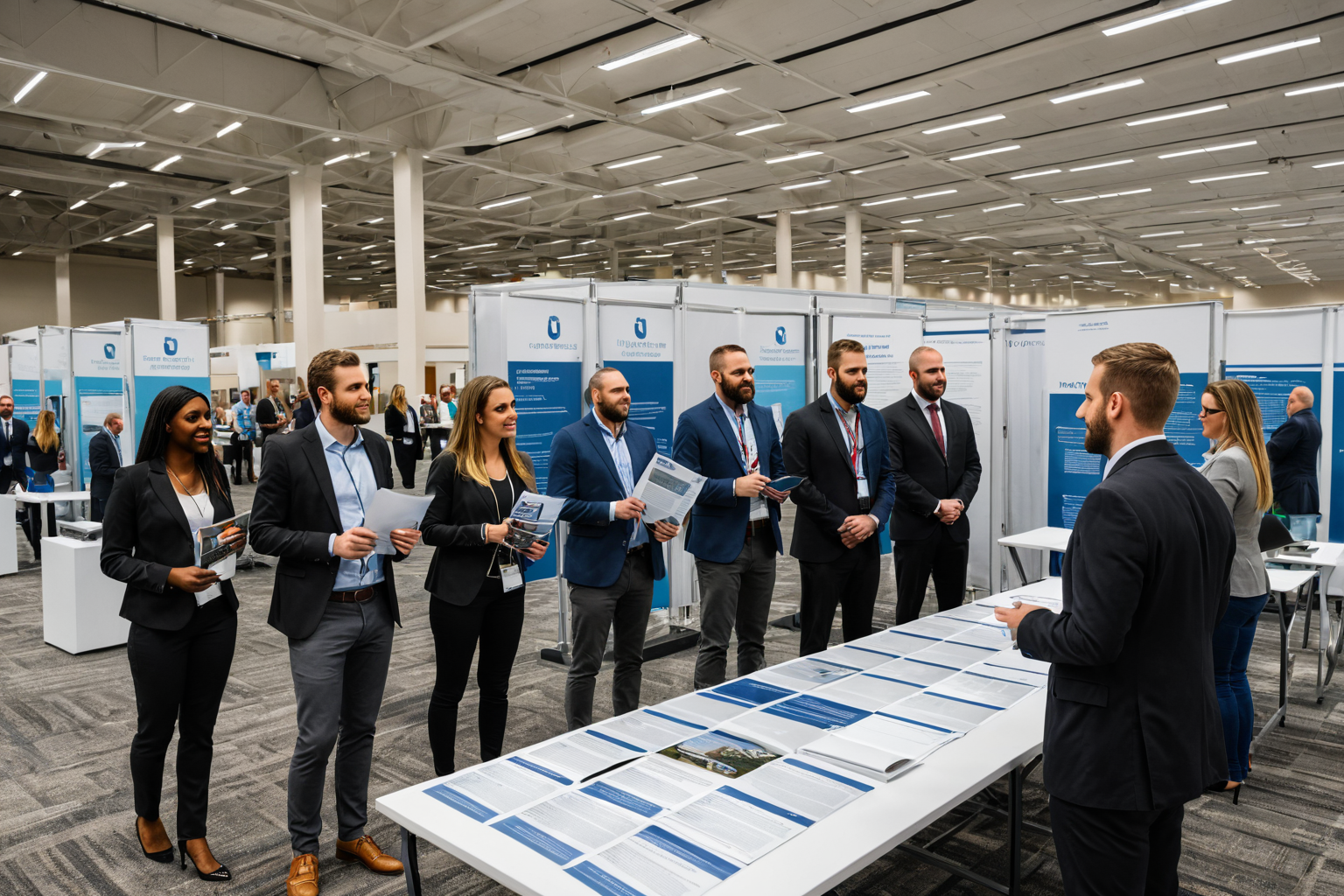
Government, Business, and Local Government Responses to Record Youth Unemployment
In April 2026, South Korea's youth unemployment rate hit a four-year high of 7.4%, with the number of job seekers reaching an all-time high of 650,000. The government and major companies collaborated on recruitment fairs involving 700 businesses, while Catholic University offers comprehensive career counseling including post-employment support.
Regional Support Programs Amid Record Youth Unemployment
In August 2026, Uijeongbu City and Dobong District hosted youth employment concerts featuring current employees from Samsung and Naver. Uijeongbu City operates an employment support program including mentorship, while Dobong District held a mentoring concert with 19 companies' former and current staff.
In Incheon's Namdong District, AI-focused job training sessions were conducted, and Gwanak District highlighted youth potential through the 8th Gwanak Youth Festival. 42 public institutions gathered in Jeju to address 'island employment' concerns for young people seeking jobs outside their home regions.
Rising Chinese Graduates and Global Employment Challenges
In September 2026, China recorded a historic high of 12.7 million new graduates—the largest number ever. This surge places pressure on the global job market, with concerns growing over an 'employment ice age' for young people due to AI advancements.
China's youth unemployment rate has fallen for four consecutive months to 16.5%, attributed to structural economic changes and global economic uncertainty. Governments and businesses are strengthening support measures in response to these trends.
4.3 Trillion Won Youth Budget and '100,000 Youth' Initiative
In June 2026, the government announced plans to invest 4.3 trillion won (up to KRW 195.82 million per person) in youth employment programs under the '100,000 Youth' initiative led by Lee Jae-myung's political faction. This is seen as a much-needed lifeline for South Korea's youth employment drought.
National Pukyong University hosted its 'PKNU Career, Employment, and Entrepreneurship Fair,' while Dong-A University held recruitment events to boost job seeker confidence. Youth driver's license subsidies vary by region, with up to 500,000 won difference between areas based on local economic conditions.
AI Technology and Changing Job Market for Young Workers
A March 2026 report highlighted an 'employment ice age' accelerated by AI technology. As AI reshapes job structures, competition among young job seekers has intensified significantly.
Youth employment rates have seen the steepest decline since the pandemic, reflecting heightened global economic uncertainty and rapid technological innovation. Young workers are now required to develop new skills to adapt to the AI era.

Status of Regional Support Programs Amid Record Youth Unemployment
In April 2026, South Korea's youth unemployment rate reached a four-year high of 7.4%, with job seekers totaling an all-time record of 650,000. The government and business sector organized recruitment fairs involving 700 companies, while Catholic University provided full-service support including post-employment management.
In August 2026, Uijeongbu City and Dobong District actively implemented youth employment programs. Uijeongbu hosted mentorship concerts featuring Samsung and Naver employees, while Dobong held mentoring sessions with staff from 19 companies.
In Incheon's Namdong District, AI-focused job training was offered, and Gwanak District emphasized young people's potential through the 8th Gwanak Youth Festival. Forty-two public institutions gathered in Jeju to address youth concerns about finding jobs outside their home regions.
Global Employment Challenges: Chinese Graduates and Economic Trends
In September 2026, China recorded a historic high of 12.7 million new graduates—the largest number ever. This surge has put significant pressure on the global job market, with concerns growing over an 'employment ice age' for young people due to AI expansion.
China's youth unemployment rate has been declining for four consecutive months to 16.5%, attributed to structural economic changes and global economic uncertainty. Governments and businesses are strengthening support measures in response to these trends.
Youth Budget Support and the '100,000 Youth' Initiative
In June 2026, the government announced plans to invest 4.3 trillion won (up to KRW 195.82 million per person) in youth employment programs under the '100,000 Youth' initiative led by Lee Jae-myung's political faction. This is seen as a much-needed lifeline for South Korea's youth employment drought.
National Pukyong University hosted its 'PKNU Career, Employment, and Entrepreneurship Fair,' while Dong-A University held recruitment events to boost job seeker confidence. Youth driver's license subsidies vary by region, with up to 500,000 won difference between areas based on local economic conditions.
AI Technology and Changing Job Market for Young Workers
A March 2026 report highlighted an 'employment ice age' accelerated by AI technology. As AI reshapes job structures, competition among young job seekers has intensified significantly.
Youth employment rates have seen the steepest decline since the pandemic, reflecting heightened global economic uncertainty and rapid technological innovation. Young workers are now required to develop new skills to adapt to the AI era.
Key Information to Verify
The youth unemployment rate of 7.4% represents a four-year high with 650,000 job seekers—the largest number ever recorded. The government and business sector have organized recruitment fairs involving 700 companies, while Catholic University provides comprehensive support including post-employment management.
Uijeongbu City and Dobong District offer mentorship programs featuring Samsung and Naver employees. Incheon's Namdong District conducted AI-focused job training sessions, and Gwanak District highlighted youth potential through the 8th Gwanak Youth Festival. Forty-two public institutions gathered in Jeju to address 'island employment' concerns.
Frequently Asked Questions
What support is the government providing amid record youth unemployment?
The government is investing 4.3 trillion won (up to KRW 195.82 million) in youth employment programs, with the '100,000 Youth' initiative led by Lee Jae-myung's political faction serving as a vital support measure for South Korea's youth employment drought.
How does China's rising number of new graduates impact the global job market?
China's record 12.7 million new graduates in September 2026 have placed significant pressure on the global job market, contributing to concerns about an 'employment ice age' for young people due to AI expansion.
What is the impact of AI technology on youth employment?
AI technology is reshaping job structures, intensifying competition among young job seekers. Youth employment rates have seen their steepest decline since the pandemic, requiring young workers to develop new skills for adaptation in the AI era.
Frequently Asked Questions
The youth unemployment rate reached a four-year high of 7.4% in April 2026 with 650,000 job seekers—the largest number ever recorded. While government, businesses, and local governments are actively implementing support programs, concerns about an 'employment ice age' persist due to China's record graduate numbers and AI technology's impact on the job market. However, with a 4.3 trillion won youth budget investment and various regional initiatives in place, there is hope for gradual improvement.
The information presented here is based on publicly available press releases. Further tracking of government youth budget implementation and the effectiveness of regional support programs would provide additional insights into these efforts.
Find similar articles about this topic all in one place.
View Related ArticlesFAQ
What support is the government providing amid record youth unemployment?
The government is investing 4.3 trillion won (up to KRW 195.82 million) in youth employment programs, with the '100,000 Youth' initiative led by Lee Jae-myung's political faction serving as a vital support measure for South Korea's youth employment drought.
How does China's rising number of new graduates impact the global job market?
China's record 12.7 million new graduates in September 2026 have placed significant pressure on the global job market, contributing to concerns about an 'employment ice age' for young people due to AI expansion.
What is the impact of AI technology on youth employment?
AI technology is reshaping job structures, intensifying competition among young job seekers. Youth employment rates have seen their steepest decline since the pandemic, requiring young workers to develop new skills for adaptation in the AI era.
Korean Source
This article is an English localization of a Korean-language report from BlogScore. Original: 청년실업률 최대치, 취업 준비자에게 필요한 조언