
Youth Unemployment Rate Rises: Causes and Policy Solutions


Youth Unemployment Rate at 6.8%... Continuing 45-Month Employment Cold Wave
As of July 2026, South Korea's youth unemployment rate reached 6.8%, marking the highest level in four years and continuing a downward trend for 45 consecutive months. The Korea Institute for Economic Development and the National Assembly Future Research Institute have highlighted that approximately 700,000 'just taking a break' young people and high rates of short-term workers leaving jobs urgently require policy intervention.
Two out of three young people leave their jobs within one year, contributing to labor turnover and corporate hiring instability. The Korea Institute for Economic Development proposed a 'Youth Job Guarantee Program,' though it also warned about the risk of social disconnection.
Analyzing the European Union's youth employment policies, experts suggest that customized support models are needed. To address small and medium-sized enterprises' labor shortages, the government is considering various measures, including supporting 50% of annual salaries.
Policy Proposals and Response Directions
The government and research institutions have proposed tailored support for different youth groups, implementing regional revitalization cooperation teams, and piloting a job guarantee program. Particularly with the emergence of a '700,000 strong just taking a break' generation, there is widespread consensus on the need for segmented support.
As part of this, Gyeonggi Province recommended piloting a Youth Job Guarantee Program, while Bicorner Lab hosted policy seminars advocating for a 'Korean-style regional revitalization cooperation team.' This initiative aims to connect local economic development with youth employment.
The rising youth unemployment rate has been linked to job losses due to AI adoption. According to a April 6, 2026 Maeil Business Newspaper report, AI accounts for approximately 10% of youth jobs lost, contributing to the increase in unemployment rates.
The Evolution of Youth Employment Issues
A March 18, 2026 Chosun Ilbo report noted that the youth unemployment rate reached a five-year high. Subsequently, in July, while total employment increased by 108,000 people, youth employment decreased by 191,000, indicating that young people were left behind in the recovery trend.
Following the Korea Institute for Economic Development's proposal of a 'Youth Job Guarantee Program' on July 23, 2026, the National Assembly Future Research Institute released policy analysis and reconstruction plans on August 12. This called for adopting an EU-inspired integrated support model.
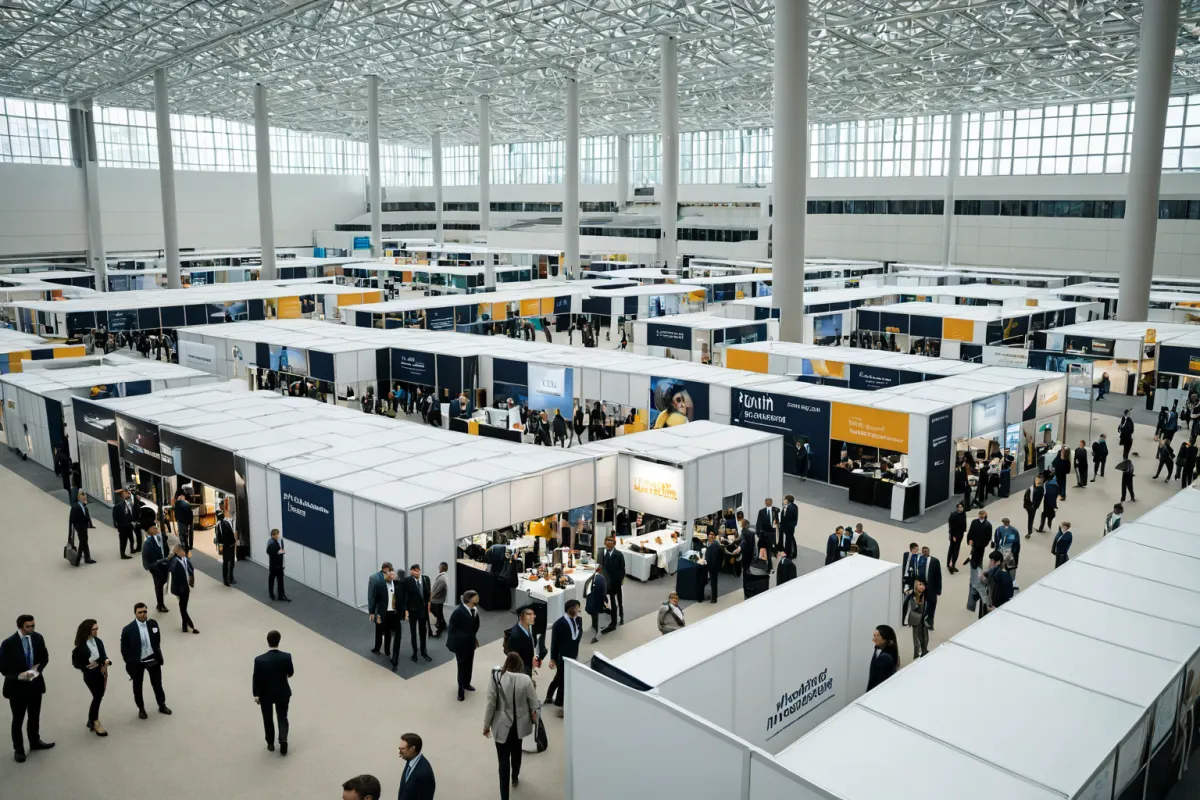
The government has also committed to strengthening inter-ministerial cooperation in developing employment policies, with the first 'Youth Hope Roadshow' - a job fair connecting promising companies with unemployed youth - held on August 11, 2026.
Analysis of Causes: AI Adoption and Short-Term Work Trends
The main causes behind rising youth unemployment include the 700,000 'just taking a break' young people and high rates of short-term job turnover. According to a February 19, 2026 Social Impact News report, the growing number of these young people has raised concerns about increasing social and economic costs.
The trend where two out of three youth leave their jobs within one year has contributed to corporate hiring instability, negatively impacting small business labor shortages. The Korea Institute for Economic Development warned that this situation poses a risk of 'social disconnection,' necessitating policy intervention.
AI adoption is cited as a key factor in declining youth employment opportunities. A April 6, 2026 Maeil Business Newspaper article reported that AI accounts for about 10% of lost youth jobs, suggesting technological advancement has reduced labor demand.
Policy Responses and Budget Concerns
The Ministry of Employment and Labor stated they are doing their best to support unemployed youth but have not yet finalized policy scale or budget. A March 19, 2026 Ministry announcement outlined specific measures for supporting unemployed youth, though the budget size remains undetermined.
Efforts through initiatives like the Youth Hope Roadshow aim to strengthen connections between promising companies and unemployed youth, but these remain in a pilot phase. The first Youth Hope Roadshow was held on August 11, 2026, focusing on expanding employment opportunities for unemployed youth.
Gyeonggi Province recommended piloting the Youth Job Guarantee Program, though it has not yet moved to implementation. Bicorner Lab's policy seminar advocating for a 'Korean-style regional revitalization cooperation team' contributed to shaping future policy directions.
Verified Information
The 6.8% youth unemployment rate as of July 2026 is based on reports from Chosun Ilbo and economic media outlets. The figure of 700,000 'just taking a break' young people and high rates of short-term job turnover are cited in Social Impact News and Korea Institute for Economic Development reports.
The analysis that AI accounts for about 10% of lost youth jobs comes from Maeil Business Newspaper. The first Youth Hope Roadshow was held on August 11, 2026, as reported by the government.
Policy proposals and pilot recommendations stem from Gyeonggi Province's initiatives and Bicorner Lab's activities, with budget confirmation still pending.
Frequently Asked Questions
What statistics support the 6.8% youth unemployment rate?
The July 2026 youth unemployment rate of 6.8% is based on reports from Chosun Ilbo and economic media outlets.
What does 'just taking a break' refer to regarding 700,000 young people?
'Just taking a break' refers to young people who have chosen not to work for a period of time. According to Social Impact News reports, approximately 700,000 such individuals were identified.
Where is the Youth Job Guarantee Program being piloted?
Gyeonggi Province recommended piloting the Youth Job Guarantee Program, though it has not yet moved to implementation stage.
Frequently Asked Questions
The persistent rise in youth unemployment has become a broad social and economic issue. The 700,000 'just taking a break' young people and frequent short-term job turnover represent urgent situations requiring policy intervention, while AI adoption's impact on job losses must also be considered.
Government and local authorities are exploring solutions through tailored support programs and regional revitalization cooperation teams. However, the scale of policies and budget confirmation remain insufficient, necessitating concrete implementation plans.
Ongoing efforts to identify and support unemployed youth continue, but so far these initiatives have remained in a pilot phase. Strengthening collaboration between government and private sectors is essential for resolving youth employment issues.
Future policy execution will determine whether the youth unemployment rate improves, highlighting the need for continuous monitoring of relevant statistics and implementation status.
You can view similar articles on this topic all in one place.
See More Related ArticlesFAQ
What statistics support the 6.8% youth unemployment rate?
The July 2026 youth unemployment rate of 6.8% is based on reports from Chosun Ilbo and economic media outlets.
What does 'just taking a break' refer to regarding 700,000 young people?
'Just taking a break' refers to young people who have chosen not to work for a period of time. According to Social Impact News reports, approximately 700,000 such individuals were identified.
Where is the Youth Job Guarantee Program being piloted?
Gyeonggi Province recommended piloting the Youth Job Guarantee Program, though it has not yet moved to implementation stage.
Korean Source
This article is an English localization of a Korean-language report from BlogScore. Original: 청년 실업률 증가 원인과 해결 방안: 정책 제언