
Youth Unemployment Hits Four-Year High Amid Economic Shifts and AI Impact
Youth Unemployment Reaches Four-Year High
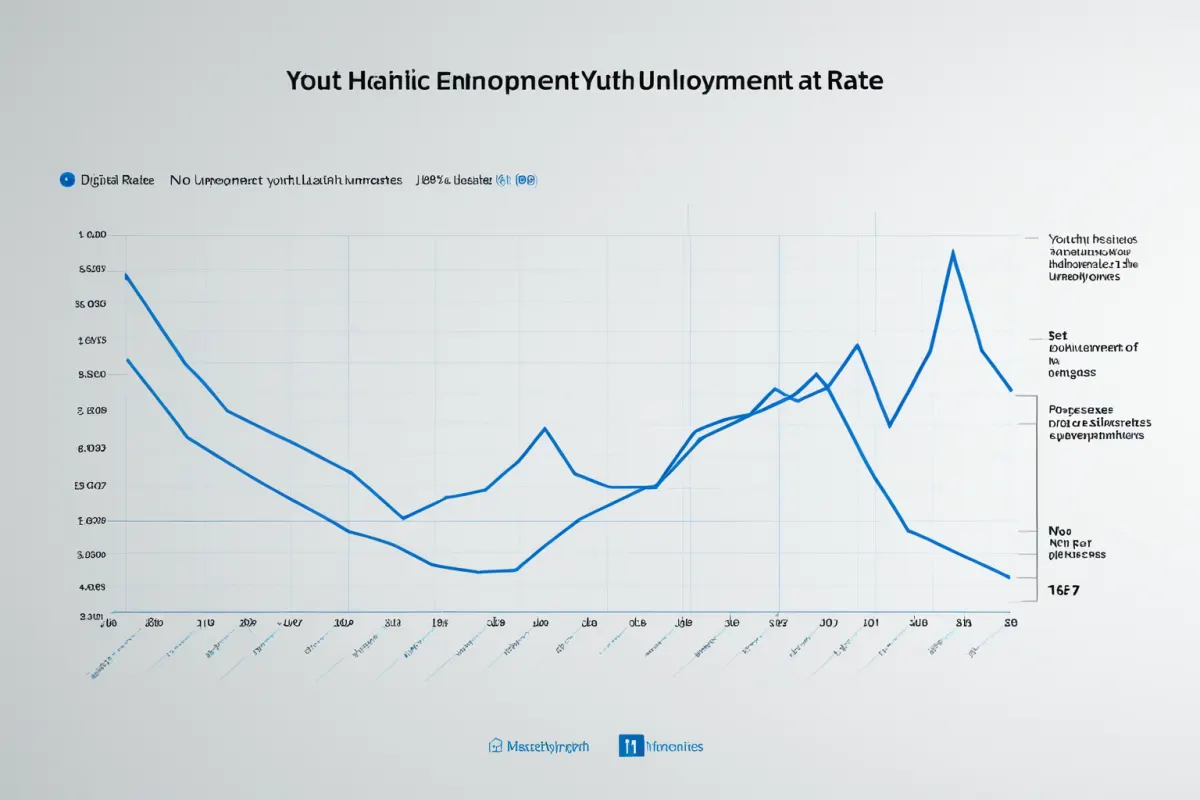
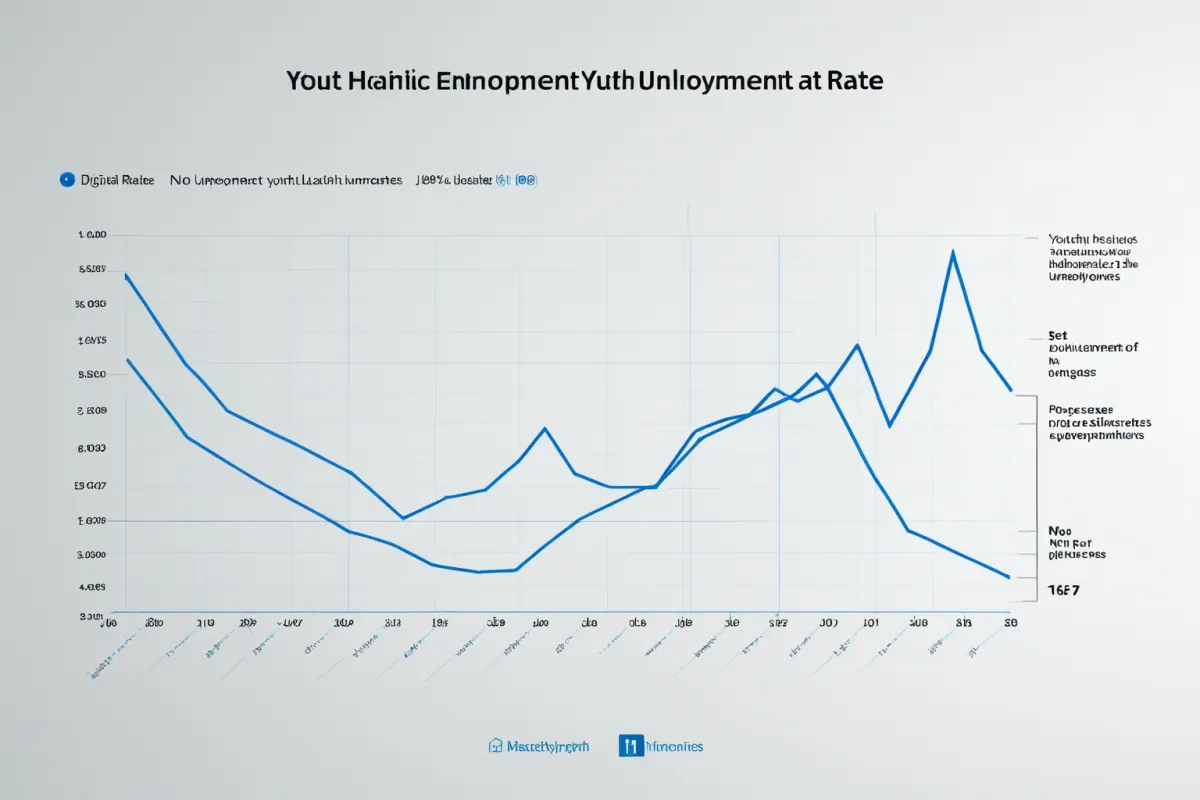
South Korea's youth unemployment rate reached 7.5% in March, marking the highest level in four years. This reflects worsening labor market conditions due to economic slowdown and seasonal factors. The number of unemployed individuals hit a record high of 1.21 million, while the number of young people not working or seeking employment also reached a 22-year peak. According to government statistics, the prolonged economic downturn has slowed labor market recovery compared to expectations. Young people have been particularly affected by reduced new hires and increased job insecurity in existing roles, with youth employment rates dropping 1.8 percentage points year-on-year as of March 2025.
Rising Youth Unemployment in China and Policy Responses
China's youth unemployment rate also rose to 16.9%, marking a reversal after seven months of decline, reflecting structural economic issues compounded by global slowdowns. The downturn has been exacerbated by real estate market instability and reduced consumer spending, leading to worsening employment conditions for young people. As of April 2026, the Chinese government announced measures including a 'mobilization order' for state-owned enterprises and tech companies' hiring markets, alongside large-scale job programs. Some social phenomena have emerged, such as youth migrating to rural areas or attempting money laundering through Buddhist temples, highlighting both the severity of unemployment and limitations in policy responses.
Government Outlook on Unemployment Rates
The government projects that youth unemployment will exceed 6% in its first year (2026), potentially reaching a post-pandemic high. Some reports suggest rates could climb as high as 21%. This indicates slower-than-expected economic recovery and prolonged labor market challenges. To address this, the government plans to increase funding for creating youth jobs and strengthen AI skills programs. New employment policies implemented from January 2026 include various measures aimed at expanding job opportunities for young people.
AI Development and Changing Employment Landscape
The acceleration of AI-driven work restructuring is raising concerns about job displacement, signaling new shifts in the labor market. Young workers are particularly affected by declining employment opportunities in sectors increasingly automated by AI, while traditional industries restructure and new sectors emerge. To respond to these changes, the government is enhancing AI skills programs and supporting young people in acquiring new technologies. Collaboration with industry leaders aims to analyze AI's impact on employment and develop strategies for adaptation.
Economic Impact of Record Youth Unemployment
The record youth unemployment rate has significant implications for the broader economy. Reduced consumption and delayed asset formation among young people could negatively affect long-term economic growth. Increased job insecurity also heightens risks of social conflict, impacting retail and service sectors as consumer spending declines, and housing-related economic activity as asset accumulation slows. The government is exploring ways to strengthen youth employment support policies and expand social safety nets to address these challenges.

Specific Circumstances Behind Record Youth Unemployment
According to a Chosun Ilbo report on April 10, 2025, South Korea's youth unemployment rate reached 7.5% in March, marking the highest level in four years since the pandemic recovery slowed. On January 14, 2026, the number of unemployed individuals hit a record high of 1.21 million, with young people not working or seeking employment reaching a 22-year peak. The statistics office explained that ongoing job insecurity among youth contributed to rising unemployment rates. Analysis of labor market trends from March 2025 to January 2026 showed declining new hires and increased instability in existing jobs as key factors.
Background Behind China's Rising Youth Unemployment
A YNA.co.kr report on April 21, 2026, noted that China's youth unemployment rate rose to 16.9%, reversing a seven-month decline and reflecting economic slowdown and worsening employment conditions for young people. On June 6, 2026, the Chinese government issued a 'mobilization order' for hiring in state-owned enterprises and tech companies after reports indicated youth unemployment had surpassed 21%. This trend is attributed to structural economic issues combined with global slowdowns, particularly real estate market instability and reduced consumer spending. The government has launched large-scale job programs to address the crisis.
Analysis of Causes Behind Rising Youth Unemployment
The main drivers behind rising youth unemployment are economic downturns and AI-driven work restructuring. Economic slowdowns have decreased employment opportunities, while AI advancements have led to job losses in certain sectors, reducing young people's chances for employment. Seasonal factors and lack of government policy also played a role. Analysis from March 2025 to January 2026 identified declining new hires and instability in existing jobs as primary causes. The government is exploring enhanced youth employment support policies and expanded social safety nets.
Strategies for Addressing Record Youth Unemployment
The government is implementing various policies to revitalize the youth job market, including strengthening AI skills programs and supporting new job creation. To prevent issues like rural migration or attempts at money laundering through Buddhist temples by young people, social safety nets are being expanded. The new employment policies starting in 2026 include measures aimed at increasing job opportunities for young people, supported by collaboration with industry to help youth acquire new skills.
Verified Information on Record Youth Unemployment
The record youth unemployment rate can be verified through Chosun Ilbo and government press releases. The March 2025 data showing a 7.5% youth unemployment rate and 1.21 million unemployed individuals are official statistics. China's rising youth unemployment and policy responses are also reported by YNA.co.kr and other major outlets. Additional details can be found in employment-related datasets available on the Statistics Korea website, which provide reliable information.
Frequently Asked Questions
When was the highest youth unemployment rate recorded? South Korea's youth unemployment rate reached 7.5% in March, marking a four-year high.
What is China's youth unemployment rate? China's youth unemployment rate rose to 16.9%, reversing a seven-month decline as of April 2026.
What government policies are being implemented? The government has issued a 'mobilization order' for state-owned enterprises and tech companies' hiring markets, while strengthening AI skills programs.
You can explore more articles on similar topics in one place.
View Related ArticlesFAQ
When was the highest youth unemployment rate recorded?
South Korea's youth unemployment rate reached 7.5% in March, marking a four-year high.
What is China's youth unemployment rate?
China's youth unemployment rate rose to 16.9%, reversing a seven-month decline as of April 2026.
What government policies are being implemented?
The government has issued a 'mobilization order' for state-owned enterprises and tech companies' hiring markets, while strengthening AI skills programs.
Korean Source
This article is an English localization of a Korean-language report from BlogScore. Original: 청년실업률 최대치, 고용 시장 변화 예측