
Youth Jobs Disappearing: Government Support Programs and How to Participate

Youth employment is declining at a rate of 200 jobs per day, with the government planning to allocate an additional ₩70 billion (approximately $50 million) in its 2027 budget for youth job programs, totaling ₩33 trillion (about $24 billion). The focus includes AI and financial education initiatives as well as expanding corporate vocational training to create more employment opportunities. Specifically, the government is developing practical support measures across various sectors to address the loss of jobs due to AI development and structural adjustments in manufacturing.
Current State of Youth Employment Decline
According to government reports, youth employment has decreased by 200,000 over three years, averaging 200 jobs lost daily. In the manufacturing sector alone, 140,000 positions have vanished, and part-time employment in Jeonbuk has dropped by 12,000. This reflects a significant shift in the youth job market, accelerated by structural changes in manufacturing and AI adoption.
Following the November 30, 2025 report on the loss of 200,000 youth jobs, an emergency review was conducted on June 17, 2026, regarding the disappearance of 140,000 manufacturing jobs. On August 18, 2026, media reported that AI adoption is causing a daily loss of 200 youth jobs—a direct example of how AI implementation impacts young workers.
Notably, Jeonbuk’s decline in part-time employment highlights regional disparities, as the region has consistently ranked last in national employment rates since 2018. Despite collaborative efforts by businesses, institutions, and citizens to address this issue over the past eight years, youth job losses persist.
Government Support Budgets and Programs
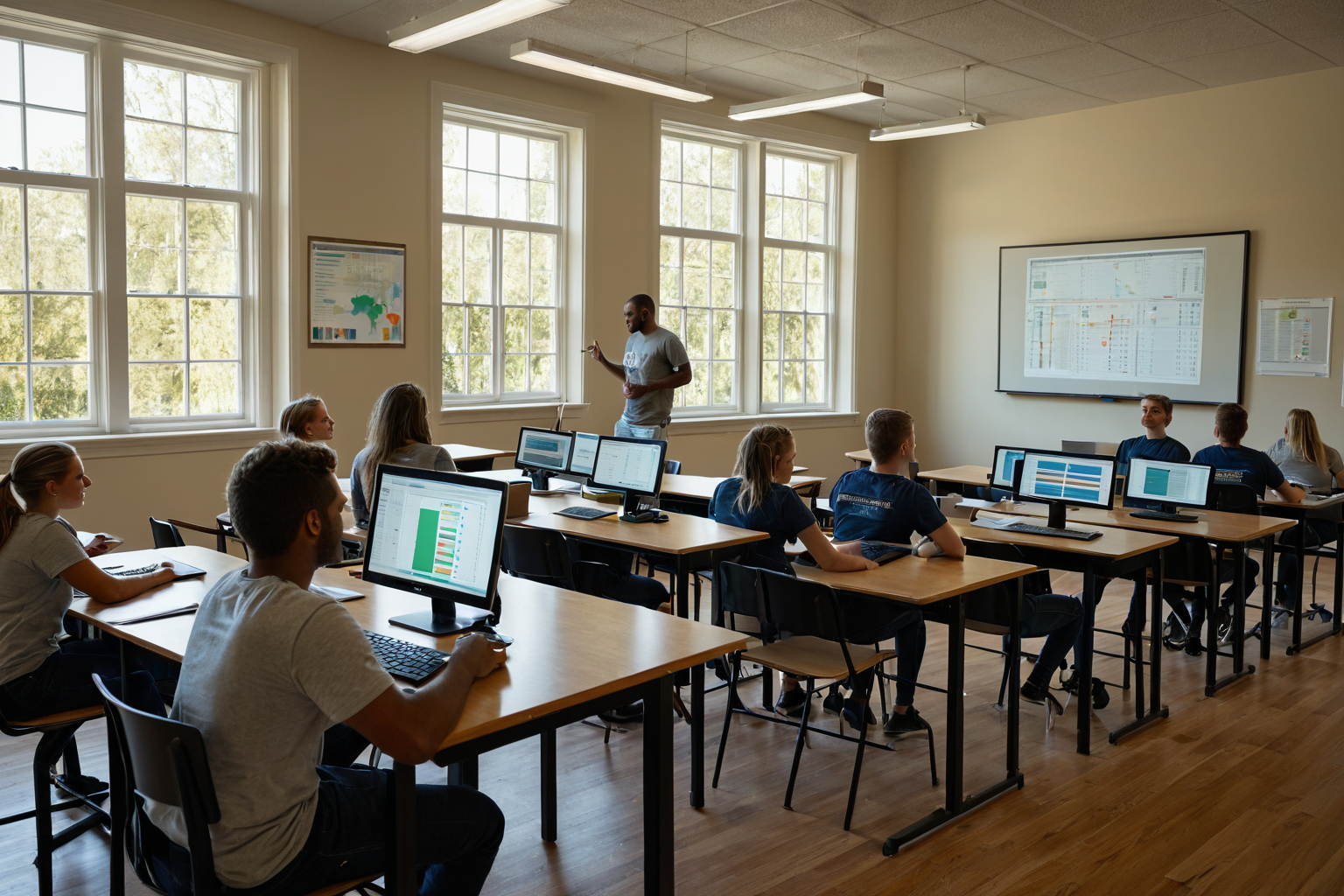
The government plans to increase its 2027 budget for youth employment by ₩70 billion (about $50 million), bringing the total to ₩33 trillion (approximately $24 billion). This includes AI and financial education programs offering 600 hours of training to 60 unemployed youths. Additionally, the government aims to expand corporate vocational training for 100,000 young people in advanced industries like AI and semiconductors through partnerships with major companies.
On July 9, 2026, Woori Financial began offering a 600-hour AI and finance program for 60 unemployed youths—a practical example of government-supported initiatives to boost employment opportunities. On April 29, 2026, the government also announced plans to expand corporate vocational training by 10,000 participants and increase job-seeking allowances as part of a comprehensive strategy to address youth unemployment.
By 2026, the overall youth budget has increased to ₩43 trillion (about $32 billion), with potential maximum support reaching ₩195.82 million ($147,000). This reflects a significant government commitment to funding large-scale employment initiatives for young people, including plans to support up to 1 million individuals through AI training programs.
Main Causes of Youth Job Loss
The primary drivers behind the decline in youth jobs are the spread of AI technology and structural adjustments in manufacturing. As certain tasks become automated due to AI integration, opportunities for young workers have diminished. This trend is not merely about fewer job openings but also presents a challenge for young people adapting to new technological environments.
On September 1, 2026, the government raised concerns that extending retirement age to 65 might further erode youth employment opportunities. While 9 out of 10 citizens support raising the retirement age, growing worries about its impact on young job seekers highlight the need for policy discussions balancing these factors.
Government Response Strategies
The government is expanding youth entrepreneurship and housing support while utilizing public assets to enhance employment opportunities. On July 7, 2026, it announced a major expansion of youth business startup and housing assistance programs using state-owned properties—a move designed to improve financial access and living conditions for young people seeking jobs.
Additionally, the government plans to hire 9,500 individuals through tax and non-tax revenue collection agencies to contribute to youth job creation. This is part of a broader initiative announced on April 29, 2026, targeting the employment of 100,000 young people, reflecting a comprehensive approach to expanding youth employment.
The government will partner with major companies like Samsung and SK to provide AI and semiconductor training programs for 100,000 young individuals. These programs aim to boost job opportunities through vocational training, work experience, and recovery support, as officially announced on April 29, 2026.
Key Information to Verify
Government support for youth employment is being implemented through confirmed budgets and programs. However, while a plan exists to provide AI education to up to 1 million individuals, it remains in the announcement phase with no detailed execution plans yet. Additionally, although the 2026 youth budget has increased to ₩43 trillion (about $32 billion), whether the maximum support amount of ₩195.82 million ($147,000) will be fully applied is still under review.
The government plans further announcements and continues monitoring policies’ effectiveness in addressing youth employment issues. Readers can stay updated through official government press releases and relevant policy websites.
Frequently Asked Questions
What programs does the government offer to support youth employment?
The government operates AI and financial education programs, as well as expanded corporate vocational training initiatives to create job opportunities. For example, Woori Financial is providing 600 hours of AI and finance training for 60 unemployed youths.
What are the main causes of youth employment decline?
The primary factors include AI technology adoption and structural changes in manufacturing. Government reports indicate a loss of 200,000 youth jobs over three years.
When will the effects of increased government funding on youth job creation be visible?
The government plans to allocate an additional ₩70 billion (about $50 million) in its 2027 budget for youth employment, totaling ₩33 trillion (approximately $24 billion). Effects are expected to become noticeable after 2027.
You can explore more articles on similar topics in one place.
View Related ArticlesFAQ
What programs does the government offer to support youth employment?
The government operates AI and financial education programs, as well as expanded corporate vocational training initiatives to create job opportunities. For example, Woori Financial is providing 600 hours of AI and finance training for 60 unemployed youths.
What are the main causes of youth employment decline?
The primary factors include AI technology adoption and structural changes in manufacturing. Government reports indicate a loss of 200,000 youth jobs over three years.
When will the effects of increased government funding on youth job creation be visible?
The government plans to allocate an additional ₩70 billion (about $50 million) in its 2027 budget for youth employment, totaling ₩33 trillion (approximately $24 billion). Effects are expected to become noticeable after 2027.
Korean Source
This article is an English localization of a Korean-language report from BlogScore. Original: 청년 일자리 증발, 정부 지원 사업과 참여 방법