
Youth Climate Action's Constitutional Lawsuit: A Legal Response to the Climate Crisis
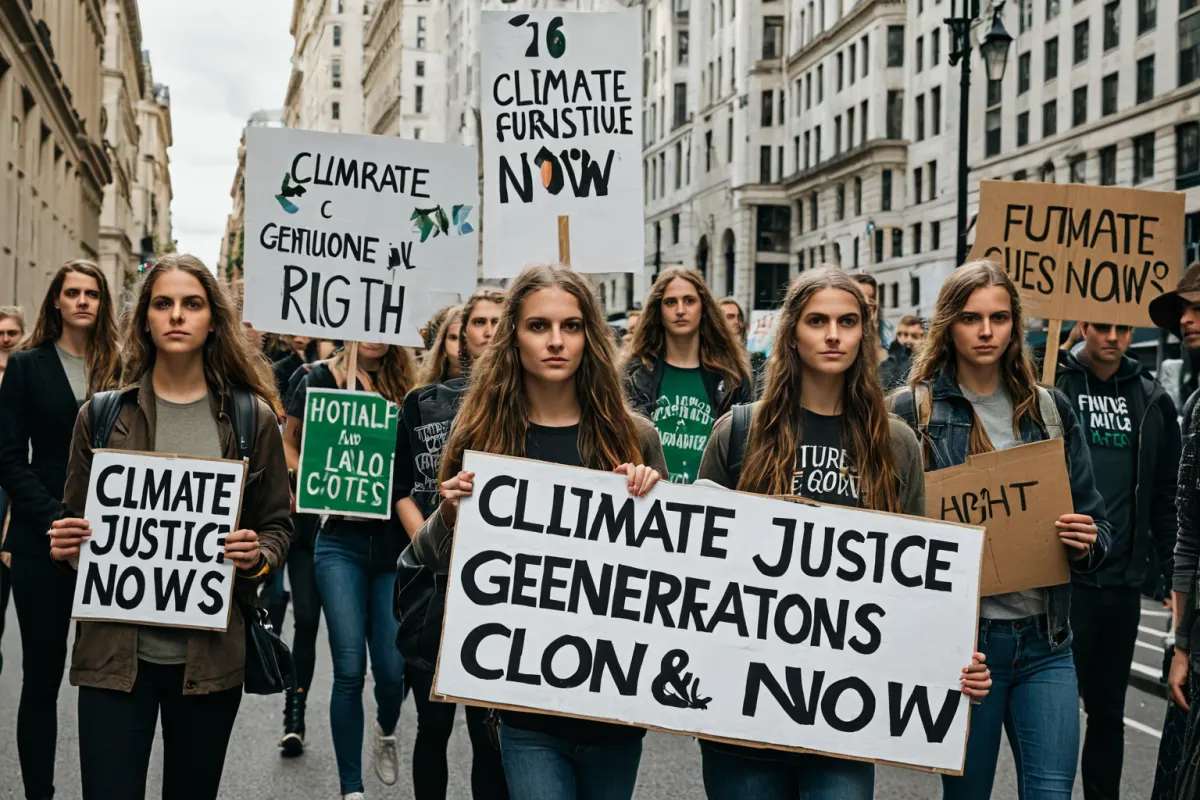
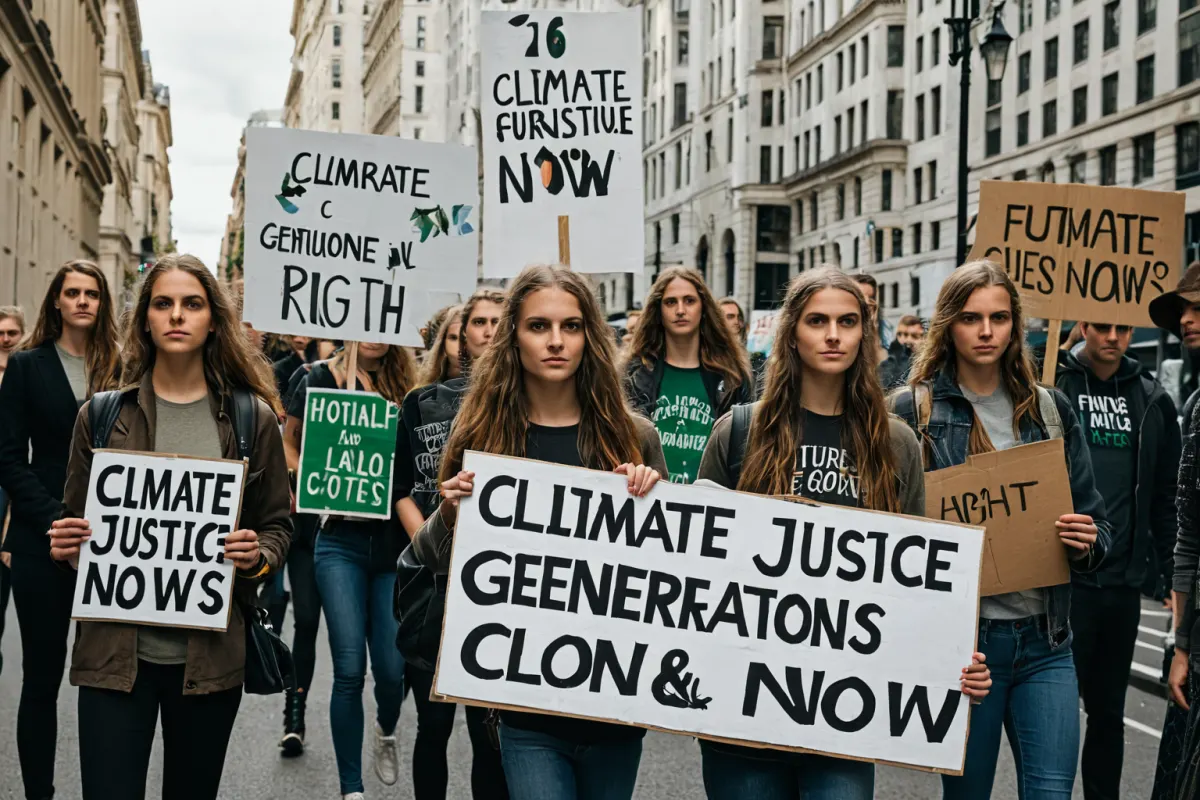
Overview of the Youth Climate Action Constitutional Lawsuit
Youth Climate Action filed what is considered Korea's first climate-related lawsuit at the Constitutional Court, arguing that the government's greenhouse gas reduction targets are unconstitutional. This case represents Asia's first constitutional challenge related to climate crisis response.
In February 2022, Youth Climate Action submitted a constitutional complaint citing 'failure of carbon neutrality law and inadequate climate action... violation of future generations' fundamental rights.' The legal process has continued for over three years, with the Constitutional Court's ruling still pending as of August 2024.
The Constitutional Court chose to hold public hearings on this climate crisis case, drawing attention as such cases occur fewer than ten times per year. The core issue revolves around whether low emissions targets infringe upon future generations' fundamental rights and debates over the feasibility of ambitious goals.
Youth Climate Action members expressed hope that their legal efforts would bear fruit, stating 'We did what adults should have done,' as the Constitutional Court's decision remained delayed as of October 2023. This case has gained attention as a significant example of legal action for climate crisis response initiated by young people.
Constitutional Court Ruling and Youth Activities
On August 29, 2024, the Constitutional Court ruled that the South Korean government's absence of long-term climate response targets beyond 2031 constitutes 'unconstitutional' (헌법불합치). This was the key ruling in the Youth Climate Action lawsuit.
Youth Climate Action began advocating for a court decision from March 2023, arguing that delays were unacceptable. By August 30, 2024, they celebrated what is being recognized as Asia's first climate constitutional lawsuit ruling.
The case is viewed as a new turning point in legal responses to the climate crisis. In April 2026, Youth Climate Action members received the Goldman Environmental Prize internationally, gaining global recognition.
Climate-related lawsuits demanding climate action have increased since a 2022 report by Law News, though judicial decisions on climate issues face criticism for being 'stuck in place.'
Legal Progression of Climate Lawsuits
The Youth Climate Action constitutional lawsuit, filed in February 2022, has been ongoing for over three years. As Asia's first climate-related legal challenge, it awaits a ruling on whether the government's carbon reduction targets violate the constitution.
In April 2024, the Constitutional Court chose to hold public hearings on 'climate crisis cases,' an uncommon move occurring fewer than ten times annually, highlighting the significance of this legal process.
The court's first public hearing for a climate lawsuit opened after four years in February 2024, as reported by Hankyoreh. This case represents young people challenging government carbon reduction targets they claim violate constitutional rights, marking an important example in legal responses to the climate crisis.
On August 30, 2024, Youth Climate Action celebrated what is being recognized as Asia's first climate constitutional lawsuit ruling, viewed as a turning point in legal approaches to addressing the climate crisis.
Connection Between Government Policy and Lawsuit
Youth Climate Action argues that the current government's greenhouse gas reduction target (40% by 2035) is unconstitutional, filing their constitutional complaint. This represents the first climate-related lawsuit awaiting a ruling at the Constitutional Court.
The amendment deadline for the 'Carbon Neutral Basic Act' approaches, with concerns about legislative delays. A February 27, 2026 report noted it was D-1 to the amendment deadline, sparking debate over delayed legislation.
A separate constitutional lawsuit regarding high-level radioactive waste law was filed by 284 residents near nuclear plants on December 22, 2025. This case proceeds independently from climate-related lawsuits.
International Attention and Awards
Youth Climate Action activist Kim Boram received the Goldman Environmental Prize, often called the 'Nobel Prize for the environment,' in April 2026. The award highlights international recognition of Youth Climate Action's constitutional lawsuit as Asia's first legal response to climate crisis.
After the Constitutional Court ruled on August 29, 2024 that South Korea's climate response plan was 'unconstitutional,' Youth Climate Action continued advocating for stronger climate policies. This aligns with their claim that weak carbon reduction targets violate future generations' fundamental rights.
Increase in Climate Lawsuits and Judicial Criticism
Climate-related lawsuits demanding climate action have increased since a 2022 Law News report, though judicial decisions on climate issues face criticism for being 'stuck in place.'
A June 2022 News Penguin report noted that judicial delays were causing climate crisis response to be 'stuck in place,' reflecting the situation where cases like Youth Climate Action's must wait through lengthy legal procedures.
Key Information to Verify
Youth Climate Action's constitutional lawsuit represents Asia's first climate-related legal challenge, with young people arguing that government carbon reduction targets violate constitutional rights. The case was filed in February 2022 and has been ongoing for over three years, with the Constitutional Court ruling still pending as of August 2024.
The Constitutional Court ruled on August 29, 2024 that South Korea's lack of long-term climate response targets beyond 2031 constitutes 'unconstitutional.' This was the key ruling in Youth Climate Action's lawsuit.
From March 2023, Youth Climate Action advocated for a court decision, stating 'No more delays are acceptable.' By August 30, 2024, they celebrated what is being recognized as Asia's first climate constitutional lawsuit ruling.
Activist Kim Boram received the Goldman Environmental Prize on April 21, 2026, internationally recognizing Youth Climate Action's constitutional lawsuit as Asia's first legal response to the climate crisis.
Frequently Asked Questions
What is the Youth Climate Action Constitutional Lawsuit?
Youth Climate Action filed a lawsuit at the Constitutional Court arguing that government carbon reduction targets violate constitutional rights. It represents Asia's first climate-related legal challenge, filed in February 2022 and still ongoing as of August 2024.
How was the Constitutional Court ruling delivered?
The Constitutional Court ruled on August 29, 2024 that South Korea's lack of long-term climate response targets beyond 2031 constitutes 'unconstitutional.' This is the key ruling in Youth Climate Action's lawsuit.
What awards has the Youth Climate Action activist received?
Kim Boram, a Youth Climate Action activist, received the Goldman Environmental Prize on April 21, 2026. The award recognizes international attention to Youth Climate Action's constitutional lawsuit as Asia's first legal response to climate crisis.
Frequently Asked Questions
The Youth Climate Action constitutional lawsuit is being viewed as a new turning point in legal responses to the climate crisis. This case represents Asia's first climate-related legal challenge, with young people arguing that government carbon reduction targets violate future generations' fundamental rights.
On August 29, 2024, the Constitutional Court ruled that South Korea's absence of long-term climate response targets beyond 2031 constitutes 'unconstitutional,' marking a significant achievement in Youth Climate Action's lawsuit. The youth group continued advocating for stronger climate policies through their court ruling campaign.
On April 21, 2026, Kim Boram received the Goldman Environmental Prize, demonstrating international recognition of Youth Climate Action's efforts. This award highlights how young people's legal actions are gaining global attention as part of climate crisis response.
While climate-related lawsuits demanding action have increased since a 2022 Law News report, judicial decisions still face criticism for being 'stuck in place.' This reflects the situation where cases like Youth Climate Action's must wait through lengthy legal procedures before seeing results.
It remains to be seen whether the Constitutional Court will issue stronger rulings on climate policy going forward and how Youth Climate Action's activities will influence international responses. This case represents an important example of young people taking legal action for future generations as part of their response to the climate crisis.
You can view similar articles on this topic in one place.
View Related ArticlesFAQ
What is the Youth Climate Action Constitutional Lawsuit?
Youth Climate Action filed a lawsuit at the Constitutional Court arguing that government carbon reduction targets violate constitutional rights. It represents Asia's first climate-related legal challenge, filed in February 2022 and still ongoing as of August 2024.
How was the Constitutional Court ruling delivered?
The Constitutional Court ruled on August 29, 2024 that South Korea's lack of long-term climate response targets beyond 2031 constitutes 'unconstitutional.' This is the key ruling in Youth Climate Action's lawsuit.
What awards has the Youth Climate Action activist received?
Kim Boram, a Youth Climate Action activist, received the Goldman Environmental Prize on April 21, 2026. The award recognizes international attention to Youth Climate Action's constitutional lawsuit as Asia's first legal response to climate crisis.
Korean Source
This article is an English localization of a Korean-language report from BlogScore. Original: 청소년기후행동 헌법소원, 기후 위기에 대한 법적 대응