
Yoo Gwan-sun AI Video Case Study: How to Apply in Education and Content Creation
Yoo Gwan-sun AI Video Controversy: The Dual Nature of Educational Use and Mocking Content
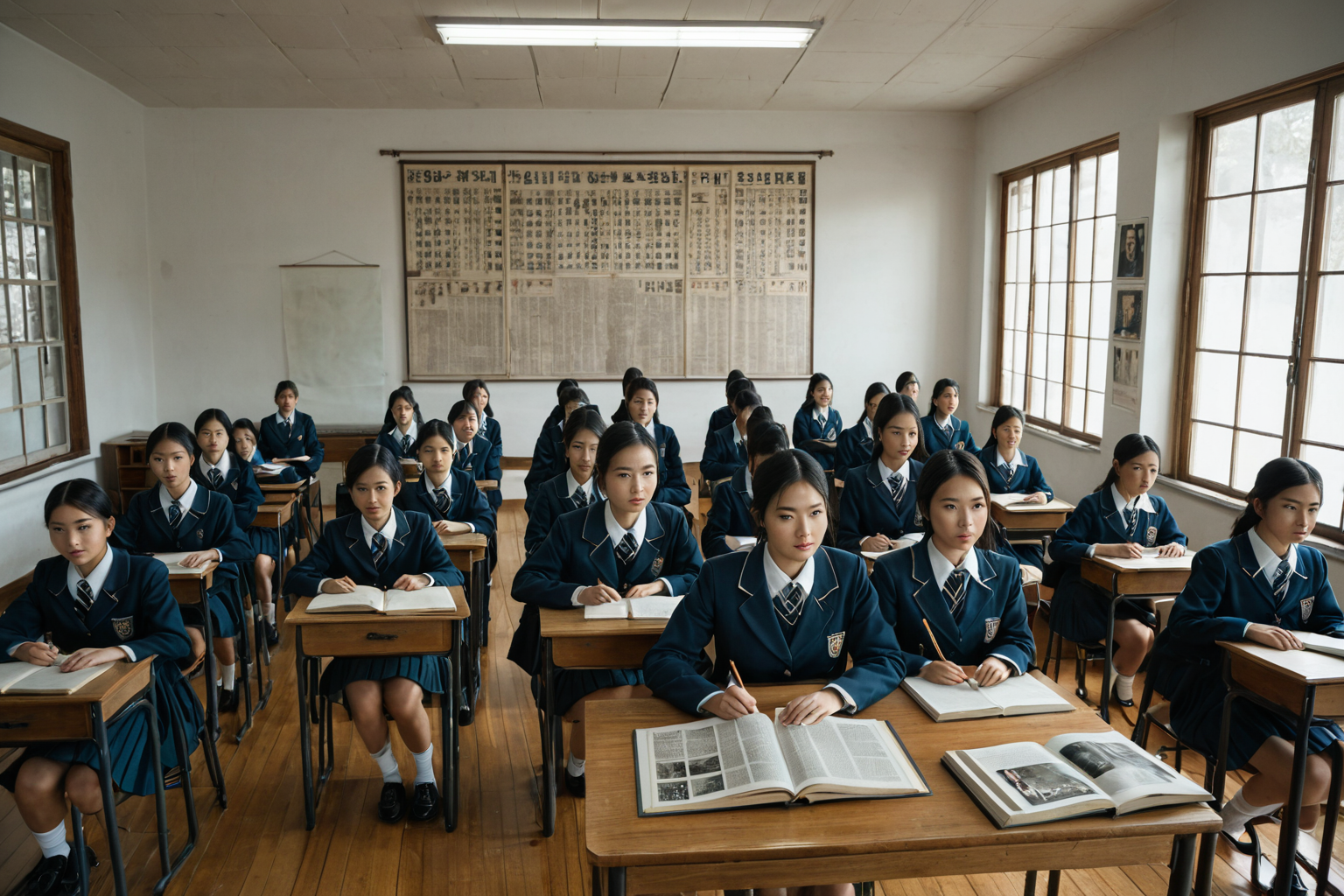
Daejeon Education Office created an AI-generated video commemorating Victory Day (August 15), depicting Yoo Gwan-sun as a high school girl, An Jung-geun as a student athlete, and Kim Gu as a principal. The video quickly gained 260,000 views on Instagram within one day. This educational content reimagined independence activists' roles through a modern lens, showing figures like Yoo Gwan-sun, An Jung-geun, Kim Gu, and Yun Bong-gil active in school settings.
Meanwhile, mocking and disrespectful content about Yoo Gwan-sun spread rapidly on social media ahead of March 1st Independence Movement Day and Victory Day. Some education offices have used AI to restore historical figures' videos for positive purposes, but current laws fail to address such cases effectively, creating a 'legal gap.'
Notably, investigations into AI-generated mocking videos of Yoo Gwan-sun faced difficulties, with content removed from TikTok reappearing in new formats. This highlights both the impact of AI technology on historical figure representation and the social controversies it generates.
Educational Applications: Daejeon and Busan Education Offices' AI Content Projects
Daejeon Education Office announced an AI video project commemorating Victory Day (August 12, 2026). The video reimagined historical figures like Yoo Gwan-sun as a high school student, An Jung-geun as a student athlete, and Kim Gu as principal. It gained 260,000 views on Instagram within one day and was reported by Yonhap News Agency, showcasing the educational potential of such content.
Busan Education Office also launched an AI project to restore videos of teenage independence activists. They announced this initiative on March 2, 2026, presenting a positive alternative to mocking content about figures like Yoo Gwan-sun.
Daejeon's AI video was created for educational purposes ahead of Victory Day, expressing historical roles in ways students could easily understand. The portrayal of Yoo Gwan-sun as a high school girl and An Jung-geun as a student athlete was praised as an effort to reinterpret historical figures within modern contexts.
Spread of Mocking Content: Mockery of Yoo Gwan-sun and Legal Gaps
Mocking AI videos about independence activist Yoo Gwan-sun spread rapidly on social media ahead of March 1st and Victory Day. On February 26, 2026, a video titled 'Insult to Comrade Yoo Gwan-sun' reached 200,000 views, featuring content like 'Yoo Gwan-sun passing gas while speaking Japanese.' This negative example of mocking historical figures led to difficult investigations.
On February 27, 2026, AI-mocking videos about Yoo Gwan-sun were removed from TikTok but reappeared in new formats, raising questions about the effectiveness of AI watermarks. New mocking content continued to emerge, highlighting legal limitations in addressing such cases.
On Victory Day (August 15, 2026), AI-generated videos mocking Yoo Gwan-sun and An Jung-geun as 'killers' spread widely on social media. This demonstrated the ongoing proliferation of mocking content ahead of national holidays like March 1st and Victory Day, sparking public controversy.
Challenges in Legal Response: The 'Legal Gap' and Investigation Difficulties
Current laws fail to address legal punishment for AI-generated mocking videos of Yoo Gwan-sun. On February 2026, a video titled 'Insult to Comrade Yoo Gwan-sun' reached 200,000 views, exposing the limitations of current law in regulating insults against historical figures or profit-making from such content. Police reported difficulties in investigations due to questions about AI watermark effectiveness.
On March 1, 2026, reports emerged that an investigation into 'AI video mocking Yoo Gwan-sun' was underway, but police explained the challenges in a news article titled 'Why Can't Police Investigate?' This highlighted how current law fails to regulate insults against historical figures or profit from AI-generated content.
AI-generated content using deceased individuals reveals legal gaps regarding insult and profit-making. Discussions are ongoing about revising relevant laws, as current regulations fail to address these issues adequately.
Response Strategies: Educational Content Creation and Legal Discussions
Positive examples from education offices demonstrate the potential of AI technology in creating educational content that reinterprets historical figures for students. Daejeon and Busan Education Offices focus on restoring or reimagining independence activists' videos to convey historical significance.
Meanwhile, legal discussions are underway to revise relevant laws. The law against insulting historical figures regulates insults but does not clearly address profit-making from AI-generated content or the scope of current regulations, leading to a 'legal gap.' This has prompted active legal debates.
Educational offices and related organizations are working on guidelines for AI content creation that consider historical accuracy and respect. Social media platforms are also considering implementing AI watermarks and strengthening content monitoring to prevent the spread of mocking content. These measures are seen as practical strategies to address the issue.
Key Information to Verify: Reporting Timeline and Related Articles
The controversy over Yoo Gwan-sun AI videos began gaining media attention in February 2026. On February 26, 2026, a video titled 'Insult to Comrade Yoo Gwan-sun' reached 200,000 views, sparking debate ahead of March 1st.
On Victory Day (August 15, 2026), AI-generated videos mocking Yoo Gwan-sun and An Jung-geun as 'killers' spread widely on social media. This demonstrated the ongoing proliferation of mocking content before national holidays like March 1st and Victory Day.
Daejeon Education Office announced its AI video on August 12, 2026, created for Victory Day commemoration. It was praised as a successful example of educational content creation with positive potential.
Busan Education Office announced their project to restore videos of teenage independence activists on March 2, 2026, presenting it as a positive alternative to mocking content about figures like Yoo Gwan-sun.
Frequently Asked Questions
How are AI-generated historical figure videos regulated legally?
Current laws fail to regulate insults against deceased individuals or profit-making from such content, creating a 'legal gap.' Discussions on regulating AI-generated content for profit are ongoing.
How is the use of AI by education offices to restore independence activists' videos evaluated?
The educational office's examples have been praised for reinterpreting historical figures within modern contexts for educational purposes. This positive example contrasts with mocking content and has gained attention.
How are investigations into Yoo Gwan-sun AI mocking videos progressing?
Investigations face difficulties, with police questioning the effectiveness of AI watermarks. New mocking content continues to emerge, making legal responses challenging.
Frequently Asked Questions
The controversy surrounding Yoo Gwan-sun AI videos highlights the need to consider both the impact of AI technology on historical figure representation and social responsibility. Positive examples from Daejeon and Busan Education Offices contrast with the spread of mocking content, revealing AI's dual nature and legal limitations. Future discussions will be crucial.
AI-generated educational content successfully reinterpreted historical figures for students but mocking content undermined respect for deceased individuals and sparked public controversy. This underscores the urgent need to establish legal regulations and ethical standards for AI-generated content.
In the future, education offices and relevant organizations should develop guidelines for AI content creation, while social media platforms strengthen content monitoring to prevent spreading mocking content. These efforts will contribute to both positive AI use and respect for historical figures.
This article was written based on reports from 2026. Related legal revisions or changes in AI content policies may occur, so please check the latest information.
You can view similar articles all at once.
View Related ArticlesFAQ
How are AI-generated historical figure videos regulated legally?
Current laws fail to regulate insults against deceased individuals or profit-making from such content, creating a 'legal gap.' Discussions on regulating AI-generated content for profit are ongoing.
How is the use of AI by education offices to restore independence activists' videos evaluated?
The educational office's examples have been praised for reinterpreting historical figures within modern contexts for educational purposes. This positive example contrasts with mocking content and has gained attention.
How are investigations into Yoo Gwan-sun AI mocking videos progressing?
Investigations face difficulties, with police questioning the effectiveness of AI watermarks. New mocking content continues to emerge, making legal responses challenging.
Korean Source
This article is an English localization of a Korean-language report from BlogScore. Original: 유관순 AI 영상 활용 사례: 교육, 콘텐츠 제작에 적용하는 법