
Yonex Badminton Racket Selection Guide and Recommended Combinations
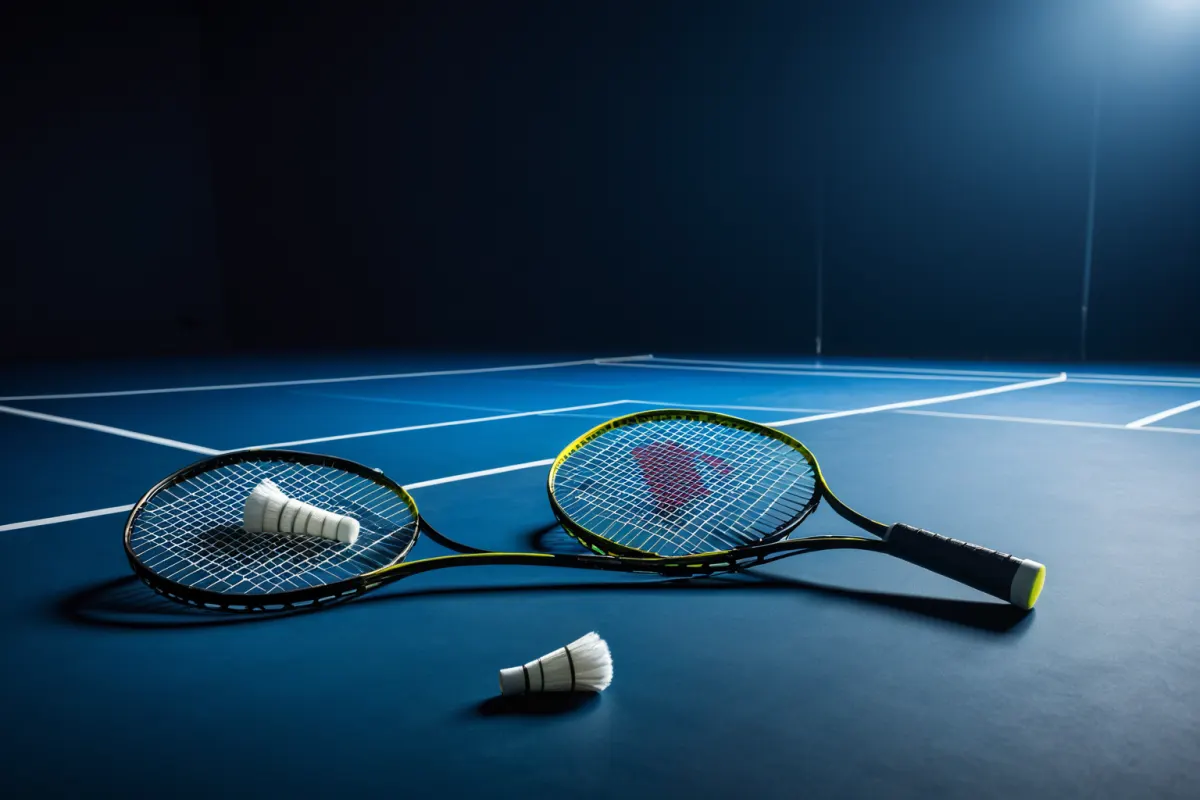
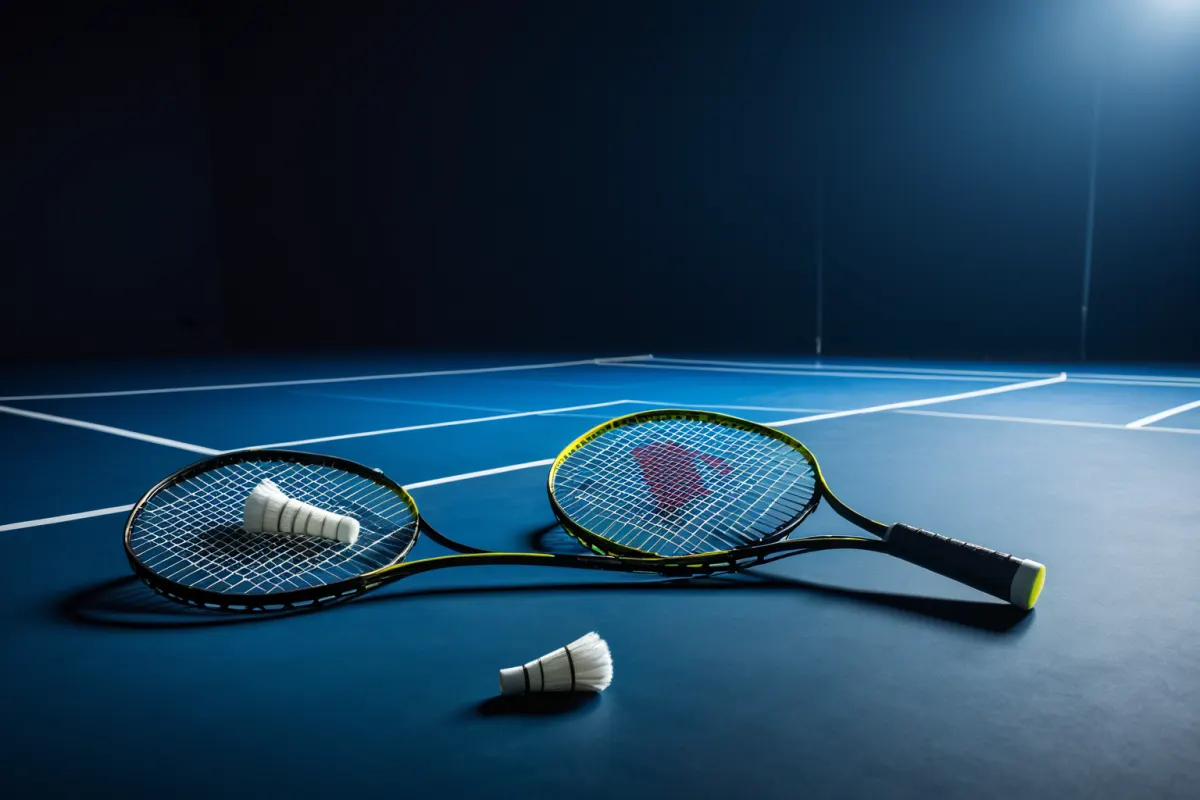
Yonex badminton rackets are best chosen based on whether you have less strength or prefer aggressive smashes. The key is not to go for expensive models, but to match weight, balance, shaft stiffness, and grip thickness to your playing style.
If you're buying for the first time, avoid rushing into advanced rackets without considering what kind of play you usually do. Your recommendation will vary depending on whether you focus more on defense, net play, or powerful backcourt smashes. Even within Yonex, different models can feel quite distinct.
Yonex Badminton Racket Selection Criteria
The first thing to check when looking at a racket is its weight. Typically, 4U is lighter, while 3U feels slightly heavier. Beginners often find 4U easier on the wrist, whereas those with stronger arms or who play more offensively might prefer 3U for better stability.
Next comes balance. Head-heavy rackets feel heavier at the head, which can help generate power, while head-light rackets allow faster swings and smoother defensive transitions. This difference may seem small in numbers but is very noticeable in practice—especially in longer rallies common in casual matches.
Shaft stiffness also matters. A softer shaft makes it easier to get a good rebound with less force, which beginners often appreciate, while a stiffer shaft provides more stability for players who can apply strong power. If you have weak wrists and use too stiff a racket, the shuttle might not fly well, leading to frustration.
You can find similar articles all in one place.
View Related ArticlesRecommended Combinations by Playing Style
If you play a lot of defense and drives, go for 4U + head-light + medium or softer stiffness. The lighter weight allows quicker reactions, making returns and pushes feel less strenuous. This setup also reduces errors during fast rallies.
For players who hit many backcourt smashes and aggressive attacks, choose 3U + head-heavy + medium or stiffer stiffness. The heavier feel at impact helps drive the shuttle deeper into the opponent's court. However, if you lack stamina, your arms may tire more quickly during longer matches.
In doubles where front-court play is frequent, power isn't always the best choice. Instead, try a balanced setup like 4U + medium balance + medium stiffness. This avoids overemphasis on one aspect and helps handle various situations smoothly.
Common Mistakes Beginners Make When Choosing
A common mistake is choosing a stiff racket simply because it's designed for advanced players. In reality, the shuttle may not lift well due to the heavy feel, causing larger swings without better control, and putting extra strain on your wrist. It's better to start by checking how easily you can swing the racket.
Another frequent error is setting string tension too high. Even if the racket feels good, overly tight strings reduce rebound, making it harder for beginners. Generally, focus first on finding a tension level where you feel stable and in control.
Ignoring grip thickness is also a problem. If the grip is too thin compared to your hand size, power leaks out; if it's too thick, your wrist can't turn smoothly. Many players end up dissatisfied due to grip discomfort rather than the racket itself.
Key Points to Check When Purchasing
If you can try rackets in-store, swing them around to see how they feel. Check if they move naturally without requiring large arm movements and whether you can switch quickly from defensive positions. Ultimately, comfort in your hand matters more than the brand name.
Here are some simple guidelines for your first choice:
- If your wrists are weak, start with lighter weight
- If you focus on smashes, check head-heavy options
- If you play a lot of defense and drives, consider head-light rackets
- Avoid overly stiff shafts as a beginner
- Adjust grip thickness to match your hand size
For example, if you play doubles twice a week in casual matches, a 4U, medium balance, and medium stiffness combination would be less tiring. Conversely, if you often take backcourt shots at school or club games, going for 3U, head-heavy, and medium to stiff stiffness might give you more satisfaction.
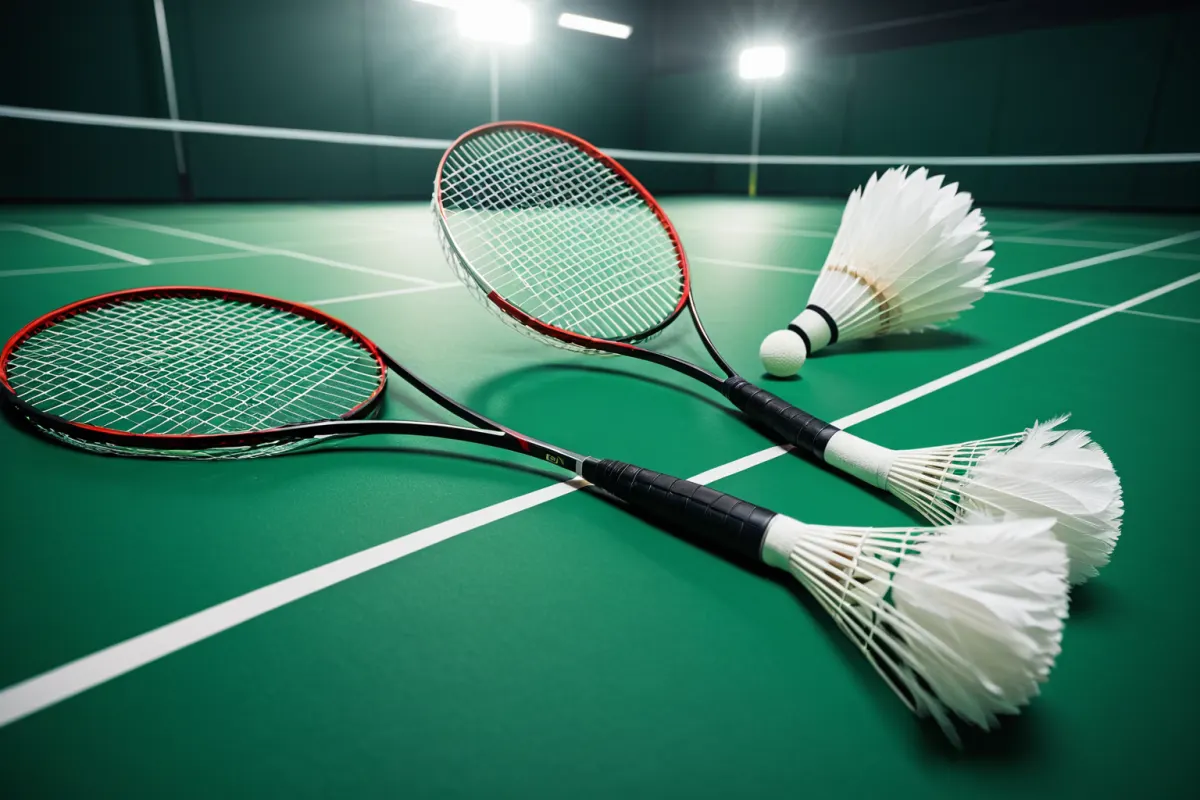
Complementary Badminton Gear to Pair with Your Racket
Choosing a good racket alone isn't enough. If your shoes don't match, your feet will tire quickly, affecting your control over the racket. Since badminton involves frequent stops and direction changes, shoe stability is more important than you might think.
You should also consider strings and grips. Even with the same racket, differences in string elasticity, tension, and grip condition can make it feel completely different. Players who frequently play on indoor courts like those at Badminton Lessons or Dongtan Badminton often realize that proper setup matters more than the equipment itself.
Trying out a friend's racket for a short time during casual games can also help. Since models within Yonex vary significantly in feel, even a quick swing with someone else’s racket can help you discover what suits your style better. If you're taking lessons, discussing your current swing style with a coach and asking for recommendations is another good approach.
Recommendations for Beginners and Intermediate Players
Beginners should focus on balanced rackets rather than overly aggressive specs. Having the shuttle lift well makes playing more enjoyable, and reduces strain while learning fundamentals. At this stage, a comfortable setup is more important than an expensive model.
Intermediate players should adjust based on their weaknesses. If your offense is weak, go for head-heavy rackets to add power; if defense lags, switch to lighter options. Players with some experience will notice that racket changes directly impact performance.
Those who pay attention to clothing and shoes as well as equipment often have a more complete setup. Instead of just changing the racket, consider balancing all aspects for greater satisfaction. After all, a racket works best when it fits your body and movement, not just shines on its own.
Last Check Before Buying
When choosing a Yonex badminton racket, think first about the situations where you most often struggle, such as weak defense, lack of power, or uncomfortable grip. The right choice depends on these factors.
Start with a moderate combination that fits your current skill level rather than trying to find the perfect model right away. You can upgrade later when your swing improves—there's no rush.
Consider indoor court conditions, regular lessons, and how often you play for more accurate choices. Yonex has a wide lineup, so even within the brand, there are many options. The most important thing is to find a setup that matches your playing style.
FAQ
Q1. Are Yonex rackets suitable for beginners right away?
A1. Yes, they can be used by beginners. However, lighter and more balanced combinations are generally more comfortable than heavier or stiffer models.
Q2. Which is better between 3U and 4U?
A2. There's no single answer—it depends on your style. 3U offers more power and stability for offensive play, while 4U provides faster reactions and comfort.
Q3. Can strings be more important than the racket itself?
A3. Yes. Even with the same racket, string tension and elasticity can greatly affect how it feels, so initial setup plays a significant role.
Keep in mind that Yonex models and specifications may change over time, so double-check the latest information and stock before purchasing.
Check out more articles on similar topics.
View Category ArticlesFAQ
Are Yonex rackets suitable for beginners right away?
Yes, they can be used by beginners. However, lighter and more balanced combinations are generally more comfortable than heavier or stiffer models.
Which is better between 3U and 4U?
There's no single answer—it depends on your style. 3U offers more power and stability for offensive play, while 4U provides faster reactions and comfort.
Can strings be more important than the racket itself?
Yes. Even with the same racket, string tension and elasticity can greatly affect how it feels, so initial setup plays a significant role.
Korean Source
This article is an English localization of a Korean-language report from BlogScore. Original: 요넥스 배드민턴 라켓 선택 가이드와 추천 조합