
Yeongdeungpo Ammonia Leak Incident: Current Status and Response Measures
When the Yeongdeungpo Ammonia Leak Occurred and Current Status
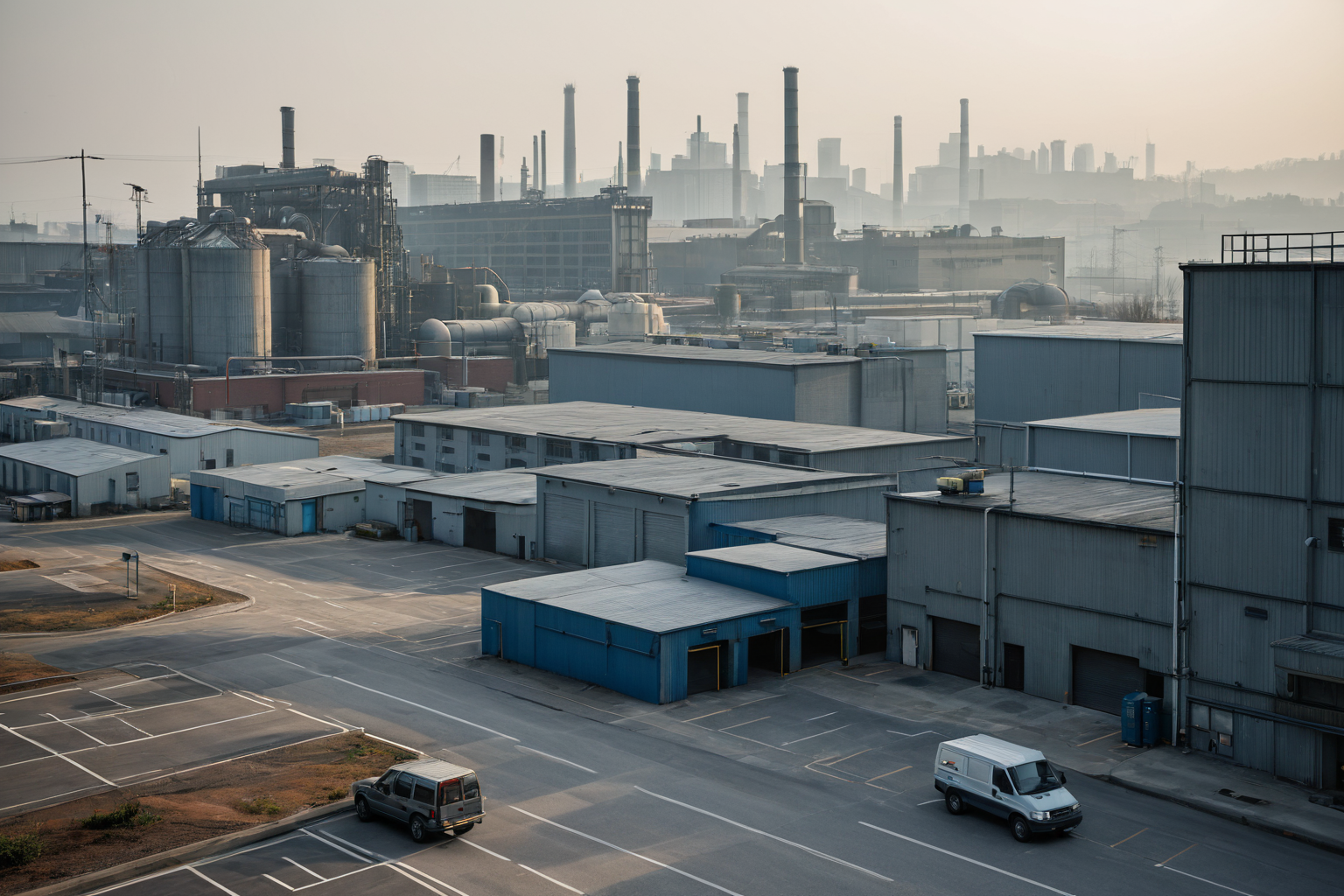
On August 21, 2026, an ammonia leak occurred at Lotte Wellfood's Yeongdeungpo plant. Forty-one workers inside the facility evacuated on their own without any casualties. According to reports, ammonia gas spread around the factory area but was contained through immediate evacuation measures.
Cause of the Incident: Neglected Aging Pipes
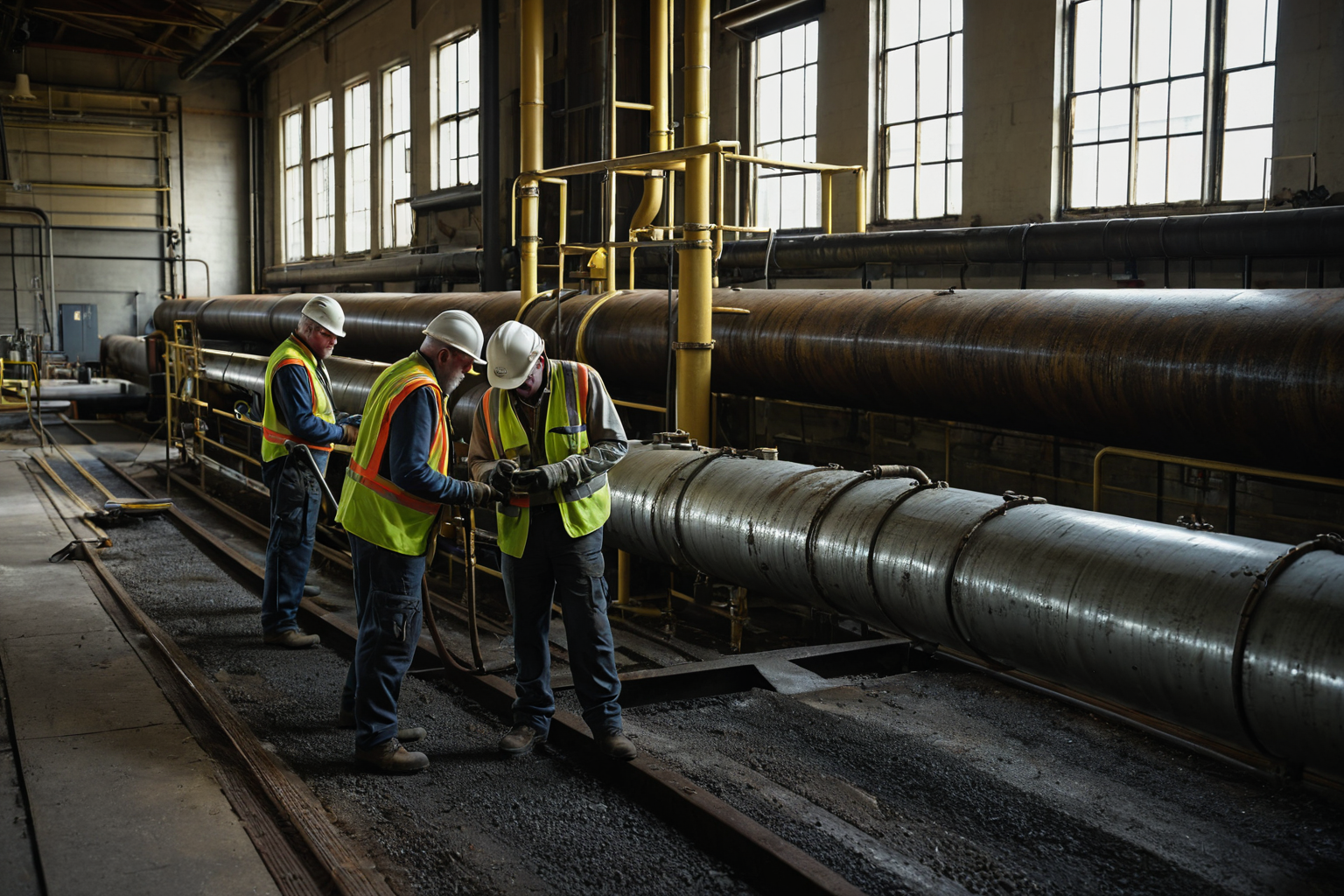
The direct cause of the incident has been confirmed as a leak from pipes installed 57 years ago. Lotte Wellfood issued an official apology, stating that the issue resulted from "negligence in managing aging facilities." This case highlights a common problem many companies face with outdated infrastructure management.
Incident Details: Evacuation and Official Statement
The incident is estimated to have occurred around 7 a.m. on August 21, 2026. Upon detecting the ammonia leak inside the facility, immediate evacuation began, with all 41 workers evacuating on their own. While no casualties were reported, gas odors spread around the factory area, causing concern among residents.
Lotte Wellfood promptly issued an official apology statement, promising to implement measures to prevent recurrence and conduct a comprehensive review of its safety management system. The statement emphasized corporate social responsibility.
Yeongdeungpo District Office Response and Safety Management
The Yeongdeungpo District Office stated that gas measurements outside the facility were not possible, citing the internal structure and characteristics of the plant as reasons for difficulty in preventing external spread. The office announced plans to conduct further investigations and safety inspections but has yet to provide specific details on response measures.
Prevention Measures and Corporate Responsibility
Lotte Wellfood has outlined several concrete steps to prevent recurrence, including replacing aging pipes and conducting a comprehensive review of its safety management system. The company also plans to strengthen employee safety training and implement regular facility inspections.
This incident serves as a reminder that proper safety management in industrial settings is critical. Companies must not only focus on productivity but also take responsibility for the safety of employees and the local community.
Location and Surrounding Conditions
Lotte Wellfood's Yeongdeungpo plant is located in Yangpyeong-gu, Seoul. Local residents and workers have expressed concerns about the facility's safety following the incident. While nearby businesses and residents reported anxiety over gas odors, no further damage occurred.
Response Measures and Safety Management System
Lotte Wellfood's response can be summarized in three key points: first, improving facilities through replacing aging pipes; second, strengthening regular safety inspections and employee training; third, working to rebuild trust with the local community through communication. This approach has been viewed as a balanced effort addressing both prevention of recurrence and corporate social responsibility.
A comprehensive review of the safety management system is expected to be completed by mid-September 2026. During this process, external experts will assist in conducting an overall evaluation of facilities and operations. Results will be made public to help alleviate concerns among residents and employees.
International Safety Management Examples
This incident reflects broader safety management issues in domestic industrial settings, though similar cases have occurred globally. For example, following a chemical plant leak in the U.S. in 2019, the government strengthened safety standards and mandated regular inspections. Similarly, South Korea has been gradually strengthening industrial safety regulations.
In 2023, amendments to the Industrial Safety and Health Act clarified corporate responsibility for managing aging facilities, requiring companies to conduct regular inspections and reports. Lotte Wellfood's case demonstrates how these legal requirements are being applied in practice.
Community Response and Communication
After the incident, local residents expressed concerns about factory safety. Community representatives requested meetings with the district office to urge enhanced environmental monitoring around the facility. This highlights the growing importance of communication between businesses and communities following such incidents.
To address these concerns, Lotte Wellfood plans to host safety education seminars for local residents. This initiative is seen as an important first step toward rebuilding trust between the company and the community.
Future Schedule and Expected Changes
Lotte Wellfood's comprehensive safety management review is scheduled for completion by mid-September 2026, after which the company plans to implement regular safety inspections. Pipe replacement work is expected to be completed by the first half of 2027, though additional costs are anticipated.
The Yeongdeungpo District Office plans to strengthen safety inspections of industrial facilities in the area following this incident. Specifically, they will conduct quarterly safety inspections starting from the second half of 2026 and work with companies to improve safety management systems through collaboration.
What Readers Should Note: Post-Incident Response and Future Plans
Lotte Wellfood issued an official apology statement and outlined prevention measures after the incident. Readers can assess how quickly these actions were taken and the specific details of the comprehensive safety management review.
The district office's explanation about being unable to measure gas outside the facility is also noteworthy. This highlights challenges in external monitoring due to plant structure, suggesting that collaboration between companies and government is needed to improve safety management systems.
Frequently Asked Questions
Were there any casualties from the incident?
No casualties were reported; all 41 workers evacuated on their own.
What was the cause of the leak?
The leak was confirmed to be caused by aging pipes installed 57 years ago.
What prevention measures has Lotte Wellfood implemented?
Measures include replacing aging pipes, conducting a comprehensive review of safety management systems, and strengthening employee safety training.
Conclusion: The Importance of Safety Management in Industrial Settings
The Yeongdeungpo ammonia leak incident demonstrated the consequences of inadequate aging facility management by a company. Following this incident, all companies should strengthen their facility inspections and safety management systems. Building trust with local communities through communication is also important.
Going forward, corporate social responsibility and safety management will be increasingly emphasized. This goes beyond merely complying with legal regulations to ensuring actual safety protection—a necessary step for the current era.
You can view similar articles on this topic in one place.
View Related ArticlesFAQ
Were there any casualties from the incident?
No casualties were reported; all 41 workers evacuated on their own.
What was the cause of the leak?
The leak was confirmed to be caused by aging pipes installed 57 years ago.
What prevention measures has Lotte Wellfood implemented?
Measures include replacing aging pipes, conducting a comprehensive review of safety management systems, and strengthening employee safety training.
Korean Source
This article is an English localization of a Korean-language report from BlogScore. Original: 영등포 암모니아 누출 사고 현황과 대응 방안