
The Yasukuni Shrine Visit Issue and South Korea's Response Strategy
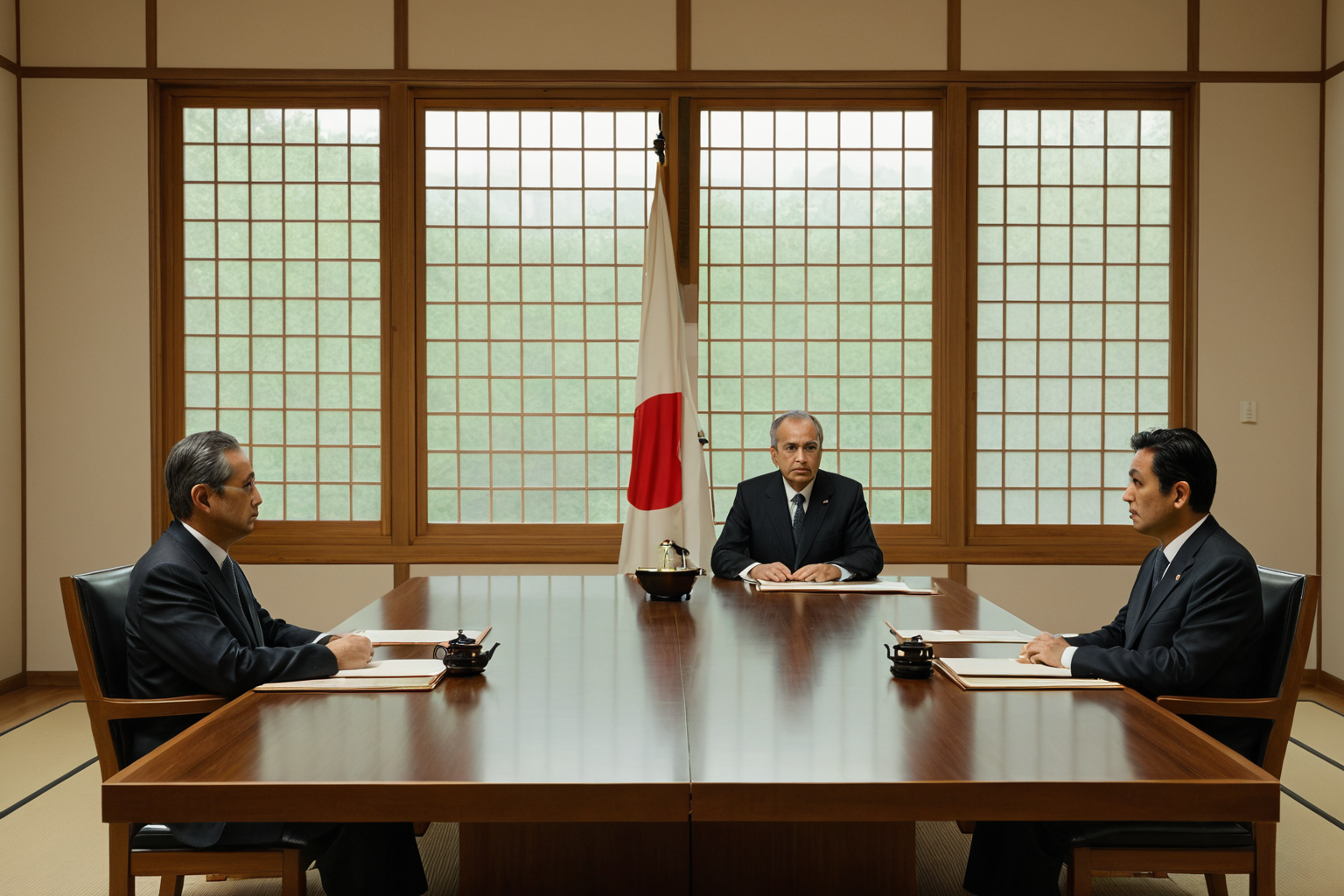
Historical Background of the Yasukuni Shrine Visit Issue
The South Korean government has strongly condemned Japan's visits to the Yasukuni Shrine. In October 2023, following Japan's offering of a memorial gift and a joint visit by 96 Japanese lawmakers, the South Korean government summoned the chief of Japan's diplomatic mission in Seoul and conducted simultaneous diplomatic and defense-level consultations, demonstrating firm opposition. This underscores that genuine historical accountability is essential for improving Japan-South Korea relations.

Main Conflict Factors in Japan-South Korea Relations
Visits to the Yasukuni Shrine have become a core point of contention in Japan-South Korea relations, reflecting South Korea's strong stance against Japan's attitude toward historical issues. In 2026, Prime Minister candidate Takaichi decided not to visit the shrine on the anniversary of the end of World War II but instead offered a memorial gift to minimize diplomatic tensions. The South Korean government emphasized that 'genuine reflection is the foundation for future-oriented Japan-South Korea relations,' reinforcing that sincere historical accountability is necessary for improving bilateral ties.
Recent Incident Details
On October 17, 2023, after reports emerged that the Japanese government had offered a memorial gift to Yasukuni Shrine, South Korea expressed 'deep disappointment and regret' and summoned relevant Japanese officials for direct protests. At the same time, it was reported that 96 Japanese lawmakers conducted a joint visit to the shrine. In response, South Korea implemented simultaneous diplomatic and defense-level consultations, labeling the act as an outdated practice.
In August 2026, on the anniversary of the end of World War II (August 15), Prime Minister candidate Takaichi reportedly refrained from visiting Yasukuni Shrine but opted for a memorial gift to minimize diplomatic tensions. This is seen as Japan's attempt to approach historical issues cautiously, and South Korea reiterated that 'genuine reflection is the foundation for future-oriented Japan-South Korea relations.'
Historical Incidents and Responses
In August 2006, former Prime Minister Koizumi visited Yasukuni Shrine, leading to heightened tensions among Japan, South Korea, and China. Both South Korea and China strongly protested the visit, marking a significant turning point in Japan-South Korea relations.
On October 18, 2023, reports indicated that Japan responded to South Korea's proactive measures for improving bilateral relations with a group shrine visit by Japanese lawmakers, demonstrating how both nations remain highly sensitive to historical issues.
Prime Minister Candidate Takaichi's Position
Takaichi Sanae is emerging as a leading candidate for Japan's first female prime minister. She has warned that visits to Yasukuni Shrine could harm Japan-South Korea relations and has claimed that Dokdo (Liancourt Rocks) belongs to Japan under historical and international law. Her stance reflects Japan's hardline position on historical issues, which could significantly impact efforts to improve bilateral ties.
On October 4, 2025, Takaichi Sanae was reported to have warned about the potential damage to Japan-South Korea relations from Yasukuni Shrine visits as she gained prominence as Japan's first female prime minister candidate. This is interpreted as an anticipation of how shifts in Japan's historical perspective might affect bilateral relations.
South Korea's Response Approach
The South Korean government has condemned Japan's Yasukuni Shrine visits and summoned the chief of Japan's diplomatic mission in Seoul for official responses. It also emphasized that 'genuine reflection is the foundation for future-oriented Japan-South Korea relations' regarding Japanese ministers' shrine visits.
After reports on October 17, 2023, about Japan offering a memorial gift to Yasukuni Shrine, South Korea expressed 'deep disappointment and regret' and directly summoned relevant officials to protest. This exemplifies South Korea's firm stance on historical issues.
The joint visit by 96 Japanese lawmakers to Yasukuni Shrine was reported on October 18, 2023. In response, South Korea conducted simultaneous diplomatic and defense-level consultations, characterizing the act as an outdated practice.
South Korea reportedly chose not to respond to Japan's Sado Mine issue, highlighting a differentiated approach in addressing historical issues compared to the Yasukuni Shrine matter.
The 2026 decision by Prime Minister candidate Takaichi to refrain from visiting Yasukuni Shrine on the anniversary of World War II's end is interpreted as Japan's cautious approach to historical issues and has been viewed as a first step toward improving Japan-South Korea relations.
Verification and Response Information
The South Korean government continues to strongly condemn Japan's Yasukuni Shrine visits, considering the historical context and recent Japanese actions. In response to reports of a joint visit by 96 Japanese lawmakers and the memorial gift offered on October 17, 2023, South Korea summoned the chief of Japan's diplomatic mission in Seoul and conducted simultaneous diplomatic and defense-level consultations.
On October 25, 2025, Japanese media reported that if a future prime minister were to provoke historical issues, it could complicate Japan-South Korea relations. This serves as a warning about how changes in Japan's political environment might affect bilateral ties.
Takaichi Sanae's claim regarding Dokdo has the potential to deepen Japan's historical perception issues and could become an important factor in resolving historical disputes between the two nations.
Information to Verify
To confirm Prime Minister candidate Takaichi's specific stance on Yasukuni Shrine visits, it is necessary to monitor official Japanese government announcements and related media reports. Additionally, South Korea may have taken further measures in response to Japan's handling of historical issues.
The 2026 decision by Prime Minister candidate Takaichi not to visit Yasukuni Shrine on the anniversary of World War II's end is interpreted as a strategy to minimize diplomatic tensions, and further information can be found in official Japanese government announcements and media coverage.
South Korea's choice not to respond to Japan's Sado Mine issue compared to its strong response to the Yasukuni Shrine matter appears to result from a complex interplay of historical context and political judgment.
Frequently Asked Questions
Why does South Korea strongly respond to Japan's Yasukuni Shrine visits?
South Korea views visits to the Yasukuni Shrine as an insincere attitude toward historical issues, which it considers a hindrance to improving bilateral relations.
What is the significance of Prime Minister candidate Takaichi's claim about Dokdo?
Her claim regarding Dokdo could deepen Japan's historical perception issues and serve as an additional challenge for resolving historical disputes between the two nations.
Why did Prime Minister candidate Takaichi refrain from visiting Yasukuni Shrine on the anniversary of World War II's end in 2026?
Takaichi reportedly refrained from the visit to minimize diplomatic tensions and as part of a strategy for improving Japan-South Korea relations.
Frequently Asked Questions
The Yasukuni Shrine visit issue remains a central point of conflict in Japan-South Korea relations, with Japan's attitude toward historical issues significantly impacting bilateral ties. Recent developments include Japanese prime minister candidates considering visits to the shrine, causing tension between the two nations. South Korea continues to demand genuine reflection and a sincere approach as essential for improving relations. The 2026 decision by Prime Minister candidate Takaichi to refrain from visiting Yasukuni Shrine on the anniversary of World War II's end is seen as a strategic move to minimize diplomatic tensions and has been viewed as an initial step toward better bilateral ties. This incident reaffirms that sincere historical accountability by Japan is crucial for improving Japan-South Korea relations.
You can view similar articles all at once.
View Related ArticlesFAQ
Why does South Korea strongly respond to Japan's Yasukuni Shrine visits?
South Korea views visits to the Yasukuni Shrine as an insincere attitude toward historical issues, which it considers a hindrance to improving bilateral relations.
What is the significance of Prime Minister candidate Takaichi's claim about Dokdo?
Her claim regarding Dokdo could deepen Japan's historical perception issues and serve as an additional challenge for resolving historical disputes between the two nations.
Why did Prime Minister candidate Takaichi refrain from visiting Yasukuni Shrine on the anniversary of World War II's end in 2026?
Takaichi reportedly refrained from the visit to minimize diplomatic tensions and as part of a strategy for improving Japan-South Korea relations.
Korean Source
This article is an English localization of a Korean-language report from BlogScore. Original: 야스쿠니 신사 참배 문제와 한국 정부의 대응 방안