
Yangju Textile Factory Fire: Causes and Initial Response
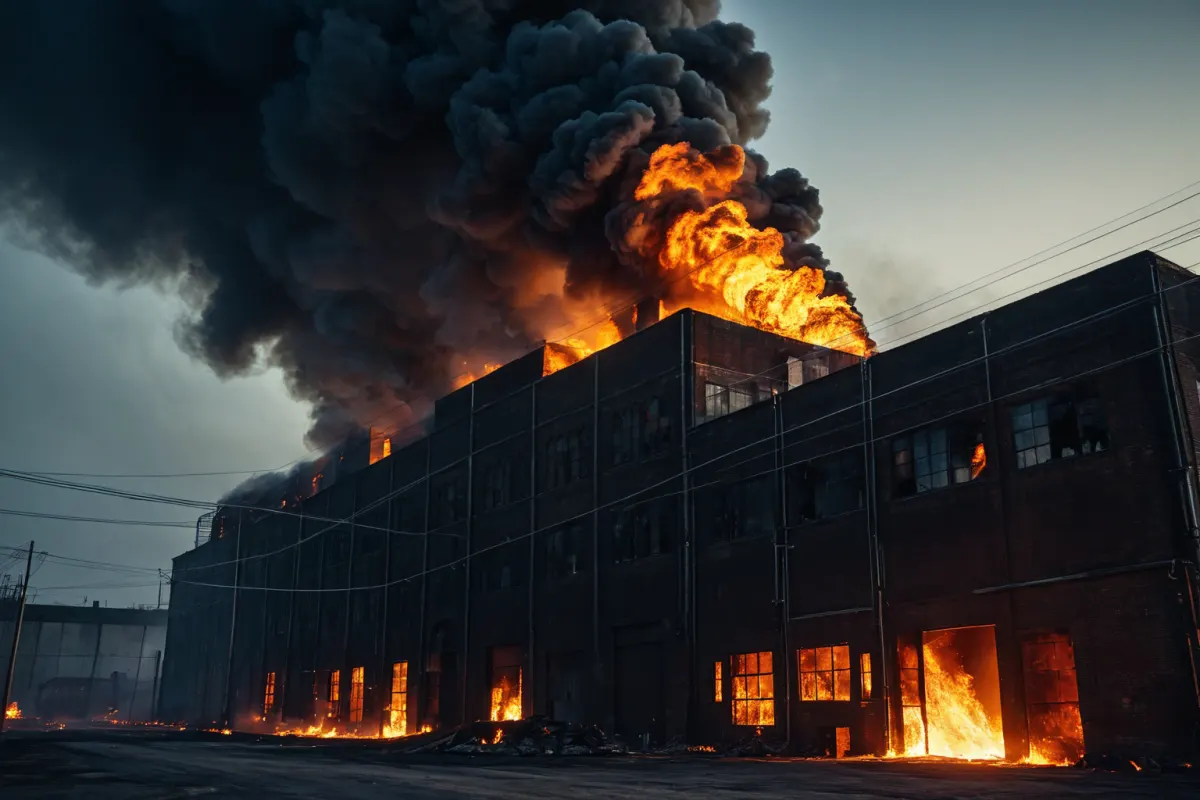
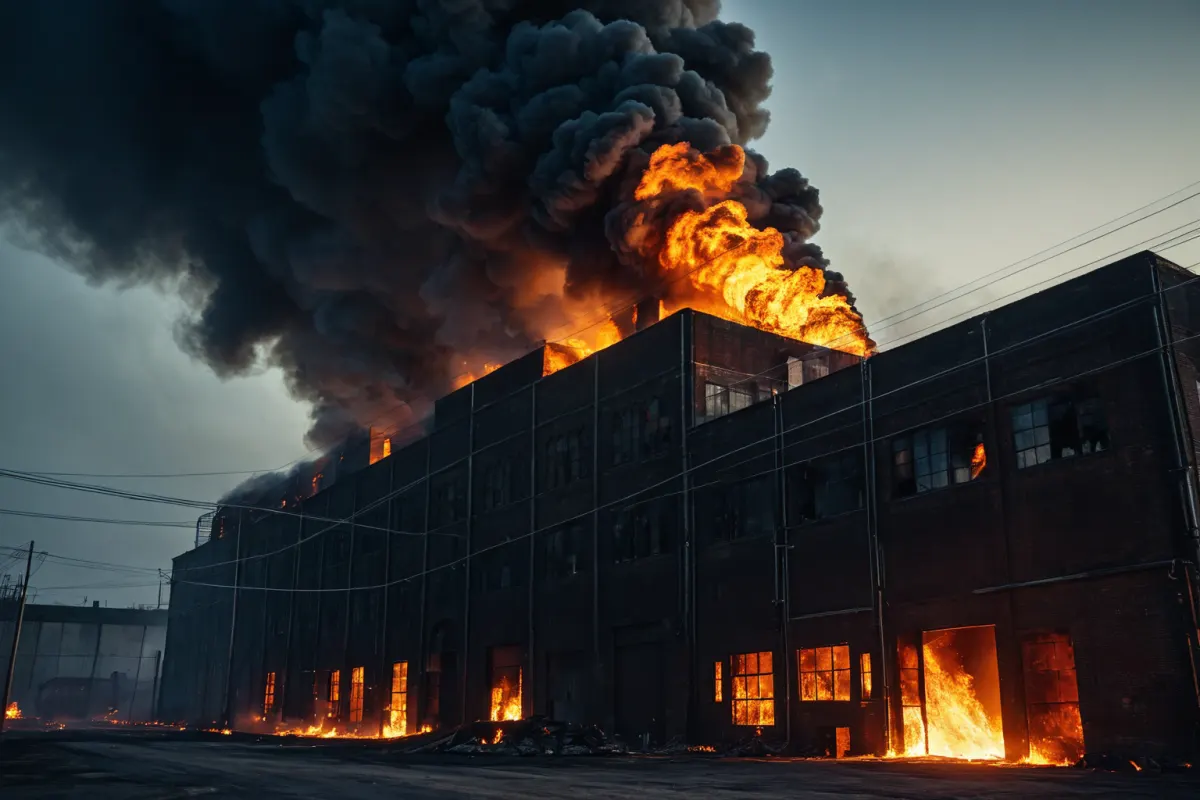
The Yangju textile factory fire once again demonstrated how easily flames can spread rapidly when flammable materials and dense equipment are stacked inside a facility. Early firefighting efforts were heavily influenced by site accessibility and the speed of smoke dispersion, with many industrial fires being significantly impacted by responses in the first few minutes.
Why This Incident Gained Attention
Textile factories often contain highly flammable materials like fabric rolls, thread, and packaging—making even small sparks potentially catastrophic. The Yangju incident was seen as a clear example of these inherent structural risks materializing simultaneously.
Many factory buildings also serve dual purposes, including storage space, resulting in large quantities of stacked materials inside. Once ignited, heat and smoke build up quickly, making the public's primary questions center around "Why did it spread so fast?" and "Could initial firefighting have prevented this?"
You can view similar articles on this topic in one place.
View Related ArticlesKey Factors in Initial Firefighting
The critical moment for firefighting comes immediately after a fire starts. How quickly extinguishers and indoor hydrants can be used, along with how rapidly firefighters gain entry, are vital factors. The larger and more complex the facility interior, the harder initial response becomes.
Textiles may appear to smolder from the surface but retain internal heat that can reignite. Therefore, merely putting out visible flames isn't enough—residual embers must be cleared while preventing further combustion.
For example, if a worker notices electrical equipment issues near fabric stacks, they should immediately cut power, evacuate, and only use an extinguisher if safe to do so. If smoke has already blocked corridors or exits, evacuation and calling for help take priority over attempting entry.
Potential Causes Under Discussion
While the exact cause remains under investigation, textile factories commonly face risks from electrical issues, stray sparks during work, machinery overheating, and improper storage of materials. When these factors combine, even minor incidents can escalate quickly.
Additionally, narrow corridors or excessive stacking inside facilities can hinder fire equipment access. Delayed initial response allows fires to spread upward through ceilings, making later entry extremely dangerous due to intense heat.
Similar past cases have identified issues like damaged wire insulation, poor electrical connections, and accumulated dust and fibers as common causes. Textile factories are particularly vulnerable to fire risks based on maintenance conditions.
Important Aspects of On-Site Response
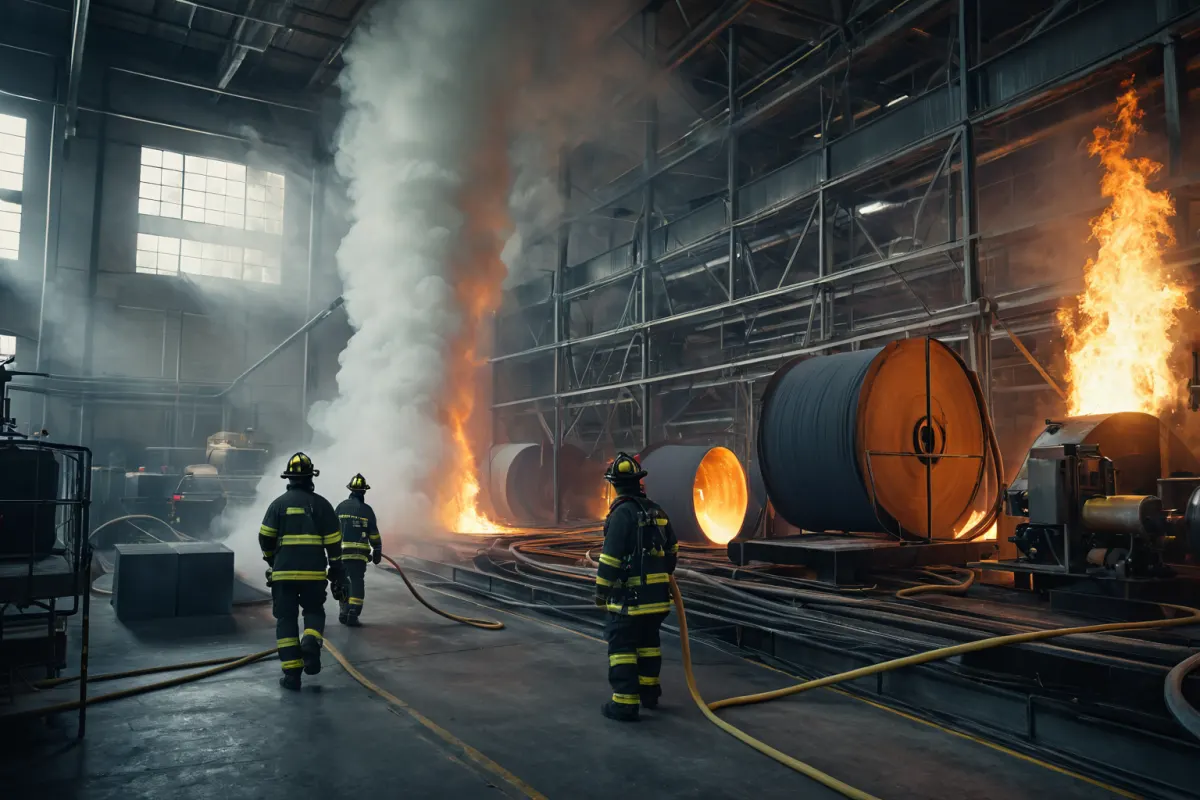
During industrial fires, both rescuing people and preventing fire spread must happen simultaneously. First, confirm all personnel have evacuated safely; then establish protective barriers to prevent flames from spreading to nearby buildings or storage areas.
In cases with heavy smoke like the Yangju incident, respiratory protection becomes especially critical. Smoke can obstruct vision and contain toxic components, so personnel should not enter without proper equipment.
For residents watching from outside, it's frustrating when fires don't appear to be extinguished quickly—industrial fires are often larger in scale with deeper interiors than residential fires, making simple firefighting difficult. In many cases, hidden heat and embers inside the building pose greater challenges than visible flames.
Common Patterns in Similar Incidents
Textile facility fires can occur year-round but become riskier during dry conditions, extended operations, or increased electrical usage. When workloads increase, inspections often become less thorough—a common point of criticism.
Another pattern is that initial assumptions about causes spread quickly after an incident, but the actual cause only becomes clear after official investigations and documentation are reviewed. Relying solely on early witness accounts can lead to misunderstandings.
For example, a claim like "the fire started at a power outlet" might be common, but the real source could have been nearby flammable materials igniting first. Therefore, it's important to distinguish between initial observations and official findings when reviewing such incidents.
Management Practices to Reduce Factory Fires
For facilities with high volumes of combustible materials like textile factories, routine inspections are crucial. Proper management of electrical wiring, distribution panel overheating, extinguisher expiration dates, and unobstructed evacuation routes can significantly reduce risks.
Workers should avoid dismissing small warning signs like unusual smells, repeated circuit breaker trips, or changes in machine noise—they could indicate potential fire hazards.
Simple management checks include adjusting fabric stack heights, clearing items near exits, inspecting unmanned nighttime operations areas, and assigning fire monitors during welding work. These basic practices directly contribute to preventing fires.
Important Considerations When Checking Information
It's best to focus on confirmed facts rather than sensationalized speculation when reviewing incidents. Fire causes, damage extent, and response processes can evolve as investigations continue or new information emerges.
For recent events like the Yangju textile factory fire, details may change as investigations progress, so it's advisable to check both current news reports and official agency announcements for updates.
FAQ
Q1. Has the cause of the Yangju textile factory fire been confirmed?
No, it remains under investigation. The exact cause will be determined after on-site inspections and review of related records.
Q2. Why is early firefighting so critical?
Textiles burn quickly and reignite easily, meaning fires can escalate rapidly if not addressed immediately in the initial phase.
Q3. What should be checked first to prevent factory fires?
Start with electrical systems, extinguisher status, unobstructed evacuation routes, and storage conditions of flammable materials.
Note: This article is based on publicly available information and standard industrial fire response principles. The exact cause, damage extent, and firefighting process may vary depending on investigation results and updated reports.
Continue exploring similar topics.
View Category ArticlesFAQ
Q1. Has the cause of the Yangju textile factory fire been confirmed?
No, it remains under investigation. The exact cause will be determined after on-site inspections and review of related records.
Q2. Why is early firefighting so critical?
Textiles burn quickly and reignite easily, meaning fires can escalate rapidly if not addressed immediately in the initial phase.
Q3. What should be checked first to prevent factory fires?
Start with electrical systems, extinguisher status, unobstructed evacuation routes, and storage conditions of flammable materials.
Korean Source
This article is an English localization of a Korean-language report from BlogScore. Original: 양주섬유공장화재 원인과 초기 진압 상황