
Yangji Village Redevelopment: Understanding Trust, Consortium, and Integrated Approaches at a Glance
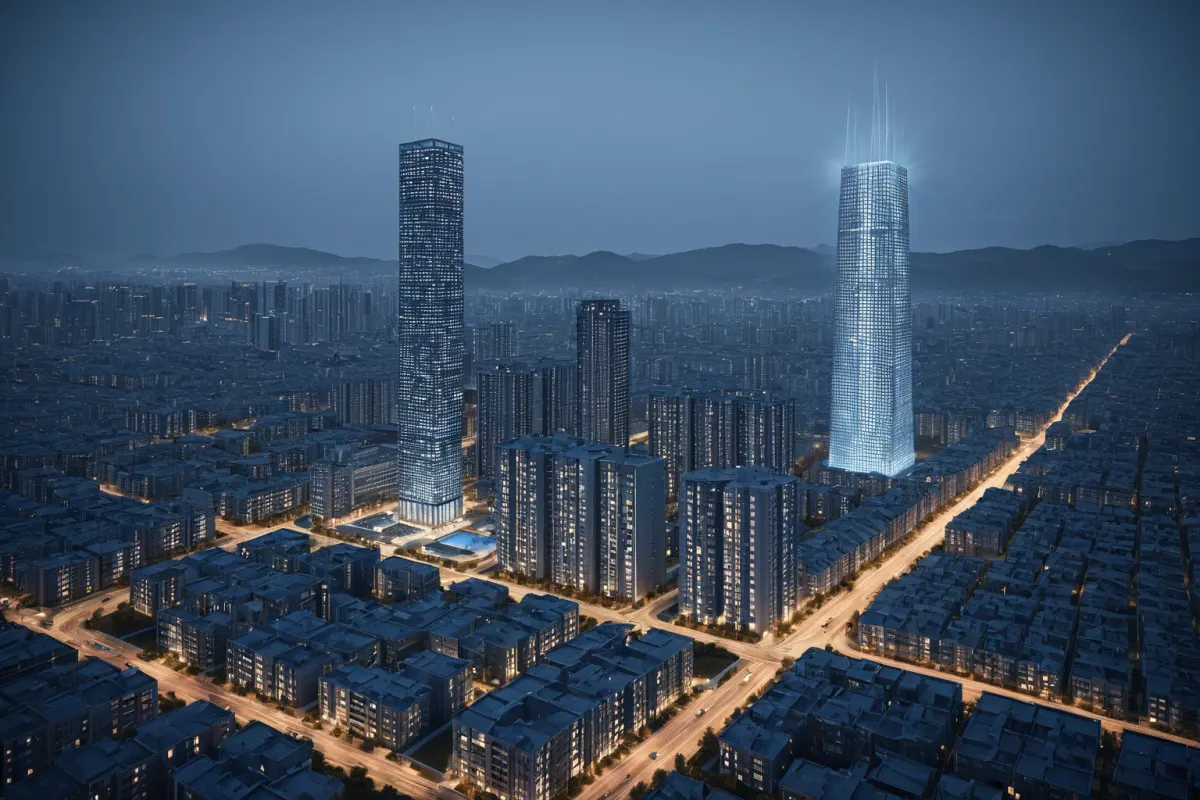
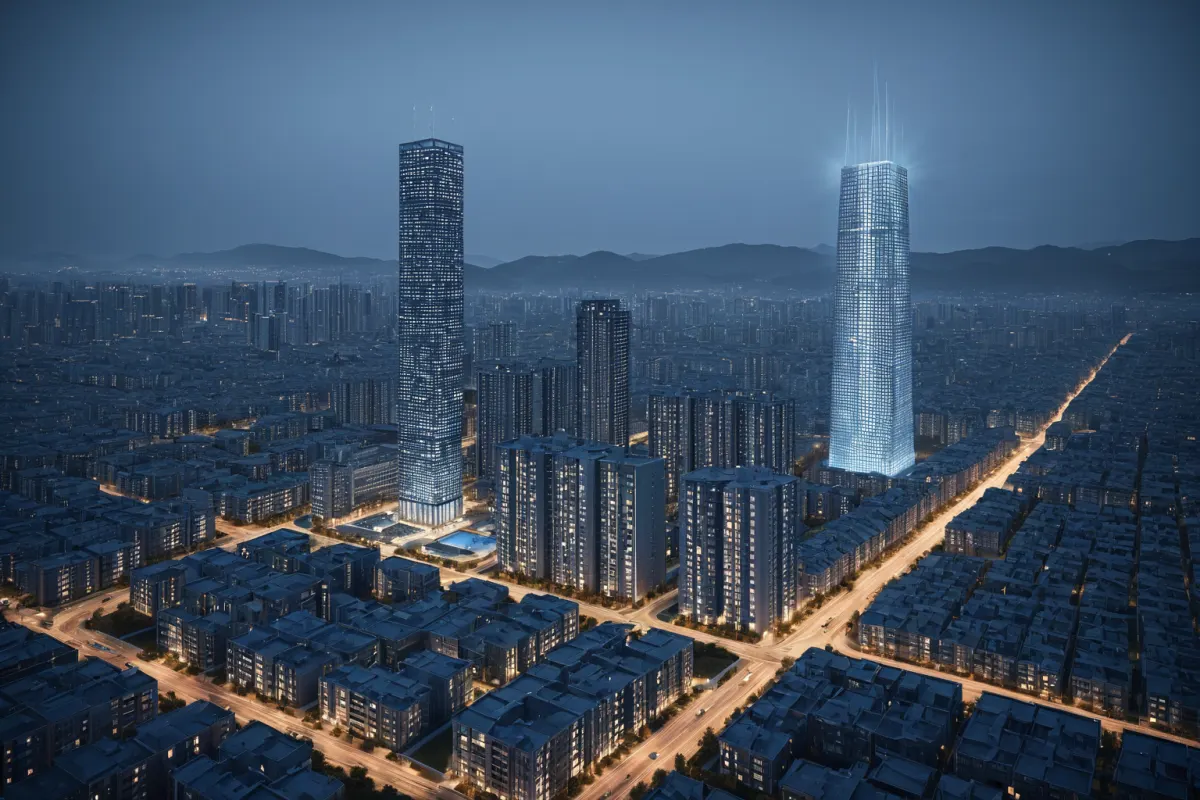
The Yangji Village redevelopment is currently a focal point for debate over whether it will proceed through a trust-based model, a consortium approach, or an integrated redevelopment plan combining multiple sections. In short, the core issue isn't just about which method is faster—it's about how well the owners' consent, project viability, and inter-complex interests can be aligned.
Especially in areas like Yangji Village with multiple complexes and district-level intricacies, a clear resolution isn’t straightforward. Therefore, instead of focusing on "when construction will begin," it’s more important to assess where the process currently stands and which approach is most realistic.
Key Issues in Yangji Village Redevelopment
When examining Yangji Village redevelopment, the first thing to confirm is whether it’s a single-complex project or an integrated redevelopment. When different sections like Geumho 1 Complex, HanYang Apartments, and Complex 5 are mentioned together, their ownership structures and consent rates may vary, leading to differing timelines.
Another critical factor is the redevelopment model. The consortium approach allows for stronger resident-led initiatives but can be time-consuming. The trust-based model relies on professional management by a trust company, though it requires careful evaluation of fees and the scope of responsibilities. For owners, who leads the project directly impacts cost-sharing and timelines.
You can find more articles on similar topics here.
View Related ArticlesWhy the Trust Model Is Often Discussed
The trust-based model involves a trust company managing the redevelopment process. For residents unfamiliar with redevelopment, this structure can help avoid confusion during consortium establishment.
However, the trust model isn’t necessarily faster. It still requires securing consent rates, clarifying property rights, and reviewing project viability—so poor initial planning could even delay progress. For example, some complexes have stalled due to negotiations over trust company terms.
When considering a trust-based approach, it’s essential to verify the following:
- The scope of responsibilities for the trust company
- How fees and costs are divided
- Whether mid-process termination or changes are possible
- The structure of resident decision-making
Why Consortium Establishment Takes Time
Establishing a consortium isn’t just about naming it—it involves securing owner consent rates, forming an executive committee, and clarifying land and building ownership relationships, which takes more time than expected.
In cases like Yangji Village with multiple interconnected complexes, the process becomes even more complex. For instance, if one section has sufficient consent but another lags due to internal disagreements, the entire timeline can be delayed. This is why residents often ask, "Can our section proceed first?"—but the answer depends on whether integration is planned.
A simple way for beginners to verify progress: Check your ownership status via property records and carefully review consent forms provided by management offices or project leads. Signing without understanding these details can lead to confusion later regarding cost-sharing or unit allocation.
Why Integrated Redevelopment Is Gaining Attention

Integrated redevelopment combines adjacent complexes into a single project. For large-scale areas like Yangji Village with overlapping living zones, integration often offers advantages in maximizing floor area ratio and improving project viability.
However, integration isn’t without challenges. Differences in building size, age, views, and existing lifestyle patterns can raise questions about fairness: "Is it truly equitable for all complexes to join?" As a result, integrated redevelopment often struggles to gain momentum solely based on perceived benefits—it requires extensive resident persuasion over time.
For example, if Complex A primarily has low-rise buildings while Complex B features larger units, the distribution of new apartments and unit types will differ. These differences directly impact cost-sharing, making them a sensitive issue during integration discussions.
How Cost-Sharing Varies
A commonly searched term in Yangji Village redevelopment is "cost-sharing." Essentially, this refers to the additional amount you pay to receive your new apartment, factoring in construction costs, project expenses, financing fees, sales revenue from unsold units, and the value of existing properties.
Even if two units appear similar in size, differences in floor level, orientation, land ownership, and current condition can affect valuation. Thus, even within the same complex, expected cost-sharing amounts may vary. This is why residents often question, "Why do I pay more than my neighbor who has a comparable unit?"
When reviewing cost-sharing figures, it’s better to consider both the difference between existing property value and additional costs, rather than just the sale price. To avoid unexpected financial burdens later, it’s wise to examine these conditions in detail during initial meetings instead of relying solely on estimated figures provided.
Frequent Confusions in Real Cases
Common misunderstandings arise in redevelopment projects like Yangji Village:
- Online information may differ from official notices for the complex.
- Even if sections share a name, their legal boundaries might be separate.
- Residents often assume timelines based on unconfirmed plans.
When multiple complexes are mentioned together, it’s important to distinguish whether a specific section is leading the process, trust company reviews are underway, or the project is still in early stages. Without this distinction, you might miss that no concrete decisions have been made despite abundant information.
The most practical verification steps are: Check complex-specific notices → Confirm consent rate details → Verify changes in project leads → Determine integration status. Following these steps reduces confusion and reliance on unverified rumors.
What Interested Parties Should Monitor Now
If you’re waiting for Yangji Village redevelopment to proceed, start by clarifying what rights you hold. The required actions differ depending on whether you’re an owner, tenant, or potential buyer.
Owners should review consent forms and cost-sharing structures first. Potential buyers need to assess the risk of project delays and how property valuation will be determined. Tenants must separately consider relocation schedules and compensation terms. Redevelopment is not a one-size-fits-all issue—it’s experienced differently based on your position.
If you’re considering investment or purchase, don’t just observe community mood; also check project phase, leading entity, integration potential, and relocation risks. Even within Yangji Village, different sections may progress at varying speeds, so relying on a single article for decision-making can be risky.
FAQ
Q1. Is the trust-based or consortium model more advantageous for Yangji Village redevelopment?
A. It’s difficult to compare directly. The choice depends on complex size, consent rates, resident participation, and project feasibility. Even with a desire for speed, lack of consensus can delay the trust-based approach just as much as an underprepared consortium.
Q2. Will Yangji Village’s integrated redevelopment proceed without issue?
A. No. Integration requires aligning interests across multiple complexes, which often extends negotiation periods. Decisions cannot be made by one section alone, so progress must be tracked per zone.
Q3. When can approximate cost-sharing amounts be determined?
A. Typically only after the project phase advances sufficiently. Early estimates have high variability and low accuracy; more precise figures emerge once consent rates and feasibility are confirmed.
The Yangji Village redevelopment is less about "when new apartments will appear" and more about who leads the project, how complexes are integrated, and how cost-sharing is calculated. For the latest updates, check complex-specific notices and related news reports.
Explore more articles on similar topics.
View Category ArticlesFAQ
Is the trust-based or consortium model more advantageous for Yangji Village redevelopment?
It’s difficult to compare directly. The choice depends on complex size, consent rates, resident participation, and project feasibility. Even with a desire for speed, lack of consensus can delay the trust-based approach just as much as an underprepared consortium.
Will Yangji Village’s integrated redevelopment proceed without issue?
No. Integration requires aligning interests across multiple complexes, which often extends negotiation periods. Decisions cannot be made by one section alone, so progress must be tracked per zone.
When can approximate cost-sharing amounts be determined?
Typically only after the project phase advances sufficiently. Early estimates have high variability and low accuracy; more precise figures emerge once consent rates and feasibility are confirmed.
Korean Source
This article is an English localization of a Korean-language report from BlogScore. Original: 양지마을 재건축, 신탁·조합·통합 절차 한눈에