
Xi Jinping's U.S. Visit: First Summit with Trump After 11 Years
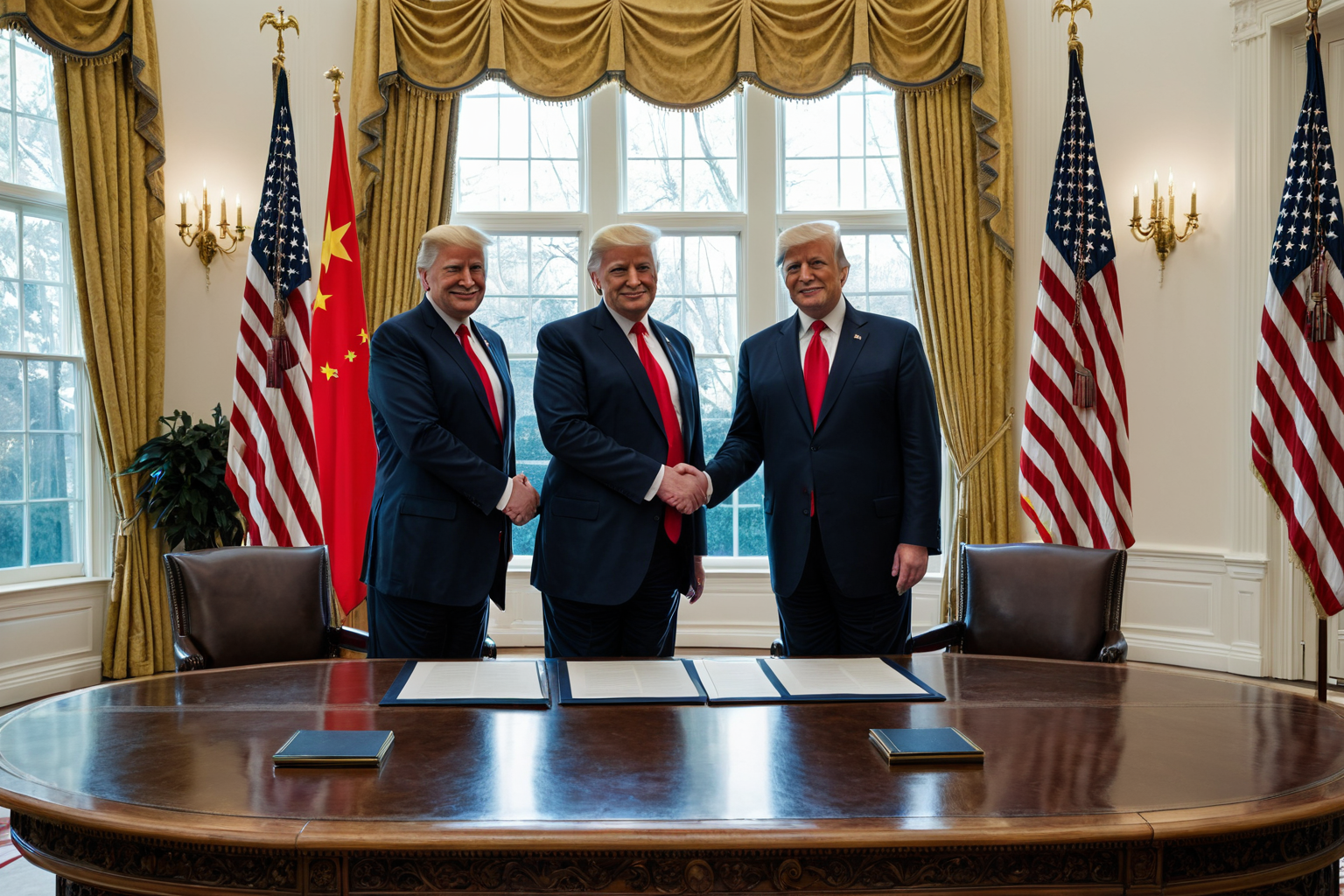
Xi Jinping's U.S. Visit and U.S.-China Summit Expectations
Chinese President Xi Jinping's state visit to the United States from September 23 to 25, 2026, is drawing attention as the first high-level meeting between the two nations in 11 years since the Obama administration. The summit will focus on key issues including extending the trade ceasefire, competition in AI dominance, and resolving Middle East conflicts.
Upon arriving in the U.S. on September 23, President Xi will be greeted at the airport by President Trump and his wife, a gesture of exceptional hospitality. This is particularly significant given recent reports about Xi skipping the BRICS summit and health concerns, adding diplomatic weight to the visit. The meeting is seen as an important step toward improving U.S.-China relations.
The U.S. has been pressuring Mexico to implement AI 'origin rules' to block China's tariff avoidance, while UK Prime Minister Keir Starmer reportedly requested Trump discuss Jimmy Lai's release with Xi during the summit.
Main Agenda Items for the Summit
President Xi and President Trump are expected to focus on stabilizing U.S.-China competition, particularly in AI technology and trade issues. The extension of the trade ceasefire until January next year suggests a potential strengthening of economic cooperation.
Before the visit, reports emerged that Xi skipped a BRICS summit dinner and faced health concerns, though these claims remain unverified. Nevertheless, Trump's warm welcome indicates a positive shift in U.S.-China relations.
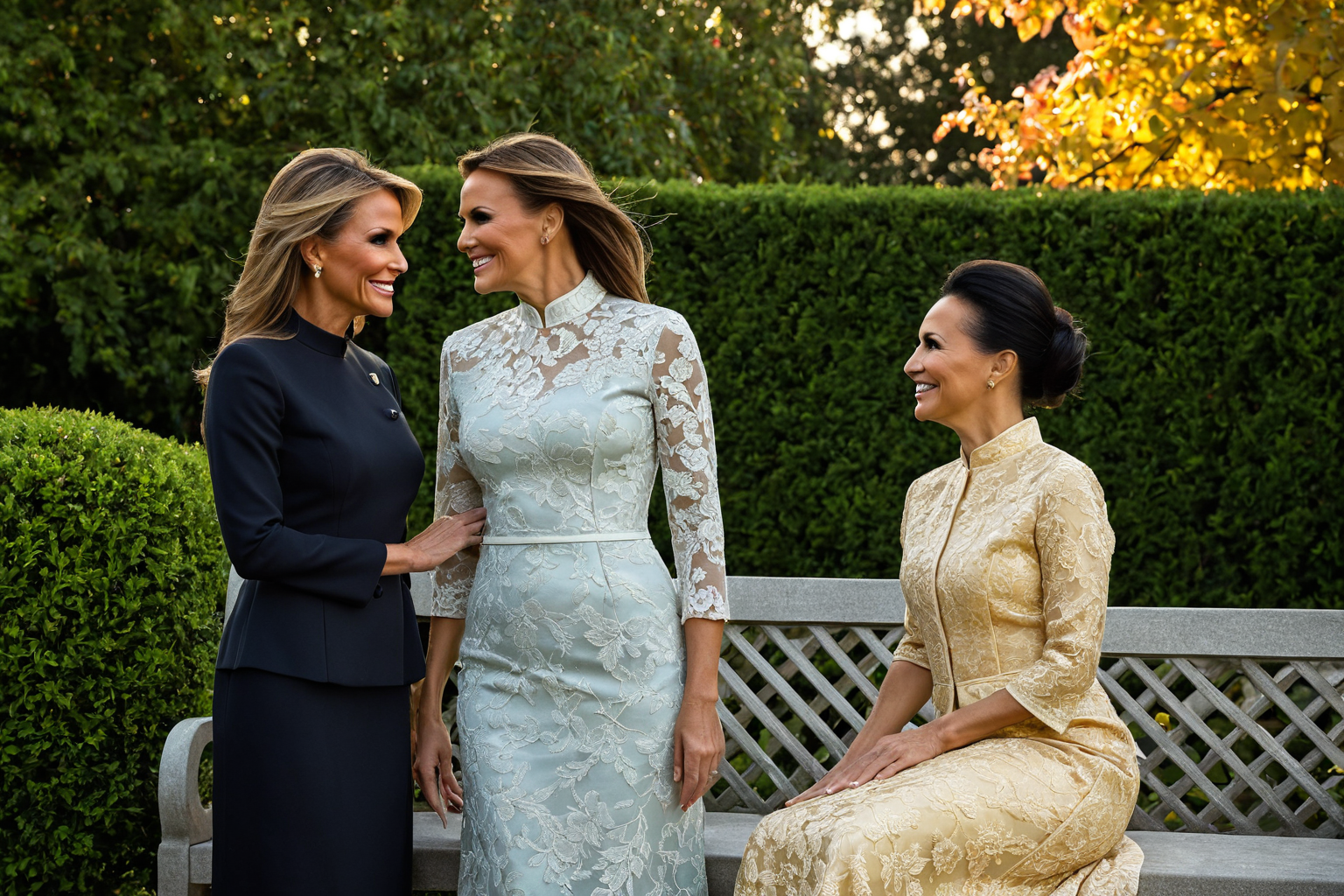
High interest surrounds Xi's visit in the U.S., including a planned reunion between Melania Trump and Peng Liyuan (Chinese First Lady) after nine years—a diplomatic event that adds significance to the meeting.
The Significance of Improved U.S.-China Relations
The summit, the first high-level meeting since the Obama administration, is anticipated to serve as a crucial turning point for bilateral relations. Despite ongoing trade tensions and technological competition, this meeting could pave the way for expanded cooperation.
Xi has reportedly urged the U.S. to return to negotiations with Iran and support a comprehensive agreement including nuclear aspects, highlighting China's growing role in resolving Middle East conflicts. Trump aims to stabilize U.S.-China competition, making trust-building a key challenge for both sides.
The extension of the trade ceasefire until January next year is expected to contribute to global economic stability while strengthening economic cooperation between the two nations. Cooperation in AI regulation is also under discussion, with potential implications for global economic stability.
Visit Schedule and Additional Events
Xi's visit will last two nights and three days, with a summit at the White House on September 24 following his arrival on the 23rd. He is scheduled to depart on the 25th. During this time, Melania Trump and Peng Liyuan are set to reunite in Washington after nine years.
President Trump plans to personally welcome Xi at the airport—a sign of changing U.S.-China relations since the Obama era. The visit is closely watched for its potential to ease tensions and boost economic cooperation.
The U.S. has been pressuring Mexico on AI 'origin rules' to prevent China from circumventing tariffs, signaling a strategic move in economic competition with China. UK Prime Minister Starmer reportedly asked Trump to discuss Jimmy Lai's release during the summit.
Resolving Middle East Issues and Global Cooperation
Xi has called for the U.S. to return to negotiations with Iran and support a comprehensive agreement including nuclear aspects, emphasizing China's role in promoting peace in the Middle East. This reflects China's active engagement in global problem-solving.
Trump aims to stabilize U.S.-China competition, and the summit is expected to focus on building trust and expanding cooperation. Discussions on AI regulatory frameworks may contribute to global economic stability.
The extension of the trade ceasefire until January next year signals a strengthening of economic ties between the two nations and could help stabilize the global economy. China's role in resolving Middle East conflicts is also expected to grow further.
Trade Ceasefire and Economic Cooperation
The U.S.-China trade ceasefire, extended until January next year, marks a significant step toward improving bilateral trade relations. After years of trade tensions causing global economic instability, this extension could lead to enhanced economic cooperation.
The summit will center on AI technology dominance and trade issues, with potential for both nations to jointly establish regulatory frameworks. This could not only contribute to global economic stability but also positively impact China's technological development.
While the U.S. pressures Mexico on AI 'origin rules' to block tariff avoidance by China, the extension of the trade ceasefire is seen as a signal of strengthened cooperation between the two nations, potentially contributing to global economic stability.
Information to Verify
Reports about Xi skipping a BRICS summit dinner and health concerns were published before his U.S. visit; their accuracy remains unconfirmed. These reports may be part of diplomatic coverage rather than reflecting actual health conditions.
Trump's plan to personally welcome Xi at the airport is confirmed, though exact time and location are still undisclosed. Further details will be provided as they become available.
The reunion between Melania Trump and Peng Liyuan after nine years is being closely watched as a diplomatic event, but specific schedule and venue have not yet been released. This could serve as an important signal for improving bilateral relations.
Frequently Asked Questions
When will Xi Jinping's U.S. visit begin and end?
Xi Jinping's state visit to the U.S. is scheduled from September 23 to 25, 2026, over a two-night, three-day itinerary.
Has the U.S.-China trade ceasefire been extended until January next year?
Yes, the U.S.-China trade ceasefire has been extended until January next year, signaling an important step toward strengthening economic cooperation between the two nations.
When will Melania Trump and Peng Liyuan reunite?
A reunion between Melania Trump and Peng Liyuan is planned in Washington after nine years, though specific details have not yet been released.
Frequently Asked Questions
Xi Jinping's state visit to the U.S. represents a historic summit with President Trump, marking the first high-level meeting between the two nations since the Obama administration. Key agenda items include extending the trade ceasefire, AI competition, and resolving Middle East conflicts.
Trump plans to personally welcome Xi at the airport, and Melania Trump is set to reunite with Peng Liyuan after nine years. The extension of the trade ceasefire until January next year is seen as a key signal for strengthening cooperation between the two nations.
The U.S.'s push for AI 'origin rules' in Mexico and UK Prime Minister Starmer's request regarding Jimmy Lai's release are expected to be discussed during the summit, potentially serving as important diplomatic strategies for improving U.S.-China relations.
You can view similar articles on this topic in one place.
View Related ArticlesFAQ
When will Xi Jinping's U.S. visit begin and end?
Xi Jinping's state visit to the U.S. is scheduled from September 23 to 25, 2026, over a two-night, three-day itinerary.
Has the U.S.-China trade ceasefire been extended until January next year?
Yes, the U.S.-China trade ceasefire has been extended until January next year, signaling an important step toward strengthening economic cooperation between the two nations.
When will Melania Trump and Peng Liyuan reunite?
A reunion between Melania Trump and Peng Liyuan is planned in Washington after nine years, though specific details have not yet been released.
Korean Source
This article is an English localization of a Korean-language report from BlogScore. Original: 시진핑 미국 방문, 백악관 도착 후 첫 회동 내용 공개