
Xi Jinping and Trump Meet: Key Agreements on Military Tensions and Taiwan Issue
Key Agreements and Taiwan Issue at US-China Summit
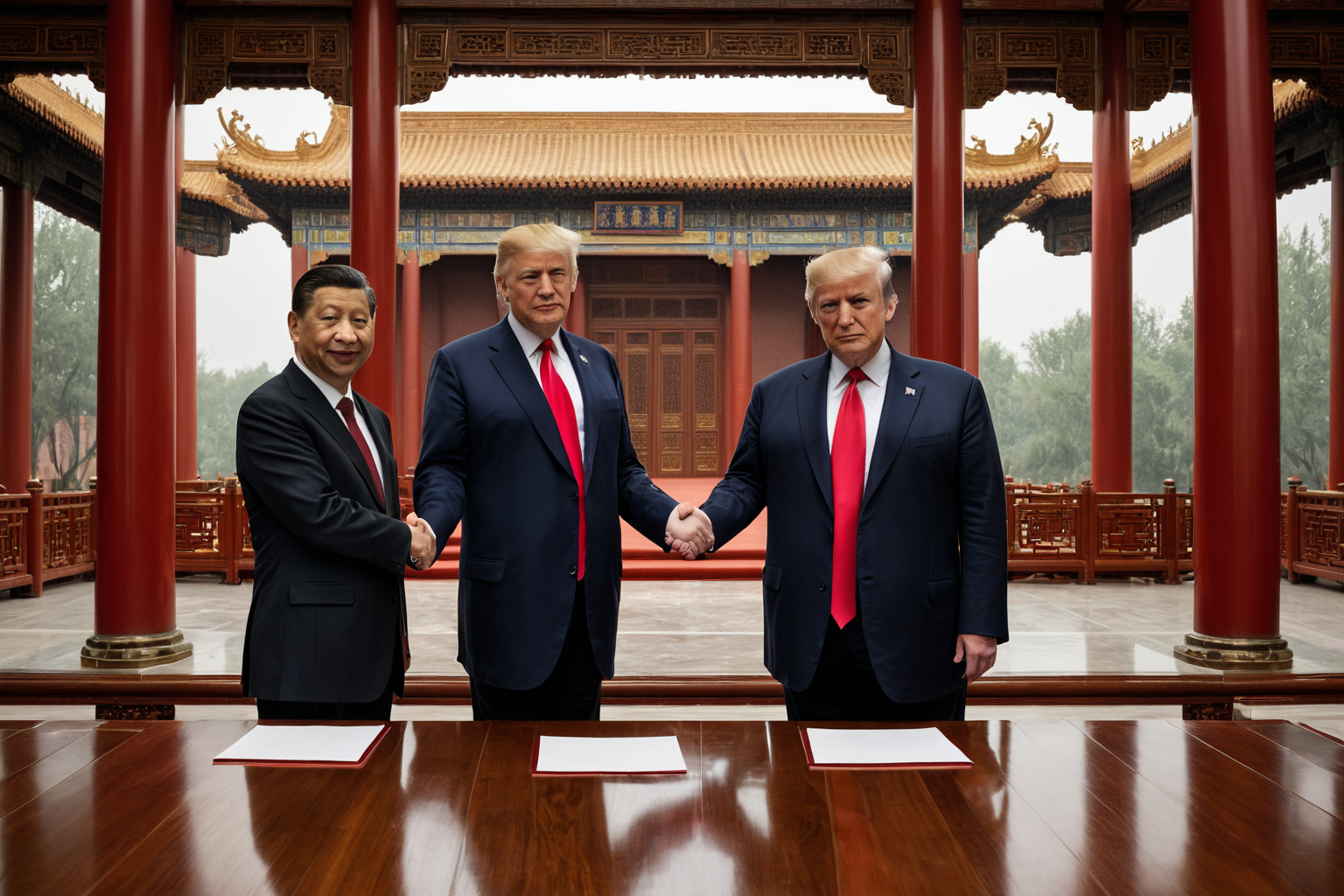
The U.S.-China summit held in Beijing on May 14, 2026, marked the first meeting between U.S. President Trump and Chinese President Xi Jinping in nine years. The discussions confirmed a shared goal for resolving North Korean nuclear issues and addressed the managed tension across the Taiwan Strait. While both nations discussed economic cooperation and supply chain stability, differences remained on the Taiwan issue.
Key Agreements and Economic Implications
President Trump announced over 36 agreements following the summit, promising increased exports of U.S. agricultural products, oil, and gas to China. However, progress on the previously pledged purchase of 200 Boeing aircraft has been slow. China announced plans for President Xi Jinping's state visit to the U.S. this fall, signaling a commitment to improving bilateral relations.
The potential U.S. retaliatory measures over violations of rare earth agreements were also postponed. This could positively impact global trade conditions, though specific implementation details remain unclear.
Discussion on Opening the Strait of Hormuz
A general agreement to open the Strait of Hormuz was reached during the summit, though concrete measures and timelines have yet to be disclosed. Leaders from various nations called for stabilizing international trade routes through this opening.
The U.S.-China agreements are expected to serve as a test case for stability in Northeast Asia and the Middle East. Relations between North Korea and China appear to be evolving from 'restoration' toward 'strategic cooperation,' which aligns with improving U.S.-China relations.
Taiwan Issue and Positions of Both Sides
President Trump remained silent on questions regarding Taiwan, while China issued a warning. This reflects ongoing challenges in negotiating a resolution to the Taiwan issue.
Before the summit, both nations had been discussing tariff reductions and AI risk management talks as groundwork for improving relations.
Economic Cooperation and Supply Chain Stability
The U.S. and China are exploring various ways to strengthen economic cooperation, which could contribute to global supply chain stability.
Particular attention is being paid to the impact of rare earth agreements on international trade. Alongside the postponement of U.S. retaliatory measures, there's also discussion about potential easing of restrictions on rare earth exports.
Schedule and Announcements Before and After Summit
The summit began on May 14, with results announced on May 15. On May 16, China’s Wang Yi confirmed President Xi Jinping's planned state visit to the U.S. this fall.
U.S.-China relations are trending toward 'strategic cooperation' from a previous 'restoration phase,' which also connects with the evolving North Korea-China relationship. Earlier reports noted that by September 18, North Korea and China were developing their relationship into strategic cooperation.
Economic Implications and Global Trade Impact
The agreements announced at the U.S.-China summit could bring significant changes to global trade conditions, particularly regarding rare earth agreements and their impact on international markets.
Differences between both sides on the Taiwan issue remain, but efforts to improve relations continue. The potential for easing tensions across the Taiwan Strait was also highlighted in the summit results.
U.S.-China Summit and Stability in Northeast Asia/Middle East
The U.S.-China summit is expected to serve as a test case for agreements aimed at stabilizing the situation in Northeast Asia and the Middle East. Discussions on Iran during the summit underscored the importance of international cooperation.
Tariff Reductions and AI Risk Management Dialogue
Before the summit, both nations had been discussing tariff reductions and AI risk management talks as a foundation for improving relations.
Media Coverage on Taiwan Issue
The U.S. did not mention Taiwan during discussions, but China issued a warning. This appears related to managing maritime boundaries around Taiwan.
Discussion on Opening the Strait of Hormuz
A general agreement to open the Strait of Hormuz was reached during the summit, though concrete measures and timelines remain undisclosed. Leaders called for stabilizing international trade routes through this opening.
Prospects for U.S.-China Relations
U.S.-China relations are moving from 'restoration' toward 'strategic cooperation,' which also connects with the evolving North Korea-China relationship. This trend is expected to influence stability in Northeast Asia and the Middle East.
Information to Confirm
The specific details of the agreements reached at the U.S.-China summit have not yet been publicly disclosed. Particularly, rare earth-related agreements and potential solutions for the Taiwan issue are under close scrutiny.
Frequently Asked Questions
What agreements were made at the U.S.-China summit?
President Trump announced over 36 agreements, promising exports of U.S. agricultural products, oil, and gas to China. However, progress on the pledged purchase of 200 Boeing aircraft has been slow.
How was the Taiwan issue discussed?
President Trump remained silent on questions about Taiwan, while China issued a warning. This indicates ongoing challenges in negotiating a resolution to the Taiwan issue.
Was there an agreement on opening the Strait of Hormuz?
A general agreement was reached for opening the Strait of Hormuz, but specific measures and timelines have not been disclosed yet.
Frequently Asked Questions
The U.S.-China summit in May 2026 marked a significant diplomatic milestone after nine years, with discussions on North Korean nuclear issues, economic cooperation, and managing tensions across the Taiwan Strait. While agreements were made on agricultural exports, rare earths, and supply chain stability, key issues like Taiwan and specific implementation details remain unresolved.
U.S.-China relations are evolving from 'restoration' toward 'strategic cooperation,' connecting with North Korea-China relations. This trend is expected to serve as a test case for stabilizing Northeast Asia and the Middle East. Although rare earth agreements and potential solutions for Taiwan are being watched closely, specific implementation plans remain unclear.
Improvements in U.S.-China relations could positively impact global trade conditions, though many issues still need resolution. The international community is closely monitoring the outcomes of this summit.
You can find more articles on similar topics in one place.
View Related ArticlesFAQ
What agreements were made at the U.S.-China summit?
President Trump announced over 36 agreements, promising exports of U.S. agricultural products, oil, and gas to China. However, progress on the pledged purchase of 200 Boeing aircraft has been slow.
How was the Taiwan issue discussed?
President Trump remained silent on questions about Taiwan, while China issued a warning. This indicates ongoing challenges in negotiating a resolution to the Taiwan issue.
Was there an agreement on opening the Strait of Hormuz?
A general agreement was reached for opening the Strait of Hormuz, but specific measures and timelines have not been disclosed yet.
Korean Source
This article is an English localization of a Korean-language report from BlogScore. Original: 시진핑 미중 정상회담, 군사적 긴장 완화를 위한 합의 내용