
Worker Safety Awareness Shift Following Otsuki Factory Crushing Death Incident
Key Points Summary
A major accident that occurred at an Otsuki affiliate factory in Goseong, South Korea on September 28, 2026, revealed serious flaws in labor safety management systems. The incident resulted in the death of a 40-year-old worker who was crushed when robotic equipment resumed operation without proper safety checks. Police and the Ministry of Employment and Labor are investigating whether the Major Accident Act applies, while Otsuki affiliates have announced their commitment to fully cooperate with legal and administrative procedures.
Accident Site and Cause Analysis
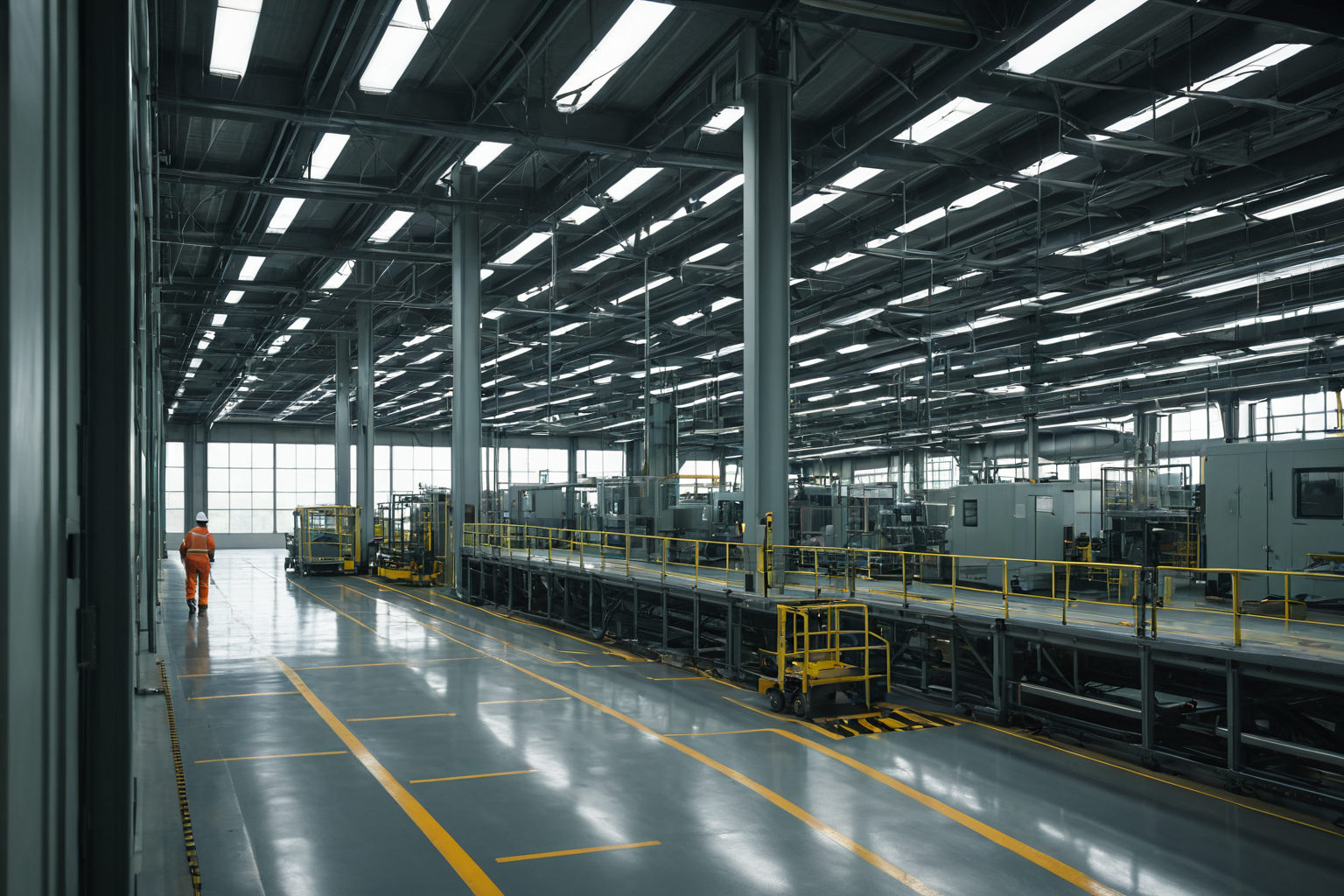
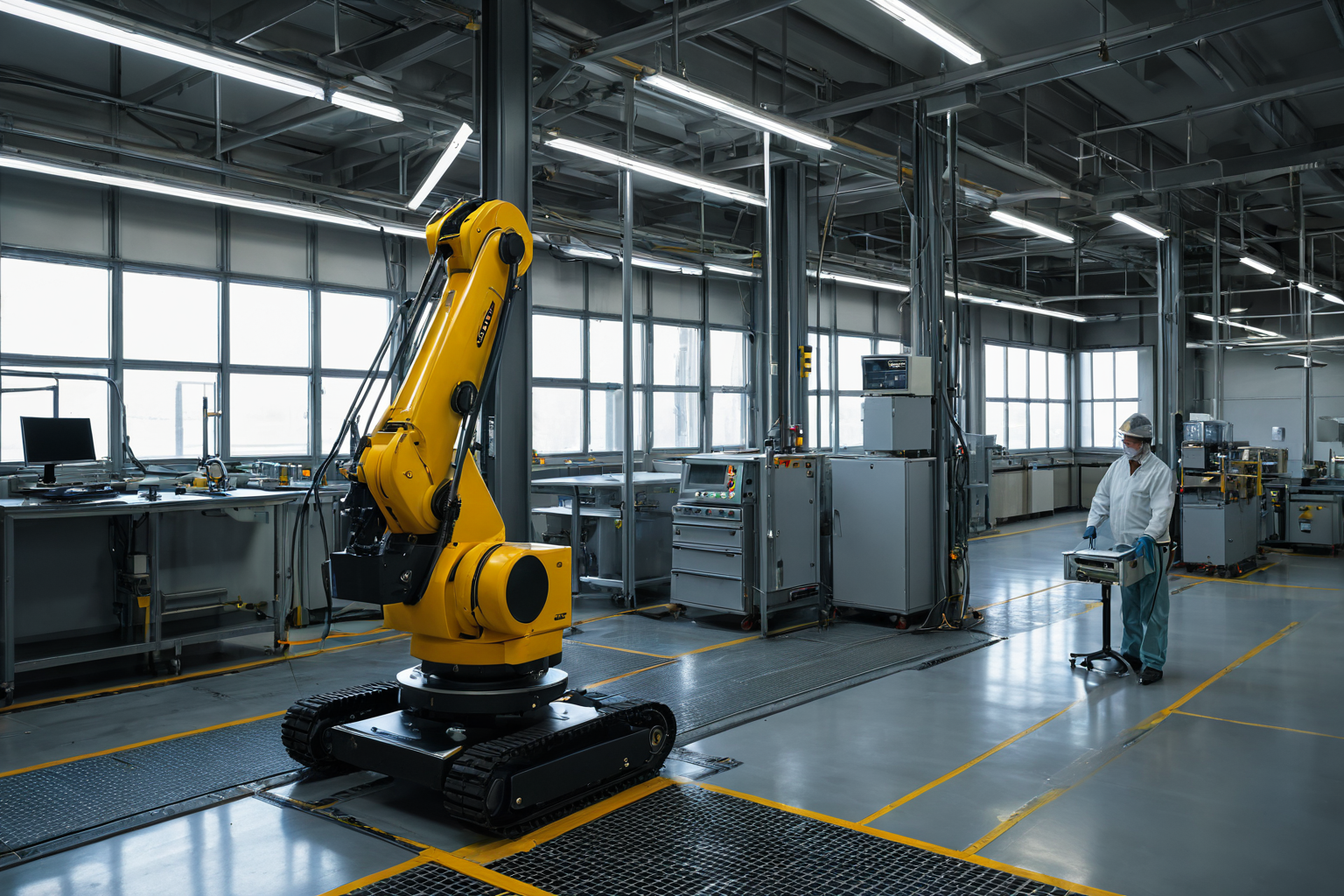
The Goseong Otsuki affiliate factory features a highly automated manufacturing environment. In particular, safety devices and protocols are essential in areas where robotic processes are active. However, during the accident, workers proceeded with operations without conducting required safety checks after the robot was restarted. This behavior could be classified under the Major Accident Act as "failure to conduct safety verification."
The accident site involved employees of a subcontractor company not directly managed by Otsuki affiliates. This indicates that the existing safety management system may have been weak in overseeing subcontractor staff. The Ministry of Employment and Labor is examining whether it can apply the Major Accident Act, which clearly defines the scope of safety responsibilities for companies contracting with subcontractors.
Authorities have reportedly secured CCTV footage from the factory and robot operation logs from the time of the accident. Police are collecting relevant materials to accurately understand all circumstances at the time of the incident, while the Ministry plans on conducting on-site inspections to identify specific issues in the safety management system. In particular, whether subcontractor employees performed mandatory safety checks before starting work will be a key focus of the investigation.
Major Accident Act and Legal Response
The Major Accident Act imposes criminal penalties and fines on employers who neglect worker safety management. Since its introduction in 2020, it has gradually been strengthened. This accident is likely to fall under the scope of the Major Accident Act. Police have secured robot operation logs from the time of the incident, while the Ministry plans to conduct on-site investigations and check compliance with relevant regulations.
Otsuki affiliates hold a safety management certification from the Food Safety Science Research Institute, which was previously seen as evidence of a robust safety management system. However, this accident has exposed a gap between the certification and actual on-site operations. The Ministry is reviewing whether this certification remains reliable, with related measures expected to follow.
The applicability of the Major Accident Act is a key factor in determining the nature of the incident and legal responsibility. Under the act, employers can face up to five years imprisonment or fines of up to 100 million won for fatal accidents caused by negligence in safety management. If this accident is classified under the Major Accident Act, Otsuki affiliates will likely struggle to avoid legal liability.
Need for Shifts in Worker Safety Awareness
Following the accident, labor unions and civic groups have raised their voices calling for improvements to safety management systems. In particular, it has been pointed out that subcontractor workers often lack regular safety training and inspections, necessitating a systematic approach to protect their safety.
The Ministry of Employment and Labor announced a policy emphasizing compliance with safety protocols in automated processes following this incident. Future plans include mandating mandatory safety checks before restarting robotic equipment and expanding related education programs. Additionally, they plan to clearly define responsibility for the safety management of subcontractor employees.
This accident highlights that change is needed beyond technical issues—it requires a shift in organizational culture and business philosophy. Safety must become a shared value among all members, not just compliance with regulations. For this reason, improving awareness and strengthening education on safety within companies is essential.
Upcoming Schedule and Key Points to Watch
Police and the Ministry of Employment and Labor plan to announce their investigation findings by mid-October. During this process, they will likely provide a comprehensive evaluation of Otsuki affiliates' safety management system, alongside determining whether the Major Accident Act applies.
The key points for readers to note are: First, understanding the legal responsibilities and penalties that may be imposed on employers under the Major Accident Act is important. Second, recognizing that safety management for subcontractor workers can directly lead to corporate accountability. Third, acknowledging that compliance with safety procedures in automated processes requires not only technical adjustments but also a cultural shift within business philosophy.
Frequently Asked Questions
Q: What penalties apply if the Major Accident Act is enforced?
A: Under the Major Accident Act, employers can face criminal penalties and fines. For fatal accidents caused by negligence in safety management, the maximum penalty can be up to five years imprisonment or a fine of up to 100 million won.
Q: Who is responsible for subcontractor worker safety?
A: According to the Major Accident Act, the contracting company (Otsuki) must assume responsibility for the safety management of subcontractor workers. Failure to do so can result in legal penalties.
Q: How will safety procedures be improved in automated processes?
A: Future plans include mandating mandatory safety checks before restarting robotic equipment and expanding related education programs to enhance worker safety awareness.
You can view similar articles on this topic all at once.
View Related ArticlesFAQ
What penalties apply if the Major Accident Act is enforced?
Under the Major Accident Act, employers can face criminal penalties and fines. For fatal accidents caused by negligence in safety management, the maximum penalty can be up to five years imprisonment or a fine of up to 100 million won.
Who is responsible for subcontractor worker safety?
According to the Major Accident Act, the contracting company (Otsuki) must assume responsibility for the safety management of subcontractor workers. Failure to do so can result in legal penalties.
How will safety procedures be improved in automated processes?
Future plans include mandating mandatory safety checks before restarting robotic equipment and expanding related education programs to enhance worker safety awareness.
Korean Source
This article is an English localization of a Korean-language report from BlogScore. Original: 오뚜기 공장 압착 사망사고로 인한 노동자 안전 의식 변화