
Women's Basketball Team's Performance Analysis After Advancing to the Quarterfinals
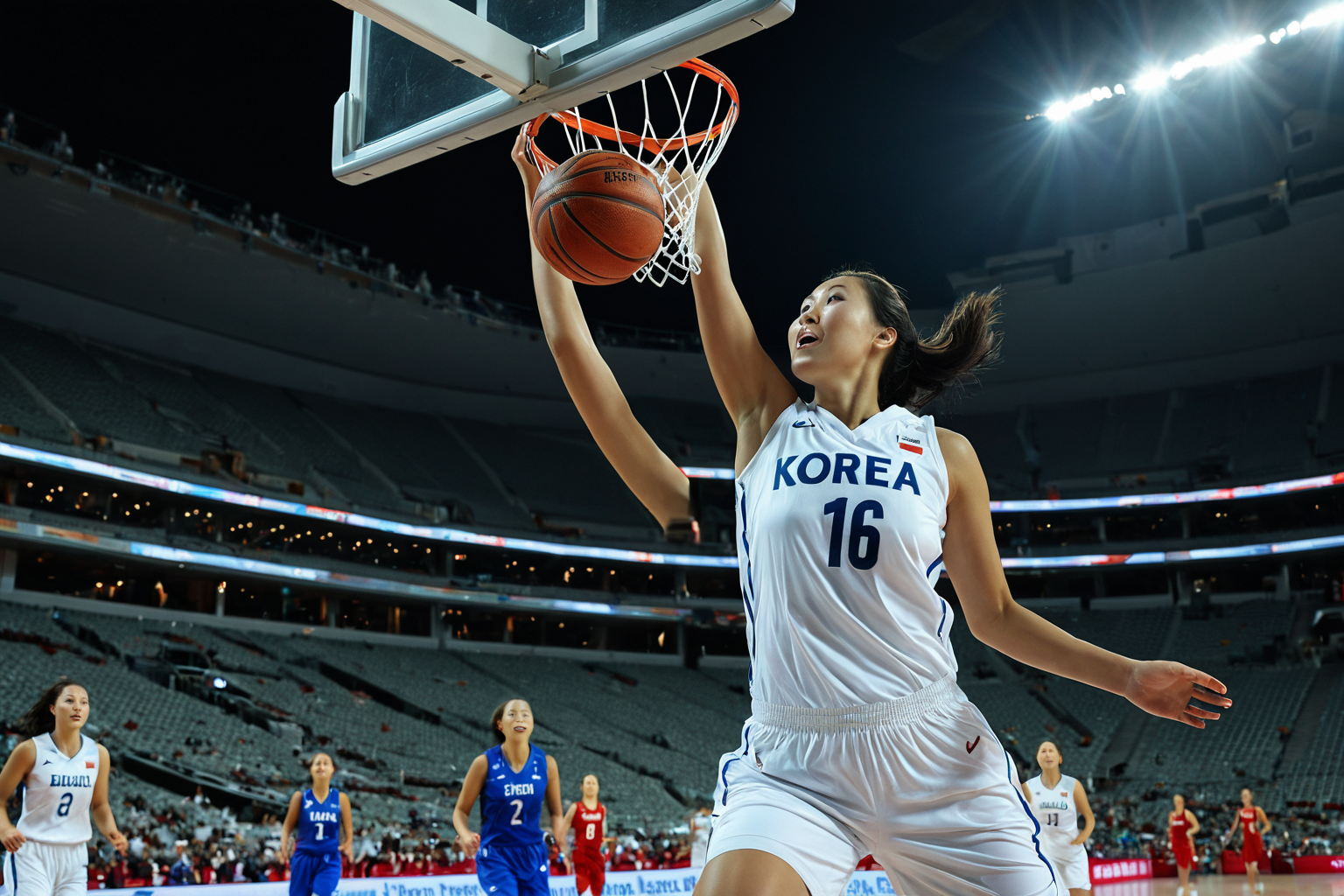
Women's Basketball Quarterfinal Match Performance Comparison
South Korea's women's national basketball team decisively defeated Mongolia by 27 points at the Asian Games, securing their spot in the quarterfinals. This victory reflected the impressive performance seen during the group stage, particularly with Kang Isul continuing her 17-point scoring from the Germany match to lead the team to victory. During the Mongolia game, she not only excelled in scoring but also made significant defensive contributions, showcasing a well-rounded performance that is expected to enhance their overall competitiveness at the Asian Games.
Alongside Park Jihyun's achievement of fourth place at the Asia Cup, the women's national basketball team rose two spots in the FIBA Power Rankings to rank 11th. This improvement stems from their remarkable group stage performance, highlighting a combination of team cohesion and individual player strengths. Head coach Jeon Juwon has been emphasizing 'hope' as he focuses on team growth, with plans for an 11-player roster composed of core players for the Asian Games.
Kang Isul's Performance Against Germany and Asian Games Preparation
Kang Isul led her team to victory against Germany by scoring 17 points. Beyond her scoring ability, she demonstrated exceptional defensive skills and game judgment, signaling continued strong performance at the Asian Games. Kang stated that 'all players gave their best effort and we will come together well at the Asian Games,' emphasizing team unity which is expected to contribute positively to their overall performance.
Her performance against Germany was more than just scoring; it marked a turning point for the team following their failure to advance past the quarterfinals in the World Cup. Kang's efforts helped improve team morale, and this momentum carries over into the Asian Games as well.
Park Jihyun's Fourth Place at Asia Cup and FIBA Ranking Rise
Park Jihyun played a crucial role leading her team to fourth place at the Asia Cup. Her offensive and defensive capabilities are highly regarded as key assets for South Korea's women's basketball, directly contributing to their rise in FIBA rankings. The Asia Cup success was more than just a ranking achievement; it reflected the team's strategic planning and overall organization.
Park Jihyun's performance significantly contributed to the FIBA ranking increase, playing an important role in the team's overall growth. This laid a strong foundation for their potential success at the Asian Games. Notably, her offensive skills were among the key factors behind the team's impressive group stage performance.
Analyzing the Women's Basketball Team's FIBA Ranking Rise and Strategic Implications
The women's national basketball team rose two spots in the FIBA Power Rankings to 11th after showcasing remarkable performance during the group stage. This ranking reflects the overall growth and development of the team.
The ranking improvement is not solely due to Kang Isul and Park Jihyun but also stems from the team's enhanced organization and strategic approach. The strong group stage performance directly contributed to their FIBA ranking rise, indicating potential for success at the Asian Games as well.
Additionally, despite failing to advance past the quarterfinals in the World Cup, the team managed to climb the FIBA rankings through their group stage performance. This demonstrates the team's ability to overcome challenges and grow strategically.
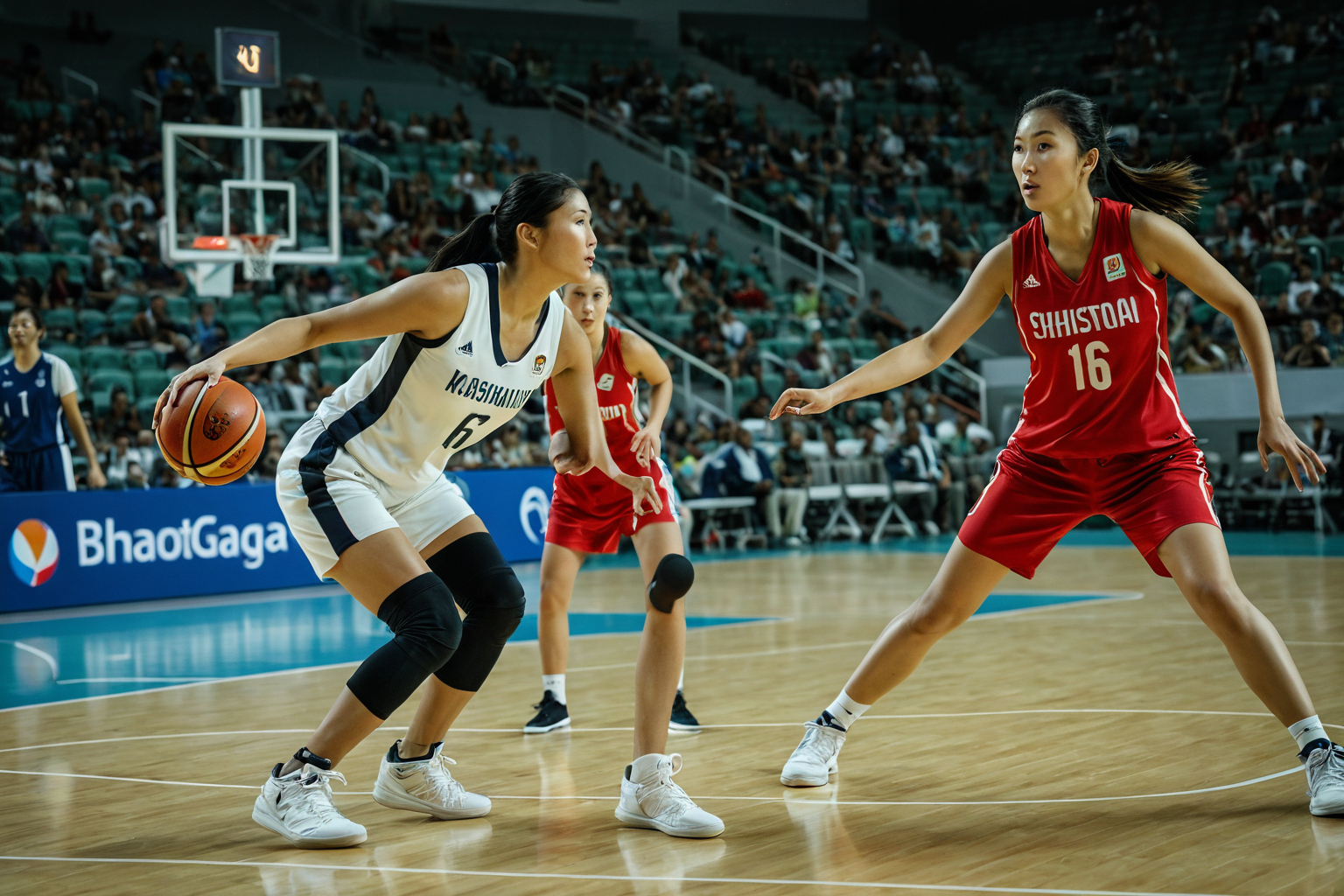
Asian Games Small-Group Roster Strategy and Background
The Asian Games will see a small, focused roster of 11 players. This strategic choice by head coach Jeon Juwon aims to concentrate on team growth, selecting only core players to maximize performance.
This compact team structure is designed for concentrated performance and efficient tactical planning. Lee So-hee stated that 'we will maximize our strengths,' which is expected to help the team achieve outstanding results in matches.
The small-group approach represents a first-time strategy in the history of South Korea's women's national basketball, resulting from collaboration between coach and players. It was a strategic decision aimed at strengthening team organization and optimizing performance.
Influence of Park Jisu's Absence on FIBA Rankings and Response Strategy
Park Jisu's absence caused the team to rank 13th in the FIBA rankings, reflecting the impact on their overall strength. However, Kang Isul and Park Jihyun's strong performances allowed them to rise back to 11th place.
While Park Jisu's absence contributed to a drop in ranking, her teammates' efforts helped recover and climb two spots. This demonstrates the team's adaptability and strategic response capabilities.
Park Jisu was absent after the World Cup, which initially weakened the team's performance during the group stage. However, through strategic adjustments, the team managed to overcome this challenge, showing their ability to grow even in difficult circumstances.
Asian Games Match Results Against Jordan and Upcoming Schedule
The team delivered a stunning 114-80 victory over Jordan at the Asian Games, showcasing remarkable performance. This result reflects the team's overall growth and thorough preparation.
This small-group roster strategy proved effective in the Jordan match, with expectations for continued strong performances throughout the Asian Games. The tactical approach and players' focus were key factors behind this success.
Upcoming matches include a game against Japan on September 23rd, which is crucial for advancing to the semifinals. Both Kang Isul and Park Jihyun are expected to play pivotal roles in achieving this goal.
Analysis of Quarterfinal Match Against Mongolia and Key Features
South Korea's women's national basketball team decisively defeated Mongolia by 27 points, securing their quarterfinal spot. The game showcased a perfect harmony between strong defense and offensive skills, resulting in an outstanding performance.
Mongolia struggled against Kang Isul's scoring and Park Jihyun's defensive efforts. This match highlighted the overall organization of the team and individual player capabilities.
Notably, South Korea's defensive organization stood out during the Mongolia game. Kang Isul's speed combined with Park Jihyun's physical strength effectively neutralized Mongolia's offense.
Coach Jeon Juwon's 'Hope' Statement and Team Atmosphere
Head coach Jeon Juwon has been emphasizing 'hope' as he focuses on team growth, speaking from a position of global basketball prominence. This statement conveys confidence in the team's continued progression.
The coach's remarks are expected to significantly motivate players and improve team atmosphere, which is closely tied to their performance at the Asian Games. Notably, Kang Isul and Park Jihyun have demonstrated heightened focus based on the coach's message during recent matches.
Reader Verification Questions
1. How many points did Kang Isul score in the quarterfinal match against Mongolia?
2. How did Park Jihyun's fourth-place finish at the Asia Cup impact the FIBA rankings?
3. How has the small-group roster strategy been effective during the Asian Games?
You can view more articles on similar topics at once.
View Related ArticlesFAQ
How did the team advance to the quarterfinals?
The team defeated Mongolia by 27 points at the Asian Games, securing their spot in the quarterfinals.
Who are the key players contributing to the FIBA ranking rise?
Kang Isul and Park Jihyun have significantly contributed to the team's FIBA ranking improvement through their performances.
Korean Source
This article is an English localization of a Korean-language report from BlogScore. Original: 여자농구 8강 진출 선수들의 경기력 비교와 분석