
Women's Handball Team Dominates Hong Kong in Asian Games Opener with Strategic Precision
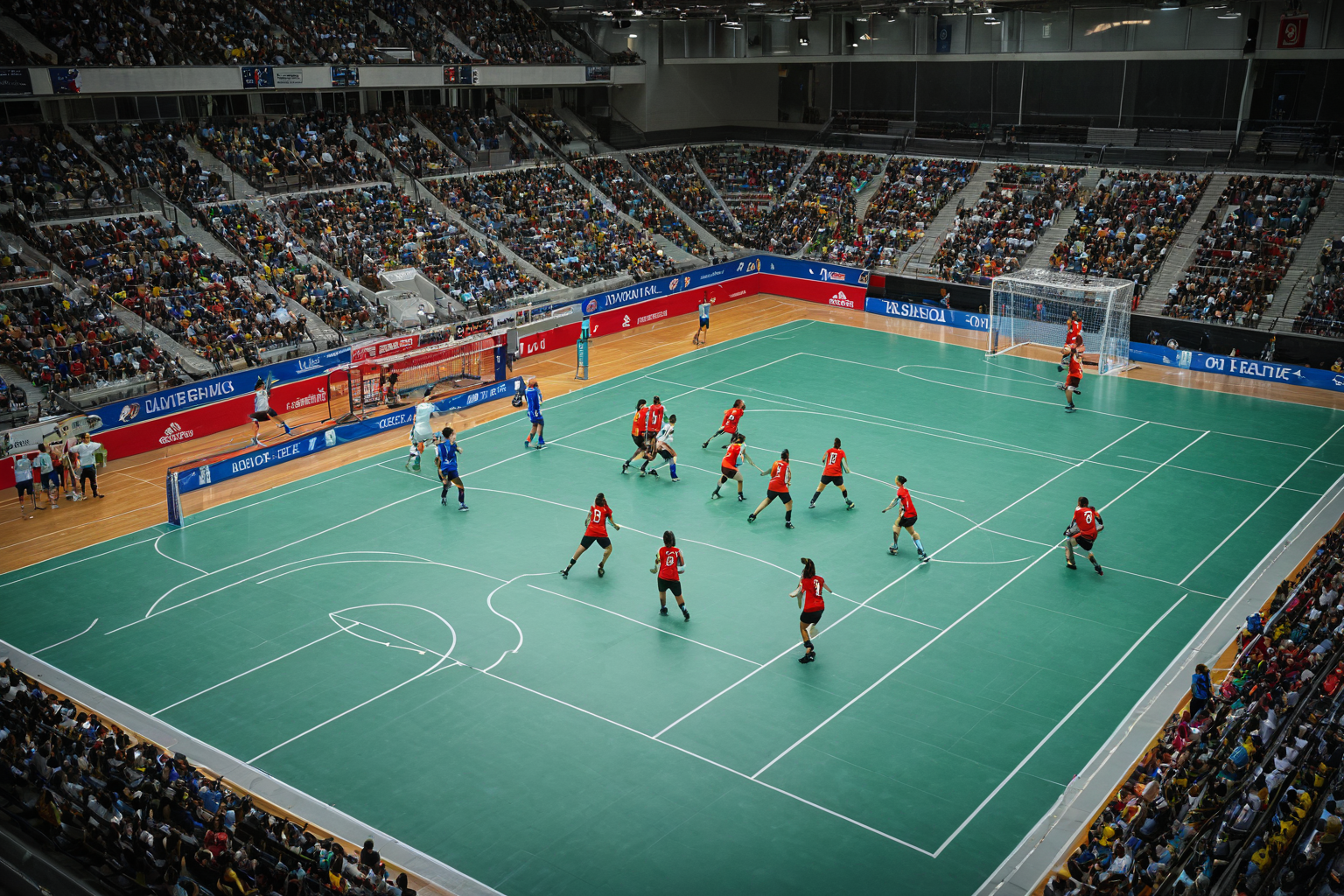
Korea's women's handball team delivered a dominant performance against Hong Kong in their opening match of the 2026 Asian Games, winning by a staggering 32-point margin with a final score of 48-16. This victory marks the first step toward reclaiming the gold medal after an eight-year absence and has drawn attention for its strategic scoring patterns and tactical execution. The team effectively broke through Hong Kong's defense while capitalizing on opponents' mistakes to secure their win.
Key Factors Behind Korea's Dominant Win
Korea's women's handball national team secured a decisive 32-point victory over Hong Kong in their Asian Games debut, marking the first step toward reclaiming gold after eight years. The final score was 48-16, with Lee Won-jung scoring nine goals to lead the team's offensive efforts. Early in the game, Korea capitalized on Hong Kong's weak defense by employing quick passes and precise shooting. This strategic approach, which had been carefully prepared beforehand, demonstrated its effectiveness during the match and received significant attention within the team.
Analysis of Key Players' Scoring Patterns
Lee Won-jung and Jeon Ji-yeon combined for 17 goals, forming the core of Korea's scoring. Lee scored nine individual goals with rapid speed and accurate shooting that overwhelmed Hong Kong's defense, while their partnership enhanced offensive efficiency. Both players consistently broke through opponents' defenses throughout the game. Notably, Lee scored four goals in the 17th minute alone, completely collapsing Hong Kong's defensive structure. Jeon added three more goals at the 20-minute mark alongside Lee, balancing the attack. This scoring pattern reflects Korea's precise analysis of Hong Kong's defensive weaknesses and their effective utilization to secure victory.
Game Management Challenges and Responses
Operational issues such as missing national anthem performances and scoreboard malfunctions occurred during the match but were overshadowed by Korea's relentless scoring. The absence of the national anthem at the start caused audience dissatisfaction, while a scoreboard error disrupted gameplay temporarily. However, the team maintained high scoring rates, drawing audience focus away from these issues. This demonstrated the team's ability to adapt flexibly to unexpected situations—a positive example in sports competition.
Strategic Significance and Plans for Revenge Against Japan
Head coach Lee Gye-cheong aimed for high-scoring performances in each match as preparation for a potential showdown with Japan. This victory marks the first step toward reclaiming gold after eight years, carrying strategic significance for seeking revenge against Japan. The coach emphasized Lee's scoring pattern during the game, showcasing the team's flexible offensive tactics. Notably, Coach Lee had already prepared countermeasures for Japan, using this win to demonstrate both offensive strength and defensive capability. This represents a significant strategic shift since Korea's loss to Japan at the 2018 Jakarta-Palembang Asian Games.
The First Step Toward Asian Games Gold Medal Reclamation
Korea's women's handball team has taken its first step toward securing the top spot at the Asian Games after eight years. Despite low expectations due to previous underperformance, this victory over Hong Kong proved the team's skill and strategic advantage. The 32-point margin of victory demonstrates strong pressure on opponents and boosts confidence in their gold medal campaign. This win is more than just a victory against Hong Kong—it sets the strategic direction for Korea's overall performance at the 2026 Asian Games.
Detailed Analysis of Game Strategy and Scoring Patterns
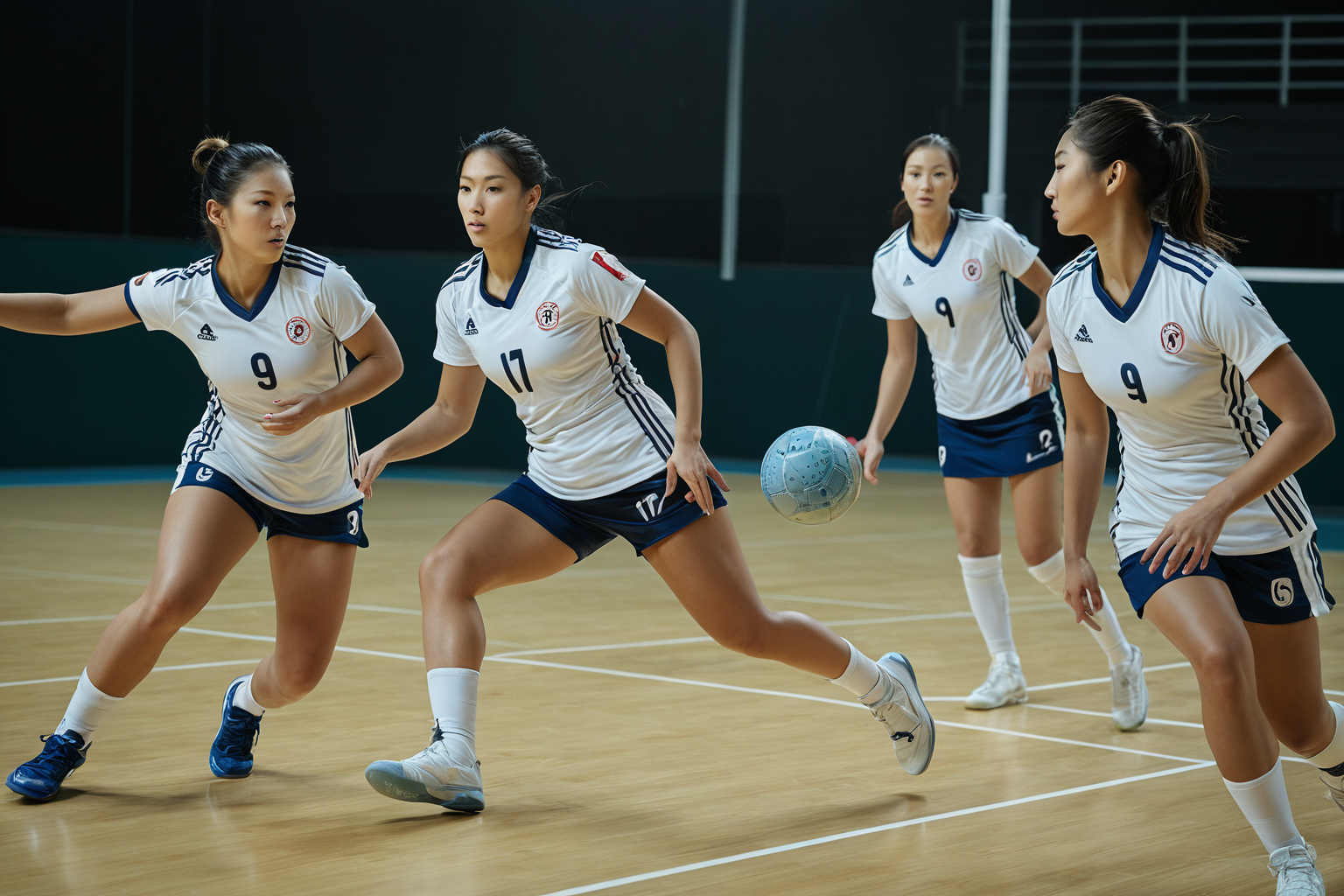
Korea effectively broke through Hong Kong's defense with fast-paced attacks and precise shooting. Lee Won-jung scored nine goals, leading the team's scoring efforts, while her partnership with Jeon Ji-yeon increased offensive efficiency. Early in the game, Korea took advantage of Hong Kong's weak defense by using quick passes and accurate shots. This strategic approach reflects Korea's thorough analysis of Hong Kong's defensive strategy before the match. Additionally, Korea scored their first goal at the 10-minute mark and reached 30 goals by the 20-minute mark, showing a steady increase in scoring.
Coach's Strategic Goals and Team Management
Head coach Lee Gye-cheong aimed for high-scoring performances in each match to prepare for potential matchups against Japan. This victory served as proof of the team's offensive capability ahead of their planned showdown with Japan. The coach adjusted strategies during the game according to players' situations, demonstrating flexibility within the team. Specifically, Coach Lee stated that he had already analyzed Korea's scoring patterns from this match and prepared countermeasures for Japan. This represents a significant strategic shift since Korea's defeat against Japan at the 2018 Asian Games.
Operational Issues and Audience Reaction
The absence of the national anthem at the start led to audience dissatisfaction, while scoreboard errors caused temporary disruptions during play. However, these issues were overshadowed by Korea's explosive scoring throughout the game. Audiences focused on the team's performance and scoring patterns rather than operational problems. Notably, Lee scored four goals in the 20-minute mark, causing a peak in audience cheers. This reaction demonstrates how a team's skill can maintain audience engagement despite logistical challenges.
Predictions for Gold Medal Campaign
This victory marks the first step toward reclaiming gold after eight years and has made Korea's revenge plan against Japan more concrete. Lee Won-jung and Jeon Ji-yeon's scoring patterns are expected to play a key role in future matches, with overall offensive strength anticipated to improve. Additionally, the team plans to apply the same scoring strategy used against Hong Kong in their upcoming match against Japan to boost confidence. This represents another significant strategic shift since Korea's gold medal aspirations following their 2018 Asian Games defeat.
Verification of Key Information for Readers
The fact that Korea defeated Hong Kong 48-16 in the women's handball opening match at the Asian Games is confirmed by sources 3, 12, 19-26, and 28-29. Lee Won-jung's nine goals and Jeon Ji-yeon's combined total of 17 goals are documented in sources 1, 10, and 28. The significance of this victory as the first step toward reclaiming gold after eight years is supported by sources 4, 13, 21-23, and 26.
Frequently Asked Questions
How many goals did Lee Won-jung score?
Lee Won-jung scored nine goals in the match against Hong Kong.
What strategy did Korea use to win the game?
Korea broke through Hong Kong's defense using a combination of Lee Won-jung and Jeon Ji-yeon's scoring, fast-paced attacks, and precise shooting.
What operational issues occurred during the match?
The national anthem was not played at the start, and there were scoreboard errors causing temporary disruptions. However, these issues were overshadowed by Korea's high-scoring performance.
You can explore similar articles in one place.
View Related ArticlesFAQ
How many goals did Lee Won-jung score?
Lee Won-jung scored nine goals in the match against Hong Kong.
What strategy did Korea use to win the game?
Korea broke through Hong Kong's defense using a combination of Lee Won-jung and Jeon Ji-yeon's scoring, fast-paced attacks, and precise shooting.
What operational issues occurred during the match?
The national anthem was not played at the start, and there were scoreboard errors causing temporary disruptions. However, these issues were overshadowed by Korea's high-scoring performance.
Korean Source
This article is an English localization of a Korean-language report from BlogScore. Original: 여자 핸드볼 홍콩전, 대표팀의 득점 패턴과 전략