
Wipe Deodorizer: Which Smells Does It Work Best On?
Wipe deodorizers work well on everyday odors where the source is relatively clear, such as cigarette smoke, food smells, bathroom odors, pet odors, and musty damp spaces. However, they don't eliminate all odors at once—their effectiveness depends on matching the product to the odor type.
For best results, avoid relying solely on fragrance to mask odors. Instead, combine Wipe deodorizer with proper ventilation for higher satisfaction. Below, we'll explore how different odors respond to Wipe and share simple at-home tests you can try immediately.
Odor Types Where Wipe Deodorizer Works Best
First, understand that deodorizers don't erase odors—they reduce odor particles or make unpleasant lingering scents less noticeable. This means Wipe works most effectively on strong but simple odors with clear sources.
For example, cigarette smoke clings to curtains, sofas, and fabrics. Spraying Wipe directly on these surfaces quickly reduces that stuffy feeling in the air. Similarly, food odors like fried foods or fish—those lingering smells—tend to respond well to Wipe.
Bathroom odors that spike briefly but fade quickly also show noticeable improvement with Wipe. Conversely, persistent odors like mold or sewer smells are harder to eliminate with deodorizers alone; addressing the root cause comes first.
Find more articles on similar topics in one place.
View Related ArticlesWhy Results Vary by Odor Type
The perceived effectiveness of Wipe depends more on the surface the odor is attached to than the type of smell itself. For instance, cigarette smoke in the air versus smoke absorbed into fabric produces different results.
Airborne odors tend to fade relatively quickly, but odors trapped in confined spaces like closets, shoe racks, or car seats linger longer. In these cases, a quick spray followed by ventilation works better than one heavy application.
Also, strong-scented deodorizers may mask odors temporarily, only for the original smell to return later. Many reviews note, "It worked immediately but didn't last long in certain areas," highlighting the importance of proper usage.
Simple At-Home Usage Tips
When trying Wipe for the first time, start with a small test: apply it lightly to one corner of a strong-smelling area and wait 10 minutes before assessing. This approach is safest and most effective.
For example, if shoe odors bother you, avoid spraying directly inside shoes. Instead, mist the interior walls or shelves of your shoe cabinet, then close the door briefly. For closets, focus on the interior space rather than spraying heavily onto fabrics.
When testing kitchen odors, wait 5 minutes for ventilation after cooking before applying Wipe to lingering smells. Applying it directly while strong odors are present makes it hard to judge results accurately.
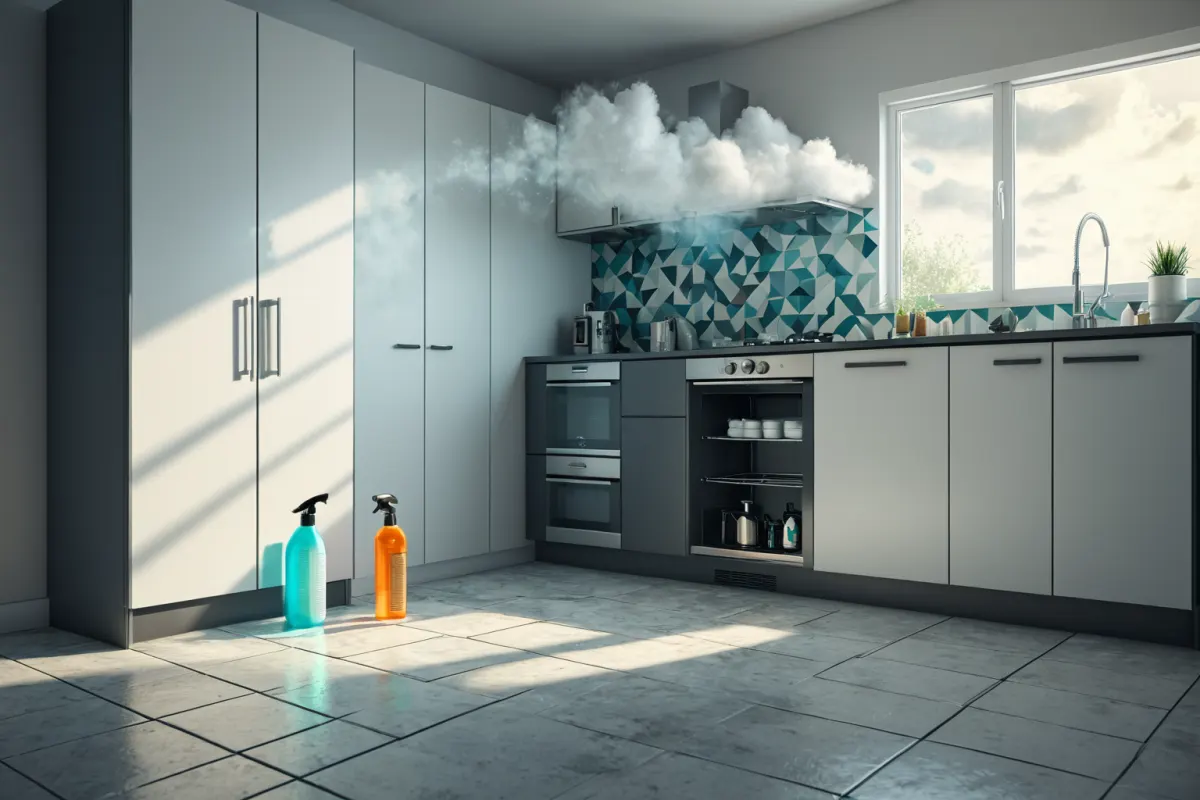
Key Factors in Choosing Wipe's Fragrance and Formula
When selecting a Wipe deodorizer, prioritize how well it reduces specific odors over the strength of its fragrance. Sweet scents can clash with food smells (creating strong opinions), while fresh scents tend to work better for bathrooms or shoe areas.
In terms of ingredients, choose subtle fragrances if you have allergies or pets. For households with cats or dogs, avoid placing them near freshly sprayed areas and ensure proper ventilation afterward.
Consider the room's purpose when selecting a scent: living rooms benefit from lighter scents that don't linger too much, while entryways or bathrooms can handle bolder fragrances. The same product may feel very different depending on where it's used.
Common Pros and Cons Based on User Reviews
Users frequently mention the immediate relief Wipe provides—especially useful for quick fixes before guests arrive, car rides, or outings when you need to freshen a space fast.
However, some note that effectiveness fades if the odor source remains. For instance, trash bins, damp towels, or clogged drains can limit how well deodorizers work alone.
Most real-user experiences suggest Wipe works best as a supplementary tool rather than a standalone solution: "It's not about fixing everything in one go but combining it with ventilation for better results." This realistic expectation leads to higher satisfaction.
Important Tips for Homes With Cats
If you have cats, avoid using strongly scented Wipe near areas they frequent. Cats have sensitive noses, and what seems mild to humans can be overwhelming for them.
For example, if you spray near the bathroom or entryway where your cat walks often, keep them away until it dries. Instead of spraying entire rooms, focus on odor hotspots with short bursts.
Homes with pets should prioritize ventilation, laundry, and fabric care over deodorizers alone. For litter box odors, first adjust the cleaning schedule and clean surrounding areas before using Wipe as a supplement.
Usage Duration and Replacement Timing
How long Wipe lasts depends on its form: spray versions offer quick results but shorter duration, while room-specific products provide subtle, longer-lasting effects but may be slower with strong odors.
Rather than focusing on how long the scent remains, track when odors start returning. Entryways and shoe areas that get opened frequently will need more frequent reapplication.
Instead of repeating the same amount whenever odors return, note patterns like rainy days, heavy cooking days, or after wearing sneakers to anticipate when you'll need to refresh your space.
Odor Testing Checklist
To test odors effectively, avoid mixing multiple smells at once. Comparing cigarette smoke, food odor, and bathroom smell together makes it hard to assess results accurately.
The simplest method is testing two similar areas side by side: leave one shoe cabinet untreated while applying Wipe lightly to the other. Compare how each feels after 10 or 30 minutes.
What matters most isn't how strong the scent is but whether unpleasant lingering odors decrease. A strong initial fragrance that fades quickly leads to lower satisfaction, while a subtle scent that keeps odors away creates better long-term results.
FAQ
Q1. Which odors work best with Wipe deodorizer?
A. It works well on everyday odors where the source is clear, such as cigarette smoke, food smells, bathroom odors, and shoe closet odors.
Q2. Does Wipe work immediately after spraying?
A. You'll notice quick results, but effectiveness fades if the odor source remains. For best results, use it alongside ventilation for stable outcomes.
Q3. Can I use Wipe in a home with cats?
A. Yes, but apply it sparingly without strong fragrances. After spraying, ventilate well and keep pets away until dry.
Wipe deodorizer isn't designed to eliminate odors completely—it's an effective lifestyle tool when matched correctly to odor types. For best results, address the root cause of smells first and use Wipe as a supplementary aid. Always check product details for specific ingredients, fragrances, and recommended usage areas before purchasing.
Continue exploring similar topics.
View Category ArticlesFAQ
Which odors work best with Wipe deodorizer?
It works well on everyday odors where the source is clear, such as cigarette smoke, food smells, bathroom odors, and shoe closet odors.
Does Wipe work immediately after spraying?
You'll notice quick results, but effectiveness fades if the odor source remains. For best results, use it alongside ventilation for stable outcomes.
Can I use Wipe in a home with cats?
Yes, but apply it sparingly without strong fragrances. After spraying, ventilate well and keep pets away until dry.
Korean Source
This article is an English localization of a Korean-language report from BlogScore. Original: 위프 탈취제, 어떤 냄새에 효과적인지 냄새 유형별 테스트