
Why You Should Avoid Going Out During Seoul's Extreme Heat Warning
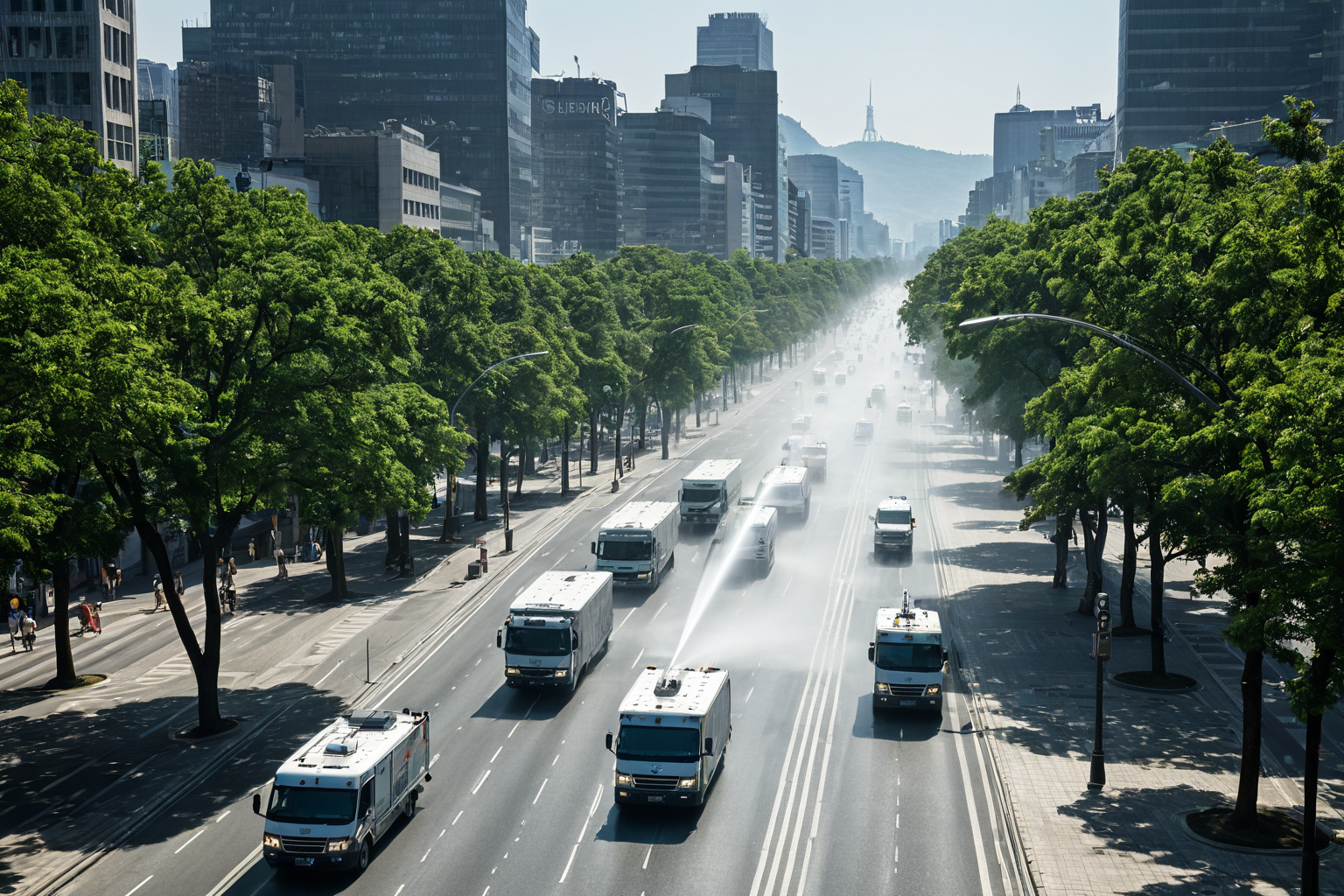
Seoul is experiencing a life-threatening heatwave, with maximum temperatures reaching 39 degrees Celsius and perceived temperatures exceeding 38 degrees. The government and Seoul City are strongly urging residents to avoid unnecessary外出 (outdoor activities), while deploying water sprinklers and implementing comprehensive measures. This is part of efforts to prevent health risks and loss of life from the extreme heat, particularly focusing on protecting vulnerable populations and enhancing step-by-step safety guidelines.
Extreme Heat Warning Criteria and Current Situation
The Seoul Extreme Heat Warning is issued when maximum temperatures reach 39°C or higher and perceived temperatures exceed 38°C. This level of heat poses a life-threatening risk, particularly affecting southeastern and southwestern regions. The first such warning was issued in Seoul on August 4, 2026, with temperatures surpassing 39 degrees throughout the day.
According to the Korea Meteorological Administration, when perceived temperatures exceed 38°C, sweat evaporation is reduced, making it difficult for the body to regulate temperature. This can lead to serious health issues such as heatstroke and dehydration, especially dangerous for elderly individuals, children, and those with chronic illnesses.
Public Safety Guidelines: 'Stop, Move, Check'
The recommended safety guidelines during an Extreme Heat Warning are 'Stop, Move, Check.' This means staying indoors to rest when outdoors, moving only when necessary, and checking both your surroundings and health status. Seoul City and the government are emphasizing these steps to minimize heat-related fatalities.
This guideline goes beyond simply advising against going out; it provides specific actions: 'Stop' refers to taking breaks in cool places to lower body temperature, 'Move' means avoiding rapid movements when moving indoors, and 'Check' involves monitoring your health and environment.
Seoul City is implementing step-by-step safety education programs for schools and businesses, with enhanced measures specifically tailored to protect vulnerable groups. Gyeonggi Province and Osan City are also providing public guidelines before Extreme Heat Warnings are issued, while checking on foreign workers and livestock damage.
Systematic Strengthening of Heat Response: National Emergency Management Office Upgraded to Level 2
The issuance of the Seoul Extreme Heat Warning represents a Level 2 response by the National Disaster Safety Headquarters (National Emergency Management Office), prioritizing protection for vulnerable populations. On August 3, 2026, Level 2 measures were activated with directives to strengthen protection for heat-vulnerable groups.
As a result, Seoul City has deployed water sprinklers to cool outdoor areas such as roads and parks, supporting citizens in staying safely indoors. Schools are also conducting step-by-step safety education programs to teach students how to respond to extreme heat, focusing on protecting children and teenagers' health.
While urging residents to avoid going out during an Extreme Heat Warning, Seoul City is also providing guidance on safe indoor activities. This comprehensive approach goes beyond simply advising against outdoor activity, aiming for improved health management and lifestyle habits.
Tailored Response for Vulnerable Groups
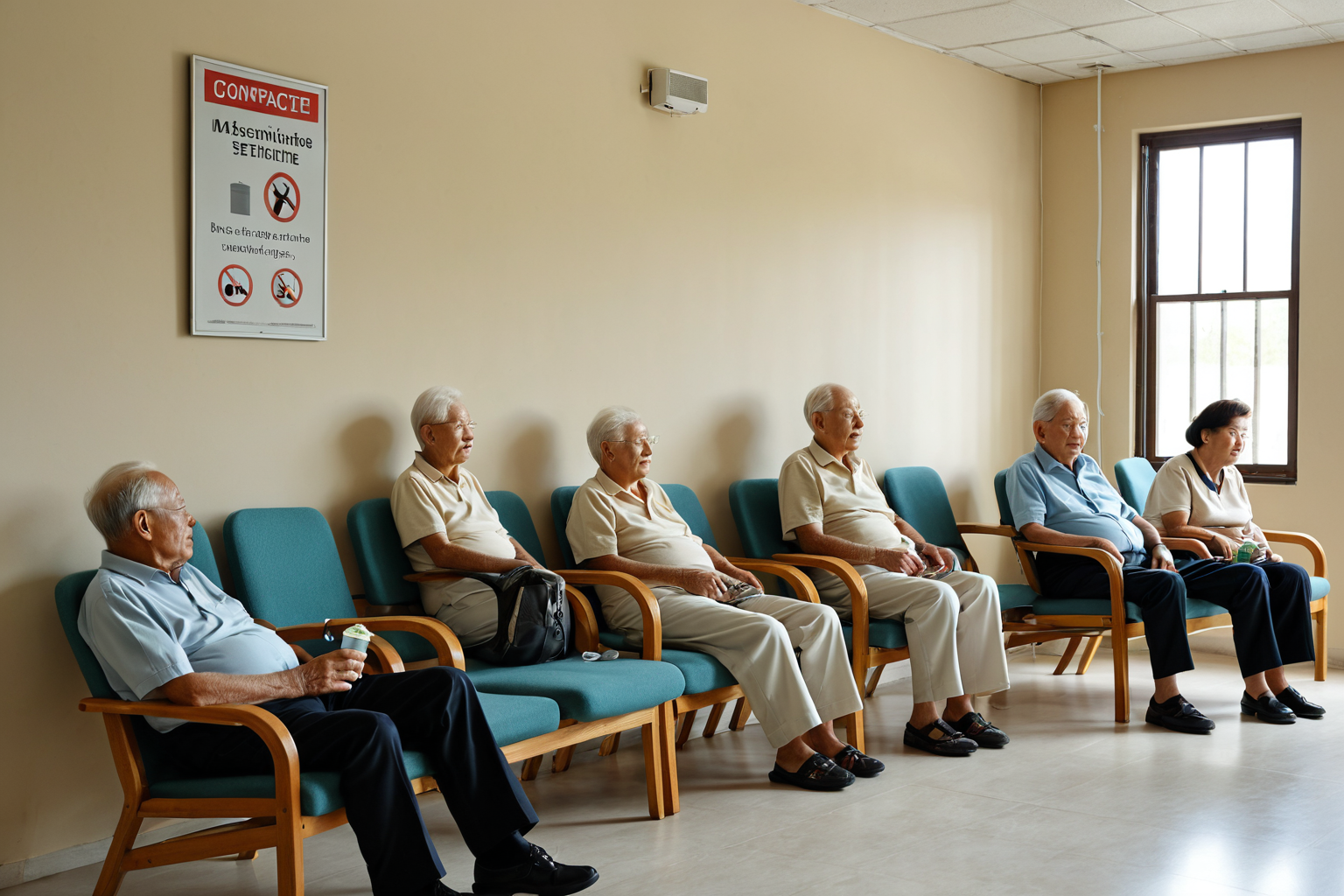
Extreme heat poses greater risks to elderly individuals, those with chronic illnesses, and children. Seoul City has established special protective measures for these groups. For example, senior welfare centers and medical facilities are operating dedicated heat response facilities, providing indoor rest spaces for people who cannot go outside.
Gyeonggi Province and Osan City are also guiding citizens on safety guidelines before Extreme Heat Warnings are issued, while conducting checks on vulnerable populations, foreign workers, and livestock damage. This represents a comprehensive approach to minimizing the impact of extreme heat across the entire community.
Seoul's response has evolved beyond simple weather-related measures into tailored policies considering social vulnerability. This is especially significant as it marks the first time an Extreme Heat Warning has been issued in Seoul.
Historical Background of the Extreme Heat Warning
The first Extreme Heat Warning in Seoul was issued on August 4, 2026, due to 'killer heat' conditions. Prior to this, the Korea Meteorological Administration had managed heat warnings through a phased system, but extreme temperatures led to the addition of this new warning level.
On August 5, 2026, Gyeonggi Province also issued its first Extreme Heat Warning, with Governor Chung Mi-ae emphasizing that preventing human casualties should be the top priority. This demonstrates stronger coordinated response efforts between Seoul and Gyeonggi regions.
The heat response measures by Seoul City and Gyeonggi Province go beyond simple weather management to reflect a comprehensive approach considering social vulnerability and environmental changes. These practices will serve as important references for future responses to increasingly frequent extreme weather events.
Checking Heat Response Information and Safety Guidelines
Seoul City and the government are recommending residents avoid unnecessary outdoor activities during an Extreme Heat Warning, offering various channels for real-time information updates. Citizens can monitor heat conditions through the Korea Meteorological Administration app, Seoul City website, or social media platforms.
Safety guidelines for indoor settings are also important. It is recommended to maintain appropriate air conditioning temperatures, drink enough water, and ensure sufficient rest periods. Elderly individuals and those with chronic illnesses should avoid going out during heatwaves and regularly check in with neighbors to monitor their health status.
Seoul City emphasizes the 'Stop, Move, Check' guidelines as a comprehensive approach beyond simple outdoor avoidance, contributing to minimizing health risks associated with extreme heat.
Frequently Asked Questions
Why is avoiding going out necessary during an Extreme Heat Warning?
An Extreme Heat Warning signifies life-threatening conditions with maximum temperatures of 39°C and perceived temperatures over 38°C. Going outside can lead to serious health issues like heatstroke or dehydration, making avoidance strongly recommended.
What are the criteria for issuing an Extreme Heat Warning in Seoul?
The warning is issued when maximum temperatures reach 39°C or higher and perceived temperatures exceed 38°C. This level of heat poses significant risks, especially to vulnerable populations.
What safety guidelines should citizens follow during an Extreme Heat Warning?
The recommended guideline is 'Stop, Move, Check.' When outdoors, seek indoor rest; when moving, avoid rushing; and regularly check your surroundings and health status.
What measures are the government and Seoul City taking during an Extreme Heat Warning?
Seoul City is deploying water sprinklers, enhancing protection for vulnerable groups, and conducting step-by-step safety education in schools. The National Emergency Management Office has been upgraded to Level 2 with a focus on protecting heat-vulnerable populations.
Frequently Asked Questions
The issuance of Seoul's Extreme Heat Warning reflects the life-threatening nature of extreme temperatures, going beyond simple outdoor avoidance to require comprehensive responses that address social vulnerability. The coordinated efforts by Seoul City and the government aim to minimize health risks from heatwaves, with a particular focus on protecting vulnerable groups.
Seoul City's proactive response, including step-by-step safety education programs and tailored measures for vulnerable populations, demonstrates a shift toward more comprehensive approaches in dealing with extreme weather. Citizens are encouraged to follow the 'Stop, Move, Check' guidelines to stay safe during heatwaves.
Moving forward, coordinated responses between Seoul and Gyeonggi Province will likely strengthen further, providing valuable lessons for future extreme weather events. Avoiding outdoor activity during an Extreme Heat Warning is not just a recommendation but a necessary measure for protecting health and saving lives.
You can view similar articles on this topic in one place.
View Related ArticlesFAQ
Why is avoiding going out necessary during an Extreme Heat Warning?
An Extreme Heat Warning signifies life-threatening conditions with maximum temperatures of 39°C and perceived temperatures over 38°C. Going outside can lead to serious health issues like heatstroke or dehydration, making avoidance strongly recommended.
What are the criteria for issuing an Extreme Heat Warning in Seoul?
The warning is issued when maximum temperatures reach 39°C or higher and perceived temperatures exceed 38°C. This level of heat poses significant risks, especially to vulnerable populations.
What safety guidelines should citizens follow during an Extreme Heat Warning?
The recommended guideline is 'Stop, Move, Check.' When outdoors, seek indoor rest; when moving, avoid rushing; and regularly check your surroundings and health status.
What measures are the government and Seoul City taking during an Extreme Heat Warning?
Seoul City is deploying water sprinklers, enhancing protection for vulnerable groups, and conducting step-by-step safety education in schools. The National Emergency Management Office has been upgraded to Level 2 with a focus on protecting heat-vulnerable populations.
Korean Source
This article is an English localization of a Korean-language report from BlogScore. Original: 서울 폭염중대경보 발령 시 외출 자제해야 하는 이유