
Why Was Empress Myeongseong Murdered? A Historical Analysis

The Historical Facts of Empress Myeongseong's Assassination
Empress Myeongseong was assassinated by Japanese imperial forces on October 8, 1895, during the Eulmi Incident. The assassination was directly orchestrated by a Japanese diplomat, and she reportedly endured 'desecration' before her death. The Japanese celebrated this act as heroic, awarding the perpetrator a medal, and her body is believed to have been burned.
Empress Myeongseong's Political Role and the Assassination
As queen consort of Joseon, Empress Myeongseong wielded significant political power. Her influence over the royal court was seen as a threat by Japanese imperial forces, which is considered one of the key reasons for her assassination.
Historical records indicate that a Japanese diplomat left behind a confession letter detailing the assassination. This document is regarded as evidence that Japan's imperial forces directly orchestrated the murder. Additionally, Japanese officials were awarded medals for what they viewed as a heroic act.
The Circumstances of the Eulmi Incident and the Assassination
On October 8, 1895, the Eulmi Incident occurred. It has been confirmed that a Japanese diplomat personally directed the assassination, and Empress Myeongseong reportedly endured 'desecration' before her death. Historical records suggest her body was burned.
The incident, which took place while Empress Myeongseong was actively involved in politics as queen consort, is historically regarded as a state crime. It has led to ongoing protests against Japanese imperialism and historical debates. This event became a pivotal moment in the relationship between the Joseon royal court and Japan.
The Connection Between Japanese Imperialism and Empress Myeongseong's Assassination
Historians analyze Empress Myeongseong's assassination as part of Japan's strategic goal to control Korea. As a powerful political figure who opposed Japan's colonial plans, her death was a calculated move by Japanese imperial forces.
The direct involvement of a Japanese diplomat in the assassination and the subsequent awarding of medals to those involved are recorded as a representative case illustrating Japan's political and military ambitions. The fact that Japanese society at the time viewed this act as heroic reflects how it was perceived domestically.
Survival Theories and Related Controversies
Some theories suggest Empress Myeongseong survived the assassination, but historical records and evidence collectively confirm her death on October 8, 1895, during the Eulmi Incident.
The Chiha-po incident is believed to be a retaliation related to Empress Myeongseong's assassination, though its exact nature remains unclear. This event is considered another historical occurrence connected to her death and continues to be studied. An ancestor of Ahn Sang-ho (a historical figure) is suspected to have participated in the assassination, but only partial documentation of this has been verified.
Modern Interpretations of Empress Myeongseong's Assassination
The assassination remains a subject of historical debate and is recognized as a state crime by Japanese imperialism. It became a pivotal moment that shaped the relationship between Joseon and Japan, later being recorded as an important event in Korean history.
Her death should be analyzed within its political and historical context rather than seen merely as an assassination. Her influence over the royal court and Japan's attempts to exert control were central factors in this event.
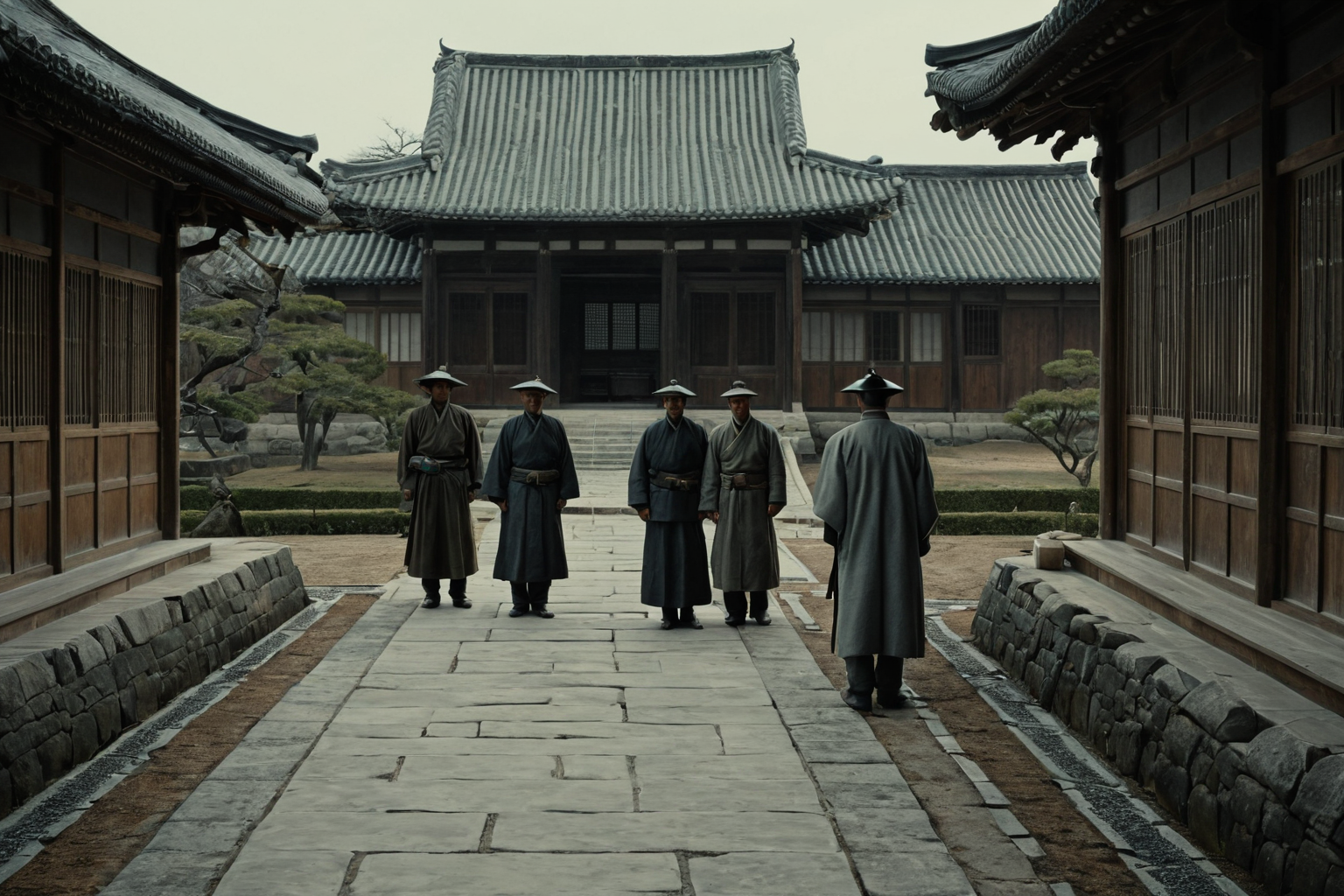
Historical Evaluation of Empress Myeongseong's Assassination
The assassination, which occurred during the 1895 Eulmi Incident at the hands of Japanese imperial forces, is historically regarded as a state crime. A Japanese diplomat directly orchestrated the murder, and she reportedly endured 'desecration' before her death.
Japanese citizens celebrated this act as heroic, awarding medals to those involved, while her body was believed to have been burned. These details reflect Japan's political and military ambitions and its strategic plan to control Korea.
Cultural Content Related to Empress Myeongseong's Assassination
The assassination has inspired various cultural works including dramas, musicals, and films. This demonstrates how historical events are interpreted and reimagined in modern society.
Interest in Empress Myeongseong's life continues to grow, reflecting contemporary trends of consuming historical figures through cultural content. Musicals and dramas about her life provide diverse interpretations of her story and the assassination, drawing public attention.
Verifying the Assassination
The incident can be verified through historical records and evidence such as a confession letter from the Japanese diplomat involved, proof of desecration, and documentation regarding burning the body.
Ongoing historical discussions and commemorative activities led by Japanese media and military aim to refute the assassination's portrayal as mere murder, instead advocating for its recognition as a state crime.
Frequently Asked Questions
How did Empress Myeongseong die?
She was assassinated on October 8, 1895, during the Eulmi Incident by Japanese imperial forces. She reportedly endured 'desecration' before her death, and her body is believed to have been burned.
Why did Empress Myeongseong's assassination occur?
Japanese imperialism assassinated her to control Korea. As a powerful political figure who opposed Japan's colonial plans, she was seen as a threat.
What historical significance does the assassination hold?
The assassination is recognized as a state crime committed by Japanese imperialism. It became a pivotal moment in Joseon-Japan relations and was later recorded as an important event in Korean history.
Frequently Asked Questions
The assassination of Empress Myeongseong, which occurred during the 1895 Eulmi Incident at the hands of Japanese imperial forces, is historically regarded as a state crime. A Japanese diplomat directly orchestrated the murder, and she reportedly endured 'desecration' before her death.
Japanese citizens celebrated this act as heroic, awarding medals to those involved, while her body was believed to have been burned. These details reflect Japan's political and military ambitions and its strategic plan to control Korea.
The assassination should not be viewed merely as a murder but analyzed within its historical context. Her influence over the royal court and Japan's attempts to exert control were central factors, and it later became an important event recorded in Korean history.
Understanding this historical fact helps modern society reflect on Japan's past imperialism.
You can view more articles on similar topics at once.
View Related ArticlesFAQ
How did Empress Myeongseong die?
She was assassinated on October 8, 1895, during the Eulmi Incident by Japanese imperial forces. She reportedly endured 'desecration' before her death, and her body is believed to have been burned.
Why did Empress Myeongseong's assassination occur?
Japanese imperialism assassinated her to control Korea. As a powerful political figure who opposed Japan's colonial plans, she was seen as a threat.
What historical significance does the assassination hold?
The assassination is recognized as a state crime committed by Japanese imperialism. It became a pivotal moment in Joseon-Japan relations and was later recorded as an important event in Korean history.
Korean Source
This article is an English localization of a Korean-language report from BlogScore. Original: 명성황후 왜 시해당했는가? 역사적 사건 분석