
Why the U.S. Imposes Forced Labor Tariffs: Key Points Explained
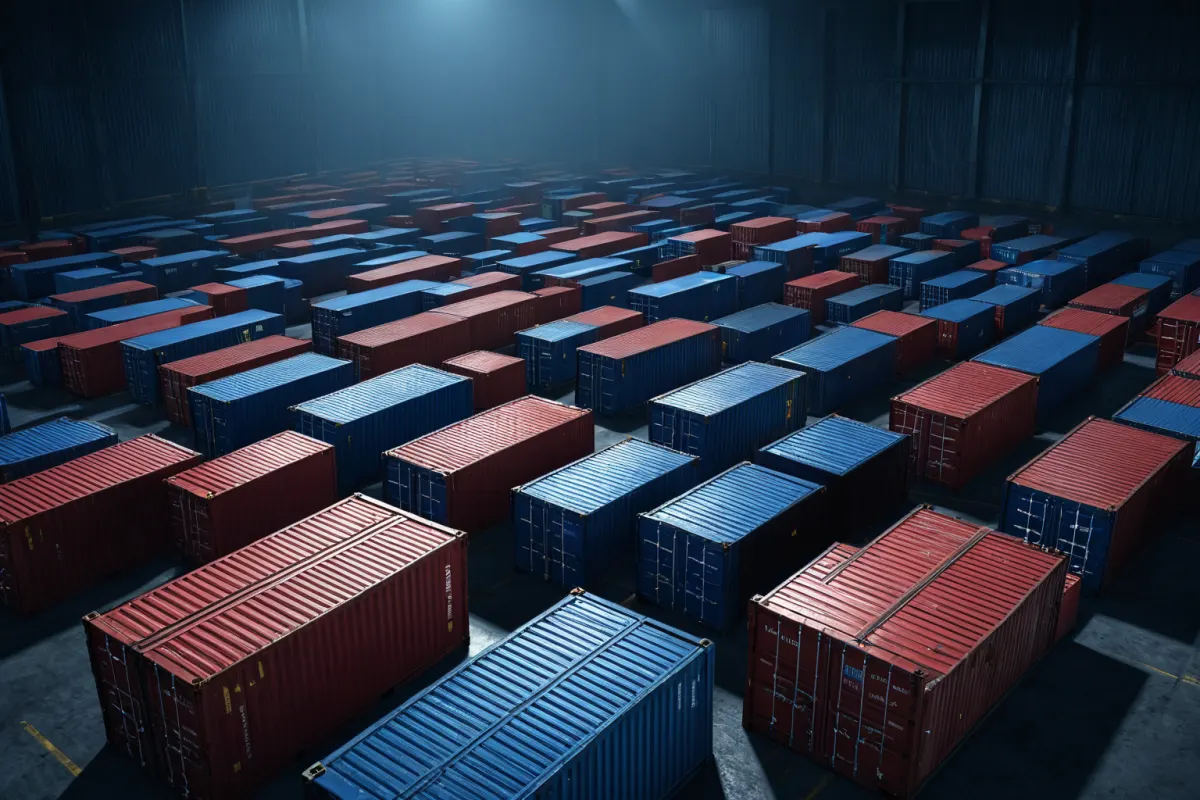
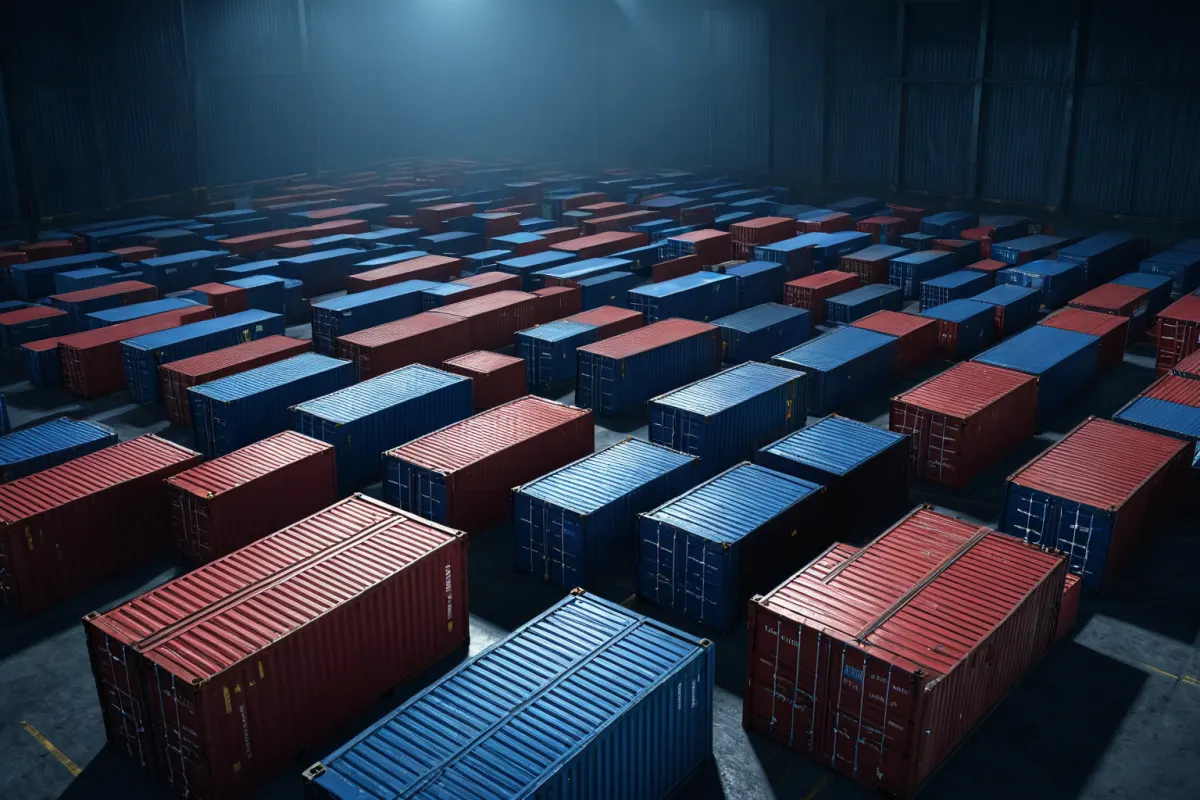
The U.S. forced labor tariff is a customs measure designed to block imports of products linked to forced labor. The core issue isn't about low prices—it's that if there are suspicions of forced labor in the production process, goods cannot enter the U.S. market or may face halted customs clearance.
Thus, this tariff operates as a much stronger form of pressure than regular taxes. For businesses, failing to properly prepare origin documents and supply chain evidence can lead to delayed shipments, returns, or even trade disruptions.
The Basic Mechanism of U.S. Forced Labor Tariffs
This measure is typically applied when specific products are deemed to be made using forced labor. U.S. customs can block imports by reviewing documentation, production history, and transaction structures if they suspect issues.
Crucially, it's not a case of paying a tariff to gain entry—depending on the situation, goods may face outright import halts or seizure-like actions, creating significant burdens for businesses.
For example, items with long global supply chains like apparel, electronic components, and solar products require more detailed evidence. If a company cannot explain where materials came from or which factories produced them, customs clearance is likely to be blocked.
You can find similar articles in one place.
View Related ArticlesHuman Rights Issues Behind the Imposition
The reason the U.S. enforces these measures strongly goes beyond trade disputes. Allowing products made with forced labor into the market effectively tolerates human rights violations.
Internationally, distinguishing between low-wage labor and forced labor is critical. It's not enough to say wages are low—forced labor involves restrictions on movement, violence, coercion, or debt bondage that strip workers of their freedom.
Because these standards are strict, a simple statement like "our factory is fine" isn't sufficient. Companies must explain their entire supply chain, including subcontractors and raw material suppliers, backed by site inspection records or certification documents.
Why the Debate Is Intensifying
The forced labor tariff has become controversial because its scope is broader than expected. It doesn't just target companies directly using forced labor but can affect businesses if any part of their supply chain has issues.
Another factor is the burden of proof. Businesses often must prove "no problem exists," and without proper documentation, they may face unjust outcomes. Meanwhile, customs officials can quickly halt imports based on suspicion, increasing administrative pressure.
In practice, companies sometimes relax document management when switching suppliers to meet cost targets. This often leads to weaker evidence for origin and labor due diligence—key areas that get scrutinized first during customs checks.
Documents Businesses Actually Prepare
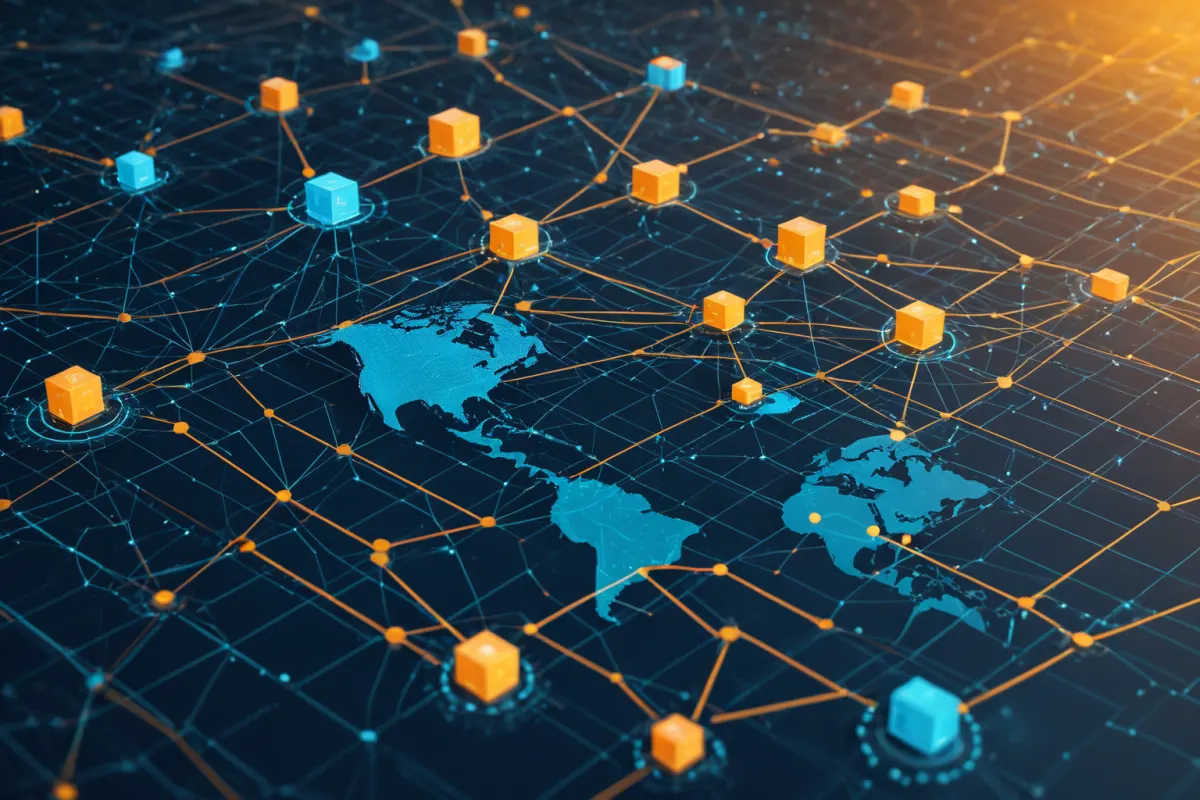
The most common documents businesses prepare include supply chain flowcharts, transaction details, raw material purchase contracts, production records, and on-site inspection reports. Perfection isn't required from the start, but companies must be able to trace where products come from and how they're made.
For example, if a clothing company sews garments in Vietnam using Chinese fabric, it needs to separately track both the fabric supplier and sewing factory information. Simply stating "made in Southeast Asia" won't suffice for customs explanations.
A simple starting point is listing item names, partner companies, production countries, arrival dates, and document locations on a single Excel sheet. This basic tracking list becomes the foundation for responding to customs issues later.
Impact on Consumers and Investors
This issue isn't just about businesses. Blocked customs clearance can delay product launches, disrupt retail supply schedules, and ultimately affect consumer prices.
From an investor perspective, this is a supply chain risk. Companies overly dependent on specific countries or with complex subcontracting structures may face unexpected costs, even if short-term performance looks good.
For example, a company sourcing a single electronic component from one country could struggle to find alternatives quickly if that item faces sanctions. This can lead to simultaneous inventory shortages, production delays, and contract issues.
Quick Overview of Key Points
- The key factor in determining tariffs is whether forced labor was used.
- It can block imports more effectively than imposing a tariff.
- Businesses must provide evidence for their entire supply chain.
- Weaker origin and production history management increases risk.
Common Mistakes in Practice
The most frequent error is focusing only on subcontractor contracts while neglecting physical site verification. Even if paperwork shows a contract, mismatched operations at the factory can make customs responses difficult.
Another common issue is poor management of sub-contractors. Many companies verify only direct partners and ignore lower-level suppliers, but most risks actually originate from these smaller subcontractors. So saying "we don't use forced labor" isn't enough on its own.
In reality, businesses should schedule regular supply chain audits quarterly and conduct pre-shipment checks for key items. Even small companies can benefit from having a routine system to speed up responses when issues arise.
Frequently Asked Questions
Q1: Are U.S. forced labor tariffs the same as general tariffs?
No. General tariffs involve paying taxes to import goods, but forced labor-related measures can block imports entirely.
Q2: Can customs halt shipments based on suspicion alone?
This varies by case, but if customs officials suspect issues, they may request additional documents or pause imports. That's why pre-emptive documentation is crucial.
Q3: Do small businesses need to prepare for this too?
Yes. Regardless of size, any business exporting overseas or working with U.S. buyers must maintain supply chain evidence. Smaller companies should at least build a simple document system as a safety measure.
Since recent application cases and enforcement directions change frequently, it's advisable to review the latest customs guidelines before any export-import activity.
Continue exploring similar topics.
View Category ArticlesFAQ
Are U.S. forced labor tariffs the same as general tariffs?
No. General tariffs involve paying taxes to import goods, but forced labor-related measures can block imports entirely.
Can customs halt shipments based on suspicion alone?
This varies by case, but if customs officials suspect issues, they may request additional documents or pause imports. That's why pre-emptive documentation is crucial.
Do small businesses need to prepare for this too?
Yes. Regardless of size, any business exporting overseas or working with U.S. buyers must maintain supply chain evidence. Smaller companies should at least build a simple document system as a safety measure.
Korean Source
This article is an English localization of a Korean-language report from BlogScore. Original: 미 강제노동 관세, 왜 부과됐나 핵심 쟁점