
Why the Passing of a Female Firefighter Draws Attention
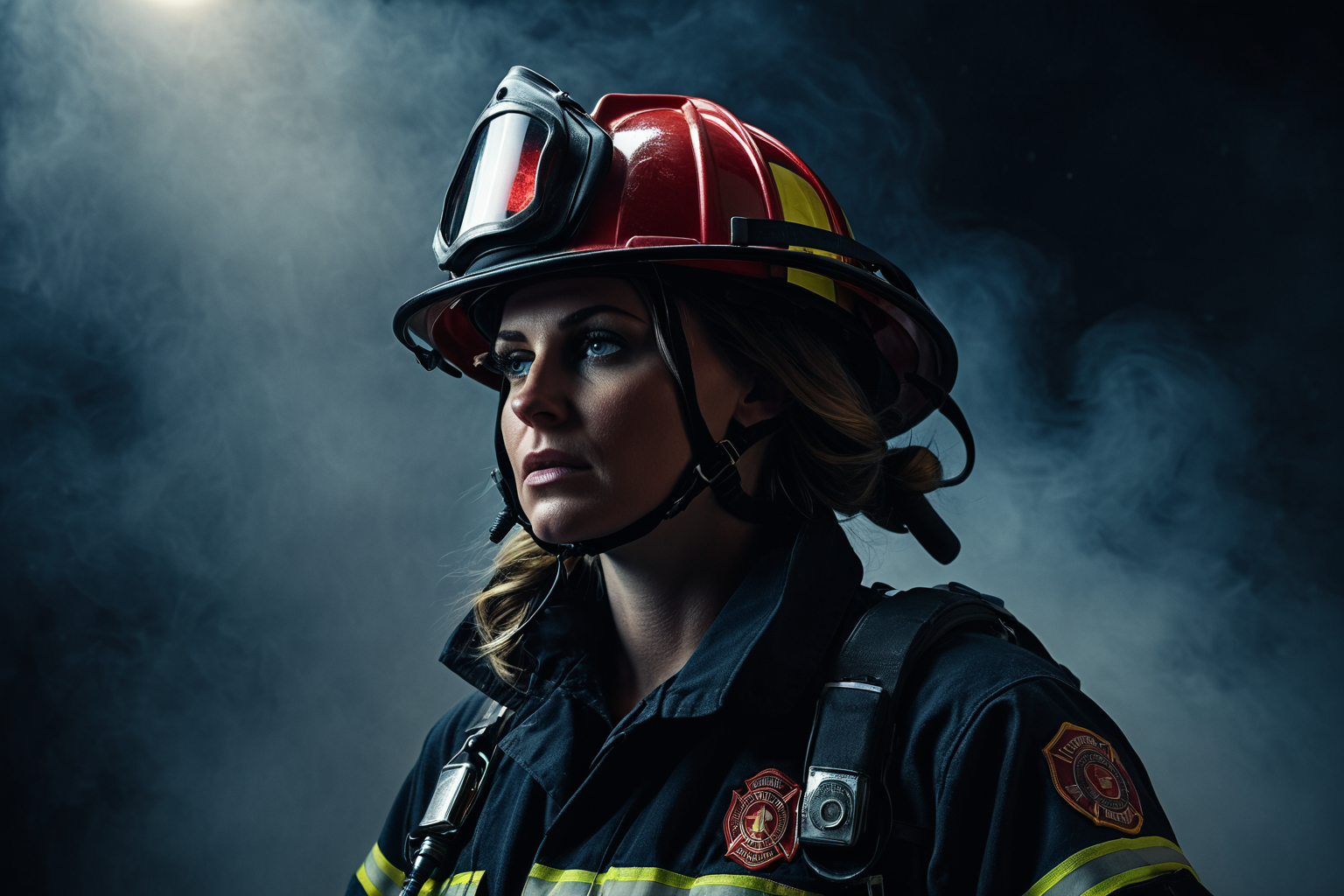
The reason why the passing of a female firefighter has drawn attention is not merely due to one person's unfortunate sacrifice but also because it reveals the dangers of fire service work and underlying structural problems. Whether male or female, most fatalities cannot be attributed solely to individual error; equipment, staffing, command systems, and safety procedures must all be examined.
What many people searching for information want to know is ultimately this: why do such incidents keep happening, are there different perceptions because she was a woman, and what actually needs to change at the scene?
Why Female Firefighter Fatalities Stand Out
There are several reasons why fatalities involving female firefighters receive more attention from media and the public. First, female firefighters remain relatively few in number, so one loss is more memorable. This is compounded by the male-dominated culture of fire services, deployment practices, and ongoing debates about physical standards, making it a social issue.
Another reason is that outdated views like 'why should women do such dangerous work?' still persist. In reality, job performance ability and safety systems are more important than gender, yet when fatalities occur, they are often interpreted through a gender lens.
You can find similar articles on this topic in one place.
View Related ArticlesCommon On-Site Risks Highlighted in Fatalities
Firefighter fatalities are rarely just about a single fire scene. Multiple risks often overlap, including building collapses, toxic gas inhalation, poor visibility, unexpected explosions, and falling structures. Situations can deteriorate rapidly within minutes after entering the scene.
For example, in underground fires, smoke and heat build up quickly, and oxygen deficiency inside may be more dangerous than visible flames from outside. In such cases, equipment condition, team communication, and retreat decisions determine survival.
The risk of fatality is not inherently different for female firefighters. However, ill-fitting gear, prolonged use of heavy protective equipment, or inefficient team composition can increase on-site burden. Therefore, it's the organization's preparedness level, not individual ability, that matters most.
Gender Ratio and Deployment Debate
The proportion of female firefighters is gradually increasing, but perceptions vary by department—firefighting, rescue, medical response, or administration. Especially in firefighting and rescue roles, male dominance remains high, raising questions about how much actual field work female firefighters perform.
What matters isn't whether they're deployed but under what conditions they can be safely deployed. Even with the same call-out, factors like two-person teams, properly fitting gear, and proper equipment checks make a difference in outcomes.
For instance, even if a female firefighter completes physical training, poor communication upon arrival can increase risks. Conversely, sufficient training and clear role distribution allow teams to function effectively regardless of gender.
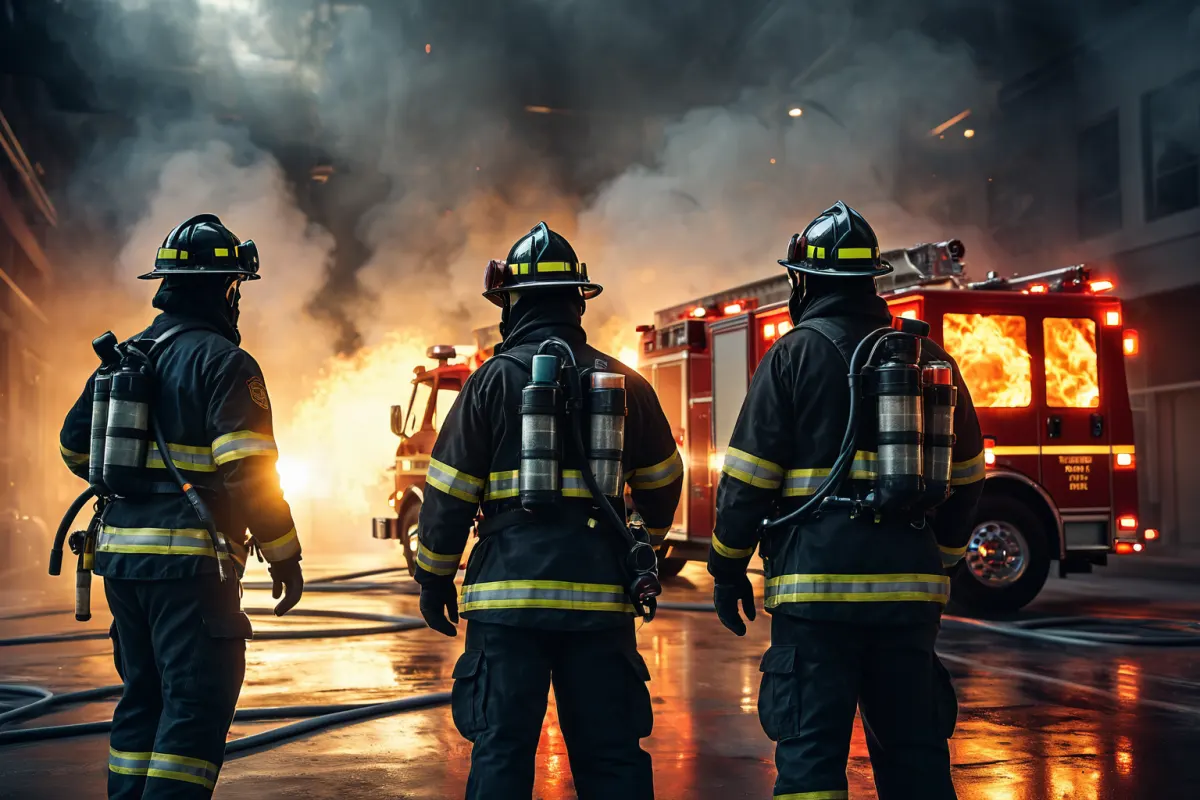
Where Gender Discrimination Concerns Arise
Discrimination concerns around female firefighters often stem from three areas: fairness in recruitment and promotion, imbalanced field deployment, and informal biases. Even if policies appear fair on the surface, male-centric equipment, accommodations, and training methods may still dominate.
Equipment issues are particularly significant. Helmets, fire-resistant suits, gloves, and breathing apparatus that don't fit certain body types reduce work efficiency and increase fatigue quickly. Without improvements in these areas, individual capabilities cannot be fairly assessed.
As discrimination concerns grow, reactions like 'women shouldn't do this' become common—but often the real issue is insufficient system preparation rather than gender itself. That's why when examining fatalities, it's important to look at structural causes rather than emotional responses.
Practical Lessons from Fatality Cases
The first lesson from such cases is that disaster response is always more complex than expected. Scenes don't follow manuals exactly, and small decisions can change outcomes dramatically. This makes realistic pre-training crucial.
Another key point is that safety shouldn't be seen as an individual responsibility alone. Risks like reckless entry, faulty equipment, insufficient personnel, or unclear reporting systems can endanger anyone. The discussion around female firefighter fatalities ultimately highlights this common issue.
When reflecting on real cases, it's more important to ask 'what was missing' rather than 'who sacrificed.' Only then can similar accidents be avoided.
Everyday Fire Safety Knowledge for the Public
While many people feel sorrow when hearing of a firefighter's passing, there are simple safety actions everyone can take daily. Don't ignore fire alarms, avoid blocking hallways or emergency exits with objects, and prevent electrical outlet overloads.
When in apartment buildings or commercial spaces, check stairwell locations and emergency exits regularly instead of just passing by them. Such preparations can reduce rescue time during actual disasters.
In situations where you might want to help but should wait for professional judgment, remember that your well-intentioned actions could increase danger. Helping and safety are separate concerns.
How to View Related Issues
Many people searching about female firefighter fatalities also look into online reactions like 'Female Firefighter Dalku' or 'Female Firefighter Insta.' However, community responses often mix emotion with fact, so it's important to distinguish between the two.
Search terms like 'female firefighter calendar' or 'female firefighter driving' sometimes appear together, indicating that society still finds female firefighters unfamiliar and sometimes focusing more on appearance than their job. As long as this perception remains, fatalities will highlight not just tragedy but also broader occupational perceptions.
In the end, what matters is protecting, training, and deploying personnel based on need—regardless of gender. Without doing so, no sacrifice can be prevented.
FAQ
Q1: Why do cases involving female firefighters draw more attention?
Female firefighters are relatively few in number, making one loss stand out, and the issue becomes intertwined with gender perception discussions.
Q2: In what ways does discrimination against female firefighters manifest?
Discrimination often appears subtly through issues like ill-fitting equipment, imbalanced field deployment, or bias in promotions and evaluations.
Q3: What should the public focus on when hearing such news?
It's important to look at the cause of the incident, safety procedures, and whether equipment and staffing systems were functioning properly, rather than focusing solely on individual sacrifice.
Fire-related policies or statistics may change over time, so checking recent data is recommended for up-to-date information.
Continue exploring similar topics.
View Category ArticlesFAQ
Why do cases involving female firefighters draw more attention?
Female firefighters are relatively few in number, making one loss stand out, and the issue becomes intertwined with gender perception discussions.
In what ways does discrimination against female firefighters manifest?
Discrimination often appears subtly through issues like ill-fitting equipment, imbalanced field deployment, or bias in promotions and evaluations.
What should the public focus on when hearing such news?
It's important to look at the cause of the incident, safety procedures, and whether equipment and staffing systems were functioning properly, rather than focusing solely on individual sacrifice.
Korean Source
This article is an English localization of a Korean-language report from BlogScore. Original: 여성 소방관 순직 사례가 주목받는 이유