
Why Staying Indoors Is Essential During Seoul's Highest Heat Warning
Seoul's Extreme Heat Warning Criteria and Risks
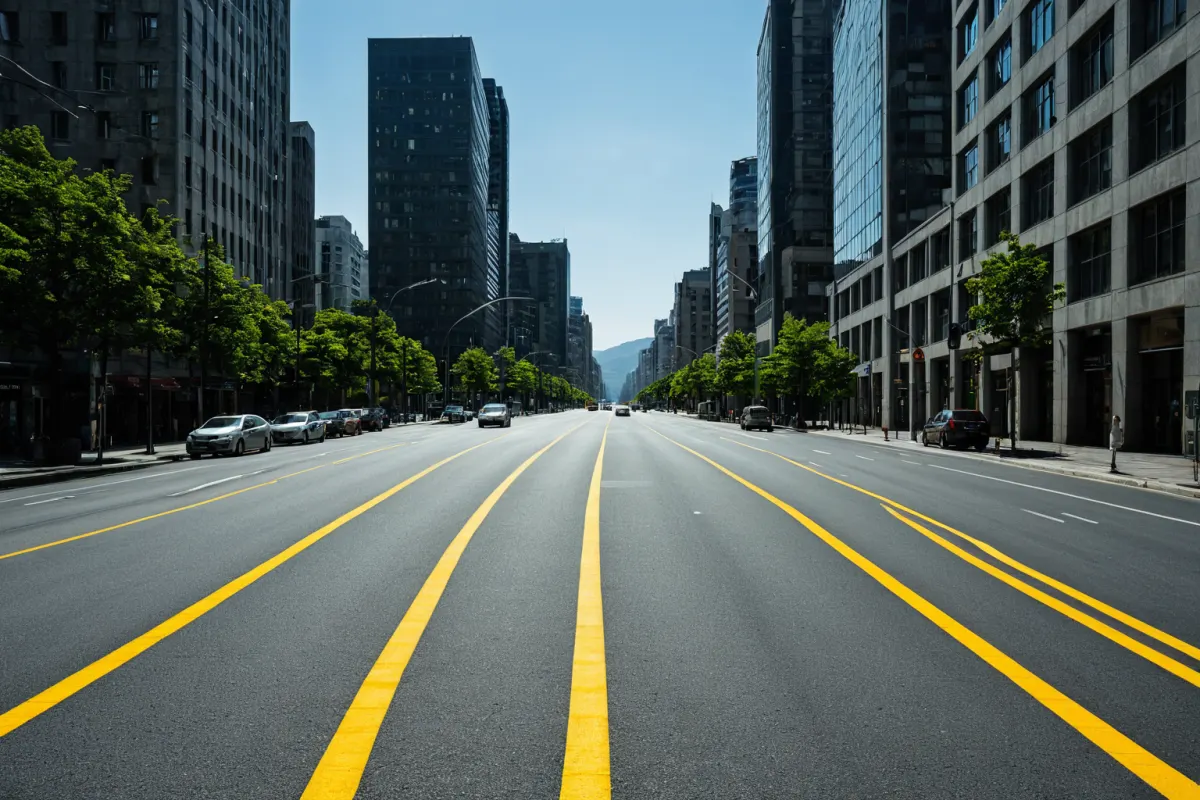
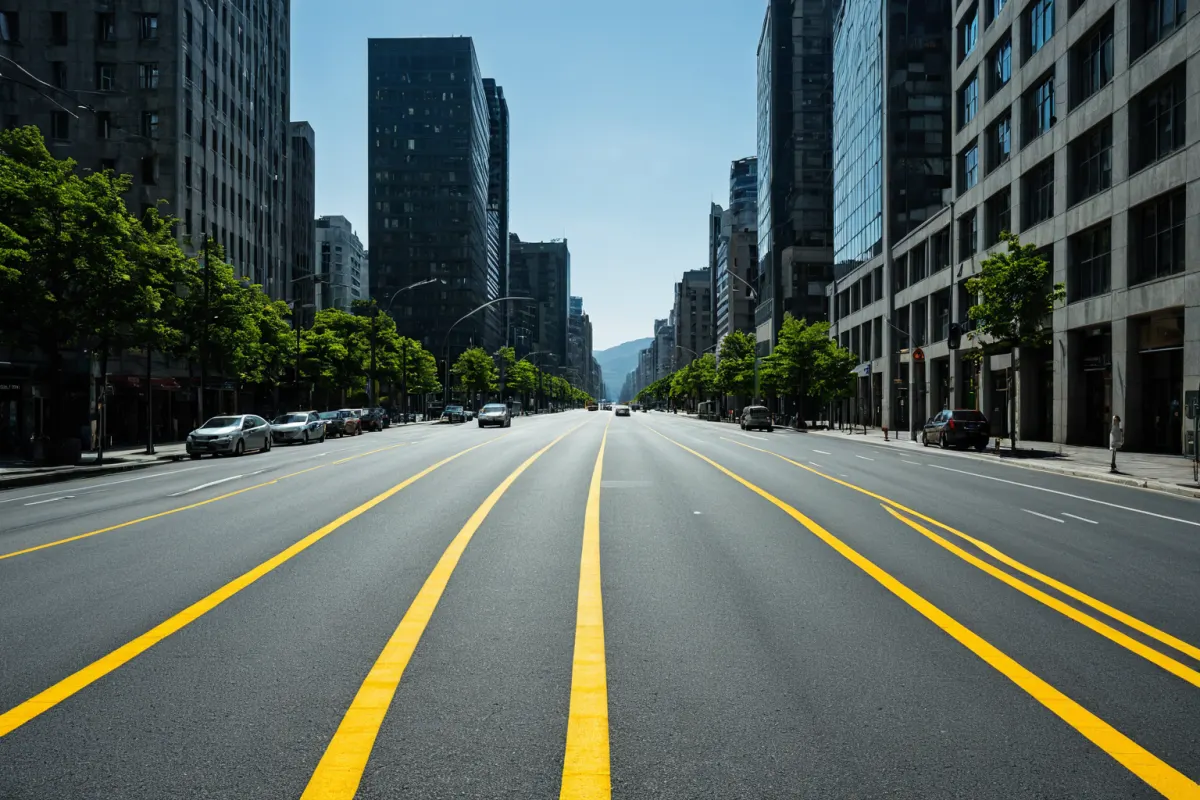
With temperatures reaching 37.9–39°C in Seoul and Gyeonggi, the first 'Extreme Heat Warning' was issued, reflecting a sharp increase in heat-related illness risks. Authorities are implementing emergency measures including water-spraying vehicles, outdoor activity suspensions, and protection for vulnerable groups. The warning threshold is set by the Korea Meteorological Administration as 'two consecutive days of afternoon highs above 38°C,' which is stricter than previous 'Heat Advisory' (35°C) and 'Heat Warning' (37°C). Due to urban heat island effects, temperatures in Seoul and Gyeonggi are often 2–3°C higher than surrounding areas, making the perceived temperature even more severe when the Extreme Heat Warning is issued.
Extreme Heat Warning and Heat Illness Risks
The first Extreme Heat Warning for Seoul-Gyeonggi was confirmed on August 4, 2026. On that day, the afternoon temperature reached 37.9°C with a peak of 39°C. In this extreme heat, 186 cases of heat illness were reported, prompting an upgrade to Level 2 emergency response. Heat illness occurs when the body's temperature regulation fails in high temperatures, particularly when sweating is impaired or hydration is insufficient. Elderly and children are especially vulnerable due to weaker thermoregulation; during this 2026 heatwave, people over 65 accounted for 43% of all heat illness cases.
Heat illness can escalate beyond excessive sweating to severe conditions like heat shock, heat cramps, and heat exhaustion. The risk increases significantly with 'heat waves' (high nighttime temperatures), which occurred continuously in Seoul after August 4, 2026, with three consecutive days of nighttime lows above 25°C. This prolonged heat made it difficult for the body to cool down overnight, further heightening health risks.
Government and Local Government Emergency Response
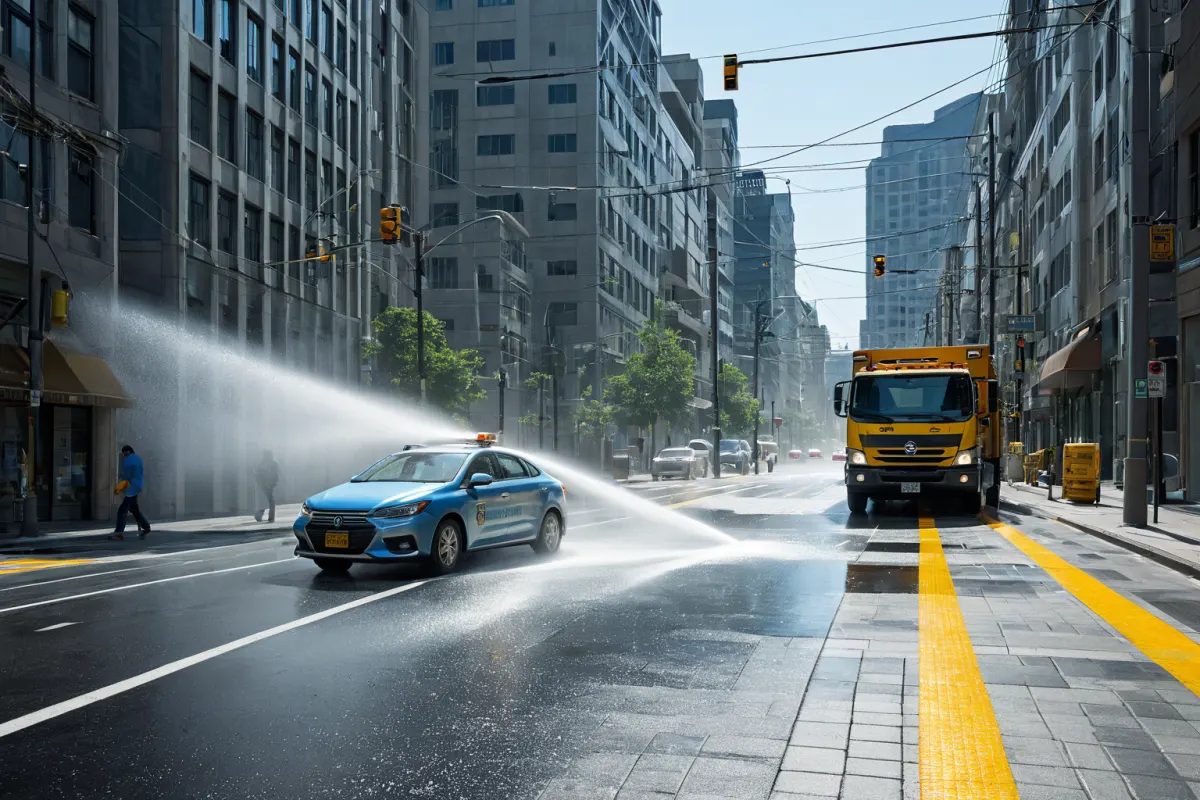
Following the Extreme Heat Warning, authorities deployed water-spraying vehicles to cool urban areas and urged citizens to avoid outdoor activities. Seongdong-gu and Jongno-gu activated emergency response teams with 450 personnel on standby, while implementing protective measures for vulnerable populations. Seoul City launched a 'Heat Response Center' to monitor conditions in real time and provide 24-hour consultation services.
To alleviate the urban heat island effect, water-spraying vehicles were concentrated in high-rise districts and busy roads, targeting heat-absorbing buildings and asphalt. Public institutions and schools suspended outdoor activities between 1 p.m. and 4 p.m., with some universities shifting classes online to ensure student safety.
Throughout Seoul, water-spraying vehicles were seen traversing streets to cool the city, a strategy aimed at mitigating urban heat island effects. Consumer behavior also shifted: visits to department stores between 2–5 p.m. increased by 37% compared to the previous year, while delivery app usage rose by 29%. This reflects a trend of people avoiding outdoor activities and seeking comfort indoors instead.
Personal Measures for Heat Illness Prevention
During an Extreme Heat Warning, staying indoors is essential. Avoid outdoor activity during midday heat, stay hydrated, and replenish salt and electrolytes if sweating heavily. Rest in shaded areas or use air conditioning to regulate body temperature.
Especially for the elderly and children, who are more vulnerable to heat, family members or neighbors should check on them regularly. When outdoors is unavoidable, seek shade and well-ventilated areas. Indoors, set air conditioners above 26°C to balance temperature control with energy efficiency.
Indoor cooling strategies are also important. Open windows for ventilation or use fans to circulate air, especially when heat builds up inside buildings. Drink water frequently and wear light clothing to help stay cool.
The Historical Significance of Seoul's Extreme Heat Warning
Seoul's first Extreme Heat Warning was issued on August 4, 2026—a result of the Korea Meteorological Administration raising its warning thresholds. Due to urban heat island effects, Seoul and Gyeonggi often record temperatures 3–4°C higher than surrounding rural areas, as buildings and roads absorb and release heat. During this 2026 heatwave, urban Seoul saw peak temperatures up to 4°C higher than nearby countryside.
This warning highlights how Seoul's climate characteristics and urban environment interact, emphasizing the need for future policies addressing extreme heat. Specific measures include better protection for vulnerable groups and expanding indoor spaces. Seoul City has revised its 'Heat Response Plan' based on this experience to strengthen emergency shelters and hydration systems during future heatwaves.
Confirmed Facts and Information to Verify
The Extreme Heat Warning was issued in Seoul on August 4, 2026, with peak temperatures of 37.9–39°C. A total of 186 heat illness cases were reported, prompting government and local authorities to deploy water-spraying vehicles and suspend outdoor activities.
Seongdong-gu and Jongno-gu activated emergency response teams with 450 personnel, while citywide measures included deploying water-spraying vehicles across Seoul. Increased department store visits and delivery service usage reflect a shift in consumer behavior to avoid outdoor exposure.
Readers can check real-time heat information via the Korea Meteorological Administration website or Seoul's Heat Response Center. Regular communication with family and neighbors is also recommended to monitor vulnerable groups during heatwaves.
Frequently Asked Questions
Why should outdoor activities be avoided during an Extreme Heat Warning?
The risk of heat illness rises significantly due to extreme temperatures, especially for the elderly and children who have weaker thermoregulation.
What measures does the government take during an Extreme Heat Warning?
Authorities deploy water-spraying vehicles, suspend outdoor activities, and protect vulnerable groups. Seongdong-gu and Jongno-gu activated emergency teams with 450 personnel on standby.
What personal steps can be taken to prevent heat illness?
Stay hydrated, rest in shaded areas, and regulate body temperature using air conditioning. Regular check-ins for the elderly and children are especially important.
You can explore more articles on this topic in one place.
View Related ArticlesFAQ
Why should outdoor activities be avoided during an Extreme Heat Warning?
The risk of heat illness rises significantly due to extreme temperatures, especially for the elderly and children who have weaker thermoregulation.
What measures does the government take during an Extreme Heat Warning?
Authorities deploy water-spraying vehicles, suspend outdoor activities, and protect vulnerable groups. Seongdong-gu and Jongno-gu activated emergency teams with 450 personnel on standby.
What personal steps can be taken to prevent heat illness?
Stay hydrated, rest in shaded areas, and regulate body temperature using air conditioning. Regular check-ins for the elderly and children are especially important.
Korean Source
This article is an English localization of a Korean-language report from BlogScore. Original: 서울 폭염중대경보 발령 시 외출 자제가 필수인 이유