
Why Ryu Seung-ryong's Action in 'Bikwang' Feels So Realistic: The Art of Timing and Speed Control
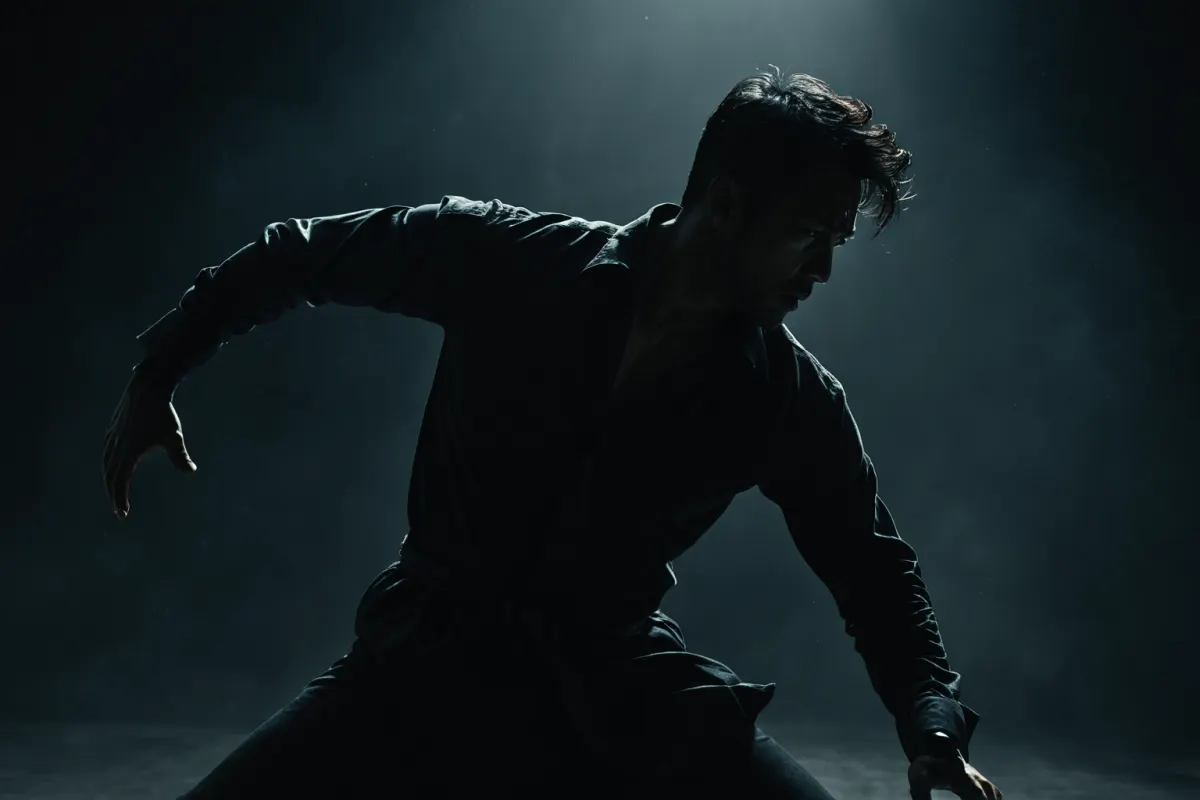
In the film Bikwang, Ryu Seung-ryong’s action sequences stand out not because they’re overly forceful, but due to his precise sense of timing and speed control. The mix of rapid movements and brief pauses creates a sharper, more convincing effect than if he had simply relied on raw power.
To audiences, the question might be: "Why do these scenes feel so satisfying?" The answer is surprisingly simple. It’s not about the action itself, but rather how well the rhythm, eye contact, and breathing align. Ryu Seung-ryong excels at nailing this balance with remarkable stability.
The Reason Ryu Seung-ryong's Action in 'Bikwang' Feels Powerful
Ryu Seung-ryong’s action doesn’t feel strong because he uses large movements exclusively. Instead, he avoids maintaining full force from start to finish, opting to intensify only at key moments, which adds density and depth to each scene.
While fast action might seem ideal on the surface, overly rapid movements often erase emotional impact in film. Ryu Seung-ryong’s strength lies in keeping his facial expressions and body balance steady even during quick sequences, ensuring the character remains grounded within the scene.
For example, when pushing an opponent away with a short motion, his shoulder moves before his hand, followed by his gaze. This sequence is crucial—only then does the audience feel like they’re witnessing a genuine confrontation.
You can explore more articles on similar topics in one place.
View Related ArticlesHow Speed Control Transforms the Screen
In action acting, speed control isn’t just about how fast you move—it’s also about subtle pauses between movements, breathing moments, and where your gaze lands. These elements are all part of pacing.
Ryu Seung-ryong avoids rushing through actions unnecessarily. When speed is required, he executes sharp, clear motions; when emotion needs to shine, he delays his reaction by a beat, building tension in the scene.
This approach makes action feel more dynamic. Rather than constantly accelerating, alternating between fast and slow keeps viewers engaged longer.
For instance, just before a chase sequence, he lowers his body to catch his breath, then explosively extends his arms and legs. This contrast prevents the action from feeling flat or one-dimensional.
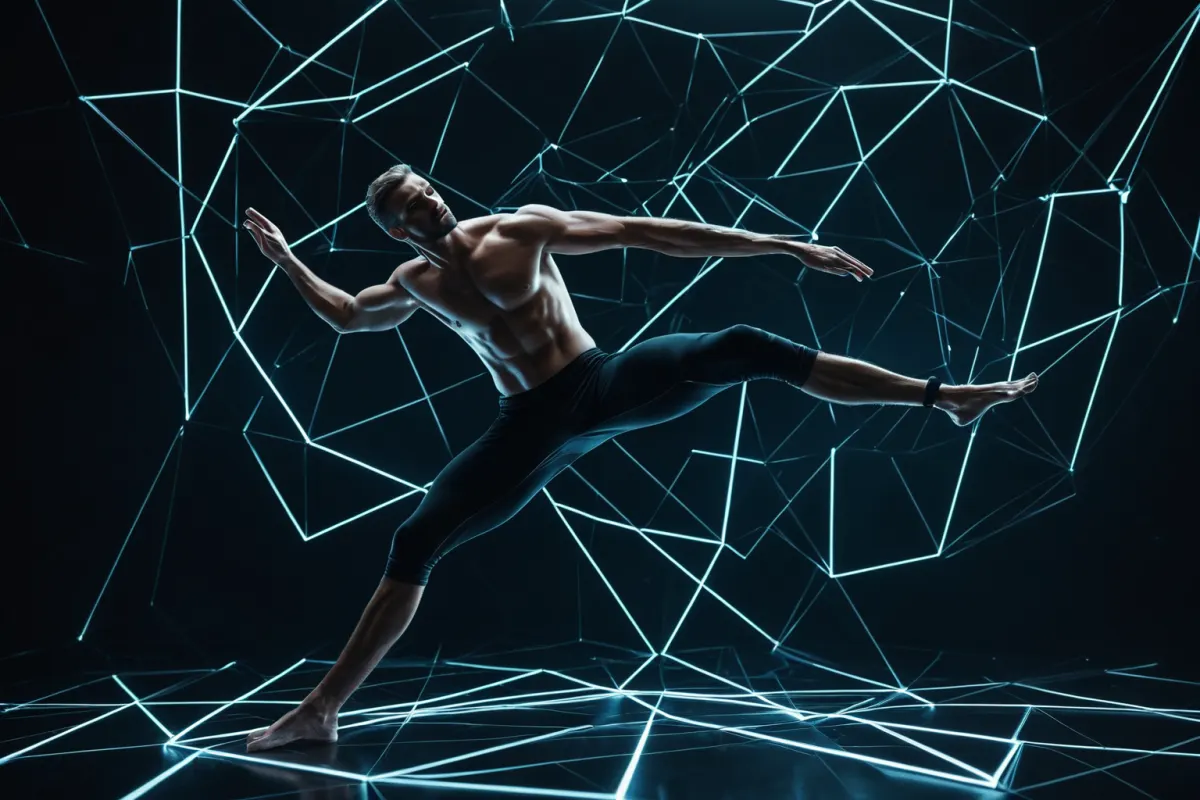
Why Timing Matters So Much
Action scenes don’t come together in isolation—they require synchronization with co-actors, camera placement, and editing rhythm. What matters most on set isn’t just "my movement," but the spacing between you and your opponent.
Ryu Seung-ryong’s action feels natural because he doesn’t exaggerate impact timing. Instead, he focuses on capturing the tension just before contact, making the fight feel more realistic than if he’d emphasized the moment of impact itself.
To develop this sense, beginners can start with simple exercises. For example, when extending your hand, begin slowly and only speed up in the final 20% of the motion. This ensures smoother transitions and better alignment with opponents’ positioning.
Ultimately, cinematic action prioritizes "precision" over sheer force. Audiences stay engaged longer with scenes that maintain rhythm rather than those where timing falls apart.
The Moment Action Rhythm Comes Alive
When watching Ryu Seung-ryong’s action in 'Bikwang,' it’s not the moves themselves but the rhythm of the scene that stands out. A quick burst followed by a brief pause makes the next movement feel more impactful.
This rhythm isn’t created solely through editing—it starts with the actor’s performance on set. Ryu Seung-ryong avoids overdoing either speed or stillness, ensuring the flow of the scene remains uninterrupted.
For example, during a grappling sequence, he doesn’t immediately counterattack after being pushed back; instead, he takes a moment to regain his balance. That brief pause makes the subsequent attack feel more deliberate and powerful.
Action Acting Tips You Can Learn From
When observing or practicing action scenes, focus on fundamentals rather than flashy techniques. Key elements include where your feet are placed, which direction your gaze leads, and whether your torso reacts before your hand.
Consider a scene where you’re blocking an attack: instead of simply reaching forward with your hand, open your shoulder first, shift your foot half a beat later, and let your hand follow. This sequence ensures the action feels grounded and natural.
Another key point is facial expression. As actions get more intense, expressions should remain simple to avoid cluttering the scene. Overly dramatic faces can make movements feel messy, so keeping the focus on clean lines of sight and lips often delivers a stronger impact.
Ryu Seung-ryong’s performance offers excellent examples here. By clearly distinguishing between moments when he needs to hold back or intensify, his actions seamlessly integrate with his character.
What to Look For When Watching Ryu Seung-ryong's Action
When watching action scenes in 'Bikwang,' don’t just focus on the impact—it’s equally important to pay attention to what happens 1–2 seconds before and after. That’s where the real magic often lies.
- Does breathing stabilize briefly before movement?
- Do eyes make contact with an opponent first?
- Does body movement precede hand motion?
- Is there lingering energy after the attack ends?
Watching for these four elements reveals why Ryu Seung-ryong’s action feels so natural. Overly flashy scenes often feature abrupt motions, while well-executed ones prioritize smooth flow.
FAQ
Q: Why does Ryu Seung-ryong's action in 'Bikwang' stand out?
A: He skillfully balances fast and slow movements, building tension rather than relying solely on speed.
Q: How is speed control related to an actor’s skill?
A: It’s less about moving quickly and more about matching timing with co-actors and camera work for precise impact.
Q: What should beginners focus on to develop action sense?
A: Prioritize rhythm, eye contact, and body movement sequence over the physical motion itself.
This article is based on general viewing insights. As new information becomes available through official releases or interviews, interpretations may become more detailed. For the most current analysis, check updated sources as well.
FAQ
Why does Ryu Seung-ryong's action in 'Bikwang' stand out?
He skillfully balances fast and slow movements, building tension rather than relying solely on speed.
How is speed control related to an actor’s skill?
It’s less about moving quickly and more about matching timing with co-actors and camera work for precise impact.
What should beginners focus on to develop action sense?
Prioritize rhythm, eye contact, and body movement sequence over the physical motion itself.
Korean Source
This article is an English localization of a Korean-language report from BlogScore. Original: 비광 류승룡 액션 연기, 맞추는 감각과 속도 조절 방법