
Why the Risk of Closing the Strait of Hormuz Is Rising: Key Issues Explained
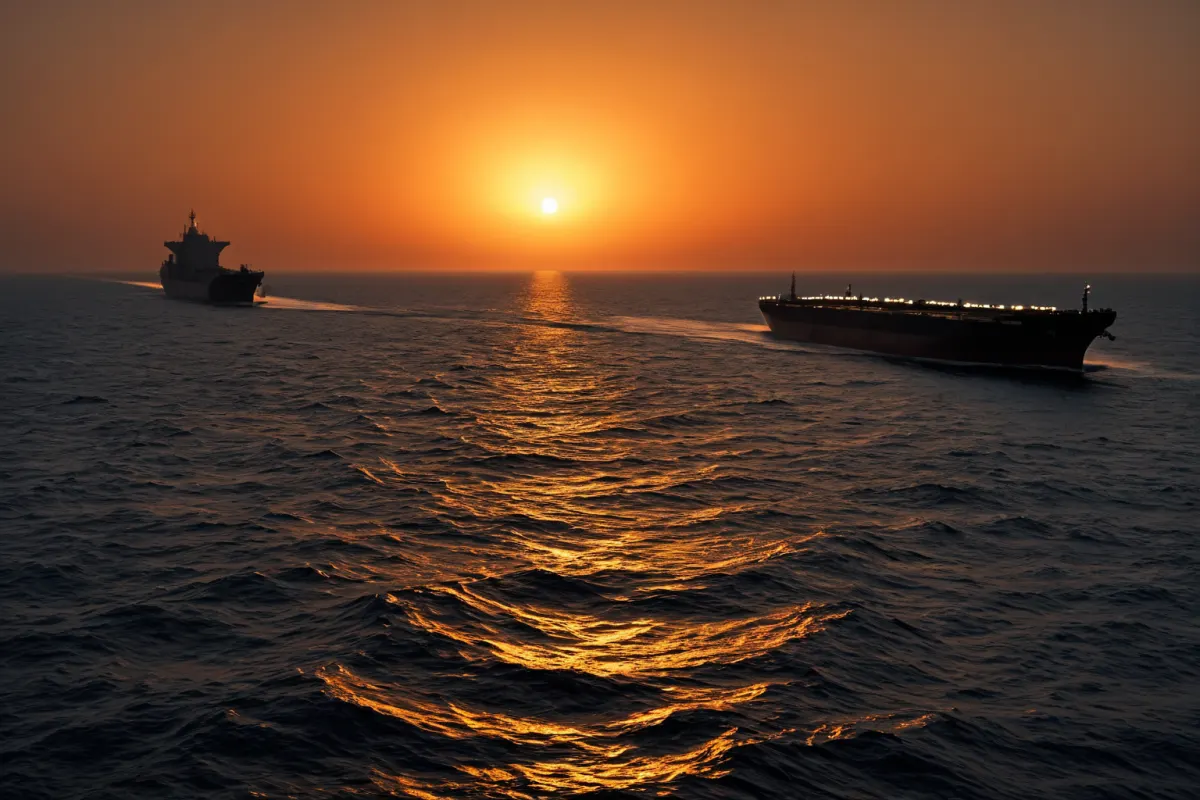
Every time Iran mentions closing the Strait of Hormuz, global oil prices wobble. The reason is simple: this narrow waterway is the main route for Middle Eastern oil and LNG to reach international markets. If blocked, energy supply fears become immediate reality.
However, a full closure rarely happens in practice. Military retaliation, international sanctions, and domestic economic damage would escalate, making it more common for tensions to rise through ship threats, detentions, or navigation delays rather than an outright blockade.
Why the Strait of Hormuz Is So Sensitive
The Strait of Hormuz connects the Persian Gulf with the Arabian Sea. Oil and gas from oil-producing nations like Saudi Arabia, the UAE, Iraq, Kuwait, and Qatar flow through this narrow passage.
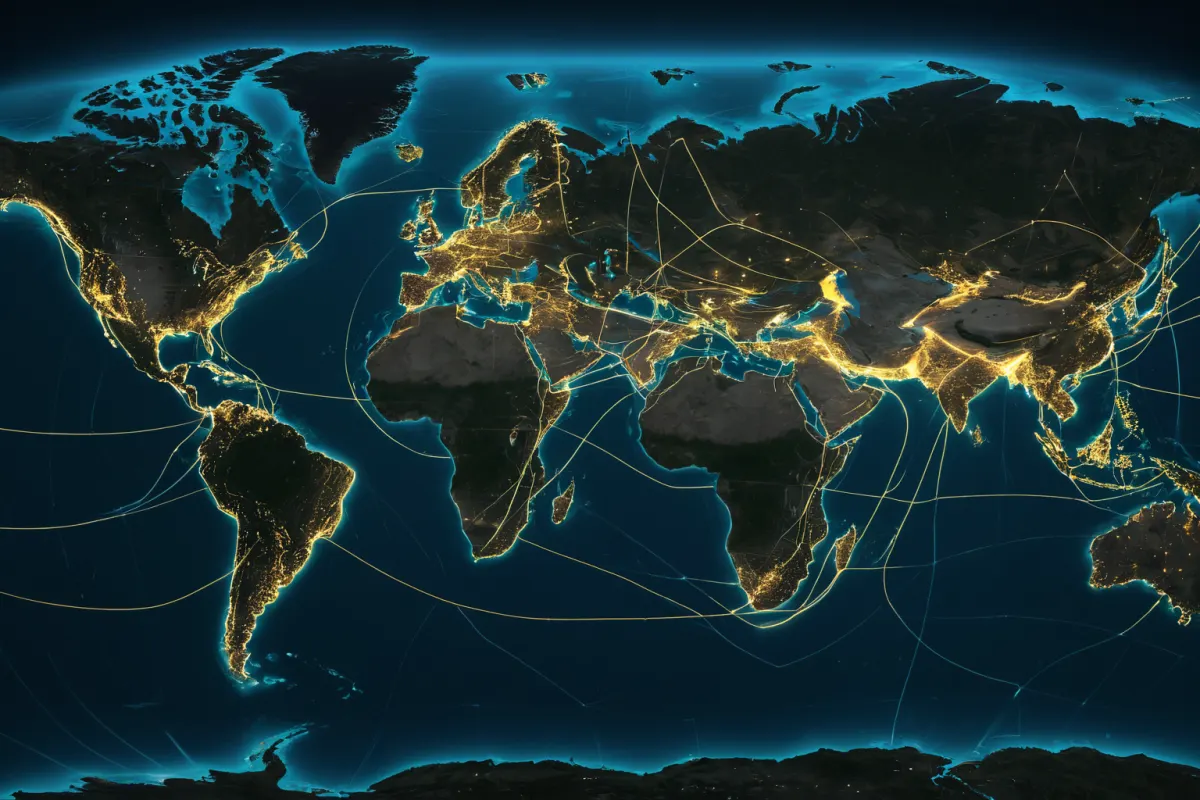
This is why Iran's threat to close the strait is viewed not as a regional conflict but as an event that could impact global energy markets. Shipping rates, oil prices, refining costs, and even jet fuel can ripple across markets in response.
You can find similar articles on this topic all in one place.
View Related ArticlesThe Context Behind Iran's Threats to Block the Strait
Iran’s main reason for mentioning the strait is as a bargaining chip in negotiations. As military clashes or international sanctions intensify, Iran may use the threat of closing the strait to pressure opponents, even at its own cost.
This rhetoric often grows stronger during heightened tensions with the U.S. or Western nations. It serves to unify domestic opinion and strengthen Iran’s position in diplomatic talks.
However, a higher likelihood of closure does not mean Iran can actually block it. While Iran’s navy and Revolutionary Guard have shown presence near the strait, long-term closures risk international backlash and military responses.
Why Full Closure Is Practically Difficult
Completely blocking the Strait of Hormuz is far more complex than it seems. Although the strait appears wide, navigation routes are limited and monitored closely. U.S. and allied navies regularly patrol the area.
Iran also relies on the strait for its own trade and economic interests. A prolonged closure would backfire, making temporary threats or short-term disruptions more likely than long-term blockades.
For example, threatening ships or briefly detaining tankers is plausible, but a full, long-term blockade could escalate into international military conflict.
Why Markets React Before the Blockade
The issue’s sensitivity stems from how quickly financial markets respond to even minor news. If oil transport seems at risk, global oil prices rise, and shipping insurance costs increase immediately.
Nations like South Korea, which depend heavily on oil imports, feel these effects sooner. Rising oil prices directly impact fuel costs, logistics, chemical production costs, and ultimately consumer prices.
During past tensions, shipping companies often explored alternative routes, and insurers added risk premiums for high-risk areas. Markets react to the potential before a blockade is confirmed.
The Core Issue: Politics Over Military Power
Focusing solely on military capability misses the point. The likelihood of closing the strait is more about Iran’s political messaging than its actual ability to block it.
Iran uses this issue for diplomatic pressure, sanction resistance, domestic unity, and regional deterrence. As tensions rise, rhetoric becomes stronger, but actions remain measured to avoid escalation.
A common pattern emerges: rising tension → strait closure threats → sharp oil price surge → increased diplomatic mediation → limited military action or resolution. This cycle explains why markets react so sensitively each time.
How It Could Affect Daily Life
The most immediate impact is on fuel and shipping costs. As global oil prices rise, gas station prices follow—though with some delay—and eventually affect overall consumer prices.
Importers and manufacturers adjust inventory and logistics plans in response to rising input costs. For individuals, while major changes may not be immediate, expenses like travel or grocery bills could gradually increase.
For instance, long-haul flights might see higher fares due to fuel costs, and delayed sea transport could lengthen delivery times for imported goods purchased online.
Key Signals to Watch
When following this issue, focus on actual developments rather than sensational headlines. Look for military clashes near the strait, official restrictions on shipping, or disruptions in oil exports from major producers.
The market reacts differently to mere rhetoric versus confirmed navigation interference. Events like ship detentions, missile launches, or drone attacks at sea can cause significant short-term shocks.
Conversely, diplomatic talks or ceasefire moves can quickly ease tensions. Therefore, it’s better to track the situation over several days rather than relying on single-day news reports.
FAQ
Q1. Can Iran really fully block the Strait of Hormuz?
Iran can threaten to do so physically, but long-term full closure is unlikely due to international military responses and domestic economic harm.
Q2. What rises first if the Strait closes?
Global oil prices and shipping insurance rates are the first to react. This then affects refining, logistics, and aviation costs.
Q3. Will South Korea be directly affected?
Yes, indirectly. Higher oil imports and sea transport costs can impact energy prices and some consumer goods in South Korea.
This issue evolves with international politics and maritime security, so it’s best to follow the latest news and official statements for accurate updates.
Keep exploring similar topics.
See All ArticlesFAQ
Can Iran really fully block the Strait of Hormuz?
Iran can threaten to do so physically, but long-term full closure is unlikely due to international military responses and domestic economic harm.
What rises first if the Strait closes?
Global oil prices and shipping insurance rates are the first to react. This then affects refining, logistics, and aviation costs.
Will South Korea be directly affected?
Yes, indirectly. Higher oil imports and sea transport costs can impact energy prices and some consumer goods in South Korea.
Korean Source
This article is an English localization of a Korean-language report from BlogScore. Original: 호르무즈 해협 폐쇄 가능성이 커진 이유와 쟁점