
Why Reporting Fish Sightings Matters and How to Submit Them
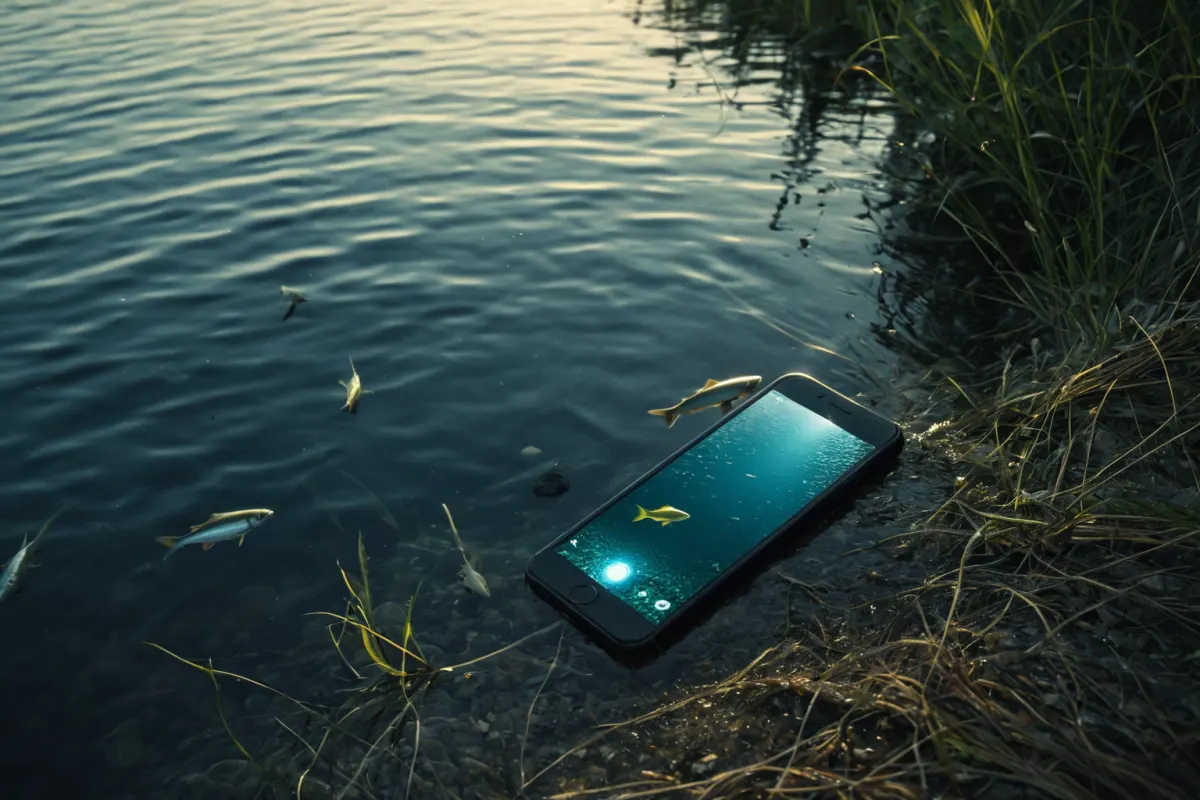
Reporting fish sightings isn't just about sharing observations—it's a vital way to quickly verify on-site conditions and minimize damage. When issues like water pollution, mass die-offs, invasive species, or illegal fishing are spotted, delayed reporting makes it harder to identify the cause. That's why sending clear, concise information—like photos, location, and time—is most important.
When Fish Sightings Reports Are Needed
Fish sightings reports are needed in more situations than you might think. For example, if you notice unusual large-scale fish die-offs in rivers or reservoirs, or observe water with strange colors, it's worth reporting.
Similarly, if you spot what appears to be an invasive species suddenly appearing in large numbers, or witness someone illegally fishing using prohibited methods, those should also be reported. This information significantly speeds up on-site verification and response times.
You can view similar articles all at once.
View Related ArticlesKey Information to Confirm Before Reporting
Instead of writing lengthy reports, it's better to include all necessary information clearly. First, specify the location in detail—ideally, include coordinates from a map app.
Next, note the time you observed it, the type or characteristics of the fish, the number of fish, and any changes in smell or water color. For example: "On July 18 at 9 AM, several silver fish were found dead below the bridge on ○○ River. The water had a foul odor." This makes it easy to understand.
Photos or videos are very helpful if available, but avoid putting yourself in danger by entering hazardous areas or disturbing the scene while taking pictures.
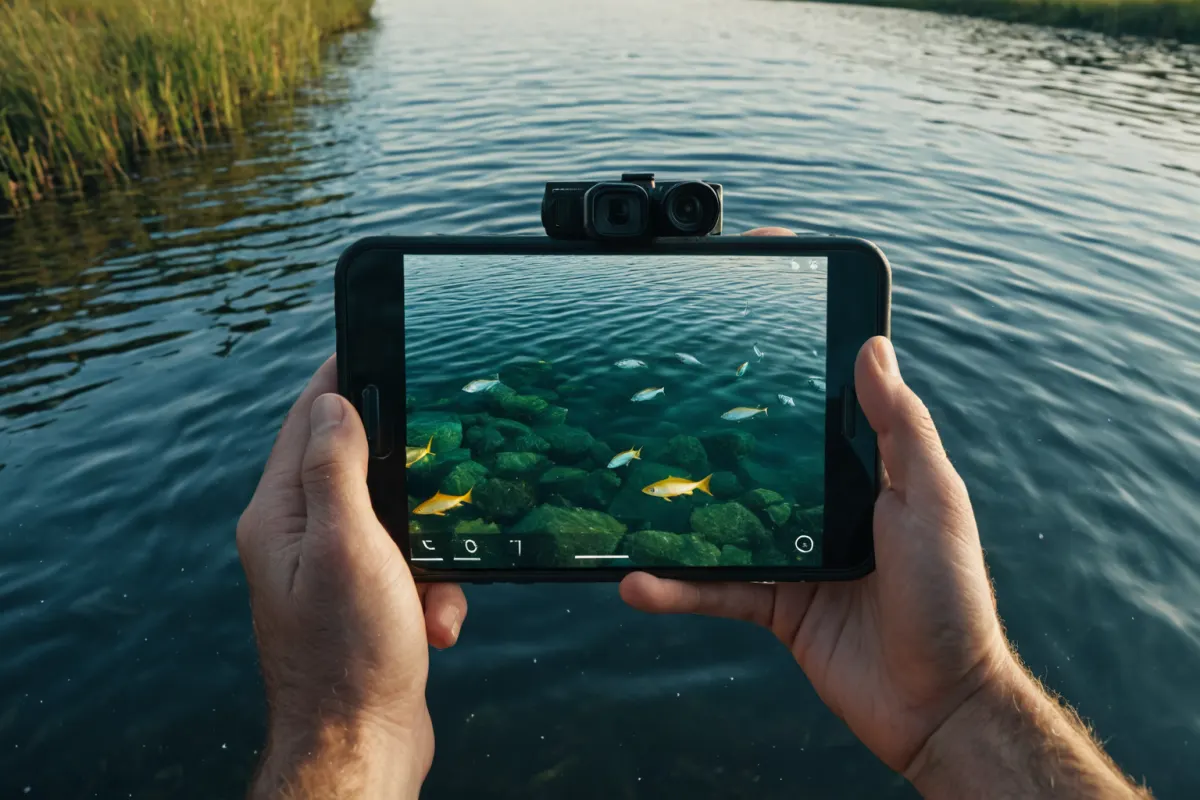
How to Submit Reports and Contact Information
The method for submitting reports may vary depending on the situation, but the key is to report accurately to the relevant authority. For suspected water pollution or fish die-offs, contact local environmental departments or river management agencies. For illegal fishing or other fisheries issues, report to marine or fisheries-related organizations.
When calling first, briefly state: "Where, what, how many, and when you saw it." Then follow up with photos or location details via text, email, or online complaints.
For example: "Several dozen fish are floating near the △△ Park riverbank today at 3 PM. The water looks murky and smells bad. Attached is a photo." This gives field staff valuable information.
Why Timely Reporting Matters
Issues related to fish can disappear quickly over time. Rain or flowing water may wash away pollution traces, and dead fish may vanish rapidly.
Especially in cases of mass die-offs or suspected pollution, early response is crucial for identifying the cause. The sooner you report, the more likely it is that samples will be collected, on-site verification will occur, and surrounding areas can be investigated.
The same applies to illegal fishing or invasive species spread. What may seem like a small problem initially can impact local ecosystems, so reporting immediately is safer.
Common Mistakes in Reporting
Many people just write "The fish look strange" and stop there, making verification difficult. At minimum, include location, time, appearance of the fish, and water conditions.
Even with photos, if they're taken from too far away to clearly identify the subject, their usefulness decreases. It's better to take one photo showing the surrounding landscape and another close-up showing the issue.
A key point is avoiding personal assumptions about the cause. Instead of writing "It's due to poison," describe what you observed: "The water color differs from usual, and dead fish are present." Stick to facts for accuracy.
Good Examples of Reports
New reporters might be unsure how to phrase their reports. Short, clear statements work well:
- "Several dead fish were observed on the west bank of ○○ Reservoir."
- "A large number of unfamiliar species were seen near △△ River walking path."
- "Witnessed what appears to be illegal fishing using nets."
These concise statements clearly convey key information, making it easy for staff to verify. Including the date in file names or notes can also help if further explanation is needed later.
Additional Tips for Effective Reporting
Fish sightings reports differ from regular complaints—they prioritize on-site accuracy, precision, and speed. So, focusing on observed facts rather than emotional language helps.
If you notice recurring unusual phenomena in the same location, don't just submit one report—add additional observations to your submission. This allows for better comparison with previous photos and tracking of changes over time.
If children are present or the area is dangerous near water, avoid approaching closely. Take photos from a safe distance instead, as reports made while ensuring safety are most reliable.
FAQ
Q: Can I report without photos?
Yes, you can. However, more accurate location, time, and situation descriptions will be more helpful. Photos or videos speed up verification when available.
Q: Which agency should I contact?
This depends on the issue. For water quality issues or die-offs, contact local environmental departments. For illegal fishing, contact marine or fisheries-related organizations.
Q: Can I report anonymously?
Depending on the reporting method, anonymous or confidential submissions may be possible. However, providing contact information can make follow-up easier if additional verification is needed.
Check the latest guidelines from local authorities before submitting a report, as contact details and procedures vary by region, issue, and timing.
Continue exploring similar topics.
View Category ArticlesFAQ
Can I report without photos?
Yes, you can. However, more accurate location, time, and situation descriptions will be more helpful. Photos or videos speed up verification when available.
Which agency should I contact?
This depends on the issue. For water quality issues or die-offs, contact local environmental departments. For illegal fishing, contact marine or fisheries-related organizations.
Can I report anonymously?
Depending on the reporting method, anonymous or confidential submissions may be possible. However, providing contact information can make follow-up easier if additional verification is needed.
Korean Source
This article is an English localization of a Korean-language report from BlogScore. Original: 물고기 제보가 중요한 이유와 제출 방법