
Why Oil Prices Have Surpassed $100 Again: Causes and Impacts Explained
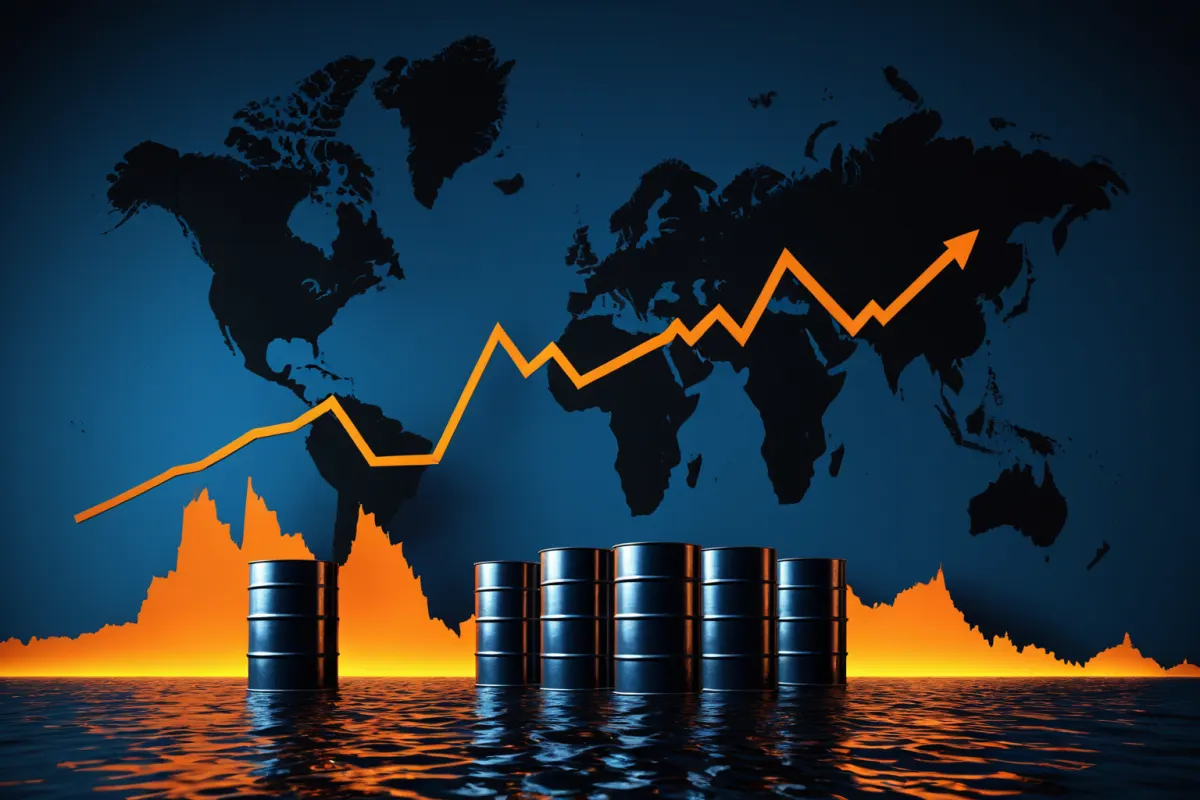
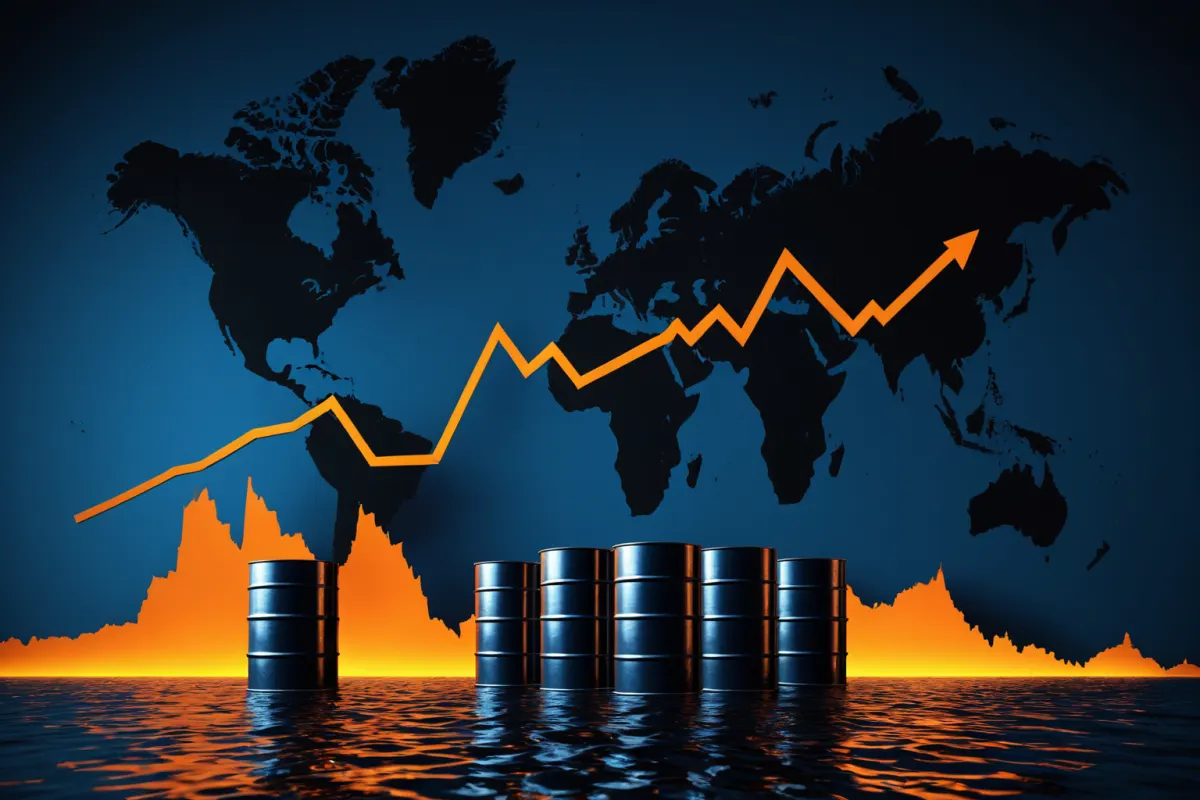
When international oil prices rise above $100 again, the first thing people notice is higher fuel costs and inflation. This recent surge isn't just about a number—it's the result of multiple factors converging: production cuts by oil-producing nations, Middle East tensions, dollar movements, and recovering demand.
Importantly, the $100 oil price milestone affects more than just gas stations. It triggers chain reactions across logistics costs, airfares, electricity and gas bills, and overall living expenses. Understanding why prices rose and how far they might climb is essential.
Why Oil Prices Surpassed $100 Again
The primary driver is supply pressure. When major oil-producing countries maintain or expand production cuts, the amount of oil available in the market decreases. Adding geopolitical instability can further disrupt oil transport routes, causing prices to react more rapidly.
Demand also plays a role. Even with concerns about economic slowdowns, seasonal travel increases or recovery in air and logistics sectors can boost oil consumption. In short, when supply tightens but demand holds steady, the $100 mark becomes a frequent point of testing.
You can find similar articles on this topic in one place.
View Related ArticlesThe Impact of a Strong Dollar and Interest Rates
Since oil is traded in dollars, a strong dollar increases the burden on oil prices. For other countries, the same oil price means higher actual purchase costs, making psychological resistance levels easier to break.
Interest rates are also connected. High interest rates can increase concerns about economic slowdowns and suppress oil demand, while high inflation may push energy prices up again. Thus, even though oil prices seem to move independently of economic indicators, they actually influence each other.
Impact on Living Costs and Business Expenses
The first thing consumers notice when international oil prices exceed $100 is higher fuel costs. People with long commutes or frequent car usage feel this change more quickly, and online shopping or delivery services also begin to be affected as logistics costs rise.
Businesses are directly impacted. Sectors like transportation, aviation, and manufacturing—where energy costs make up a large share of expenses—face higher input costs. For example, rising sea freight rates and aviation fuel prices can lead to increased product or service prices.

Difference in How Gas Prices Reflect Global Trends
When international oil prices rise sharply, domestic gas station prices don't always follow immediately. Factors like refinery inventory, import costs, exchange rates, and tax structures all play a role. As a result, global price changes often precede domestic adjustments by days or even weeks.
For instance, if international prices spike over a week, the speed at which local stations adjust depends on how much existing inventory they hold. Conversely, when oil prices fall, consumers may not feel the reduction as quickly as expected.
Key Oil Market Indicators to Monitor
When tracking oil prices, looking only at the per-barrel price isn't enough. It's important to monitor different benchmarks like WTI, Brent crude, and Dubai crude, as they reflect varying regional supply and demand conditions.
Another key factor is inventory levels. A drop in U.S. oil inventories often signals a supply shortage, pushing prices up, while rising inventories can pressure prices downward. When combined with exchange rate fluctuations, this can cause significant volatility in the domestic price consumers feel.
Real-Life Examples of Impact
For example, commuters who drive daily might notice small differences per fill-up, but delivery drivers or salespeople covering long distances may see much larger monthly cost increases. Even with the same oil price rise, different lifestyles lead to varying levels of impact.
Restaurants and small retailers also feel the effects. Rising food delivery costs can pressure menu prices, making dining out more expensive for consumers. Ultimately, oil prices don't just affect energy markets—they reshape consumer behavior as well.
How to Prepare When Oil Prices Rise
Individuals can take simple steps to reduce their fuel costs. Regular vehicle maintenance to improve mileage, avoiding rapid acceleration and braking, and balancing public transport with car use are all effective strategies.
Businesses or small shop owners should first assess whether energy costs represent a significant portion of their expenses. Reviewing logistics contracts or adjusting inventory and shipping schedules temporarily can help reduce the burden. This is especially important for businesses operating on thin margins.
Key Indicators to Watch During This Trend
To understand if this oil price surge is temporary or part of a longer trend, it's important to monitor not just oil prices but also statements from oil-producing nations, geopolitical risks, the dollar index, U.S. inventories, and economic indicators.
Distinguishing between short-term spikes and long-term trends is crucial. Prices that rise sharply due to news events may adjust downward quickly, but if supply cuts and demand recovery continue together, prolonged high prices are possible.
FAQ
Q: Do domestic fuel prices immediately match international oil price increases?
A: No, there is a time lag. Domestic prices often reflect global changes after days or weeks due to factors like inventory levels, exchange rates, taxes, and how quickly refineries adjust their pricing.
Q: Which industries are most affected when oil prices rise?
A: Transportation, aviation, logistics, and manufacturing—sectors that rely heavily on energy—are typically the first to feel the impact.
Q: What is the most important indicator to watch during this trend?
A: Monitoring production cuts by oil-producing nations, Middle East tensions, U.S. oil inventories, and dollar movements provides the clearest picture.
Understanding international oil prices requires looking at supply, demand, exchange rates, and geopolitical factors together. Market conditions change rapidly, so it's always a good idea to check recent data before making investment or spending decisions.
Continue exploring similar topics.
View Category ArticlesFAQ
Do domestic fuel prices immediately match international oil price increases?
No, there is a time lag. Domestic prices often reflect global changes after days or weeks due to factors like inventory levels, exchange rates, taxes, and how quickly refineries adjust their pricing.
Which industries are most affected when oil prices rise?
Transportation, aviation, logistics, and manufacturing—sectors that rely heavily on energy—are typically the first to feel the impact.
What is the most important indicator to watch during this trend?
Monitoring production cuts by oil-producing nations, Middle East tensions, U.S. oil inventories, and dollar movements provides the clearest picture.
Korean Source
This article is an English localization of a Korean-language report from BlogScore. Original: 국제유가 100달러 재돌파 이유와 영향 정리