
Why Mongolia's Population Is Low: Climate, History, and Geography
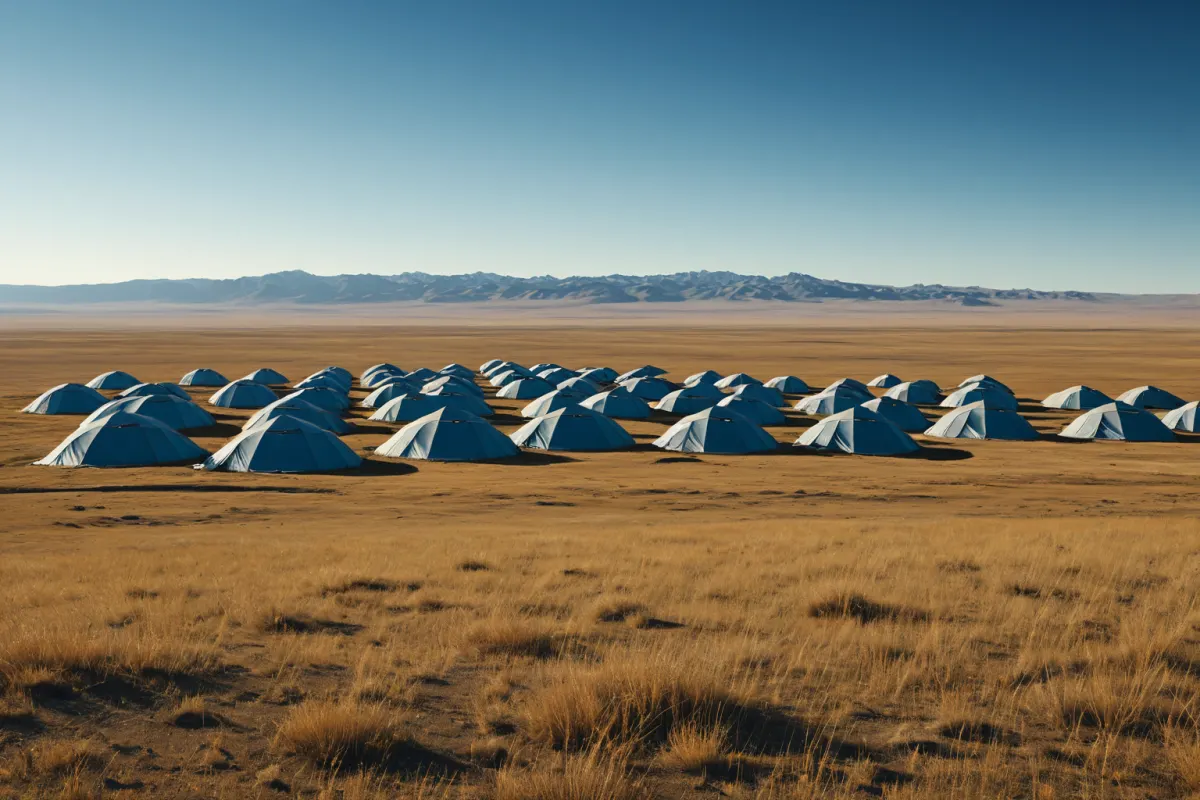
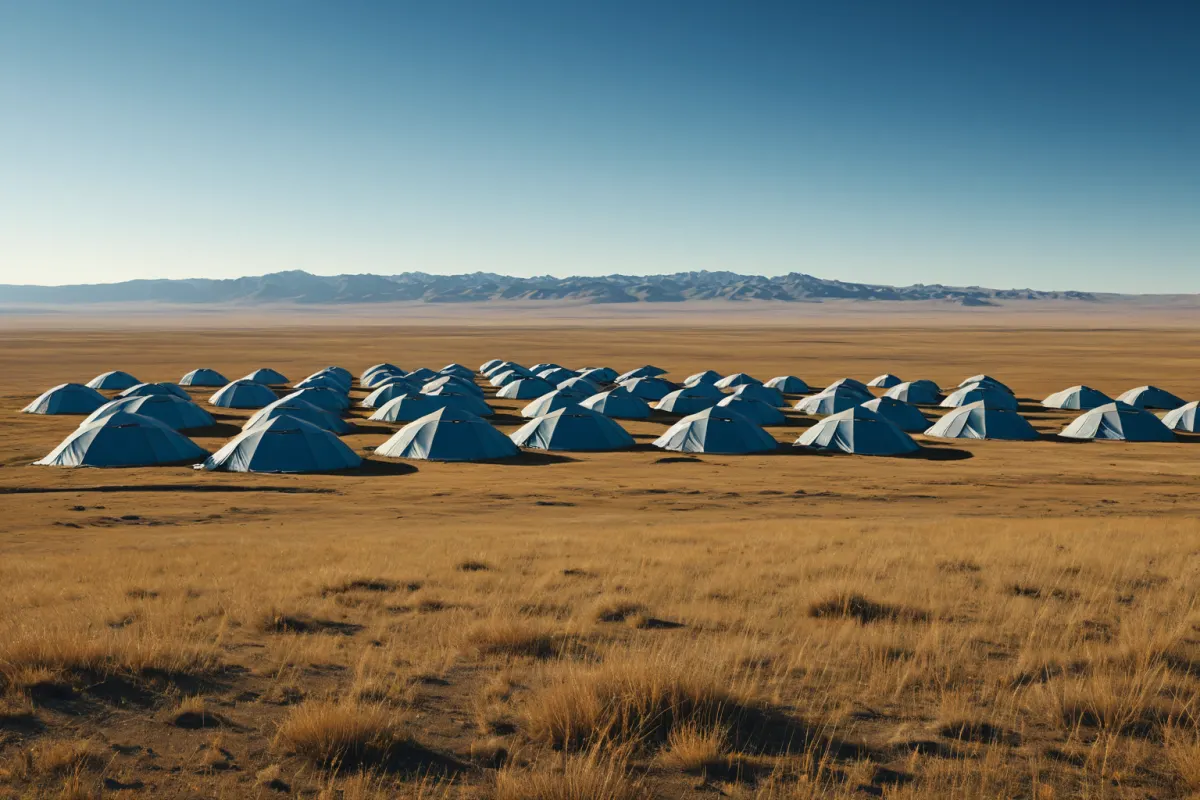
Mongolia's relatively small population is primarily due to the limited habitable environment across its vast territory. While the country has a large land area, it is dominated by deserts, grasslands, and mountains with harsh climates, concentrating people in cities and a few settlements.
In other words, it's not that Mongolia is a small country—it's simply that the areas suitable for living are limited, leading to naturally low population levels. This situation has been compounded by historical nomadic traditions that persisted for centuries, as well as the strong concentration of people in Ulaanbaatar today, further increasing uneven population distribution.
Vast Territory, Low Population Density
Mongolia has an extensive land area but one of the lowest population densities globally. Maps may suggest a large country, yet there are far fewer areas where people can live stably than might be assumed.
Outside urban centers, infrastructure such as roads, water systems, heating, and healthcare is often lacking. Under these conditions, people naturally migrate toward cities, making it difficult for the overall population to grow significantly despite the country's large size.
Explore more articles on similar topics in one place.
View Related ArticlesClimate as a Barrier to Population Growth
Mongolia's most significant environmental factor is its harsh climate. Winters are long and cold, summers short, and rainfall low—making it difficult to support large-scale agriculture.
This environment makes it challenging to sustain large populations through farming, hindering the development of economic structures that could rapidly increase population. Daily life is also heavily influenced by seasonal changes.
For example, countries with similar land areas but more fertile plains versus dry grasslands will have different carrying capacities for people. Mongolia falls into the latter category, meaning environmental constraints play a larger role than sheer land size in determining its population potential.
Nomadic Culture and Dispersed Living Patterns
Mongolia's traditional lifestyle has been nomadic, with people moving with livestock across vast landscapes. While this allows efficient use of space, it differs from the concentrated urban living patterns seen in other countries.
For centuries, this nomadic culture did not favor rapid growth of large settled populations. Families often lived scattered across communities, leading to slower development of towns and cities.
This pattern persists today. Outside the capital, population is sparsely distributed, with schools and hospitals often far apart compared to urban centers.
Historical Factors and Border Changes
Except for the Mongol Empire era, Mongolia has not experienced long periods of stable large-scale settled society. Repeated cycles of nomadism, warfare, and foreign influence made consistent population growth difficult throughout history.
Additionally, as a modern nation-state, Mongolia's population structure developed relatively late. Its administrative systems, industrialization, and urbanization processes began later than in many countries, limiting the foundation for rapid population increases.
This historical trajectory has shaped not just numbers but also lifestyle and social structures. The current population size reflects decades of environmental and historical choices rather than recent trends.
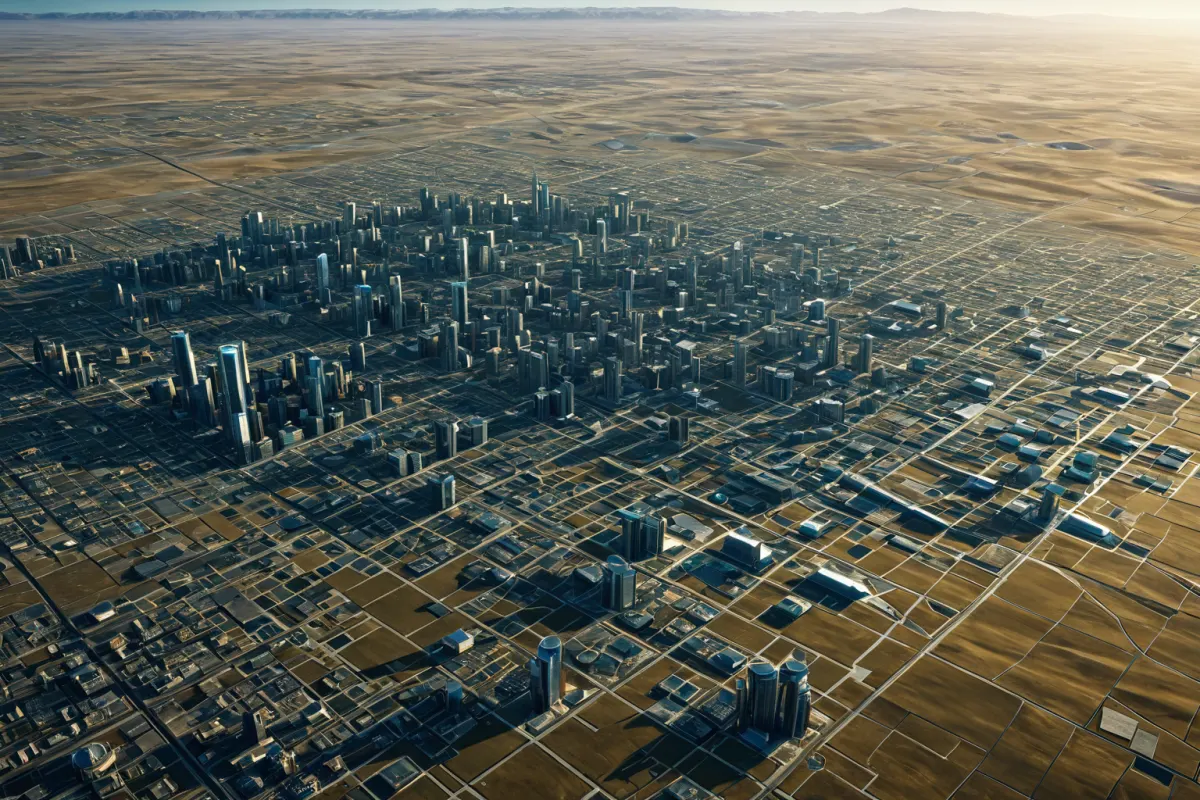
The Concentration in Ulaanbaatar
When discussing Mongolia's population, it's impossible to overlook Ulaanbaatar. A significant portion of the population lives in the capital and its surrounding areas.
The reasons for this urban concentration are clear: jobs, education, healthcare, and heating infrastructure are more developed in the city compared to rural regions. In contrast, remote areas face harsh winters and inadequate living conditions, making it easy for people to leave.
For instance, families engaged in herding in rural areas often move to the capital for better educational opportunities or stable jobs for their children. Over time, this trend leads to increasingly sparse rural populations and a continuously growing urban center.
Economic Structure and Fertility Constraints
Mongolia's economy relies heavily on resource industries and services, with agriculture playing a smaller role. For people to live stably outside the capital, economic diversity is needed across regions—but in practice, development remains concentrated around Ulaanbaatar.
Additionally, rising living costs, housing expenses, and education burdens lead families to adopt more conservative family planning decisions. In countries where urban and rural lifestyles differ significantly, these effects are particularly noticeable.
In short, population growth depends not just on birth rates but also on the environment for raising children, stable employment opportunities, and accessible housing options.
What to Consider When Looking at Mongolia's Population
Mongolia's population may appear low when viewed numerically, but considering its land area, climate, and lifestyle reveals clear reasons. Large land size does not equate to a large population.
For example, searches for "Mongolian population," "total Mongolian population," or "Ulaanbaatar population" show that the concentration in the capital is more critical than overall numbers. Yearly figures like "Mongolia population 2024," "2025," or "2026" are expected to show gradual changes rather than sharp increases.
However, exact statistics may vary depending on the survey organization and timing of data collection. For accurate current numbers, it's advisable to consult recent statistical reports.
Understanding Mongolia’s Population Structure Through Examples
Imagine a city district where apartments, hospitals, schools, and subways are all concentrated—people naturally gather there. Conversely, areas with unstable electricity, heating, or transportation become less desirable for living, leading to population decline.
Mongolia exemplifies this contrast sharply. The capital offers modern amenities, while remote regions struggle under natural environmental constraints, making population distribution difficult.
Thus, Mongolia's relatively low population is the result of multiple factors: climate, geography, history, lifestyle, and urban concentration working together.
FAQ
Q1. What is the main reason for Mongolia's small population?
A. Limited habitable areas across a vast territory combined with harsh climate and low infrastructure density.
Q2. Why does population concentrate in Ulaanbaatar?
A. Because jobs, education, healthcare, and heating are more available there compared to rural regions, making urban living conditions significantly better.
Q3. Will Mongolia's population grow substantially in the near future?
A. Rapid growth is unlikely in the short term. With continued urban concentration and environmental constraints, gradual changes are expected instead.
Check out more articles on similar topics.
Browse CategoryFAQ
What is the main reason for Mongolia's small population?
Limited habitable areas across a vast territory combined with harsh climate and low infrastructure density.
Why does population concentrate in Ulaanbaatar?
Because jobs, education, healthcare, and heating are more available there compared to rural regions, making urban living conditions significantly better.
Will Mongolia's population grow substantially in the near future?
Rapid growth is unlikely in the short term. With continued urban concentration and environmental constraints, gradual changes are expected instead.
Korean Source
This article is an English localization of a Korean-language report from BlogScore. Original: 몽골 인구수 적은 이유, 역사·환경 영향