
Why LNG Ship Orders Move Stock Prices
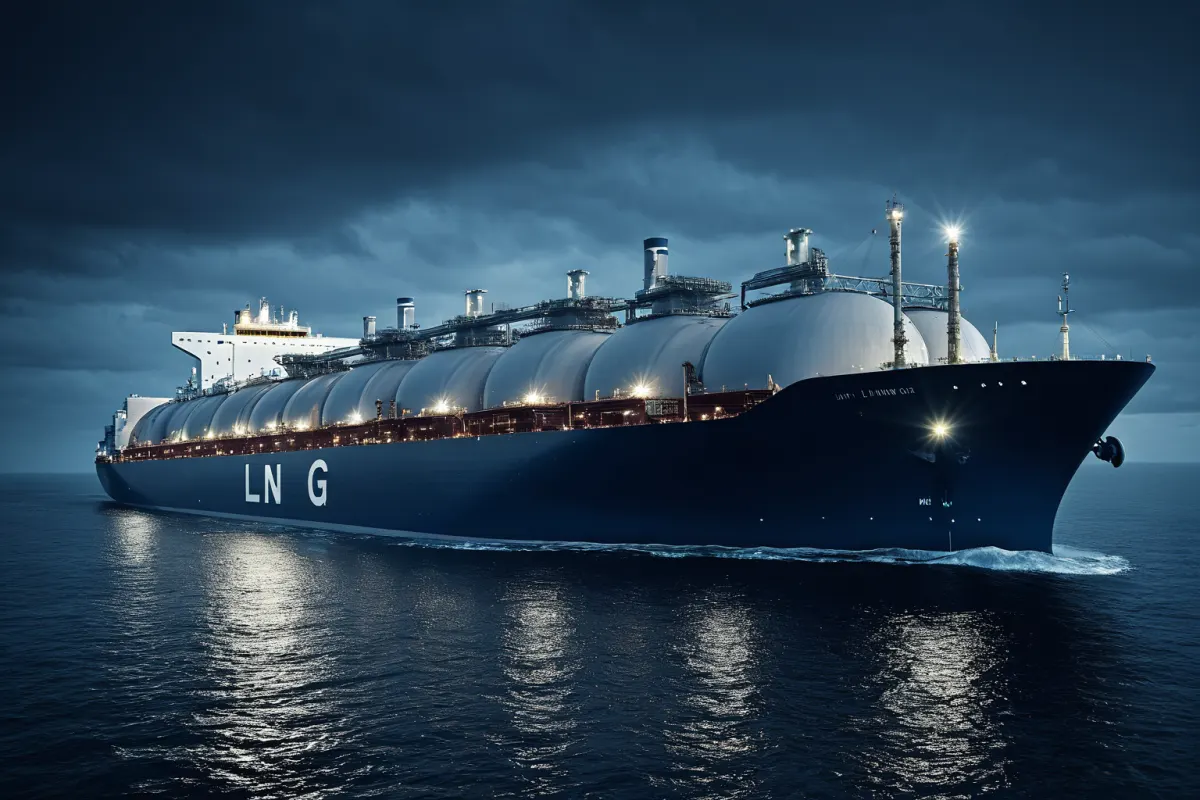
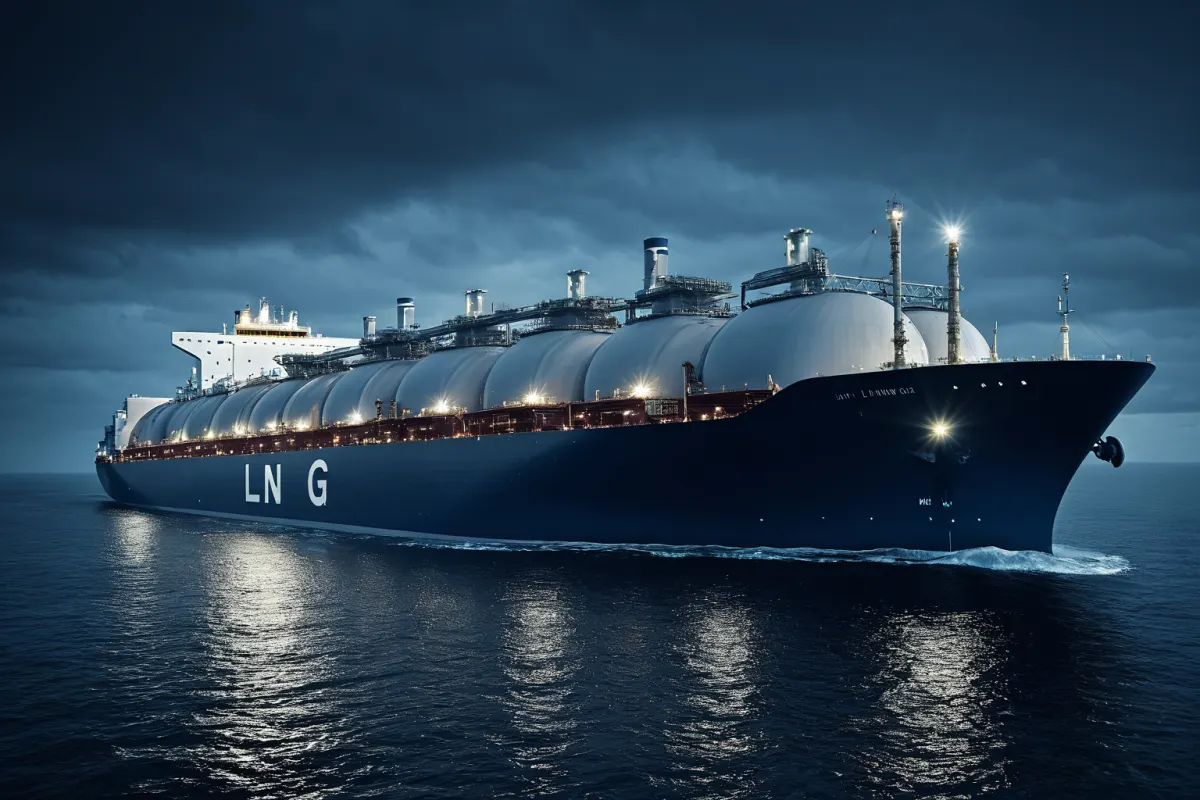
When LNG ship orders increase, shipbuilding stocks often react first because more orders mean a steady stream of future work, leading to higher sales and profits over the coming years.
Especially, LNG ships are priced higher and require more advanced engineering compared to regular vessels. Once an order is secured, it’s often seen as a signal that the company will have strong performance for years ahead, causing stock prices to move significantly even on minor news.
Why LNG Ship Orders Directly Affect Stock Prices
LNG ships are one of the most effective ways for shipbuilders to boost their order backlog. It’s not just about selling a single vessel—it involves long production cycles and large contracts, which can reshape future revenue expectations.
Stock markets typically react more to expected future performance than current results. So, investors focus less on how many ships were ordered this month and more on how much work is secured for next year or the following years.
For example, if a shipbuilder announces an order for two LNG vessels, actual revenue won’t appear immediately. However, investors anticipate that these contracts will translate into steady revenue over several years, influencing stock prices accordingly.
You can find similar articles in one place.
View Related ArticlesWhy LNG Ship Orders Are Viewed as Positive News
LNG carriers must transport liquefied natural gas at temperatures as low as -162°C, requiring advanced design and specialized insulation technology. This makes securing an LNG ship order a strong signal of a company’s technical capability and competitive edge.
Additionally, LNG carrier demand is linked to the global shift toward cleaner energy. As more countries adopt LNG for its environmental benefits, demand for carriers is expected to rise alongside it.
For investors, this expectation matters. Rather than focusing on short-term news, when broader industry trends improve, related shipbuilders and equipment suppliers often move together in the market.
The Stock Reaction After an Order Announcement
Stocks usually react first right after an order announcement. Large LNG contracts can cause significant intraday price movements, though already anticipated orders might see profit-taking after the news breaks.
It’s important to note that rising orders don’t automatically mean higher stock prices. If the market has already priced in the expected growth, the reaction may be muted upon announcement.
Conversely, if the contract size is larger than expected or includes high-value vessels, additional upside potential can emerge. Ultimately, it’s not just about the number of orders but how much better they are compared to market expectations.
How Related Stocks Move Together
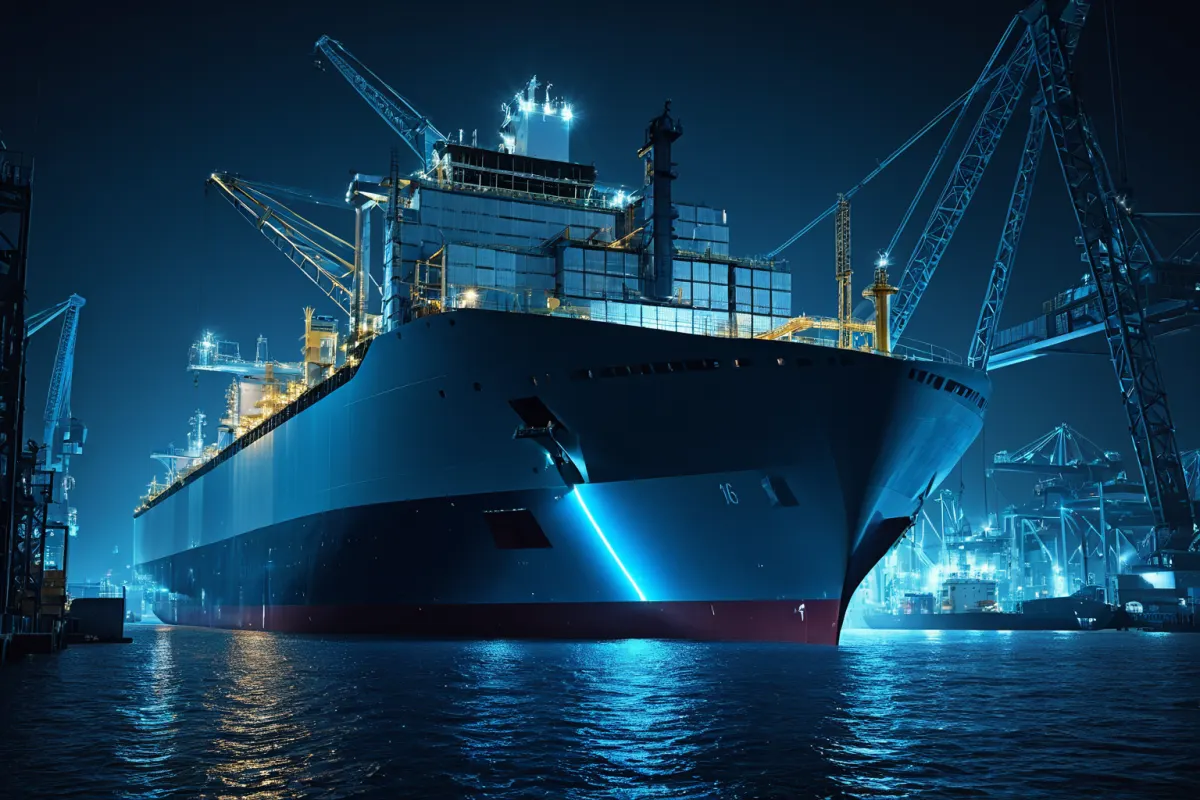
LNG ship order increases don’t only affect major shipbuilders. Companies involved in engines, equipment, block manufacturing, and insulation materials also often gain attention as the news spreads.
For instance, when a shipyard secures a large LNG vessel contract, demand for high-value components used in these vessels rises too. This is why market searches for both "LNG ship leaders" and related suppliers increase together.
However, not all related stocks rise at the same speed. It’s important to assess how much actual benefit each company receives from increased orders. Stocks that move solely based on thematic trends often have higher volatility.
Why Both Ship Prices and Order Status Matter
LNG ship pricing isn’t as straightforward as bulk carriers. Contract values vary depending on specifications, engines, fuel types, and delivery schedules, so the same number of vessels can mean different things.
This means investors should look beyond just the number of ships ordered and consider both vessel prices and types. A higher proportion of high-value LNG vessels could lead to greater profit improvement.
For example, two orders might seem better than one at first glance, but a single order for a new-generation, high-spec LNG ship could be far more profitable. Focusing only on numbers can miss important details.
Key Points to Check When Analyzing Orders
When reviewing LNG ship order news, it’s helpful to consider these three factors together:
- Number of ships and contract value
- Delivery timeline and revenue recognition period
- Impact on earnings estimates from increased backlog
These elements must align for stock prices to move beyond a simple event. If delivery takes years, changes in industry conditions or exchange rates during that time could affect investor expectations.
For instance, an order scheduled for delivery next year may quickly boost revenue expectations, while orders due in 2–3 years are often seen as indicators of long-term growth potential.
Misconceptions Investors Often Have
Many investors assume that increased orders immediately lead to higher profits. However, shipbuilding involves multiple factors like raw material costs, labor expenses, design complexity, and delivery management—any of which can affect profitability.
Even with many orders, if vessel prices are low or competition is fierce, profit improvements may be limited. Conversely, fewer orders for high-value LNG vessels can have a more positive impact on stock prices than a larger number of lower-margin contracts.
This is why markets tend to value the quality of orders over sheer quantity. Missing this point could lead investors to follow news without considering timing and context.
Additional Information to Consider
LNG ship orders are tied to broader industry cycles. Global energy demand, natural gas prices, and shipping companies’ replacement needs often move together, driving order increases at certain times.
This means it’s best to look beyond individual stocks and assess the overall market condition. When major shipbuilders, equipment suppliers, and carrier trends align, investor confidence tends to rise.
Recently, the industry has also seen a shift toward eco-friendly vessels, making LNG carriers both short-term themes and long-term growth catalysts for the sector.
Frequently Asked Questions
Q1. Should I buy immediately after an LNG ship order announcement?
A. Not necessarily. First, check if the market has already priced in this expectation and whether the actual contract size exceeds expectations.
Q2. Are LNG-related stocks only for shipbuilders?
A. No. Companies supplying engines, equipment, insulation materials, and block manufacturing can also be affected. However, the extent of impact varies by company.
Q3. Can LNG orders increase without a stock price rise?
A. Yes. If market expectations have already been fully reflected or if contracts appear to offer low margins, the stock reaction may be weak.
Recent LNG ship order status and related stocks can change rapidly based on announcements and industry trends, so it’s best to review recent reports and earnings forecasts before investing.
Continue exploring similar topics.
View Category ArticlesFAQ
Should I buy immediately after an LNG ship order announcement?
Not necessarily. First, check if the market has already priced in this expectation and whether the actual contract size exceeds expectations.
Are LNG-related stocks only for shipbuilders?
No. Companies supplying engines, equipment, insulation materials, and block manufacturing can also be affected. However, the extent of impact varies by company.
Can LNG orders increase without a stock price rise?
Yes. If market expectations have already been fully reflected or if contracts appear to offer low margins, the stock reaction may be weak.
Korean Source
This article is an English localization of a Korean-language report from BlogScore. Original: LNG선 수주가 늘 때 주가가 움직이는 이유