
Why 'Kkiri Kkiri Elephants' Became a Viral Meme: A Lighthearted Explanation
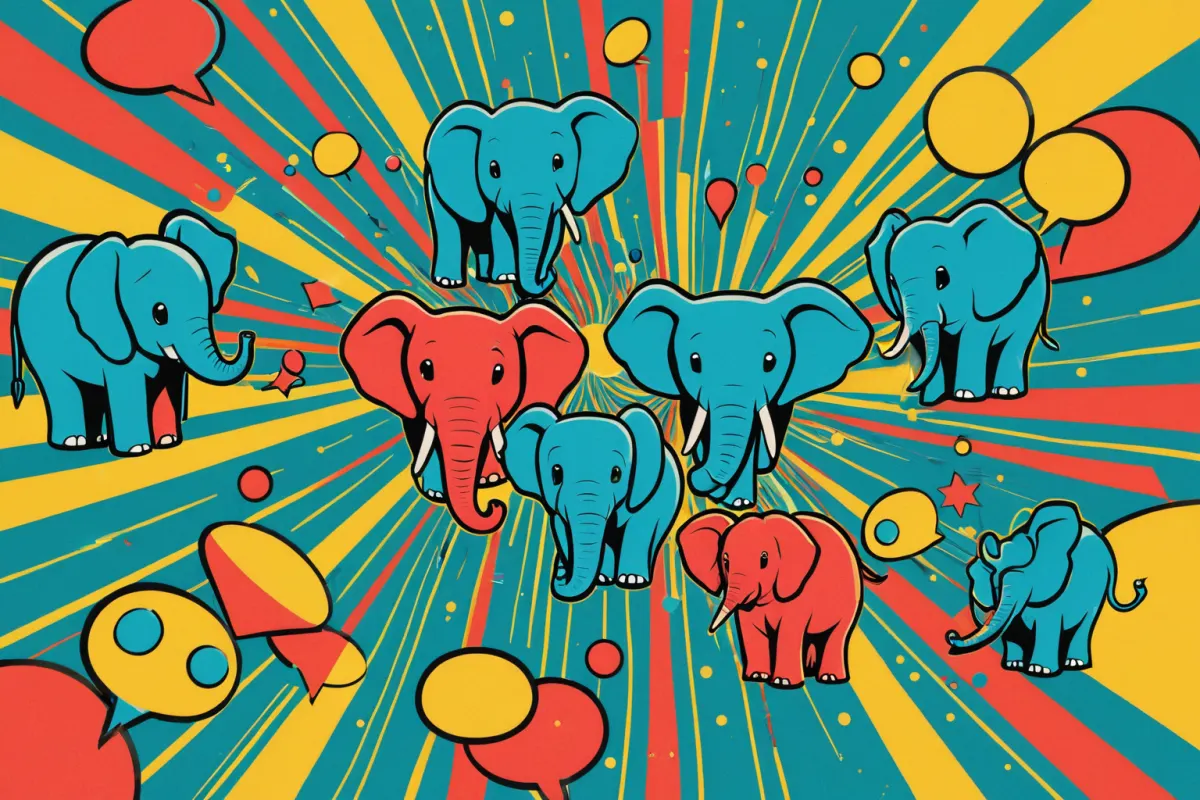
The phrase "kkiri kkiri elephants" wasn't originally a Korean idiomatic expression but rather a term that solidified as a meme due to its rhythmic appeal. Its meaning is essentially about people of similar tastes naturally gathering together, and the addition of "elephants" made it more memorable.
Most people searching for this phrase are likely wondering "What does this mean?" and "Why elephants?" The short answer is that this is a case where a playful wordplay became fixed as an internet trend. It's not a serious idiom but rather a light, instantly understandable online expression.
Meaning of 'Kkiri Kkiri Elephants'
"Kkiri kkiri" generally refers to people with similar interests, tastes, or lifestyles naturally gathering together. Adding "elephants" to form "kkiri kkiri elephants" isn't creating a new meaning but rather enhancing the rhythm and playfulness of the phrase.
In other words, it's a casual way to suggest that people tend to group with those similar to themselves. However, depending on context, it can come across as playful banter or even teasing, so tone matters when using it.
You can find more articles about this topic in one place.
View Related ArticlesWhy This Meme Stuck
The reason this phrase has endured is simple: it's short, smooth to say, and sticks in your memory after hearing it once. Internet memes often rely more on rhythm and repetition than deep meaning, and "kkiri kkiri elephants" fits that perfectly.
Also, "kkiri kkiri" itself is already a familiar everyday expression, making the entry barrier low. Adding an unexpected word like "elephants" makes it oddly funny and perfect for comments or memes. Once it spreads in a specific community, it's easy to replicate rapidly.
Why It's Not an Idiom
Searching online often turns up queries about "kkiri kkiri elephants" being a Chinese idiom, but strictly speaking, "kkiri kkiri" isn't one. Idioms typically come from classical Chinese texts in four-character form, which this doesn't follow.
While there are similar expressions with comparable meanings, "kkiri kkiri elephants" is a blend of colloquial speech and internet slang, not an official idiom. It's more natural for casual conversation or online posts than formal documents or exams.
Similar Expressions to 'Kkiri Kkiri'
Similar expressions with related meanings include "birds of a feather flock together" (유유상종), "kkiri kkiri talks," and "people with similar tastes gather." The most neutral expression is "birds of a feather flock together," while "kkiri kkiri talks" is commonly used in everyday casual speech.
For example, when people who enjoy sports form a club or gamers maintain a chat group, that's a classic case of "kkiri kkiri." What's important here isn't judgment but the fact that people generally seek out those with whom they feel comfortable.
English Equivalent for 'Kkiri Kkiri'
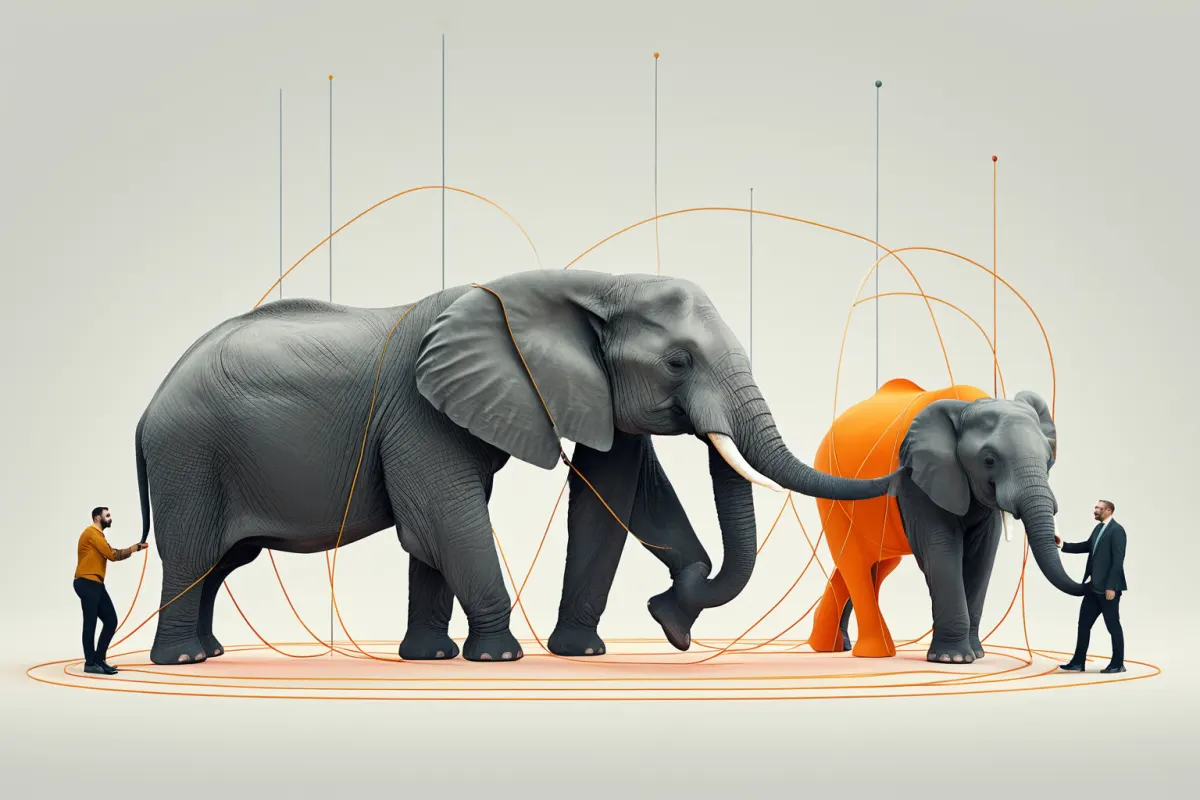
When translating "kkiri kkiri" into English, it depends on context. The most common translation is birds of a feather flock together, which conveys the meaning naturally.
In some contexts, "like attracts like" can also be used. However, this phrase is more general, and when discussing friendship or group culture, the original Korean expression often carries a better nuance.
Examples in Everyday Conversation
This expression works best in lighthearted banter or comments rather than serious contexts. For example, "You two are hanging out again—really kkiri kkiri elephants!" conveys a playful tone.
You can also use it neutrally like, "That group seems to fit well together because of similar tastes." However, be cautious as it might come across as mocking someone's personality or level, so avoid using it with people you just met.
How 'Kkiri Kkiri' Spread on DC Inside
The phrase "kkiri kkiri elephants" fits well with the style of language often seen in specific online communities. Its short length, humor, and oddly memorable nature make it perfect for comment culture.
Especially on platforms like DC Inside where reactions are fast-paced, this type of playful variation tends to stick around more easily. Often, the funnier the twist, the more the focus shifts from meaning to the sheer enjoyment of the phrase itself.
Misunderstood Usage Tips
The main thing to be careful about when using this expression is that it can sound like you're deliberately putting someone down. While "kkiri kkiri" can sometimes just be an observation, it might easily come across as dividing people or teasing.
It's fine for light banter among close friends but safer to avoid with strangers or in sensitive conversations. For example, saying "We have similar tastes" instead is much gentler.
Common Points of Confusion
First, "kkiri kkiri elephants" isn't a formal idiom. Second, its meaning is close to "people of similar tastes gathering together." Third, it's a playful internet expression so it doesn't fit well in serious contexts.
Fourth, the closest English equivalent is "birds of a feather flock together." Remembering these four points will help you understand the phrase wherever you encounter it.
FAQ
Q1. What does 'kkiri kkiri elephants' mean?
A playful internet meme combining the common expression "kkiri kkiri" with a humorous twist, meaning people of similar tastes naturally gather together.
Q2. Is 'kkiri kkiri elephants' an idiom?
No, it's not an official idiom but rather a blend of colloquial speech and internet slang.
Q3. How do you say 'kkiri kkiri' in English?
The most natural translation is "birds of a feather flock together".
This expression can vary slightly depending on the community, so checking recent online usage examples can be helpful.
Keep exploring similar topics.
View Category ArticlesFAQ
What does 'kkiri kkiri elephants' mean?
A playful internet meme combining the common expression 'kkiri kkiri' with a humorous twist, meaning people of similar tastes naturally gather together.
Is 'kkiri kkiri elephants' an idiom?
No, it's not an official idiom but rather a blend of colloquial speech and internet slang.
How do you say 'kkiri kkiri' in English?
The most natural translation is 'birds of a feather flock together'.
Korean Source
This article is an English localization of a Korean-language report from BlogScore. Original: 끼리끼리 코끼리: 밈(유행어)로 굳어진 이유는?