
Why the Japanese Colonial Government Building Was Demolished in Seoul
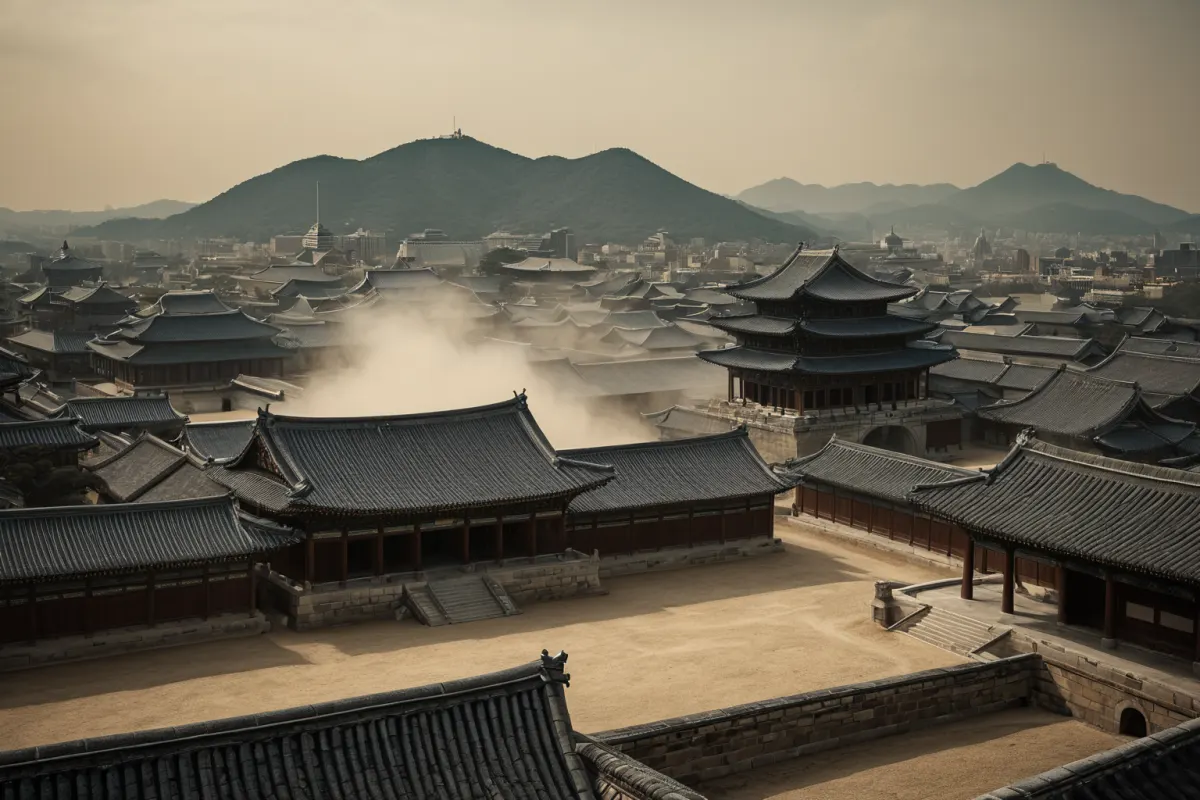
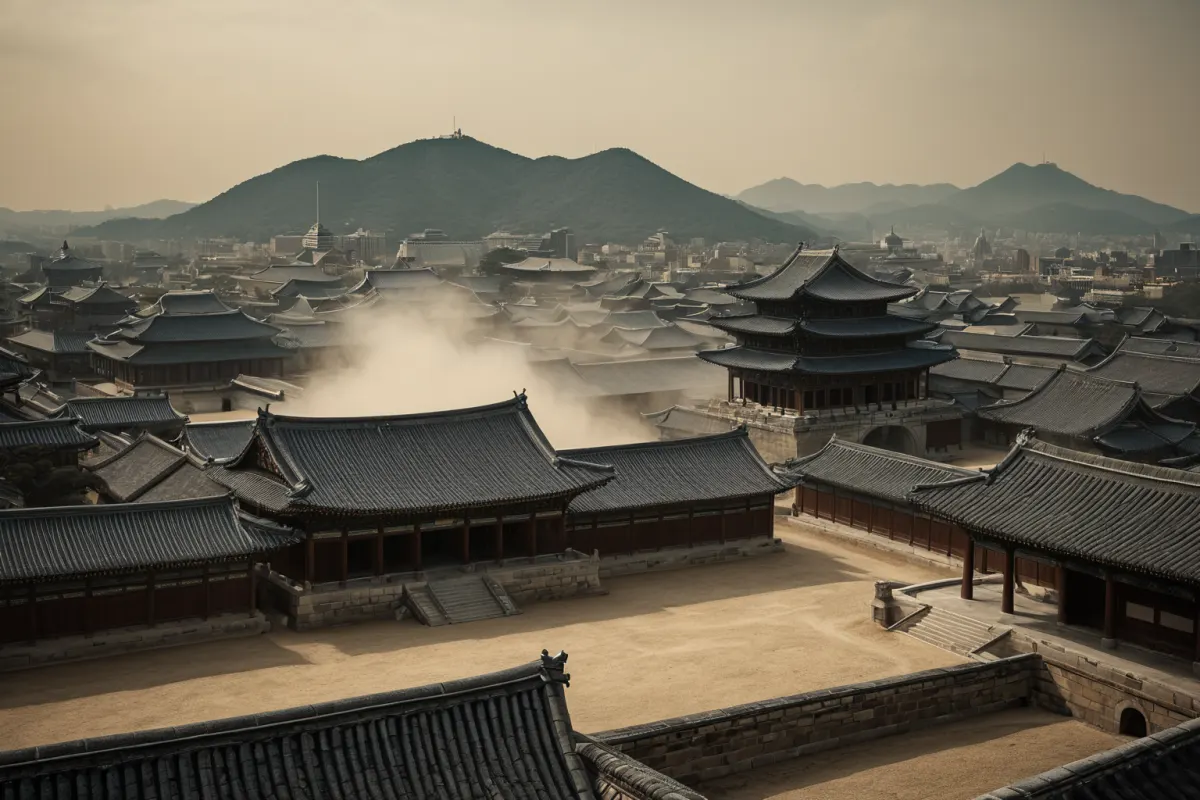
The demolition of the former Japanese colonial government building was not merely urban redevelopment but a historic decision to remove a symbol of colonial rule and restore the original layout of Gyeongbokgung Palace. While there were debates about its preservation value, national identity and cultural heritage restoration ultimately carried more weight.
Necessity of Removing Colonial Symbolism
The former Japanese colonial government building was a representative structure erected during Japan's colonial rule over Korea. Consequently, even after liberation, it was not viewed as merely an old building but as the very embodiment of colonial occupation.
As generations changed after liberation, questions about why such a structure should remain in the heart of the national capital grew louder. While there are many ways to remember historical pain, the overwhelming consensus was that architecture with such strong symbolism needed to be removed.
You can explore similar articles in one place.
View Related ArticlesNecessity of Restoring Gyeongbokgung's Original Layout
One key background for the demolition decision was the restoration of Gyeongbokgung Palace. The former Japanese colonial government building stood directly in the center of what had been Gyeongbokgung, disrupting its historical flow.
In reality, Gyeongbokgung was the heart of the Joseon Dynasty, and having a colonial-era structure covering it significantly damaged both the palace's layout and views. Thus, public opinion gradually shifted toward restoring the palace's historical integrity rather than keeping one building.
For instance, when tourists visit Gyeongbokgung, the presence of a colonial-era building directly in front makes it difficult to experience the original atmosphere of the palace. After demolition, restored pavilions and spatial arrangements become more visible, enhancing the historical experience.
Limits of the Preservation Debate
Naturally, some argued that demolition wasn't the only solution. Certain groups believed the building had value as a resource for modern architectural history, which was understandable.
Nevertheless, the former Japanese colonial government building differed fundamentally from typical modern architecture. It wasn't just about aesthetics—it represented occupation and domination so strongly that social consensus on preservation proved difficult to achieve. Ultimately, historical symbolism and spatial restoration were deemed more significant than cultural heritage value.
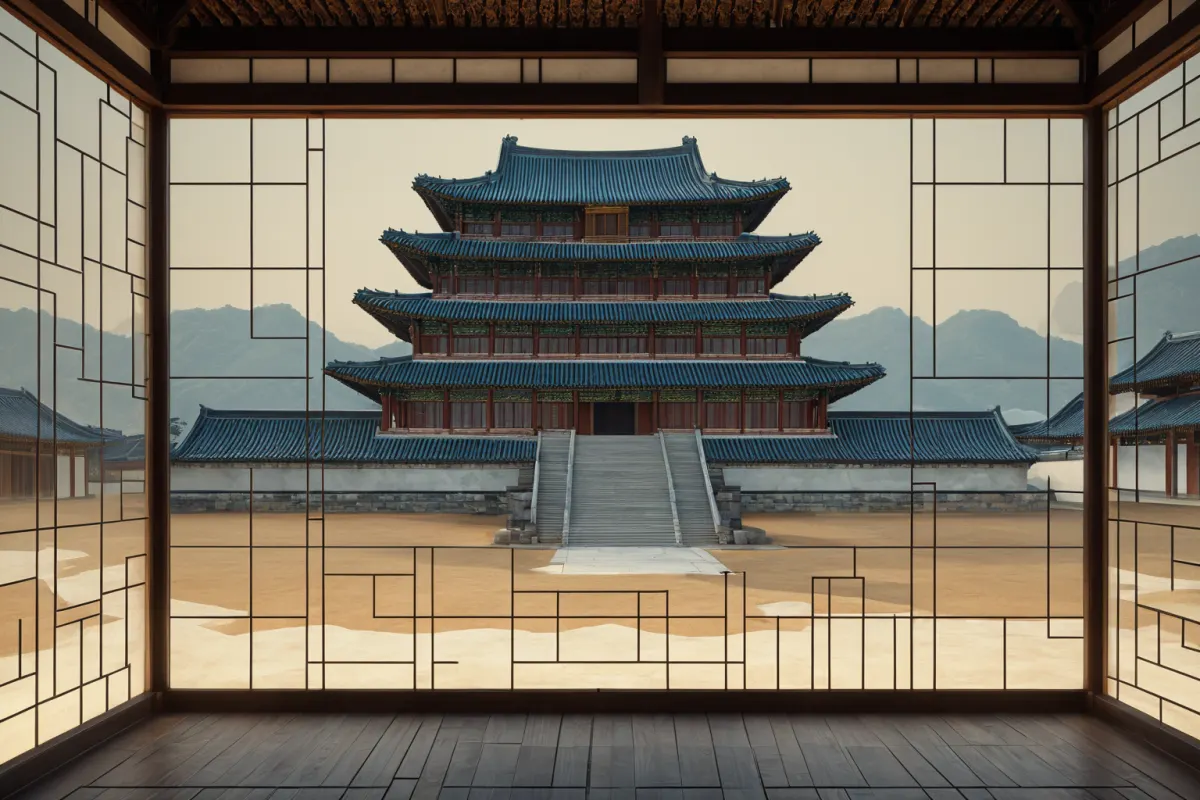
Demolition Process and Timing
The demolition decision wasn't an emotional or impulsive act but the result of long discussions. Since liberation, debates about whether to preserve or demolish the building continued through multiple administrations, with political considerations shifting over time.
Especially in the 1990s, as Gyeongbokgung restoration efforts intensified, demolition discussions moved into a more concrete phase. Investigations inside the building, assessments of cultural heritage damage, and plans for post-demolition restoration were all considered, increasing the feasibility of action.
A key point during this process was not just demolition but what would remain afterward. The decision gained credibility because complementary plans—such as Gyeongbokgung restoration, traditional landscape recovery, and creating educational spaces—were presented alongside the demolition plan.
National Sentiment and Historical Education Impact
For many years, the former Japanese colonial government building stood uncomfortably in the heart of Seoul. Therefore, its demolition was seen not as erasing history but as redefining how a nation remembers its past.
In practice, when students visit Gyeongbokgung, explaining colonial traces versus showing the palace's original form creates two very different experiences. After demolition, Gyeongbokgung's significance became clearer, and historical education about colonial rule became more precise.
For example, families visiting together can now explain to children that this was once the heart of the Joseon Dynasty before colonial occupation disrupted its space—a narrative made possible by the restored setting itself.
Summary of Key Reasons for Demolition
In short, the reasons for demolishing the former Japanese colonial government building boil down to three points: First, to remove a symbol of colonial rule. Second, to restore Gyeongbokgung's original form and historical integrity. Third, to clearly define national identity and historical education direction.
These three factors combined made this more than simple demolition—it became a historic turning point. Today, the event is often cited as an example of how a nation chooses what history it wants to remember rather than simply removing one building.
Those searching for information on "demolition of the Japanese colonial government building" or similar terms are not only curious about when the demolition occurred but also why it was decided. The answer lies in shifts in symbolism, spatial restoration, and historical awareness.
FAQ
Q1. Was the former Japanese colonial government building designated as a cultural heritage site?
The building wasn't protected under standard cultural heritage laws but was subject to demolition discussions primarily due to its colonial symbolism and impact on Gyeongbokgung's integrity.
Q2. Why demolish instead of preserve?
While architectural value was discussed, the building's strong symbolic meaning and greater need for Gyeongbokgung restoration led to the decision not to preserve it.
Q3. What has been the biggest change after demolition?
Gyeongbokgung's original spatial feeling has been restored, and the historical message of removing colonial traces is now clearly communicated.
The latest restoration status or related exhibition information may vary by time; it's recommended to check recent updates before visiting.
Continue exploring articles on similar topics.
View Category ArticlesFAQ
Was the former Japanese colonial government building designated as a cultural heritage site?
The building wasn't protected under standard cultural heritage laws but was subject to demolition discussions primarily due to its colonial symbolism and impact on Gyeongbokgung's integrity.
Why demolish instead of preserve?
While architectural value was discussed, the building's strong symbolic meaning and greater need for Gyeongbokgung restoration led to the decision not to preserve it.
What has been the biggest change after demolition?
Gyeongbokgung's original spatial feeling has been restored, and the historical message of removing colonial traces is now clearly communicated.
Korean Source
This article is an English localization of a Korean-language report from BlogScore. Original: 조선총독부 건물 철거가 결정된 이유와 배경