
Why Is the Focus on Modern History Increasing in Korean History Exams?
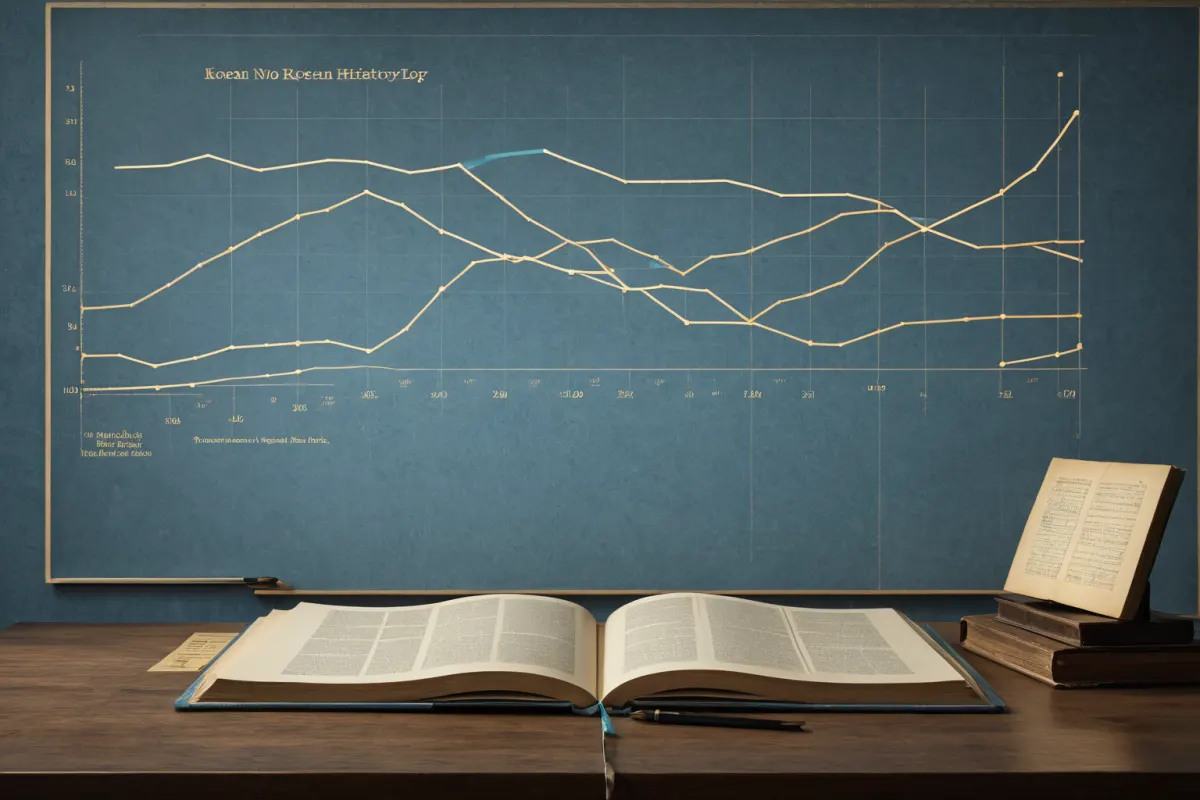
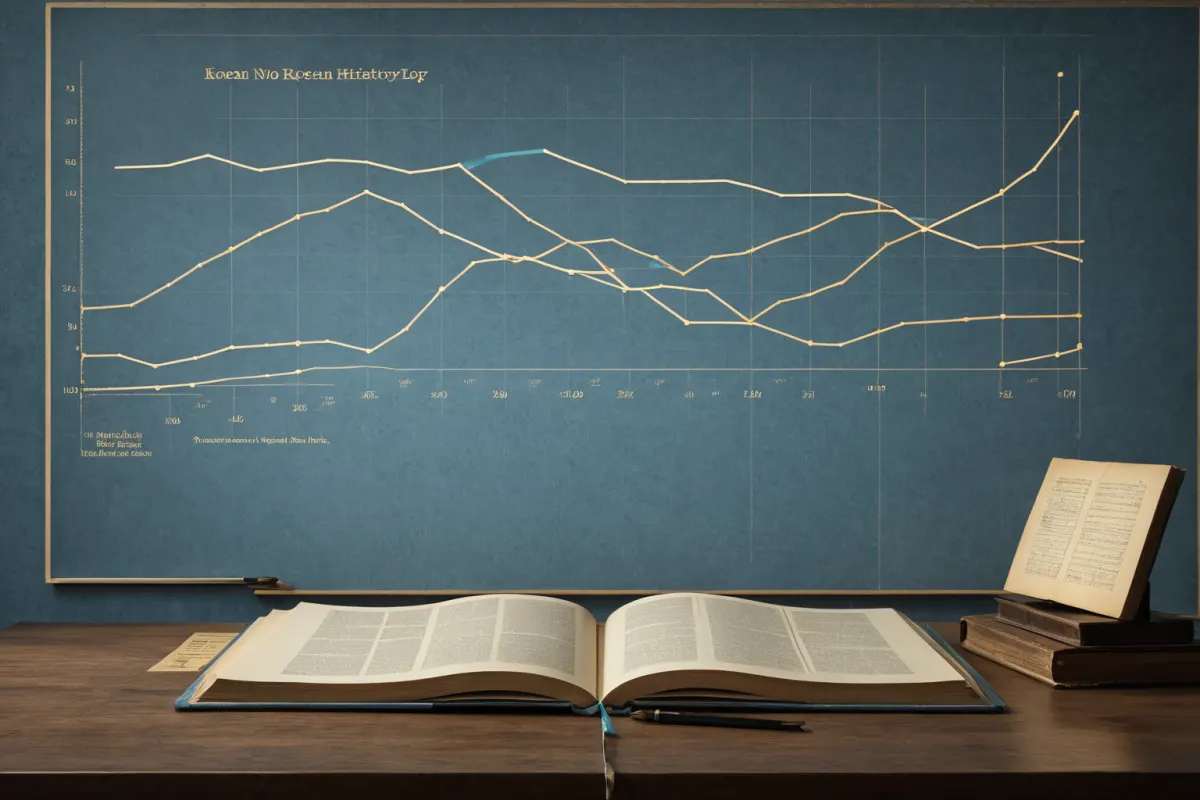
Increasing the proportion of modern Korean history isn't just about adding more content—it's a strategic shift in evaluation that aims to help students better understand the flow of Korean history. Recent exams emphasize connecting causes and results across eras rather than memorizing event names.
This means relying solely on rote learning will make scoring difficult, as understanding historical context and making comparisons are now more important. Especially with questions covering political and economic changes from the opening of ports (1876), Japanese colonial period, to post-liberation era, study methods must adapt accordingly.
Key Changes in Modern History Focus
The most significant shift is that exam focus is gradually moving from premodern to modern history. While past exams centered on dynasties and institutions, today's questions increasingly explore themes like independence movements, industrialization, and democratization.
This isn't simply about making tests harder—it's a strategic adjustment in learning priorities. Exams naturally favor flow-based questions to differentiate students' abilities, and modern history provides the ideal context for such assessments.
Find all related articles on this topic in one place.
View Related ArticlesWhy Modern History is Getting More Focus
Modern history offers rich material for data-based questions that connect historical context. With supporting materials like photos, newspaper articles, declarations, and timelines, exams can more clearly assess understanding rather than simple memorization.
It's also a challenging area for students—many events with similar names make rote learning confusing. Test creators often target this exact point to test detailed comprehension.
Adjusting Study Approaches
With increased focus on modern history, shifting from era-based memorization to flow-centered study is more effective. For example, grouping periods from the opening of ports (1876) through liberation into a single narrative and connecting political, social, and foreign relations changes makes information stick better.
A good approach: First organize events in the Opening Period, including treaties and reform movements; then examine Japanese Colonial Era activities like independence movements; finally connect Post-Liberation developments such as government establishment and democratization processes.
This method ensures that when encountering a question, students recall not just isolated events but the broader context. This difference significantly impacts performance in essay and data-based questions.
Common Confusion Points for Students
Misunderstandings often occur with similar-sounding groups appearing consecutively, such as the Independence Association, Korean Self-Strengthening Society, and New People's Society. Without distinguishing their timing and goals, students easily mix them up.
Another challenge is post-liberation modern history. The rapid succession of government establishment, war, economic growth, and democratization makes timeline-only memorization ineffective. Instead, understanding the 'why' behind these events—like how the 1948 April 19th Revolution connected to unfair elections and student protests—is more helpful.
Similarly, the May 18th Democratic Movement should be viewed within the broader context of democratic expansion rather than as a standalone event.
Effective Study Methods for Real Exams
In actual exams, connection skills matter more than fragmented knowledge. Organizing notes in comparison tables (e.g., 'Purpose, Actors, Outcome') is far more efficient than listing events alone.
A sample daily study plan: Morning—study treaties and reform movements of the Opening Period; Afternoon—compare independence movement groups; Evening—solve short practice questions to reinforce learning. Shorter, repeated sessions are better for retention than long memorization bursts.
When practicing past questions, don't just note correct answers but also analyze why other options were incorrect. Modern history questions often include subtle traps by slightly altering answer choices, making error analysis crucial.
Impact on Classroom Teaching
The increased focus has changed teaching methods. Teachers now supplement lectures with source analysis and discussion activities rather than relying solely on explanations. Students perceive the subject as shifting from 'memorization' to 'interpretation.'
This change isn't making history harder—it's moving toward assessing critical thinking skills. Students who regularly read articles or analyze historical materials have an advantage, while those weak in contextual understanding may struggle initially.
Common Mistakes in Preparation
A frequent error is neglecting premodern history entirely as modern focus increases. Even though its exam weight has decreased, foundational concepts remain essential for understanding the broader historical flow.
Another common mistake is memorizing dates alone. Modern history features many events with similar dates, so focusing solely on numbers leads to confusion. Grouping background, key actors, and outcomes together helps retain information better.
For example, instead of memorizing the Japan-Korea Treaty of 1905 (Eulsa Treaty) and Annexation separately, consider their relationship: How did one event lead to another? This approach prevents confusion when questions mix up chronological order.
Key Preparation Points for Modern History Focus
To prepare effectively under this trend, focus on three essentials: First, group key events chronologically by era; Second, compare independence movements and democratization processes separately; Third, become familiar with data-based question formats.
Covering these points significantly reduces perceived difficulty. Especially before exams, reviewing only the most confusing event pairs is more efficient than rereading entire timelines.
FAQ
Q1: What types of questions increase with modern history focus?
Data interpretation, flow understanding, and comparison-based questions become more common. Instead of simple memorization, exams increasingly ask about processes, causes, and outcomes.
Q2: Where should I start studying modern Korean history?
Begin with the Opening Period (1876), proceed through Japanese Colonial Era, then post-liberation developments. This chronological flow makes it easier to connect events without gaps.
Q3: What if memorizing dates is too hard?
Focus on grouping events by name, background, and outcome rather than just dates. Comparing similar events helps create stable memory associations.
Exam scope and question trends vary by grade level, school, and evaluation method, so always verify the latest guidelines from your institution.
Continue exploring similar topics.
View Category ArticlesFAQ
Q1: What types of questions increase with modern history focus?
Data interpretation, flow understanding, and comparison-based questions become more common. Instead of simple memorization, exams increasingly ask about processes, causes, and outcomes.
Q2: Where should I start studying modern Korean history?
Begin with the Opening Period (1876), proceed through Japanese Colonial Era, then post-liberation developments. This chronological flow makes it easier to connect events without gaps.
Q3: What if memorizing dates is too hard?
Focus on grouping events by name, background, and outcome rather than just dates. Comparing similar events helps create stable memory associations.
Korean Source
This article is an English localization of a Korean-language report from BlogScore. Original: 근현대사 비중 확대, 왜 바뀌는지와 영향