
Why Is Boston Dynamics' Robot Dog Different?
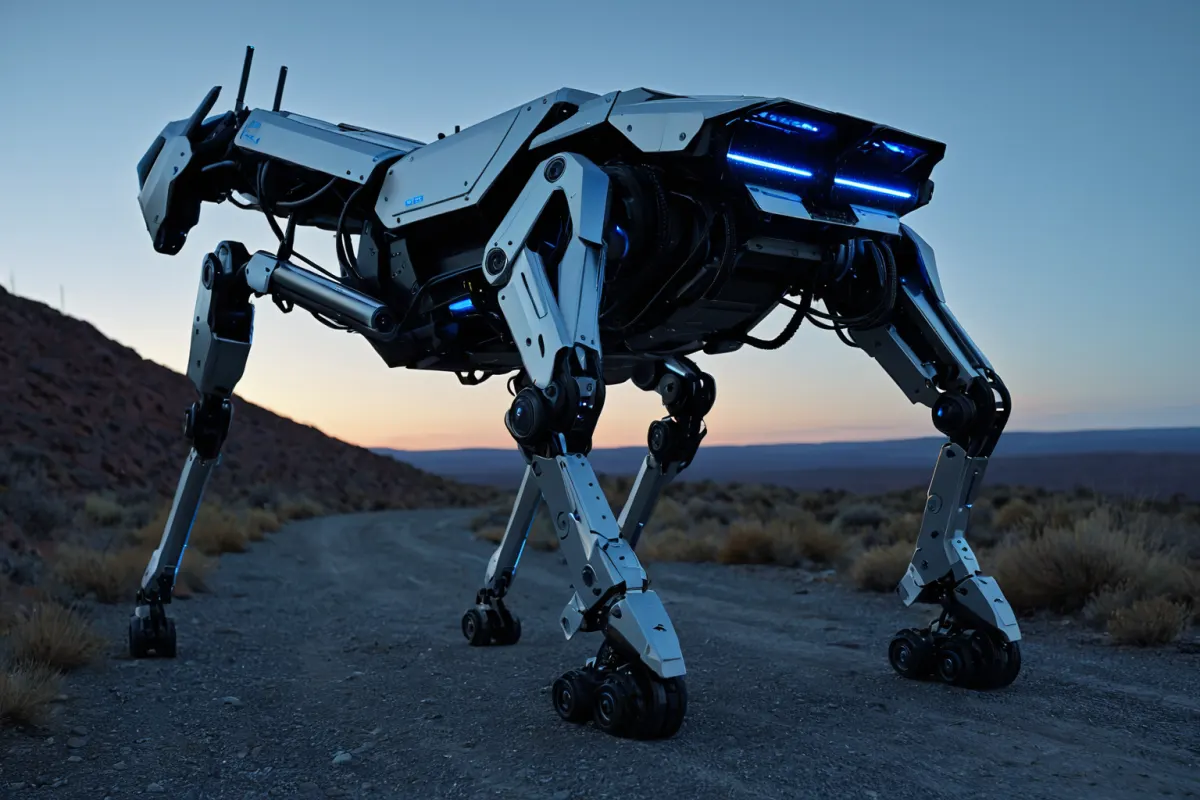
Boston Dynamics' robot dog is special not just because it walks on four legs, but because it maintains balance and adjusts direction naturally even in rough terrain—moving with a level of precision that feels almost human. While many quadruped robots have emerged recently, Boston Dynamics remains unmatched in natural motion, posture control, and obstacle navigation.
Many people assume robot dogs are just moving platforms, but the real focus is on staying upright and interpreting surroundings—not just walking. This article explains why Boston Dynamics' robot dog feels different from others, how it compares to similar models, and what to consider when using it for education or research.
Why Boston Dynamics’ Robot Dog Stands Out
Boston Dynamics' robot dog is commonly known as Spot. Unlike a toy pulled around by hand, it’s designed as a practical platform that maintains balance, navigates obstacles, and completes tasks on its own.
Its most noticeable feature is stability in movement. On uneven surfaces like stairs, gravel, or slopes, it holds its posture better than other robots—making the difference clear even in demo videos.
For example, at factories with uneven floors or outdoor inspection areas, quadruped robots often outperform wheeled ones. Boston Dynamics’ robot focuses not just on “can it go?” but on “can it complete tasks reliably?”
You can find similar articles all in one place.
View Related ArticlesDifferent Movement Style Compared to Other Quadruped Robots
Many quadruped robots focus on simply walking. Boston Dynamics, however, finely controls leg angles, weight distribution, and foot placement to make the robot’s overall movement feel natural.
This difference becomes clear when observed. It’s not just about moving forward—it’s about quickly changing direction, staying steady on slippery surfaces, or regaining balance while carrying a load.
For example, some robots move well on flat ground but wobble at small steps. Boston Dynamics’ robot adjusts leg positions instantly based on sensor input to prevent falls. This responsiveness is why people often say it feels “alive” rather than like a machine.
Key Technical Points of Quadruped Robots
To understand robot dogs, focus on three key elements: sensors, control algorithms, and mechanical design. All three must work together for long-term, stable movement.
Sensors detect obstacles and ground conditions. Control algorithms calculate how high to lift legs or where to place them. Mechanical design ensures motors and joints follow commands accurately.
For beginners, it’s more accurate to say the robot “continuously recalculates balance” rather than simply “walks.” It moves smoothly like a human but is actually the result of rapid calculations adjusting posture every moment.
Comparing Boston Dynamics with UNITREE GO1/GO2
You’ll also see names like UNITREE GO1, UNITREE GO2, and AGILEX. These differ in price and use case. While Boston Dynamics targets industrial applications as a premium platform, others are often used for education, research, or development.
For example, ROS-based education or ROS2 training may prefer more accessible platforms that allow quick practice with sensor integration, navigation control, and autonomous driving. Boston Dynamics is known for its “industrial-grade readiness”—meaning it’s built to be used in real-world settings.
Use case matters: If your goal is video production or research demos, mobility or SDK support might matter more. For industrial inspections or long-distance operations, durability and safety are key considerations.
Real-World Use Cases and Perceived Differences
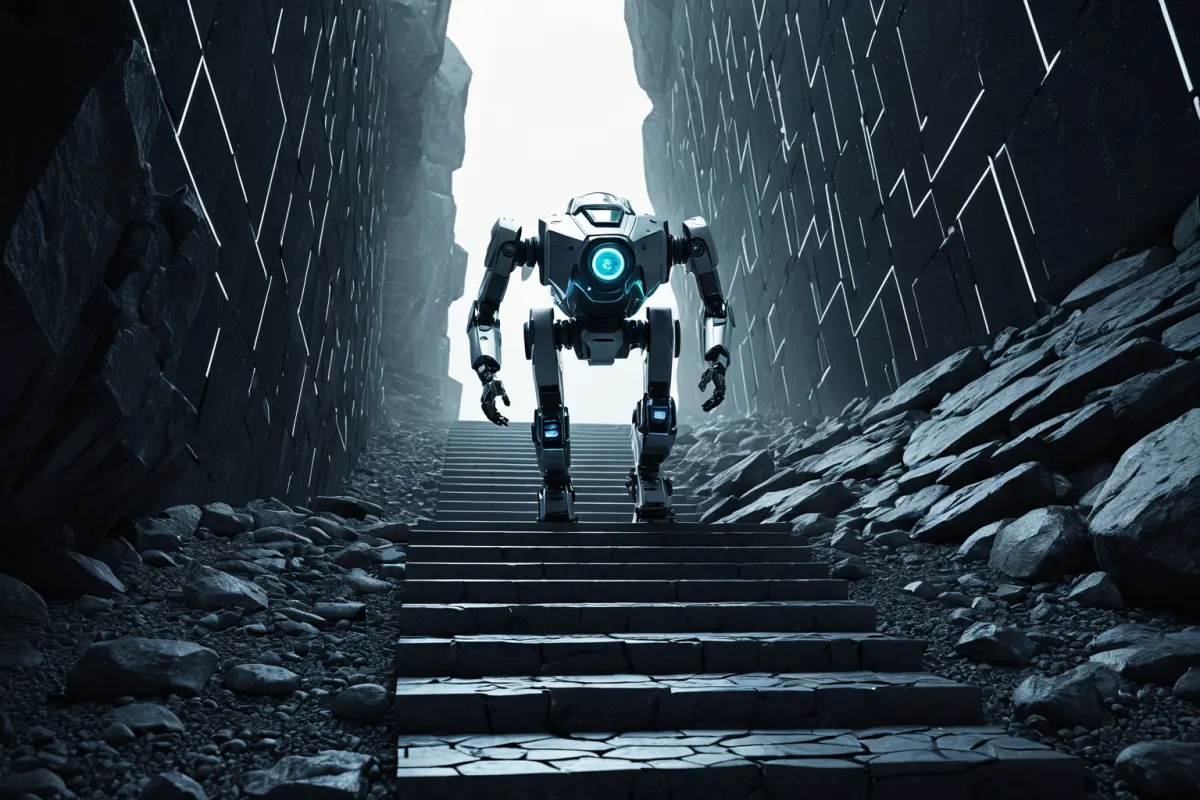
Boston Dynamics’ robot dog is frequently mentioned in industrial inspections, research testing, and remote observation. Its main advantage is accessing hard-to-reach areas where humans can’t easily go to gather data.
For instance, complex pipe systems in factories, uneven outdoor paths, or facilities with many stairs require flexible route selection—something wheeled robots struggle with. The robot dog’s ability to navigate these spaces makes movement itself a key strength.
Another notable point is posture changes: moving sideways, passing through tight spaces, or avoiding small obstacles are much harder than simple forward motion. This is where Boston Dynamics’ level of refinement becomes especially clear.
Misconceptions When First Seeing Robot Dogs
Newcomers often think robot dogs all look similar, but the real comparison should focus on stability over speed and control quality over appearance. A smooth movement might still be unstable during sudden stops or sharp turns, reducing practical use.
Another key difference is purpose: some robots are designed for lab testing while others target industrial tasks. Even among quadruped robots, size, weight, sensor setup, battery life, and software support can vary widely.
For example, someone learning ROS2 might care more about sensor data access, while an operations manager will prioritize battery life and remote control stability. The same robot dog may be judged differently based on your goal.
Key Factors to Check Before Buying or Learning
Picking a robot dog just because it looks cool can lead to regret later. What you should check depends on your purpose: documentation and sample code matter more for education, while SDK access and sensor capabilities are key for research.
Here are common criteria used in practice:
- Indoor/outdoor navigation capability
- Battery life
- Sensor types and data accessibility
- ROS/ROS2 compatibility
- Maintenance and parts availability
- Development documentation and community activity
Especially for beginners, it’s better to clarify whether your goal is “navigation testing” or “autonomous control implementation” before watching demo videos.
The Core Idea: What Makes Boston Dynamics’ Robot Dog Special
Boston Dynamics’ Spot isn’t a cute novelty—it’s an advanced quadruped platform designed to maintain balance and complete tasks in unpredictable environments. So, the real difference isn’t speed or step count but the ability to stay steady under any conditions.
The robot dog market is growing, and Boston Dynamics sets the standard others are measured against. However, different use cases—education, research, industry—require different solutions, so no single model fits all. Choosing based on your specific needs is key.
Product details and support may change over time, so always check the latest information before purchasing or implementing.
FAQ
Q1: Why is Boston Dynamics' robot dog expensive?
A: Because of its advanced balance control, sensor processing, mechanical durability, and industrial-grade reliability. It’s significantly more complex to develop than a simple mobility robot.
Q2: What’s the biggest difference between UNITREE GO1/GO2 and Boston Dynamics?
A: Purpose, level of refinement, price point, and development approach differ. Models for education/research versus industrial use have different standards.
Q3: Can a robot dog help with learning ROS2?
A: Yes, especially for hands-on practice with sensor processing, navigation control, and autonomous driving concepts. However, support varies by model, so check beforehand.
Continue reading similar articles on this topic.
View Category ArticlesFAQ
Why is Boston Dynamics' robot dog expensive?
Because of its advanced balance control, sensor processing, mechanical durability, and industrial-grade reliability. It's significantly more complex to develop than a simple mobility robot.
What's the biggest difference between UNITREE GO1/GO2 and Boston Dynamics?
Purpose, level of refinement, price point, and development approach differ. Models for education/research versus industrial use have different standards.
Can a robot dog help with learning ROS2?
Yes, especially for hands-on practice with sensor processing, navigation control, and autonomous driving concepts. However, support varies by model, so check beforehand.
Korean Source
This article is an English localization of a Korean-language report from BlogScore. Original: 보스턴 다이내믹스 로봇개 뭐가 다를까