
Why Heavy Rains Cause More Damage and Where Failures Happen Most Often
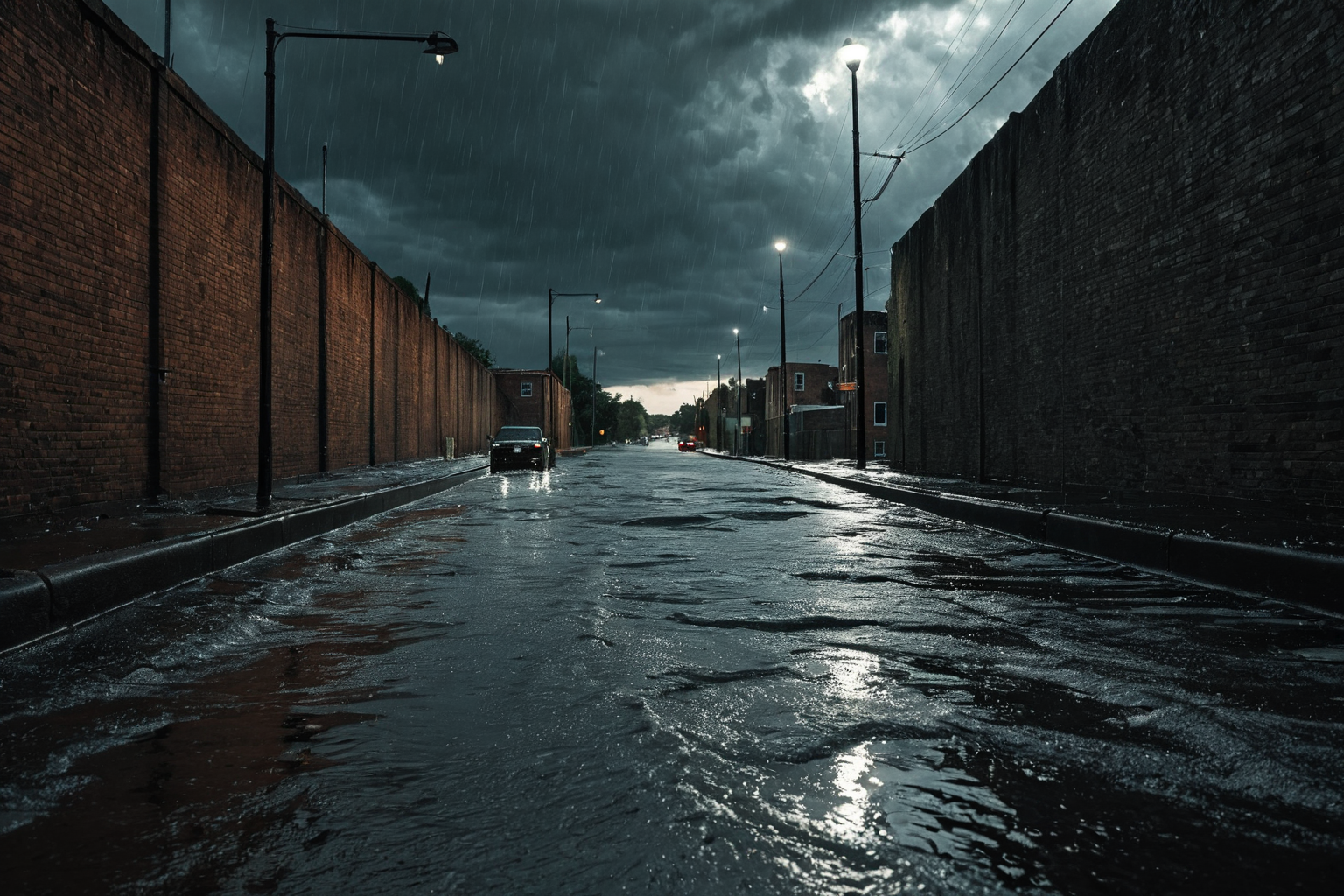
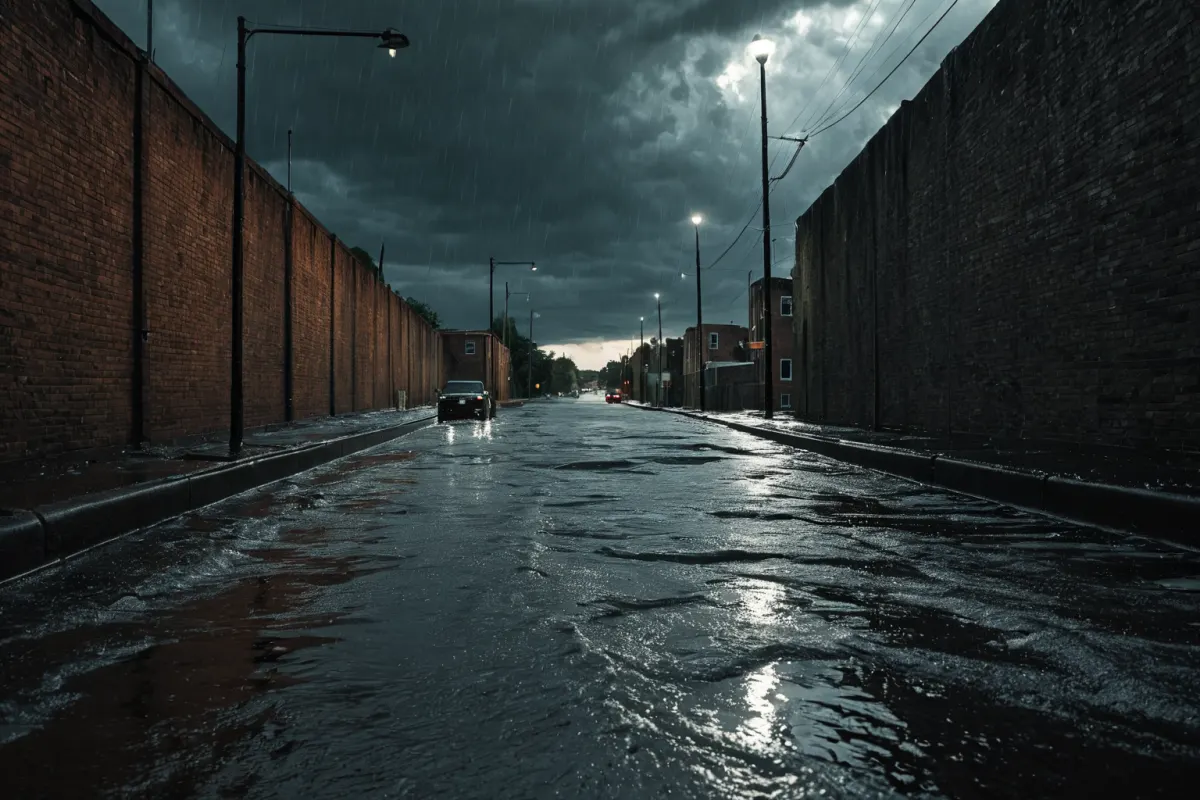
The reason for increasing damage from heavy rain isn't simply because of the amount of rain. When too much rain falls in a short period, it overwhelms drainage capacity, causing cities, rivers, and slopes to fail simultaneously. Low-lying areas, semi-basements, landslide-prone zones, and places with narrow drains are particularly prone to repeated damage.
This article will focus on why heavy rain causes more damage, where failures most commonly occur, and what signs in daily life can help you detect risks early. Knowing specific vulnerable points makes preparation much easier than relying on vague worries.
Core Reasons Why Heavy Rain Damage Increases
Heavy rain typically refers to situations where large amounts of rain fall over a short period. The key issue isn't total rainfall but intensity. For example, 100mm spread out over a day may be manageable, but if it falls within an hour, drainage systems and gutters can't keep up.
In urban areas, impermeable surfaces like asphalt and concrete cause water to quickly gather in one place. Roads often flood first, followed by underground spaces, parking lots, and low-lying homes.
In mountainous or sloped areas, the opposite happens. Water seeping into the ground weakens soil cohesion, making landslides more likely. Thus, both urban flooding and landslide damage can occur simultaneously under the same rain system.
You can view similar articles in one place.
View Related ArticlesCommon Features of Frequently Failing Locations
The most vulnerable areas have structures that easily collect water. Examples include semi-basement homes, underground parking lots, subways, roads near rivers, buildings under hills, and steep slopes. These places often become dangerous after some time has passed since the rain began—not immediately at the start.
Old drainage systems also worsen problems. Clogged gutters filled with trash or leaves block water flow, while manholes and narrow alleys are prone to backflow. What may look like ordinary alleys can actually be the first places to flood.
Riverside areas experience rapidly rising water levels. Small streams or covered rivers that aren't visible under normal conditions can quickly become dangerous during heavy rain. Even if a location was safe before, recent construction or road expansion nearby might have changed drainage patterns—so don't assume safety just because it seemed fine previously.

How Heavy Rain Standards Are Used for Risk Assessment
Heavy rain standards are usually based on hourly rainfall or short-term cumulative amounts. However, numbers alone aren't enough; surrounding conditions matter too. The same amount of rain can cause different damage depending on whether it falls in flatlands, mountains, urban areas, or rural regions.
For instance, heavy hourly rain might first cause road flooding and vehicle immobilization, while prolonged cumulative rainfall could lead to soil erosion, rockfalls, and weakened foundations. Therefore, understanding both how much rain has fallen and where it fell is key to assessing real risk.
Natural warning signs are also helpful. If water swirls around gutters, water pushes out from manhole covers, or muddy water suddenly increases on slopes, drainage and foundations may already be overwhelmed.
Common Scenarios in Heavy Rain Damage Cases
Looking at past heavy rain damage cases reveals recurring patterns. First, flooding often starts during peak commute times or at night when people are moving around. Second, vehicles enter shallow water thinking it's safe but become stuck. Third, items left in underground spaces lead to greater losses because they couldn't be moved quickly.
In reality, repeated small oversights—rather than a single major storm—are often the cause of significant damage. Ignoring clogged drains or failing to move electrical equipment from low areas are common examples.
At home, even something as simple as a door mat in front of your entrance can make a difference. For businesses, it's more important to plan emergency power shutdown locations and evacuation routes than just placing towels around entrances.
Causes of Heavy Rain and Why It Feels More Dangerous Now
The causes of heavy rain include increased atmospheric moisture, stationary fronts, and localized convection systems. However, what makes it feel more dangerous now isn't just the amount of rain—it's also changes in urban structure. High-rise development, expanded impermeable surfaces, and complex drainage networks all contribute.
In the past, soil and grass could absorb some water, but today, water quickly flows into drains. Additionally, short, intense downpours create uneven regional impacts—meaning one neighborhood might be fine while a specific alley suffers damage.
Climate change is also increasing both the frequency and intensity of extreme rainfall events. Relying solely on past records to assume "this won't be bad" can be risky. Even in the same area, vulnerable points may differ from year to year.
Commonly Overlooked Safety Measures for Heavy Rain
Many people only think about closing windows and blocking doorways—but electrical systems and evacuation routes are actually more critical. Check areas where water might enter first: basements, roof access doors, parking ramps, and stairwells.
For example, if you live in a semi-basement, lifting electrical outlets and appliances off the floor is more important than just placing barriers on the ground. For vehicles, moving them to higher ground outside underground parking lots is safer.
Another point: during rain, avoid river paths, subway entrances, or underground shopping areas if the rain suddenly intensifies. Water rises faster than it appears, and once trapped, movement becomes difficult.
Everyday Preparations to Reduce Heavy Rain Damage
To reduce heavy rain damage, basic checks matter more than special equipment. First, clear gutters and drains around your home in advance, and check that balcony drains aren't clogged with leaves. Even a small blockage can start flooding.
If you have family members, set up emergency contact methods and meeting places—especially if rain intensifies overnight when people might be separated. Instead of vague locations like "in front of the house," choose specific spots like high ground near your neighborhood.
For example, a first-floor store owner should move chairs and boxes inside before closing, and keep electrical outlets at upper wall levels. Apartment residents should avoid parking in low-lying areas or use river paths for walks only when rain has clearly stopped at night.
Important Notes When Viewing Heavy Rain Statistics
When reviewing heavy rain statistics, look beyond total annual rainfall to the frequency of extreme events and how damage is distributed across regions. Numbers alone don't convey much, but real-world damage often concentrates in specific times and terrains.
Also, avoid assuming all areas are equally at risk just from article titles. Even within a single district, underground tunnels, low-lying neighborhoods, and steep-slope housing areas vary in vulnerability. So it's helpful to check local terrain based on your address before making decisions.
Heavy rain is commonly translated as "heavy rain" or "intense rainfall" in English, but note that blog or news terms may differ from official disaster response terminology. Prioritize current location-specific risk signals over vocabulary differences.
FAQ
Q1. Why does heavy rain damage keep happening in the same places every year?
The terrain and drainage structures don't change much, so low-lying areas, underground spaces, and steep slopes repeatedly show vulnerabilities during rain events.
Q2. What should I check first when it's raining heavily?
Check surrounding drains, gutters, underground entrances, and parking lots where vehicles are parked. Blocking entry points for water is key to reducing damage.
Q3. What single action at home most effectively prepares for heavy rain?
Moving electrical equipment away from water sources and lifting items stored near floors or basements upward. Floods happen quickly, so pre-movement makes the biggest difference.
Continue exploring similar topics.
View Category ArticlesFAQ
Why does heavy rain damage keep happening in the same places every year?
The terrain and drainage structures don't change much, so low-lying areas, underground spaces, and steep slopes repeatedly show vulnerabilities during rain events.
What should I check first when it's raining heavily?
Check surrounding drains, gutters, underground entrances, and parking lots where vehicles are parked. Blocking entry points for water is key to reducing damage.
What single action at home most effectively prepares for heavy rain?
Moving electrical equipment away from water sources and lifting items stored near floors or basements upward. Floods happen quickly, so pre-movement makes the biggest difference.
Korean Source
This article is an English localization of a Korean-language report from BlogScore. Original: 집중호우 피해가 커지는 이유와 자주 무너지는 곳