
Why Germany's TKMS Won Canada's Submarine Contract: Key Factors Explained
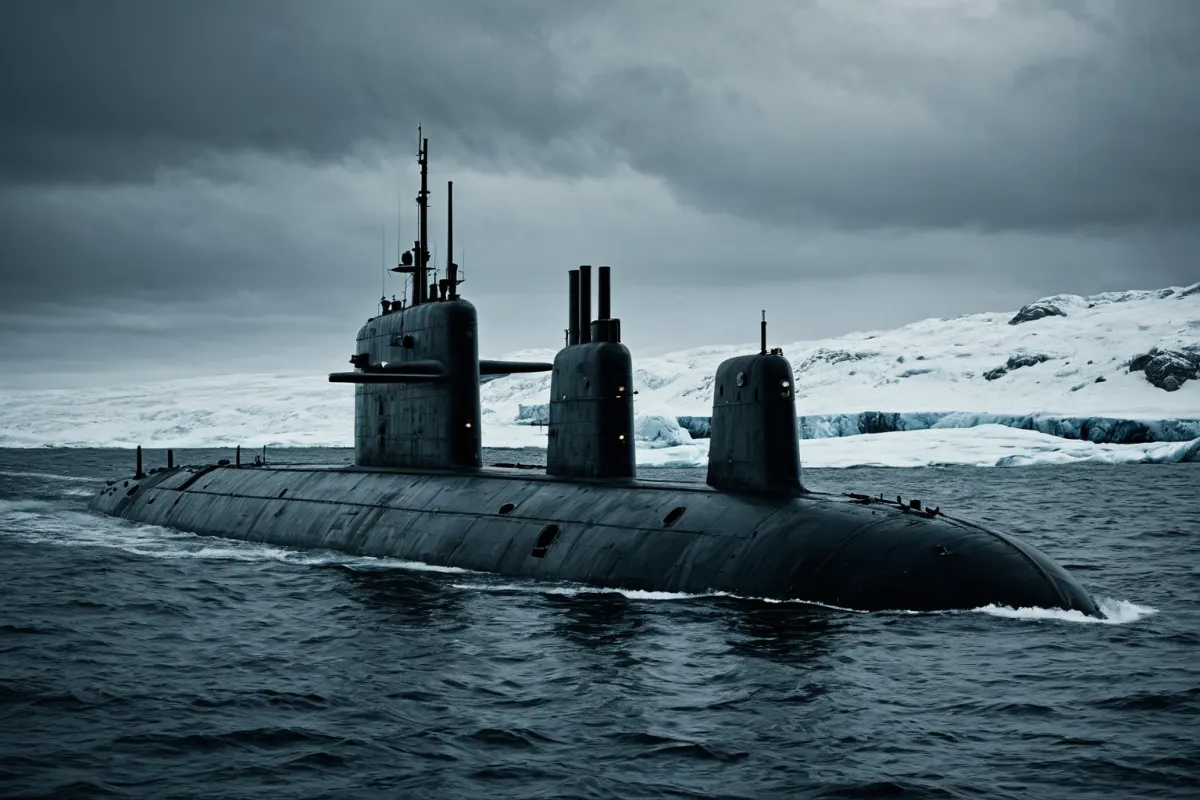
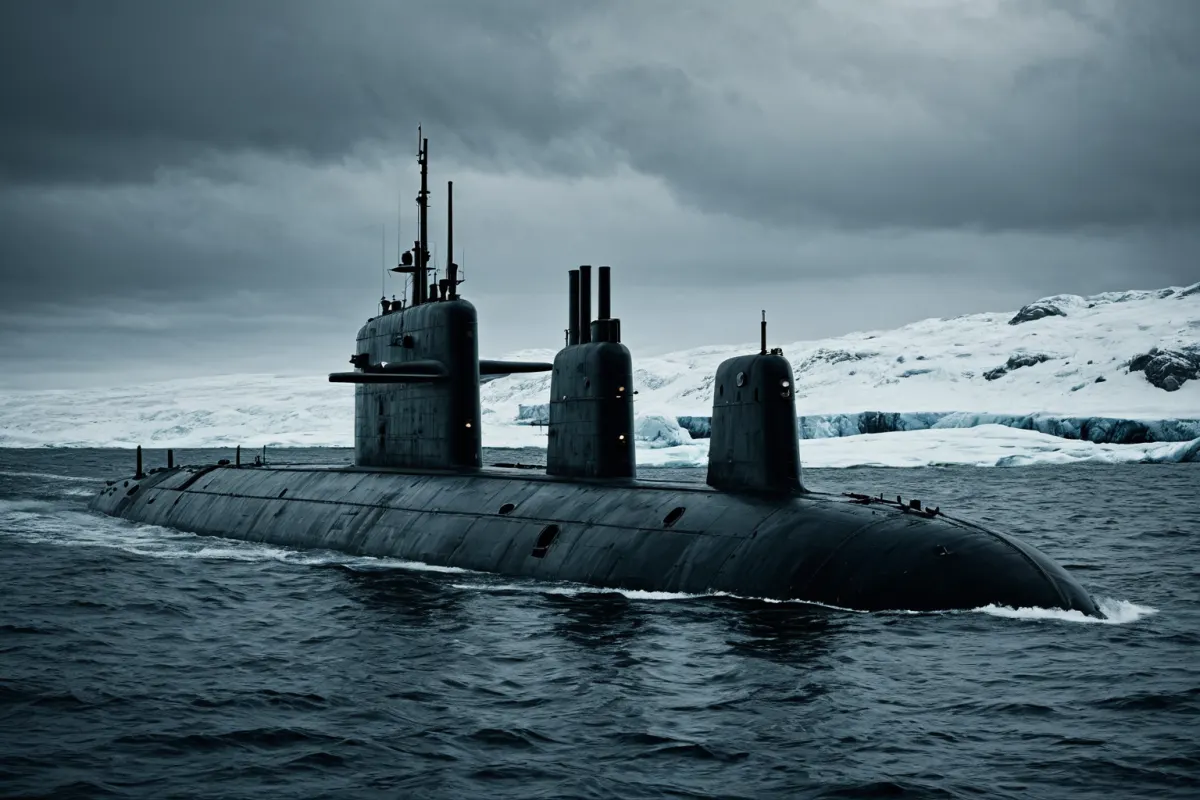
The reason Germany's Thyssenkrupp Marine Systems (TKMS) stood out in Canada's submarine procurement process boils down to a perfect alignment of technical validation, delivery reliability, and Arctic operational capability. Canada wasn't just buying submarines—they were seeking an entire operational system with long-term maintenance capacity. TKMS emerged as the best fit among candidates for meeting these requirements.
This project isn't about acquiring a few new submarines—it's a comprehensive overhaul of Canada's naval fleet structure. Price alone wasn't enough; the ability to operate reliably over decades and the strength of the shipbuilding and maintenance ecosystem were paramount.
Key Criteria in Canada's Submarine Selection Process
Canada prioritized operational viability above all else when selecting a submarine provider. Submarines generate far more costs through operation, maintenance, and spare parts than through initial construction—so even if the contract terms looked promising, low operational rates would render the investment meaningless.
Another critical factor was Arctic adaptability. With Canada's proximity to Arctic waters, submarines needed enhanced endurance for cold-water operations beyond standard coastal capabilities. This made actual submarine design experience more valuable than general shipbuilding expertise.
Canada also considered domestic economic impact, including local parts procurement, maintenance support, training programs, and long-term technology partnerships. The provider wasn't just a vendor—they needed to be a long-term partner capable of supporting Canada's naval ecosystem for decades.
Explore more articles on similar topics in one place.
View Related ArticlesWhy TKMS Was Strongly Evaluated
TKMS has decades of experience in submarine manufacturing, particularly with export models. Their proven track record made it easier to tailor proposals for demanding markets like Canada. What set them apart wasn't just 'good technology'—it was technology that could be reliably delivered and implemented.
TKMS also has a strong reputation in diesel-electric propulsion submarines—a type known for lower operating costs and stable performance, aligning well with Canada's long-term operational plans. The fact they could base negotiations on an already validated platform made them highly attractive.
Most importantly, in defense procurement, adherence to timelines is critical. Even the most advanced technology means little if delivery is delayed, creating a power gap. TKMS' strong reputation for meeting schedules contributed significantly to their favorable standing among competitors.
Factors Compared During Selection Process
Canada's submarine selection process was more than a simple bid—it involved comprehensive evaluation across multiple criteria. Initial comparisons covered basic specifications like performance, diving capability, range, and crew operational convenience. Then they examined real-world maintenance cycles and parts supply chains.
For example, if two candidates offered similar performance but one had reliable spare parts availability while the other's support was uncertain, the outcome would differ significantly. Submarines aren't disposable equipment—these practical considerations were decisive.
To illustrate, imagine choosing between two cars at the same price: one that can be serviced nationwide with easy access to parts, and another requiring long waits for overseas components. You'd likely choose the first option. Similarly, submarine procurement prioritizes long-term operational stability over initial cost.
Canada's Operational Requirements for Submarines
Canada's navy must operate across Atlantic, Pacific, and Arctic waters—a broad scope requiring submarines capable of extended operations in cold environments. Beyond stealth capabilities, these vessels needed to maintain operational endurance in freezing conditions. This naturally positioned established European defense contractors like TKMS as top contenders.
Canada also considers joint operations with allies, so communication systems, training frameworks, and future upgrade potential were factored into the decision. Rather than a one-time acquisition, Canada sought platforms that could evolve within international cooperation structures over time.
Submarines may appear similar externally, but internal system differences significantly impact combat effectiveness. Factors like crew comfort, battery management, noise suppression technology, and sensor placement directly affect real-world performance—making the selection process ultimately a comprehensive scoring exercise.
Maintenance Systems Become Crucial After Selection
The selection doesn't mark the end of the process—it's just the beginning. The post-delivery maintenance system becomes even more important. For countries with vast coastlines like Canada, a single breakdown can mean significant power loss, making scheduled maintenance and spare parts availability critical.
One reason TKMS gained attention was their strong after-sales support capabilities. Submarines require integrated maintenance schedules, crew training, technical documentation, and upgrade planning to operate stably over time. Even with favorable initial terms, weak post-sale support would lead to long-term losses.
Consider this real-world example: a new system that lacks clear manuals or has limited repair personnel will quickly become inoperable. Defense equipment faces even greater challenges from these issues, so operational planning after purchase ultimately determines success.
The Significance of TKMS' Selection for Canada
TKMS' selection signals that Canada is not just acquiring new combat capabilities—it's rebuilding its long-term maritime security framework. While submarine power isn't immediately visible, it plays a critical role in deterrence strategy.
This decision also demonstrates European defense technology's competitive strength in North American markets. For Canada, diversifying suppliers reduces dependency on any single region and strengthens negotiation leverage for future projects—potentially influencing subsequent procurement decisions.
However, final contract details, delivery schedules, and specific options remain subject to change. Defense procurement is influenced by political factors, budget constraints, and technical negotiations, so ongoing monitoring of the process is recommended over focusing solely on initial announcements.
Frequently Asked Questions
Q1. Is TKMS officially confirmed as Canada's submarine provider?
TKMS has been a strong contender in the broader context, but final contract terms and procedures require further confirmation. Defense contracts often undergo adjustments before finalization.
Q2. Why does submarine procurement take so long?
Submarines require extensive design validation, safety testing, maintenance system setup, and crew training—often making post-construction preparation longer than the construction phase itself.
Q3. Why should ordinary readers care about this project?
This project connects to Arctic security, alliance strategies, and European defense competition, offering insights into global geopolitical trends.
This article summarizes publicly available information, with details subject to change based on future official announcements.
Continue reading articles on similar topics.
View Category ArticlesFAQ
Q1. Is TKMS officially confirmed as Canada's submarine provider?
TKMS has been a strong contender in the broader context, but final contract terms and procedures require further confirmation. Defense contracts often undergo adjustments before finalization.
Q2. Why does submarine procurement take so long?
Submarines require extensive design validation, safety testing, maintenance system setup, and crew training—often making post-construction preparation longer than the construction phase itself.
Q3. Why should ordinary readers care about this project?
This project connects to Arctic security, alliance strategies, and European defense competition, offering insights into global geopolitical trends.
Korean Source
This article is an English localization of a Korean-language report from BlogScore. Original: 캐나다 잠수함 사업자 독일 TKMS 선정된 이유와 과정