
Why Gas Prices Have Fallen for 12 Weeks Straight
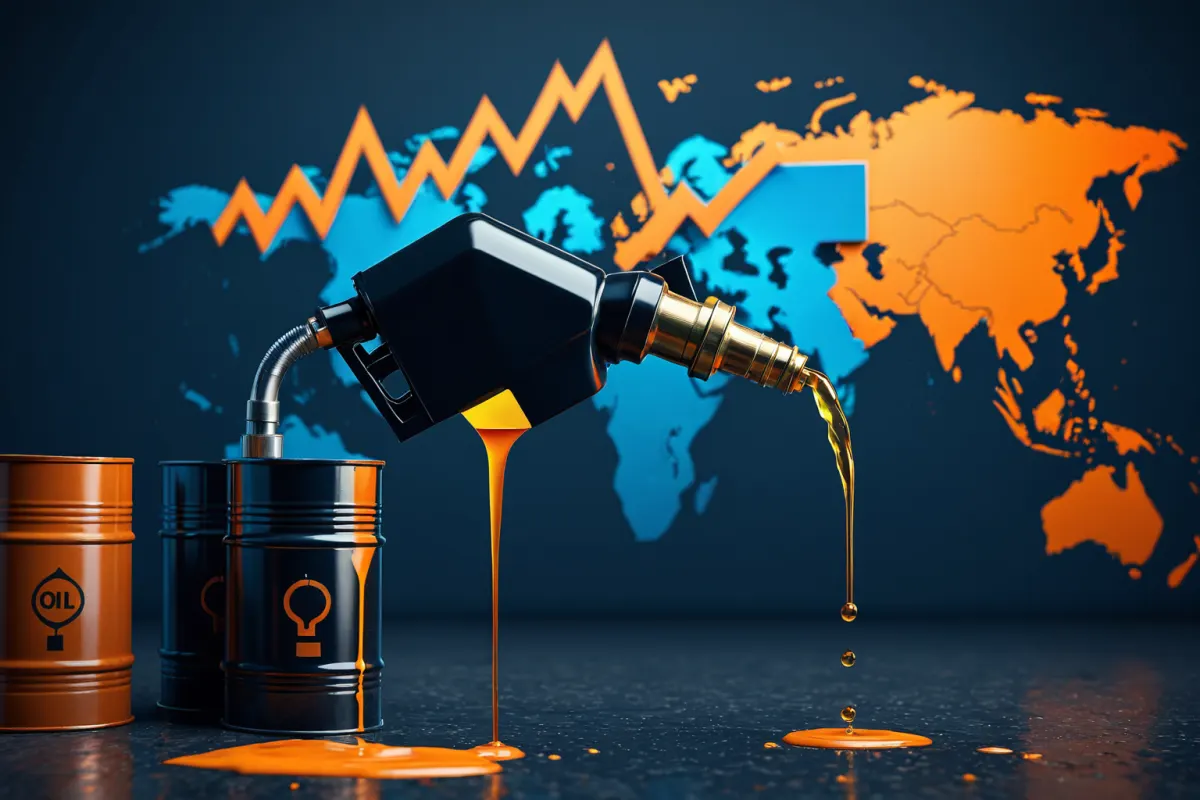
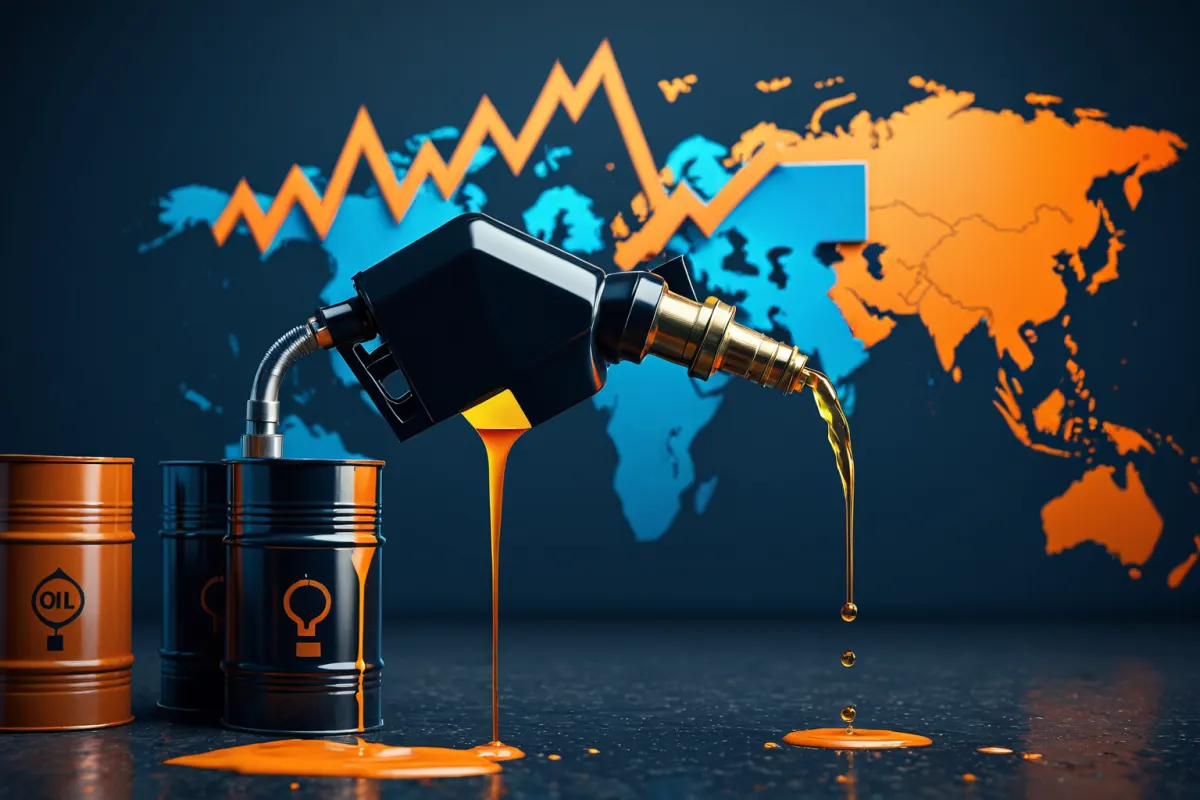
The 12-week decline in fuel prices isn't due to just one factor. It's the result of a combination of weaker global oil prices, increased competition among gas stations, and a slight easing of currency exchange rate pressures, leading to gradually falling perceived prices.
However, it's difficult to definitively say that prices will continue to drop. Oil prices are influenced by international market trends, exchange rates, refinery supply costs, and tax rates all moving together, so making judgments based on just one news headline can lead to significant errors.
The Direct Cause of 12 Weeks of Falling Fuel Prices
First, there's the global oil price. Domestic gasoline and diesel prices are most directly affected by crude oil prices. Recently, concerns about economic slowdown and weak demand forecasts have prevented crude oil futures from gaining strength.
In addition, refinery supply prices decreased for a period, and gas stations, conscious of surrounding prices, opted to gradually lower rates rather than quickly increase them. For consumers, it's more familiar to see prices slowly decrease over several days rather than drop suddenly in one day.
You can view similar articles on this topic all at once.
View Related ArticlesThe Impact of Global Oil Prices and Exchange Rates
Even if global oil prices fall, a significant rise in exchange rates can mean domestic fuel prices don't drop as much. Since crude oil is traded in dollars, a stronger won (lower USD/KRW rate) reduces the cost of importing oil.
For example, even if global oil prices stabilize, a rising exchange rate leaves refineries with higher input costs. Conversely, stable exchange rates give gas stations more room to lower prices. That's why it's much more accurate to look at both oil prices and exchange rates when monitoring fuel costs.
Why Gas Station Prices Adjust Slowly
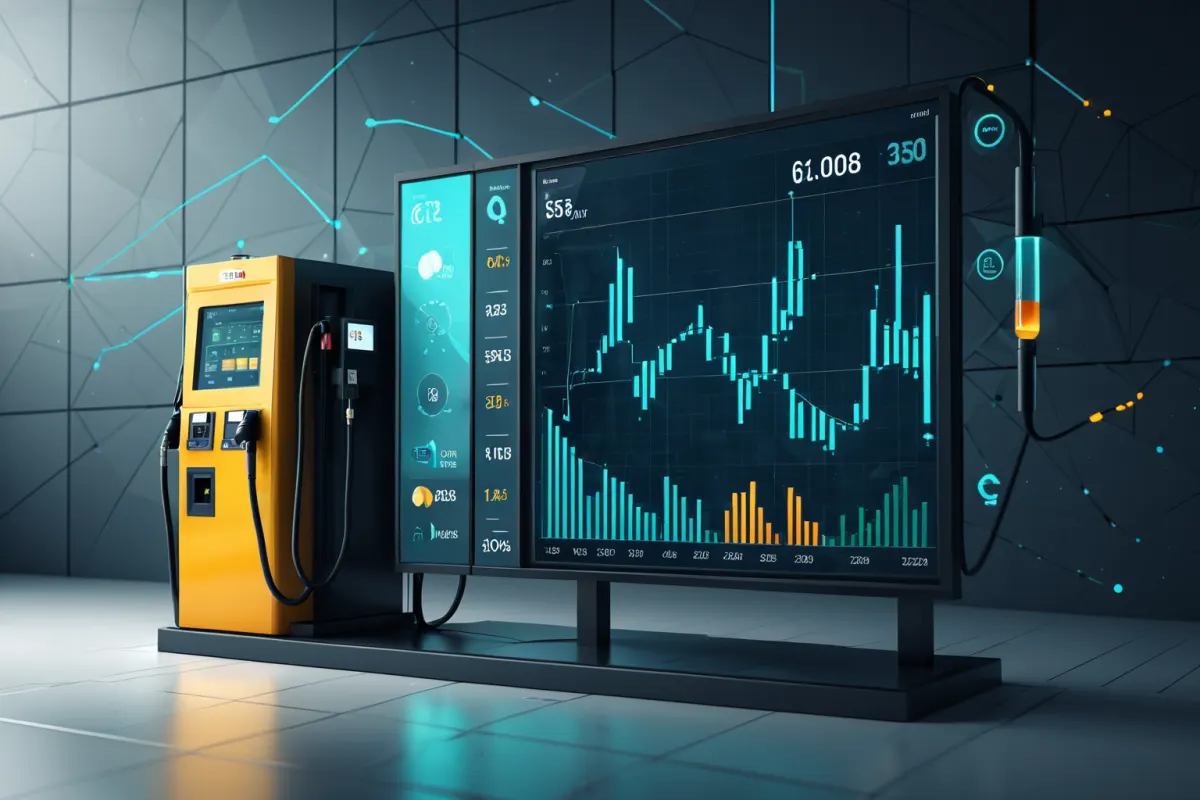
Many people wonder, 'If oil prices are falling, why aren't gas station prices dropping quickly?' The reason lies in inventory and competition. Gas stations can't immediately replace the fuel they've already purchased, so they often sell existing stock at previous purchase prices first.
Additionally, competition varies by region. In city centers with many gas stations, price adjustments happen faster, while in areas with less competition, prices may drop more slowly. Even during the same period, differences of nearly 30 won per liter between locations are common.
When the 12-Week Decline Becomes Noticeable
Even small drops in price can be significant for those who drive frequently. For a car that holds 50 liters, even a 20 won decrease per liter means a 1,000 won difference per fill-up. With four fill-ups a month, the cumulative savings quickly add up.
Drivers often express relief at seeing prices gradually decline over time rather than drop sharply all at once. In tight financial times, these small decreases can make a meaningful difference to household budgets.
Why Diesel Prices Are More Sensitive Than Gasoline
Diesel is more sensitive to economic trends because it's widely used in logistics and transportation. When freight demand decreases, diesel prices also fall; conversely, when logistics activity increases, prices can rise quickly.
Gasoline is more tied to passenger vehicle demand, while diesel is more affected by industrial and transport sectors. Therefore, even if both fuels move in the same direction, their rates of decline or increase may differ.
Smart Fueling Habits When Prices Are Falling
During periods when fuel prices are falling, it's better to compare prices at nearby stations rather than just filling up at the closest one. Especially before entering highways, on outskirts of cities, and near large shopping centers, price differences are common.
For example, if a station along your commute is 40 won cheaper per liter compared to one near home, you could save 1,600 won for a 40-liter fill-up. While the difference seems small, it adds up significantly over a month.
Why Fuel Price Declines Don't Last Indefinitely
Fuel prices don't necessarily continue in one direction once they start falling. They can change direction within days due to factors like Middle East tensions, oil-producing country output cuts, U.S. oil inventories, and seasonal demand.
Especially during peak travel seasons, holidays, or periods of international tension, the downward trend may pause or reverse. So even though prices have fallen for 12 weeks, future direction should be assessed separately.
Common Mistakes When Monitoring Fuel Price Declines
Many people focus only on average prices, but regional variations are often more important. Even at the same time, prices can differ significantly between major cities and rural areas, city centers and outskirts, or branded stations versus independent ones.
Additionally, when considering credit card discounts or membership rewards, the actual cost per liter may be lower than displayed. Sometimes a station with slightly higher listed prices might actually be cheaper after applying payment method benefits, so it's best to consider both pricing and payment conditions.
FAQ
Q1. Will fuel prices continue to fall for the foreseeable future?
No, this isn't guaranteed. If global oil prices or exchange rates shift again, the downward trend could pause or reverse.
Q2. Why do gas station prices adjust slowly even when oil prices are falling?
It takes time to sell existing inventory at previous purchase prices, and adjustment speed varies by region based on competition levels.
Q3. Which fuel type changes more quickly: gasoline or diesel?
Both are affected, but diesel is more sensitive to economic trends due to its strong link with logistics and industrial demand, making it more volatile.
Current global oil prices and exchange rate trends can change rapidly by the moment, so checking recent price trends before refueling is recommended.
Continue exploring similar topics.
View Category ArticlesFAQ
Will fuel prices continue to fall for the foreseeable future?
No, this isn't guaranteed. If global oil prices or exchange rates shift again, the downward trend could pause or reverse.
Why do gas station prices adjust slowly even when oil prices are falling?
It takes time to sell existing inventory at previous purchase prices, and adjustment speed varies by region based on competition levels.
Which fuel type changes more quickly: gasoline or diesel?
Both are affected, but diesel is more sensitive to economic trends due to its strong link with logistics and industrial demand, making it more volatile.
Korean Source
This article is an English localization of a Korean-language report from BlogScore. Original: 기름값 12주 하락, 왜 계속 내려가나