
Why Gangnam and Seocho Home Prices Are Falling: A Regional Comparison
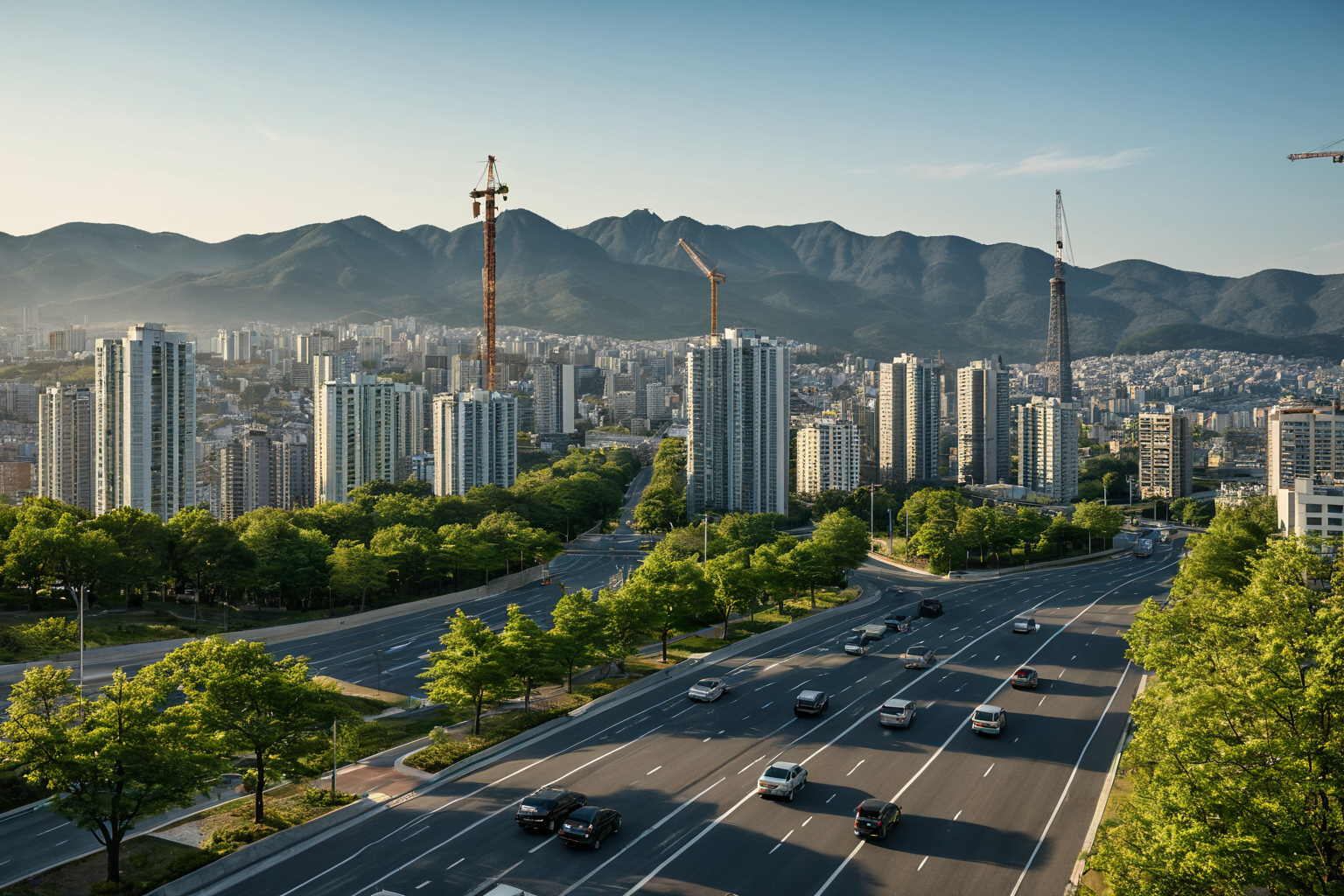
The Core Reasons Behind Gangnam and Seocho Price Declines
The drop in property prices in Gangnam and Seocho represents the first step in breaking the 'Gangnam Unbeatable' myth, primarily due to tax policy changes and shifts in demand. By March 2026, the new high-price trend in Gangnam's three districts (Gangnam, Seocho, Songpa) halted, with an increase in available properties. Particularly between August and September, property listings rose by 20%, leading to a price drop of up to 5 billion won. This reflects declining consumer confidence following tax policy reforms, especially as high-end housing demand shifted toward观望 (wait-and-see) attitudes.
The decline in Gangnam three districts' prices isn't merely due to increased supply but also stems from buyers adjusting their strategies after the government's tax reform policies took effect early 2026. Rising tax burdens starting late 2025 prompted owners of high-end properties in Gangnam to consider selling, contributing to a halt in the new high-price trend by March 2026.
Changes in living environments within Gangnam also played a role. Large-scale redevelopment projects have been underway for several years, improving living conditions in some areas but inadvertently shifting high-end housing demand outward. Particularly from August 2026, as redevelopment accelerated in Gangnam, temporary spikes in available properties emerged.

Widening Gap Between Gangnam/Seocho and Outlying Areas
Yongin Suji saw prices rise 24.8% within a year, widening the gap with Gangnam. This growth reflects Yongin Suji's excellent accessibility to Seoul, improved transportation infrastructure, and increasing demand from high-income residents. Meanwhile, land transaction permits in Gangnam three districts decreased by 1.3%, while No-dogang (Noryangjin, Dobong, Gangdong) areas saw a 49% increase. This indicates that demand previously heading toward Gangnam is now shifting outward.
The rise in Yongin Suji isn't just about suburban growth—it reflects changing preferences among high-income residents seeking better access to Seoul's center. Since early 2026, major transportation infrastructure improvements have significantly reduced commute times from Yongin Suji to Gangnam, prompting some high-income residents to move there and boost housing demand.
The sharp increase in land transaction permits in No-dogang areas signals accelerating migration away from central Seoul. Particularly, white-collar workers seeking to reduce living costs are moving to less congested neighborhoods. New apartment sales in No-dogang began ramping up from May 2026, further accelerating this outward shift.
Market Shift: Rising Transactions Under 900 Million Won
Transactions for apartments under 900 million won are increasing while Gangnam three districts see a decline. Since August 2026, Gangnam and Seocho apartment prices have fallen for two consecutive weeks. Although property listings in Gangnam rose by 5% after tax reforms, buyers remain cautious. This reflects not just lower prices but the market's structural shift toward mid-range housing.
The rise in transactions under 900 million won is part of a broader structural change in Seoul's housing market, driven by government policies to increase supply for mid-range homes since early 2026. Particularly, apartments priced below 900 million won are meeting the housing needs of young couples and single professionals, leading to increased transaction volumes.
The decline in Gangnam three districts' transactions isn't just due to lower prices but also reflects growing uncertainty about living conditions as high-income residents move outward. Starting August 2026, large-scale redevelopment projects began in Gangnam, prompting some residents to sell due to concerns over instability from the redevelopments.
Stall of Gangnam's New High-Price Trend
In March 2026, the new high-price trend in Gangnam three districts stopped, with an increase in discounted sales ahead of tax deadlines. By August and September, property listings rose by 20% and prices dropped by 5 billion won. During May 2026, while Gangnam saw multi-billion won declines, the northern areas continued setting new highs, breaking what was once seen as a fixed pattern for Seoul's housing market.
The halt in Gangnam's new high-price trend isn't just a market fluctuation but reflects structural changes tied to government tax reforms. Starting late 2025, rising tax burdens increased sellers' willingness among high-end property owners in Gangnam, leading to the March 2026 stop in the new high-price trend. Particularly, tax reform policies implemented from April 2026 raised comprehensive property tax rates for high-value homes, increasing financial pressure on owners and causing a surge in properties for sale.
The continued new highs in northern areas reflect Seoul's structural market shift. While Gangnam recorded multi-billion won declines in May 2026, the north saw sustained new highs, showing a 'de-synchronization' in Seoul's housing prices. This reflects reduced demand in Gangnam and accelerated migration to outlying areas.
Tax Policies and Demand Shifts
After tax reforms, property listings in Gangnam increased by 5%, while buyers adopted a wait-and-see approach. This directly connects to rising tax burdens causing more discounted sales. Particularly, demand for properties under 1.5 billion won has grown, accelerating the shift toward mid-range areas.
Tax reform policies increased financial pressure on high-value property owners, leading to more properties hitting the market in Gangnam. The April 2026 tax reforms raised comprehensive property tax rates for high-end homes in Gangnam, increasing owners' tax burden and prompting some to sell, which contributed to rising listings and price declines.
The shift toward mid-range areas isn't just about price differences but also reflects improved accessibility to Seoul's center and changing preferences among high-income residents. Since early 2026, transportation infrastructure improvements in mid-range areas have increased demand from high-income residents, driving up prices there.
Continued New Highs in Northern Areas
Meanwhile, northern areas continued setting new price highs. In May 2026, while Gangnam saw multi-billion won declines, the north recorded new highs, showing Seoul's 'de-synchronization' trend. No-dogang areas showed a clear shift toward outward demand with land transaction permits increasing by 49%.
The continued new highs in northern areas reflect structural changes in Seoul's market. Reduced demand in Gangnam and improved living environments along with enhanced transportation infrastructure have increased high-income migration to the north. Particularly, large-scale redevelopment projects began in northern areas from May 2026, improving living conditions there.
The increase in land transaction permits in No-dogang accelerated outward migration. Starting May 2026, new apartment sales became active in No-dogang, acting as a key factor driving the move to outlying areas.
Strength of Mid-Range Areas
Mid-range area prices are rising. With increased transactions under 900 million won and declining activity in Gangnam three districts, mid-range areas have taken on new market leadership. Some premium developments like Gyeongheunggung Jai now see monthly rents exceeding 50 million won, highlighting the changing dynamics of high-end housing demand.
The strength of mid-range areas reflects Seoul's structural housing market shift. Positioned between Gangnam and northern districts, these areas have become preferred due to their balance of accessibility and cost-effectiveness. Since early 2026, transportation infrastructure improvements combined with rising demand from high-income residents have driven price increases here.
The rise in monthly rents at premium developments like Gyeongheunggung Jai reflects changing high-end housing preferences among Seoul's affluent population. From August 2026, more cases emerged of monthly rents exceeding 50 million won at such premium complexes, reflecting shifts in where high-income residents prefer to live.
Weakening Price Leadership Role of Gangnam
Gangnam is losing its price leadership role as Seoul's housing market shows de-synchronization. This indicates that the traditional role of Gangnam three districts in setting market direction has weakened due to demand shifts following tax policy changes.
The weakening of Gangnam's price leadership isn't just a market fluctuation but reflects structural changes in Seoul's housing market. Since early 2026, reduced demand in Gangnam combined with accelerated migration outward has led to the loss of Gangnam three districts' role in setting price direction.
The de-synchronization trend in Seoul's housing market results from tax reform policies and shifting consumer preferences. The April 2026 tax reforms increased financial pressure on high-value property owners in Gangnam, leading to demand shifts that have reshaped the structure of Seoul's housing market.
Structural Changes in Seoul's Housing Market
Increased transactions under 900 million won and declining activity in Gangnam three districts show Seoul's housing market is moving beyond its traditional structure. Since August 2026, Gangnam and Seocho apartment prices have fallen for two consecutive weeks, reflecting a combination of increased discounted sales and cautious buyer behavior following tax reforms.
The structural changes in Seoul's housing market aren't just about price fluctuations but result from combined government policies and changing consumer preferences. Since early 2026, the government has strengthened policies to increase supply for mid-range homes, leading to higher demand in mid-range areas. At the same time, tax reforms have accelerated outward migration among high-income residents, reshaping Seoul's housing market structure.
The de-synchronization trend is expected to continue. Starting September 2026, new apartment sales in outlying areas have become more active, further accelerating the shift toward these areas.
Regional Price Growth Rate Comparison
Yongin Suji saw prices rise by 24.8% over a year, demonstrating strong performance among outlying areas. Meanwhile, Gangnam three districts showed a 1.3% decrease in land transaction permits. This indicates reduced demand in Gangnam and outward migration.
The growth rate in Yongin Suji stems from improved accessibility to Seoul's center combined with changing high-income resident preferences. Since early 2026, major transportation infrastructure improvements have significantly shortened commute times from Yongin Suji to Gangnam, prompting some high-income residents to move there and increase housing demand.
The decline in land transaction permits in Gangnam three districts reflects reduced demand and outward migration. Starting August 2026, large-scale redevelopment projects began in Gangnam, with some residents selling due to instability concerns from the redevelopments, leading to lower transaction permits.
The price drop in Gangnam and Seocho isn't just a market fluctuation but reflects structural changes tied to tax policy shifts and demand movements. The upward trend in areas like Yongin Suji and strength of mid-range areas indicate Seoul's housing market is forming new patterns.
Key Information to Verify
The decline in Gangnam three districts' prices resulted from combined tax policy changes and shifting demand, causing reduced demand heading toward Gangnam and increased movement outward. Yongin Suji's 24.8% growth rate and No-dogang's 49% increase in land transaction permits are direct indicators of Seoul's housing market structural shifts.
Frequently Asked Questions
Is the decline in Gangnam three districts' prices a short-term trend?
This is not a short-term phenomenon but rather a structural change resulting from combined tax policy reforms and demand shifts, making it unlikely to be temporary.
Will northern area housing price increases continue?
New high prices in northern areas are continuing, with outward migration trends likely to sustain this increase over the long term.
What impact will rising transactions under 900 million won have?
The growth in low-cost housing demand is strengthening mid-range areas' market leadership and reshaping Seoul's housing market structure.
You can view similar articles on this topic all at once.
View Related ArticlesFAQ
Is the decline in Gangnam three districts' prices a short-term trend?
This is not a short-term phenomenon but rather a structural change resulting from combined tax policy reforms and demand shifts, making it unlikely to be temporary.
Will northern area housing price increases continue?
New high prices in northern areas are continuing, with outward migration trends likely to sustain this increase over the long term.
What impact will rising transactions under 900 million won have?
The growth in low-cost housing demand is strengthening mid-range areas' market leadership and reshaping Seoul's housing market structure.
Korean Source
This article is an English localization of a Korean-language report from BlogScore. Original: 강남·서초 집값 하락의 원인과 지역별 비교 분석