
Why European Nights Stay Warm: The Science Behind Heatwaves at Night
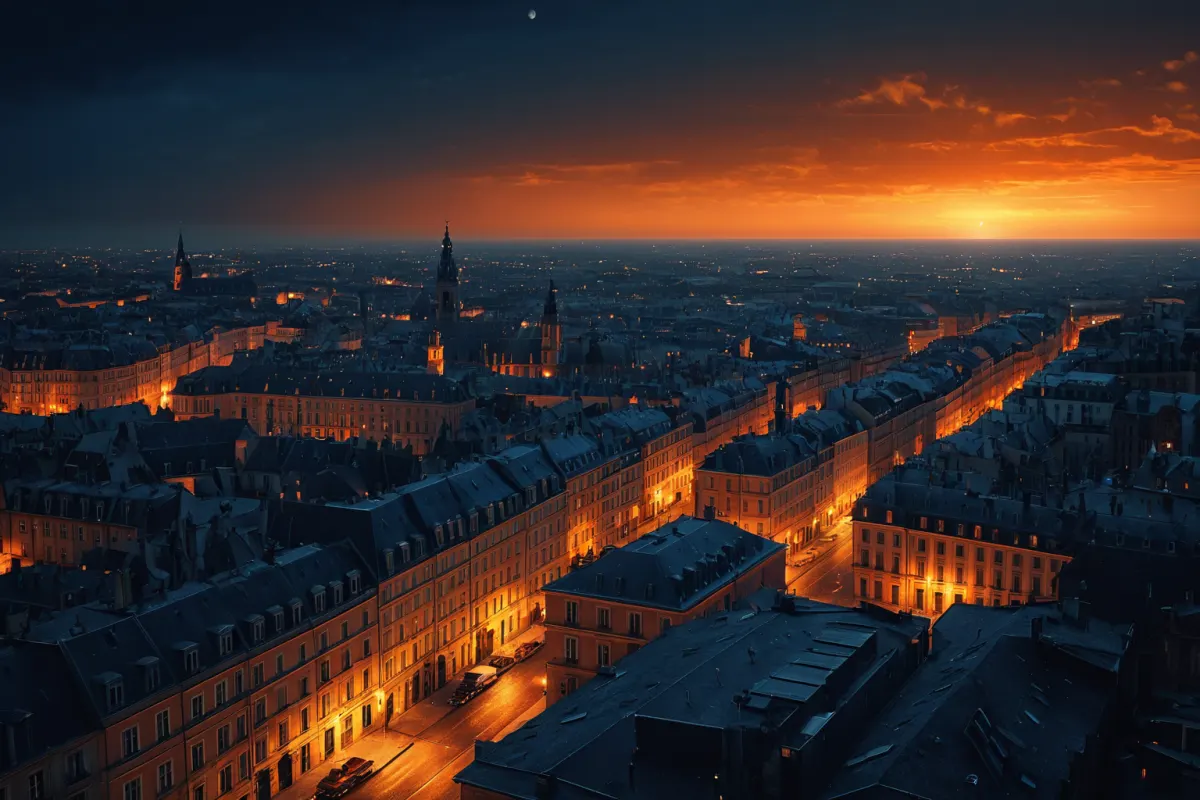
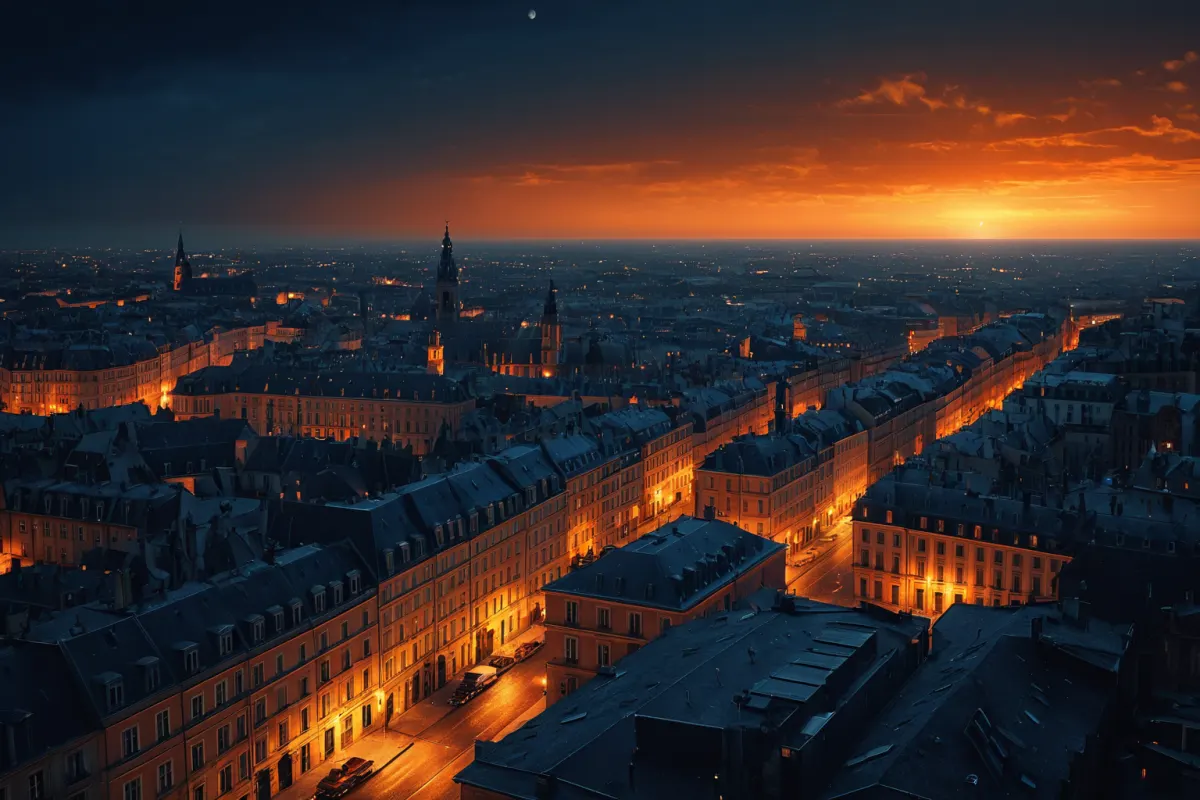
The reason European nighttime temperatures don't drop easily isn't simply because it's hot. Heat accumulated during the day remains trapped in cities and the atmosphere, and when high pressure or wind patterns shift, nights stay warm, leading to prolonged heatwaves. This phenomenon is particularly pronounced in rapidly urbanizing areas of Europe, where coastal and inland differences play a significant role.
Many assume temperatures drop at night, but in reality, heat absorbed during the day lingers in buildings, roads, and air layers before slowly releasing overnight. This often makes nighttime high temperatures more exhausting than daytime heatwaves, with sleep disruption being a key issue due to these 'warm nights'.
The Science Behind Rising Nighttime Temperatures in Europe
The primary reason European nighttime temperatures rise is weakened atmospheric flow, preventing heat from escaping. With little wind, the heat absorbed by surfaces during the day can't dissipate quickly through convection and remains trapped in the air layers overnight.
High pressure systems that linger also contribute, as they bring fewer clouds, causing stronger daytime heating but reducing nighttime radiative cooling. Clear skies don't always mean cooler nights—they can actually trap heat instead.
In urban areas, the urban heat island effect plays a major role. Asphalt, concrete, and building exteriors absorb heat during the day and slowly release it at night, keeping surrounding temperatures higher. This is why city centers often feel hotter than suburban areas in the same region.
Find similar articles on this topic all in one place.
View Related ArticlesWhy Heatwaves Persist Through the Night
Nighttime heatwaves occur when minimum nighttime temperatures stay high, and in Europe, humidity and wind conditions can prolong this effect. High moisture levels in the air make it harder for heat to escape, increasing perceived temperature beyond actual readings.
Another key factor is topography. Areas like basins or valleys where air circulation is poor tend to trap heat near the ground, keeping nights warm. This explains why regional differences are so pronounced based on proximity to mountains or coastlines.
For example, a Mediterranean coastal city might feel hotter at night due to humid air and heat retention effects, while some northern European regions may cool more quickly thanks to sea breezes. Thus, it's inaccurate to assume all of Europe experiences the same nighttime heat conditions.
How Urban Heat Islands Intensify Perceived Heat at Night
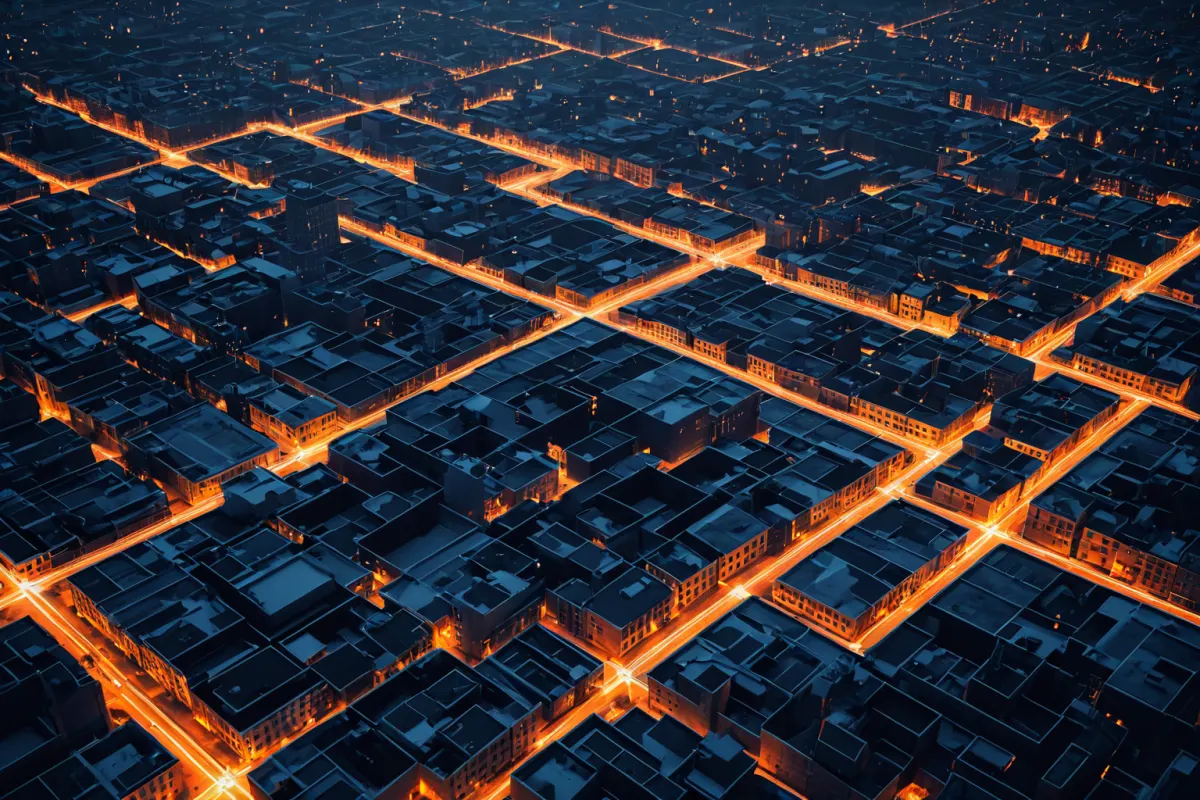
The urban heat island effect is essential for understanding nighttime heatwaves. City centers with less green space and more artificial surfaces accumulate heat rapidly during the day, which then slowly releases overnight, creating uncomfortable sleeping conditions.
Narrow streets between tall buildings often restrict airflow, slowing heat dissipation. Air conditioning units, vehicle traffic, and other human-made heat sources also slightly raise nighttime temperatures in urban areas. Small factors combine to make nights feel significantly hotter.
Travelers often notice the difference between park-rich districts and city centers at night—walking through a green area can immediately reveal cooler air, showing how urban layout directly impacts nighttime temperatures.
The Role of High Pressure and Wind Patterns
Rising nighttime temperatures in Europe connect to upper atmospheric conditions. When the atmosphere stabilizes, air doesn't mix well vertically, preventing daytime heat from rising and dispersing. This keeps heat trapped near the ground overnight.
Conversely, strong winds or cool air influx allow heat to dissipate quickly at night. So even within the same summer season, some regions experience prolonged heatwaves while others see cooler nights—this depends more on atmospheric pressure patterns than seasonal trends alone.
Europe's diverse climates—from continental and maritime to Mediterranean—affect how nighttime temperatures behave regionally. Some areas show pronounced nighttime warming, while in others, nighttime temperature fluctuations are a bigger factor than daytime changes.
Practical Tips for Managing Nighttime Heat
Instead of just cooling rooms, managing heat retention is key during prolonged heatwaves. Blocking direct sunlight with curtains or blinds during the day and opening windows when outdoor air cools at night helps reduce indoor heat buildup.
For instance, leaving windows open all day can let hot air inside, making rooms hotter. Opening them at optimal times—when nighttime temperatures drop—allows accumulated heat to escape. Fans help by circulating air and lowering perceived temperature.
Bedding choice matters too: breathable fabrics work better than thick blankets, and a lukewarm shower before bed temporarily lowers body temperature for better sleep. Small habits make a significant difference during nights when heat lingers.
Travelers and Residents Should Keep in Mind
It's normal for European summer nights to feel hotter than expected. Hotels or older buildings often have poor insulation, trapping daytime heat inside and intensifying perceived heat. Checking window structures and cooling systems before arrival is advisable.
Nighttime travel can make hydration easier to overlook. It's important to stay hydrated not just during the day but also at night, as body fatigue can occur without obvious signs of overheating. Longer trips require special attention to nighttime recovery.
With rising temperatures and more frequent heatwaves, European nighttime warming will likely be discussed more often in future summers. Given regional variations in recent temperature patterns, travelers should double-check the latest weather forecasts and alerts before departure.
FAQ
Q. Is a European heatwave at night similar to Korea's?
A. The basic concept is similar, but Europe's varied climate zones mean regional causes differ slightly. Urban heat islands, wind patterns, and coastal effects often combine in different ways.
Q. Why does high nighttime temperature feel more exhausting?
A. The human body cools down at night to recover from daytime heat exposure, but high nighttime temperatures disrupt this process. This leads to greater fatigue and sleep disruption.
Q. What should travelers do first about nighttime heat?
A. Minimize indoor heat gain during the day and time ventilation properly for cooler nights. Choosing well-ventilated accommodations also helps significantly.
Continue exploring similar topics.
View Category ArticlesFAQ
Is a European heatwave at night similar to Korea's?
The basic concept is similar, but Europe's varied climate zones mean regional causes differ slightly. Urban heat islands, wind patterns, and coastal effects often combine in different ways.
Why does high nighttime temperature feel more exhausting?
The human body cools down at night to recover from daytime heat exposure, but high nighttime temperatures disrupt this process. This leads to greater fatigue and sleep disruption.
What should travelers do first about nighttime heat?
Minimize indoor heat gain during the day and time ventilation properly for cooler nights. Choosing well-ventilated accommodations also helps significantly.
Korean Source
This article is an English localization of a Korean-language report from BlogScore. Original: 열대야가 밤에도 계속되는 이유: 유럽 한밤 기온 상승 원리