
Why Is the EU Relaxing Steel Import Regulations? A Comprehensive Guide to European Industrial Policy Shifts
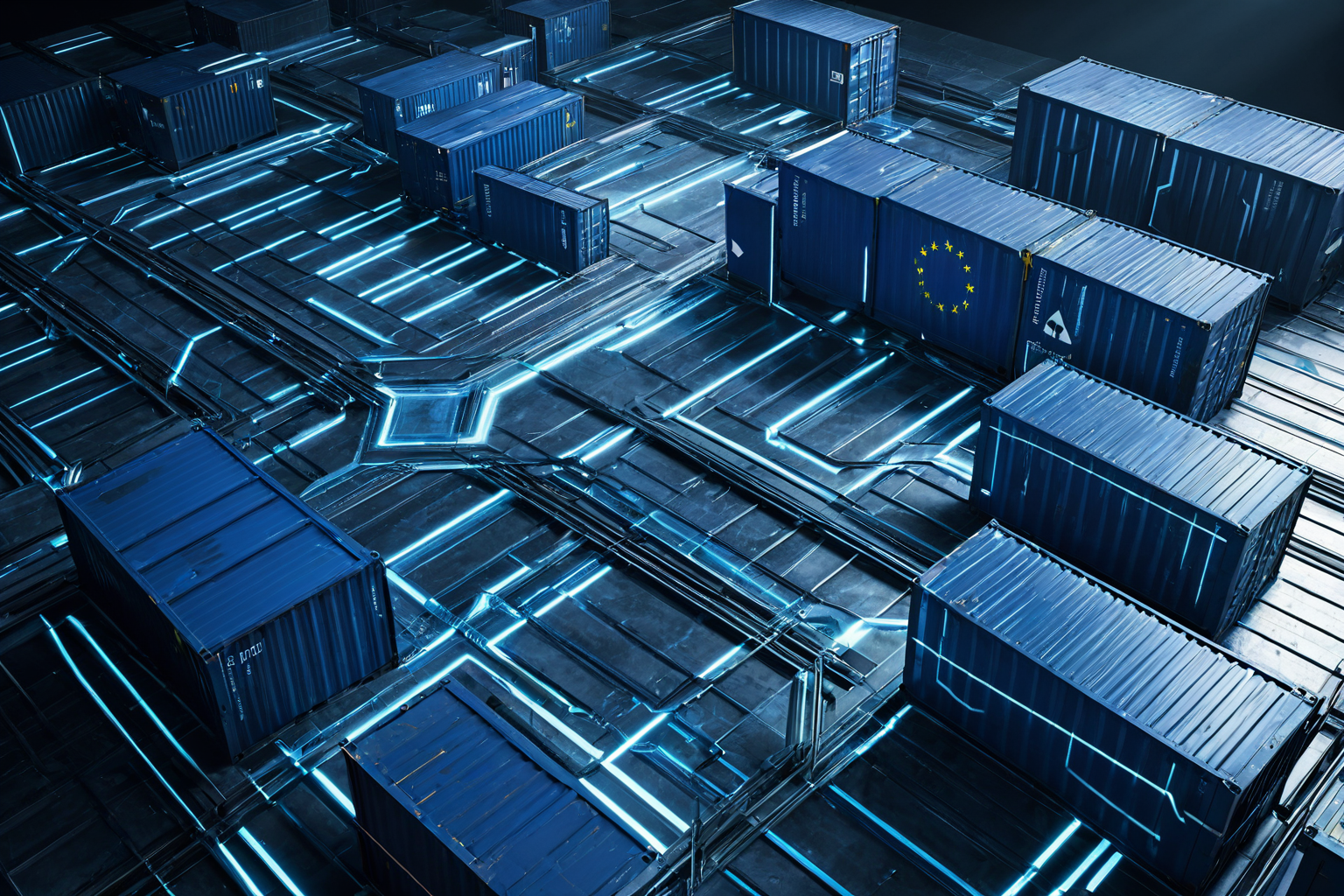
Why does the topic of EU steel import regulation relaxation keep appearing in news headlines? Steel is a foundational material for industries such as automotive, construction, shipbuilding, and machinery, so policy changes in Europe directly impact global supply chains. Recently, factors like inflation, energy costs, economic slowdowns, carbon regulations, and international trade tensions have intertwined, making the EU's steel policies more complex.
This article simplifies the background and key concepts behind EU steel import regulation relaxation for beginners. However, specific details such as trade rules, quotas, tariffs, and anti-dumping measures may vary over time, so it's advisable to check the latest figures from the European Commission or official announcements.
Understanding Why EU Steel Import Regulation Relaxation Is Frequently Discussed
The term 'relaxation of steel import regulations' doesn't mean removing all restrictions. Instead, it typically refers to easing import volume limits, slightly increasing access for certain products, or adjusting exceptions. The European Union views steel as a strategic industry and aims to balance protecting domestic industries while ensuring stable imports when needed.
This policy shift stems from supply chain instability. When events like war, rising shipping costs, or sharp energy price increases cause steel prices to fluctuate, the overall cost for European manufacturing rises. As a result, at certain times, import regulations are tightened, and at other times, policies are reviewed with an eye toward boosting industrial competitiveness.
You can find similar articles on this topic in one place.
View Related ArticlesEuropean Industrial Policy Balances Protection and Competitiveness
The European Union considers steel a strategic industry because it's tied to local jobs, manufacturing bases, and security. If imports surge too much, harming domestic companies, the EU may consider strict regulations. Conversely, over-restricting could raise production costs for downstream industries like automotive or machinery manufacturers, reducing their competitiveness.
Thus, EU steel policy always considers two directions: protecting European steel producers and easing burdens on end-consumer industries. Recent discussions about regulation relaxation fit into this context. It's not about opening the market fully but securing necessary supply while minimizing market shocks.
Quotas, Tariffs, and Exceptions Work Together in Practice
A common point of confusion for beginners is that steel import regulations aren't a single measure. They typically involve multiple tools like quotas, additional tariffs, anti-dumping duties, and country-specific exceptions. For example, an annual import limit might be set for certain products, with higher tariffs applied if the limit is exceeded. Alternatively, low-priced imports from specific countries may face separate restrictions.
To understand real-world applications, it's important to consider 'which products are affected,' 'from which countries they're imported,' and 'how much can be imported.' For instance, if a European manufacturer needs large quantities of specialty steel but domestic supply is insufficient, easing quotas could reduce cost pressures. Domestic steel producers, however, may become sensitive to policy changes due to increased import competition.
For clarity, consider an example: An automotive parts company requiring a fixed amount of sheet metal each month might face higher prices and unstable delivery schedules under existing regulations. Relaxation policies could help stabilize supply. However, this doesn't mean all steel becomes cheaper; conditions vary by product type, country, and time period, so checking specific details before contracts is essential.
Avoiding Common Misunderstandings as a Beginner
The most common mistake is interpreting 'regulation relaxation' as complete liberalization. EU policies usually involve partial adjustments rather than full removal of restrictions. So even if news mentions 'relaxation,' it might only mean minor changes to specific product conditions. Failing to recognize this can lead to overestimating or underestimating policy impacts.
Another mistake is relying on outdated articles for current information. Steel trade regulations are frequently reviewed based on international situations and industry conditions. Therefore, businesses and investors should always check official sources. It's safest to review announcements from the European Commission, Eurostat, and national trade authorities alongside news summaries, as relying solely on summarized articles may lead to conclusions that don't match actual terms.
For example, a blog might claim 'the EU has significantly relaxed steel imports,' but in reality, it could mean only temporary adjustments for specific products. Conversely, some exceptions might make it seem like the entire market is open when regulations are actually tightened in other areas. To avoid such confusion, always verify product names, HS codes, implementation dates, and applicable regions.
Understanding Policy Shifts Helps Read Industry Trends More Accurately
The reason behind EU steel import regulation relaxation ultimately reflects an attempt to balance the broader industrial landscape. When supply stability is needed, imports are slightly increased; when domestic industry protection becomes critical, regulations are adjusted accordingly. These changes may appear as short-term news but actually reflect a combination of European manufacturing competitiveness, inflation management, energy policy, and carbon reduction strategies.
Beginners should first understand 'why this policy was introduced,' then consider 'who benefits and who bears the burden.' Steel is an invisible material that impacts car prices, construction costs, and machinery productivity. Therefore, EU steel policies are not just internal European issues but also signals for global supply chain shifts.
In summary, EU steel import regulation relaxation isn't about simple market opening—it's a pragmatic policy adjusting between industry protection and competitiveness. For the latest details, always check official announcements, and use news as background understanding rather than relying on it for final decisions.
3 Essential FAQs to Check First
Q1. Does EU steel import regulation relaxation apply to all steel products?
No. It typically varies by product type, country, and time period. Some products may see easing while others remain unchanged.
Q2. Will steel prices drop immediately after regulations are relaxed?
Not necessarily. Price changes depend on multiple factors including exchange rates, logistics costs, energy prices, and demand conditions.
Q3. Where can I find the most accurate information?
Check official sources like the European Commission and related institutions first. Since details vary by time and product, confirming through official websites is essential.
Continue exploring similar topics.
View Category ArticlesFAQ
Does EU steel import regulation relaxation apply to all steel products?
No. It typically varies by product type, country, and time period. Some products may see easing while others remain unchanged.
Will steel prices drop immediately after regulations are relaxed?
Not necessarily. Price changes depend on multiple factors including exchange rates, logistics costs, energy prices, and demand conditions.
Where can I find the most accurate information?
Check official sources like the European Commission and related institutions first. Since details vary by time and product, confirming through official websites is essential.
Korean Source
This article is an English localization of a Korean-language report from BlogScore. Original: EU 철강 수입규제 완화 이유는 무엇인가, 유럽 산업 정책 변화 총정리