
Why Do Elderly People Gather at Tapgol Park? The Cultural and Social Appeal of Seoul's Urban Oasis
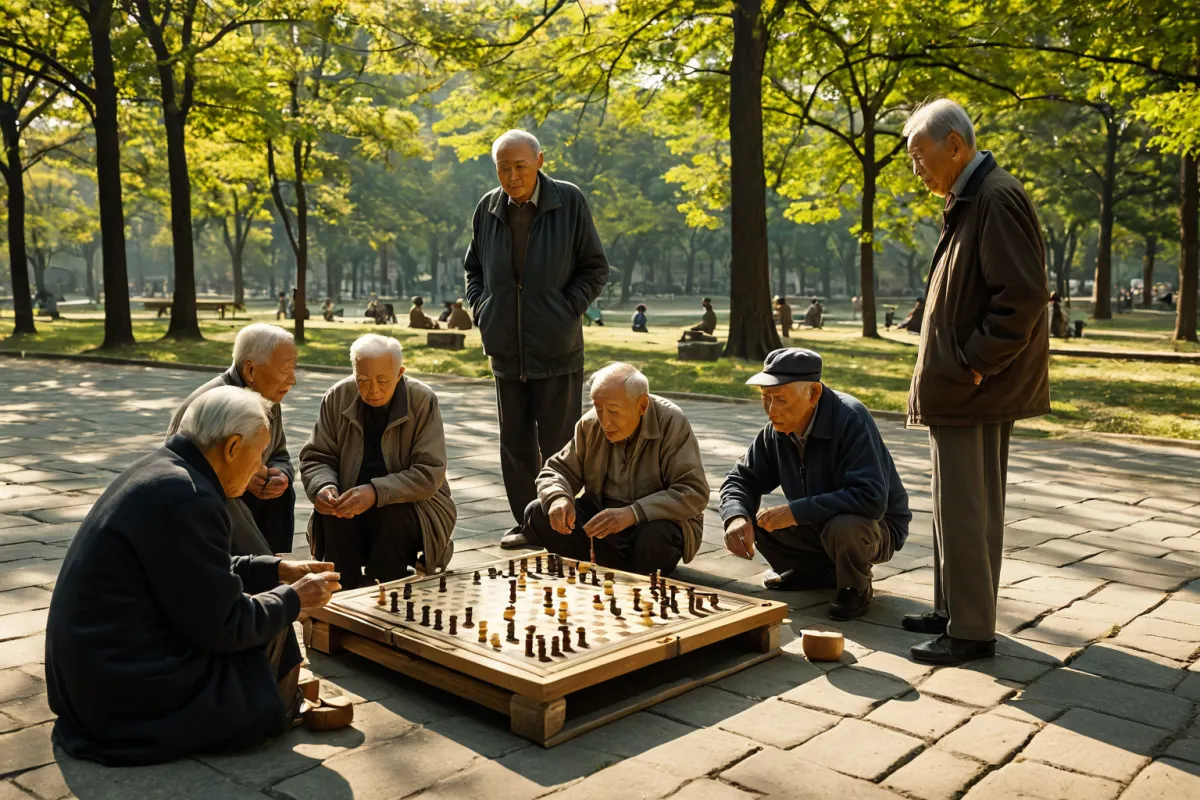
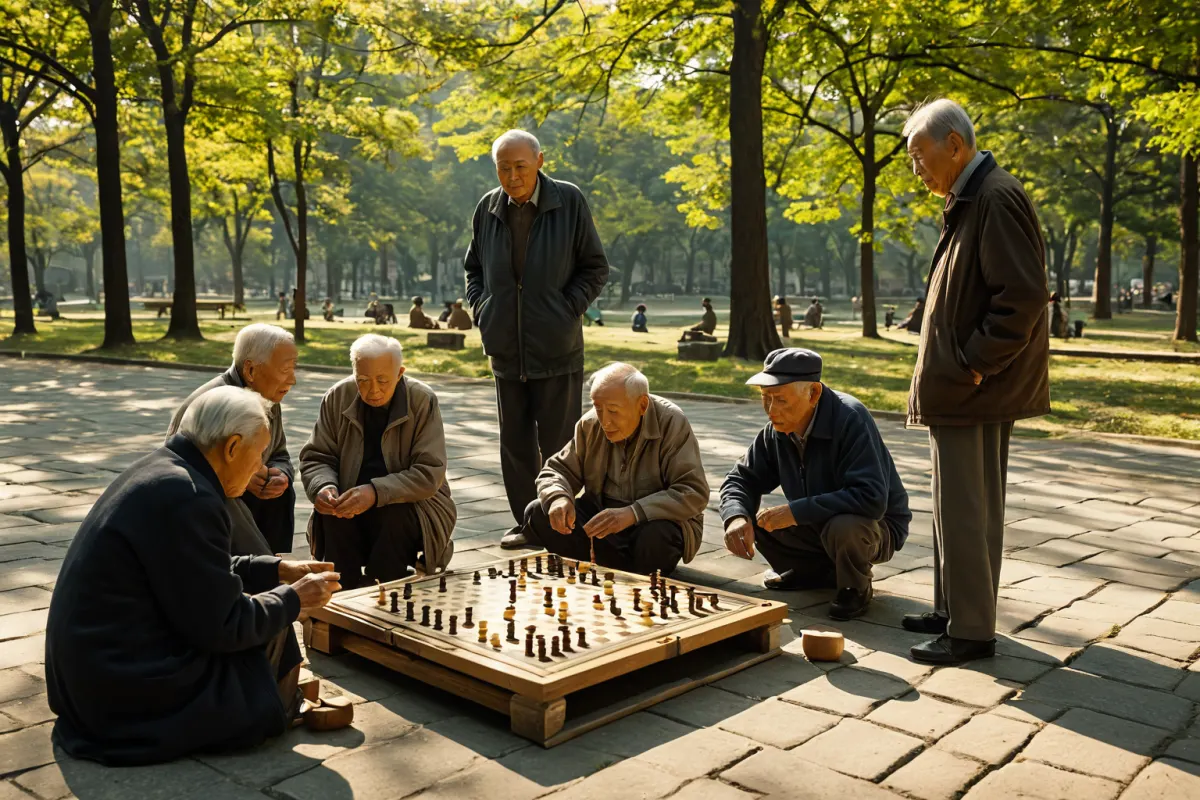
The reason elderly people gather at Tapgol Park isn't simply to 'pass the time.' It's because it offers a free, accessible meeting place in the heart of the city, where familiar games like go and xiangqi (Chinese chess) are played, and long-standing social bonds naturally develop. That's why Tapgol Park remains one of Seoul's most popular urban gathering spots today.
However, the stories surrounding this park are layered. The scenes of people playing go on mats, chatting while sitting together, park management policies, and relationships with nearby businesses all intertwine. To first-time visitors, it might seem puzzling: 'Why here?' The answer lies in accessibility, habit, community spirit, and a long history.
Why Elderly People Gather at Tapgol Park
Tapgol Park is easily accessible by subway and bus, and its seating arrangements make it comfortable to stay for extended periods. Most importantly, visitors can linger without spending money—a key factor in its appeal.
For those who feel time drags when staying home alone, having a place to meet people becomes essential. Tapgol Park has served this role for years, creating regulars among the elderly community.
In reality, relationships form as people repeatedly encounter similar individuals at the same time. Starting out alone, visitors soon exchange greetings and eventually make it a habit to meet there.
You can find more articles on this topic in one place.
View Related ArticlesThe Cultural Roots of Go and Xiangqi at Tapgol Park
Playing go and xiangqi at Tapgol Park isn't just a hobby—it's a way to connect. Since it requires little conversation, newcomers can quickly join in.
This is why these games are so appealing: they're familiar, require almost no equipment, and can be started immediately with just a board. Even if skill levels differ, there's enjoyment in watching the game unfold.
For example, an elderly person setting up a go board on a bench might prompt someone nearby to ask, 'Would you like to play a game?' That simple phrase becomes part of their daily routine.
Naturally, park usage varies depending on the time and management policies. So it's not accurate to assume that large games are played everywhere as they once were; today, the scene is shaped by current atmosphere and operational guidelines.
Historical Significance and Current Atmosphere
Tapgol Park is well-known for its historical connection to the March 1st Movement (a pivotal moment in Korean history). As a result, it's more than just a neighborhood park—it's seen as a symbol of Seoul's urban landscape.
This history influences the park's atmosphere. On one side, citizens stroll and enjoy nature; on the other, elderly people chat and share stories. The park uniquely blends past and present.
Many visitors seek to understand Tapgol Park's name, which might seem simple but actually reflects a mix of cultural heritage, historical significance, and daily life. This diversity in purpose—strolling, meeting friends, reminiscing, or exploring history—makes it appealing to many different types of visitors.
The Daily Routines That Keep People Coming Back
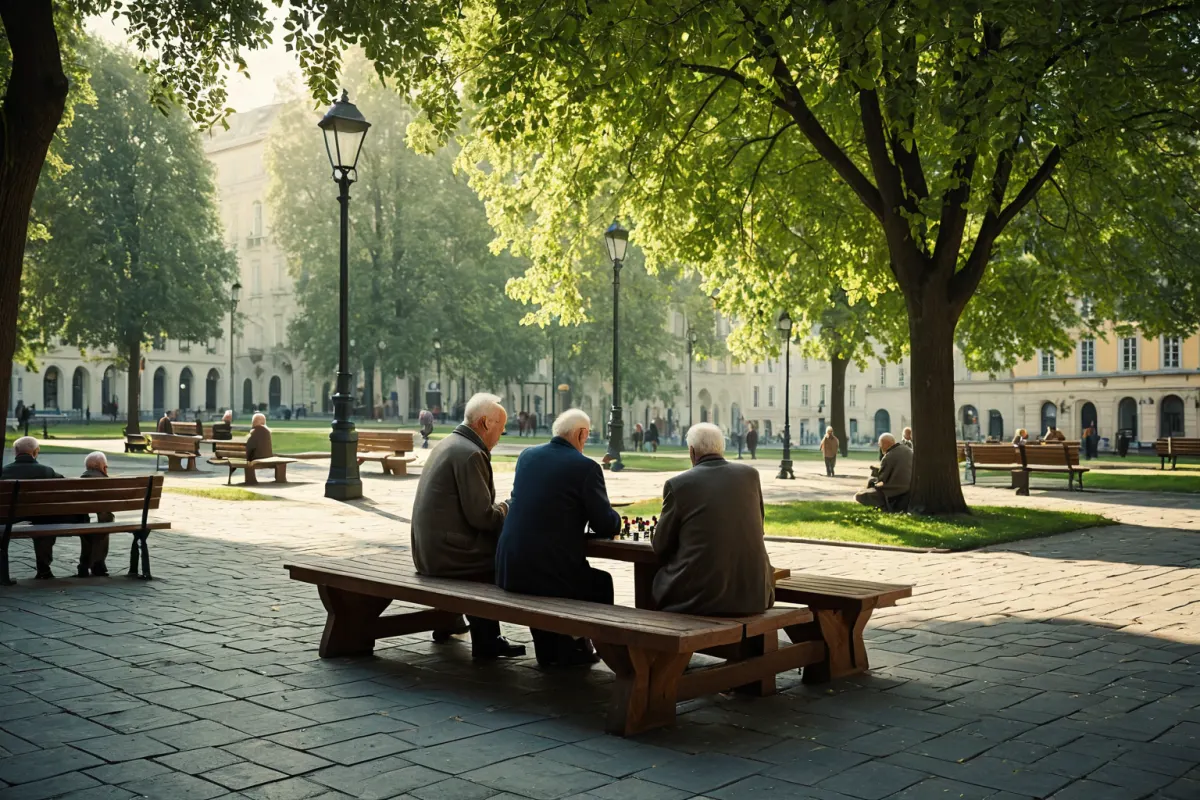
The reason elderly people frequently gather at Tapgol Park is tied to their daily routines. Proximity to homes, hospitals, restaurants, and public transportation means a short outing can fill an entire day's schedule.
For those who spend much time alone at home, having a comfortable outdoor space to stay becomes important. Unlike cafes that require spending money, the park welcomes long stays without pressure, making it feel natural to linger.
For instance, someone might go out in the morning for a quick greeting with friends, have lunch nearby, and return to the park later. When this pattern repeats often, Tapgol Park becomes more than just a place—it becomes part of daily life.
Misconceptions vs. Reality
When discussing elderly people at Tapgol Park, some may picture dramatic or exaggerated scenes. But in reality, the focus is often on leisure, conversation, and relaxation—not everything revolves around one stereotype.
Photos or videos might make it seem like a more intense environment than it actually is. In person, you're more likely to see people greeting each other, discussing the weather, or waiting for a game of go—ordinary moments that form the park's daily rhythm.
Another point to note: park usage isn't always consistent. Management policies, events, and safety concerns can change how people use the space, so relying solely on past memories might not reflect current reality.
Basic Etiquette for Visitors
As a public space open to everyone, Tapgol Park requires basic etiquette, especially around go or xiangqi boards. It's best to check if someone is in the middle of a conversation or taking a break before joining them.
When taking photos, be considerate. To avoid making people uncomfortable, focus on capturing the overall scene rather than individuals. A simple 'May I take your photo?' can prevent misunderstandings and keep things friendly.
For example, if you want to photograph someone playing go up close, ask first: 'Is it okay if I take a picture of this game?' Small gestures like this help maintain the park's welcoming atmosphere.
Why These Topics Are Frequently Searched Together
Search terms like 'Tapgol Park xiangqi ban,' 'Tapgol Park go,' 'Tapgol Park tower,' and 'Tapgol Park March 1st Movement' appear together because this location isn't just about one topic. People are curious about both the daily life scenes and historical background.
Online, specific moments sometimes get exaggerated or simplified in sharing, leading to a narrow view of what Tapgol Park truly is. Understanding its full context helps explain why people gather there.
In short, Tapgol Park is where rest, connection, play, and historical memory intersect. The gatherings of elderly people are just one part of this larger picture, reflecting Seoul's enduring urban lifestyle culture that continues to thrive in the city center.
FAQ
Q1: Why do elderly people at Tapgol Park mainly play go and xiangqi?
A. The games are simple to set up and familiar, making it easy for newcomers to join and start conversations naturally.
Q2: Is there a ban on xiangqi at Tapgol Park?
A. Usage varies depending on the time and management policies. It's best to check current guidelines before visiting.
Q3: Is Tapgol Park just a place for elderly people to rest?
A. While it serves as a resting spot, it's also a historical site and an urban gathering place—more than just a quiet space for relaxation.
Keep in mind that current operations and atmosphere may change over time, so checking recent information before visiting is recommended.
Check out more articles on similar topics.
View Category ArticlesFAQ
Why do elderly people at Tapgol Park mainly play go and xiangqi?
The games are simple to set up and familiar, making it easy for newcomers to join and start conversations naturally.
Is there a ban on xiangqi at Tapgol Park?
Usage varies depending on the time and management policies. It's best to check current guidelines before visiting.
Is Tapgol Park just a place for elderly people to rest?
While it serves as a resting spot, it's also a historical site and an urban gathering place—more than just a quiet space for relaxation.
Korean Source
This article is an English localization of a Korean-language report from BlogScore. Original: 탑골공원 노인들, 바둑 문화와 사람들이 모이는 이유