
Why Did Trump Cut Back on US-South Korea Joint Military Exercises?
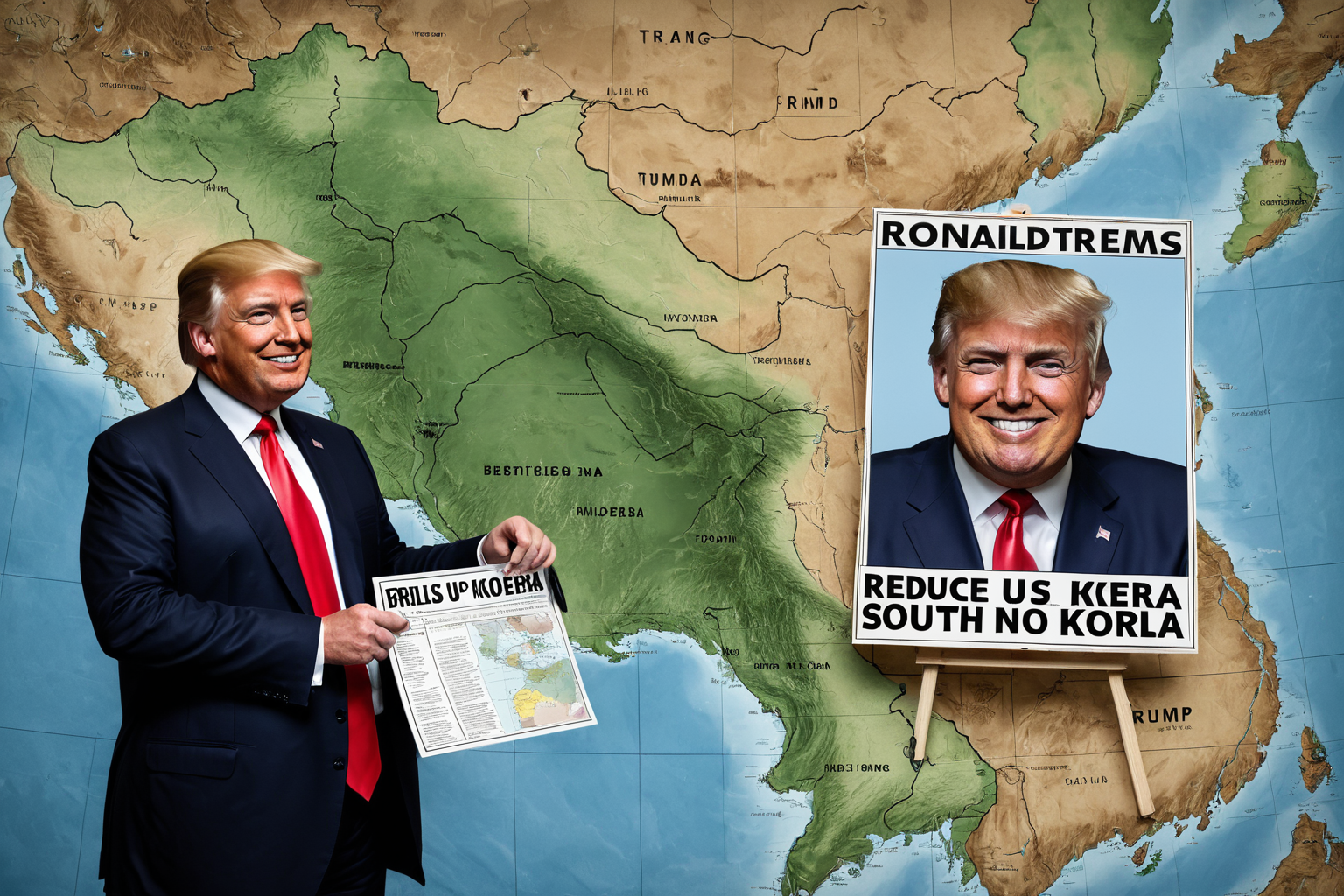
Trump's Decision to Reduce US-South Korea Joint Military Exercises
President Trump reportedly directed a significant reduction in U.S.-South Korea joint military exercises to improve relations with Kim Jong-un. This move was seen as the first concrete action toward North Korea-U.S. dialogue, though it drew concerns from both domestic and international observers about weakened alliance trust and potential harm to nuclear non-proliferation principles.
Key Reporting and Timeline
The report of Trump's directive to scale back joint exercises was covered by several media outlets between August 17-24, 2026. Some reports, including from YTN, suggested South Korea's absence in supporting Iran-related efforts may have influenced Trump's decision, though no specific evidence was provided.
U.S. Congress and Expert Reactions
The U.S. Congress moved to codify a reduction in U.S. troops in South Korea as a check on Trump's decision, while opposition parties and experts criticized it as a short-sighted mistake. U.S. Senators warned of damaged alliance trust through BBC and called for the restoration of joint exercises.
Trump's administration cited improved relations with Kim Jong-un as justification for reducing military drills but also raised additional demands, such as requests for land at U.S. military bases in South Korea and defense cost issues. These added pressures accelerated concerns about weakening alliance trust.
International Response
Europe labeled the move an 'affront to alliances,' while international media warned of deteriorating relations between South Korea and the U.S. The issue sparked controversy globally, with some reports suggesting the reduction might be temporary but facing criticism in the U.S. as a short-sighted error.
Dan Go, a Korean-American, won a Democratic primary victory, raising his chances of winning a seat in the House of Representatives. This outcome is interpreted as part of broader backlash against Trump's policies, reflecting heightened concerns over deteriorating U.S.-South Korea relations. Major international media outlets also warned that scaling back joint exercises could worsen tensions between South Korea and the U.S.

Core Controversy of Trump's Policy
Trump's administration appears to have ordered a significant reduction in U.S.-South Korea joint military exercises. While this was seen as the first concrete step toward North Korea-U.S. dialogue, it drew opposition from Congress and experts who warned about weakened alliance trust and potential damage to nuclear non-proliferation principles.
Trump's Claims vs. Reality
Trump justified the reduction by citing improved relations with Kim Jong-un but also raised additional demands, such as requests for land at U.S. military bases in South Korea and defense cost issues. This created a simultaneous tension between North Korea-U.S. dialogue and U.S.-South Korea alliance concerns.
Domestic Opposition and Opposition Party Response
The opposition in the U.S. urged Trump's government to restore the exercises, calling it a short-sighted mistake. Media coverage related to this issue appeared between August 17-23, 2026. In particular, U.S. Senators warned of damaged alliance trust through BBC and called for restoring joint exercises.
International and South Korean Reactions
Europe characterized Trump's decision as an 'affront to alliances' and claimed it was akin to giving Kim Jong-un a gift. Major international media also warned that scaling back joint exercises could worsen tensions between South Korea and the U.S. In response, the South Korean government expressed concerns and is exploring countermeasures.
Dan Go's Political Impact as a Korean-American
Dan Go, a Korean-American, won a Democratic primary victory, increasing his likelihood of winning a seat in the House of Representatives. This outcome is interpreted as part of broader backlash against Trump's policies and reflects concerns over deteriorating U.S.-South Korea relations.
Historical Context of Trump's Policy
Trump's administration has been criticized for not considering how its actions might affect the U.S.-South Korea alliance, despite presenting concrete measures toward North Korea-U.S. dialogue. This reflects a pattern seen in previous Trump policies that prioritized 'America First,' leading to diminished trust among allied nations.
Future Outlook of Trump's Policy
After Trump's decision to reduce joint exercises, ongoing conflict with Congress over codifying troop reductions is expected. This case illustrates the complex interplay between North Korea-U.S. dialogue and U.S.-South Korea alliance relations.
Determined Facts vs. Ongoing Investigations
It has been confirmed that President Trump directed a significant reduction in U.S.-South Korea joint military exercises to improve relations with Kim Jong-un. This was reported by multiple media outlets between August 17-24, 2026. However, the claim that South Korea's absence in supporting Iran-related efforts influenced Trump's decision lacks specific evidence.
Core Points of Trump's Policy
The reduction in U.S.-South Korea joint exercises was seen as the first concrete step toward North Korea-U.S. dialogue but drew criticism for weakening alliance trust and potentially harming nuclear non-proliferation principles. Congress moved to codify troop reductions, while experts criticized the move as a short-sighted mistake.
Trump's Policy and International Relations
Europe labeled it an 'affront to alliances,' and international media warned of worsening tensions between South Korea and the U.S. This is seen as a result of Trump's administration overlooking how its 'America First' policy might impact trust with allied nations.
Societal Impact of Trump's Policy
Trump's policies contributed to Dan Go's Democratic primary victory, representing an example of backlash against his policies translating into political outcomes. This illustrates how deteriorating U.S.-South Korea relations can influence international politics.
Evaluation of Trump's Policy
The decision to reduce joint exercises was seen as the first concrete step toward North Korea-U.S. dialogue but has led to weakened alliance trust and potential harm to nuclear non-proliferation principles. It is being criticized domestically and internationally as a short-sighted mistake, with ongoing opposition from Congress and experts.
Information to Verify
The specific timing of media coverage regarding Trump's decision on reducing joint exercises was between August 17-24, 2026. However, the claim that South Korea's absence in supporting Iran-related efforts influenced the decision lacks concrete evidence. Congress and experts have expressed concerns about weakened alliance trust and are pushing for codified troop reductions.
FAQ 1: Why did Trump decide to reduce US-South Korea joint military exercises?
President Trump reportedly directed a significant reduction in U.S.-South Korea joint military exercises to improve relations with Kim Jong-un. This move was seen as the first concrete action toward North Korea-U.S. dialogue.
FAQ 2: How did Congress and experts react?
The U.S. Congress moved to codify a reduction in U.S. troops in South Korea to check Trump's decision, while opposition parties and experts criticized it as a short-sighted mistake. Senators warned of damaged alliance trust through BBC and called for restoring the exercises.
FAQ 3: How did the international community respond?
Europe labeled the move an 'affront to alliances,' and international media warned of deteriorating relations between South Korea and the U.S. Some reports suggested the reduction might be temporary, but it faced criticism in the U.S. as a short-sighted error.
Frequently Asked Questions
President Trump's decision to reduce joint military exercises with South Korea was seen as the first concrete step toward North Korea-U.S. dialogue but drew concerns about weakened alliance trust and potential harm to nuclear non-proliferation principles. Congress moved to codify troop reductions, while Europe labeled it an 'affront to alliances,' sparking global controversy. This case illustrates how Trump's 'America First' policy can impact relations with allied nations.
You can view similar articles on this topic in one place.
See Related ArticlesFAQ
Why did Trump decide to reduce US-South Korea joint military exercises?
President Trump reportedly directed a significant reduction in U.S.-South Korea joint military exercises to improve relations with Kim Jong-un. This move was seen as the first concrete action toward North Korea-U.S. dialogue.
How did Congress and experts react?
The U.S. Congress moved to codify a reduction in U.S. troops in South Korea to check Trump's decision, while opposition parties and experts criticized it as a short-sighted mistake. Senators warned of damaged alliance trust through BBC and called for restoring the exercises.
How did the international community respond?
Europe labeled the move an 'affront to alliances,' and international media warned of deteriorating relations between South Korea and the U.S. Some reports suggested the reduction might be temporary, but it faced criticism in the U.S. as a short-sighted error.
Korean Source
This article is an English localization of a Korean-language report from BlogScore. Original: 트럼프 훈련 축소, 왜 이렇게 되었나요?