
Why Did Trains Skip Odui Station Without Stopping? Causes and Solutions
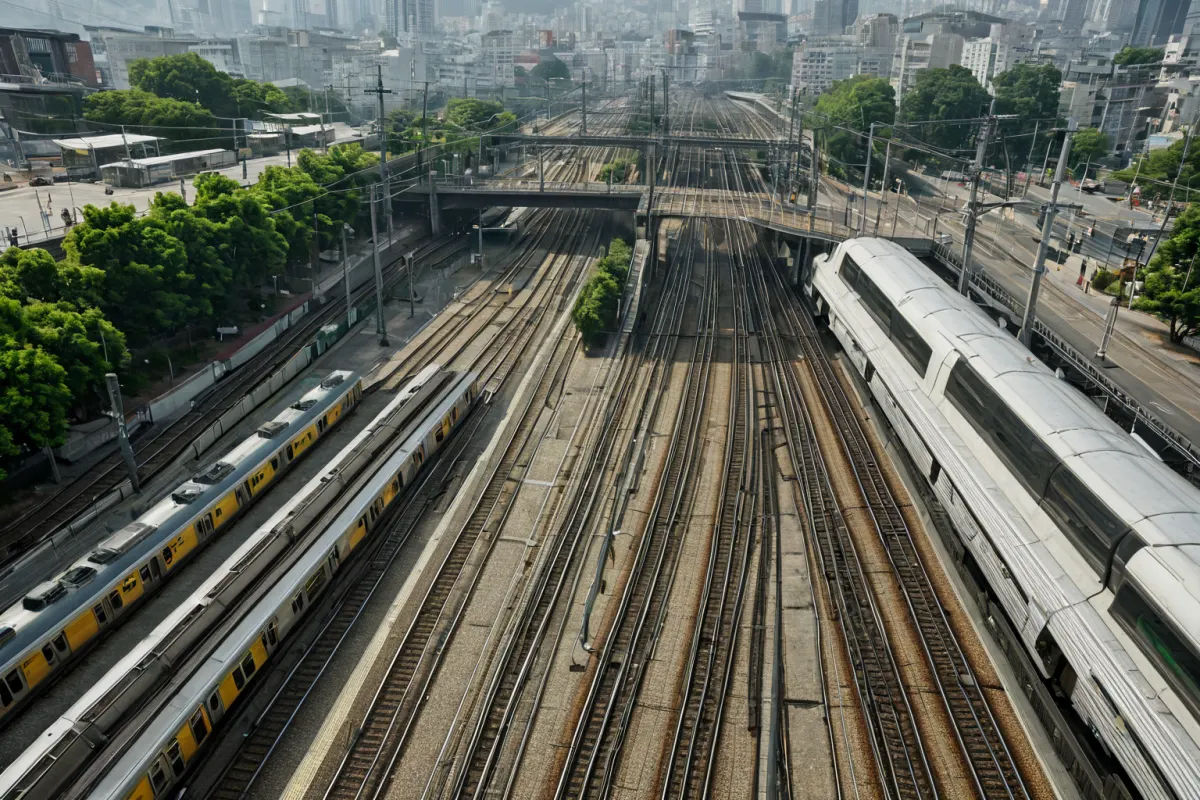
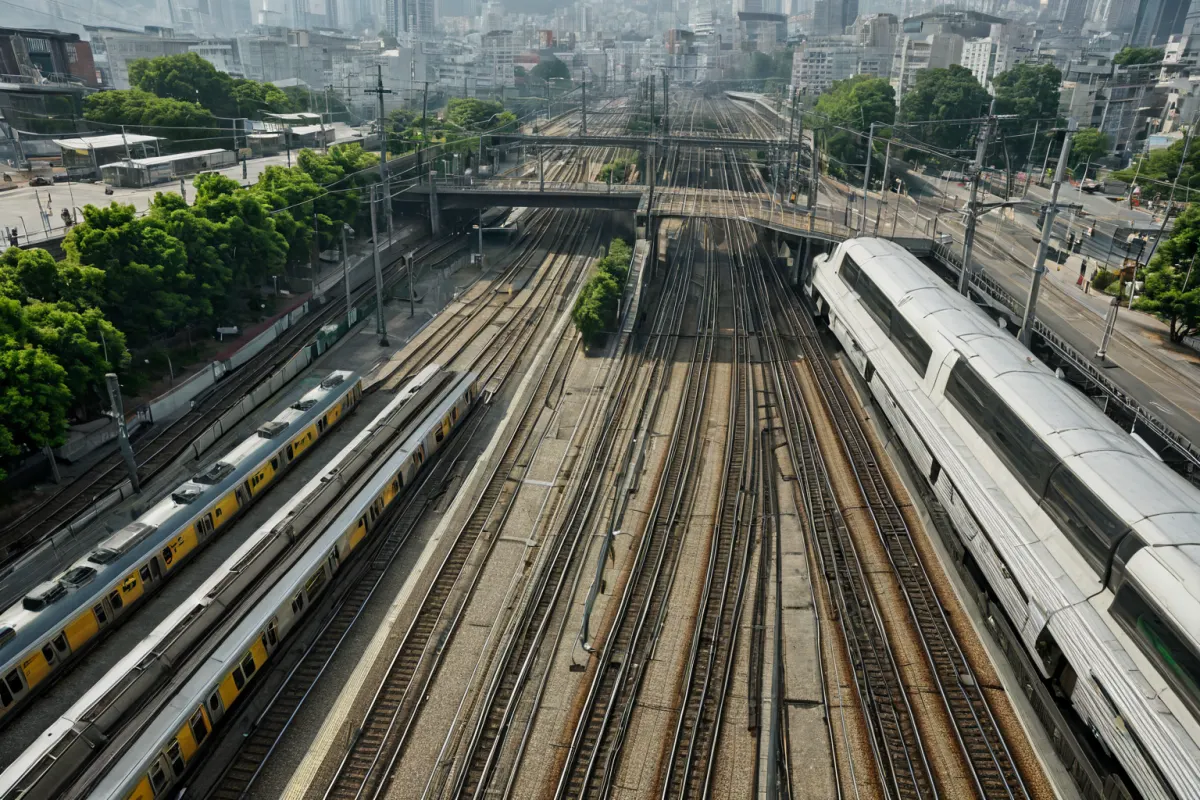
A power supply failure at Seoul Subway Line 1's Odui Station caused trains to skip stops on the morning of August 3, 2026, around 8 a.m. The incident, likely due to extreme heat causing electrical issues, led to significant congestion during rush hour and was resolved by 10:41 a.m.
Overview of the Odui Station Skipping Incident
The incident began around 8 a.m. on August 3, 2026, at Seoul Subway Line 1's Odui Station due to a power supply line failure. The issue was believed to be heat-related, with southbound trains primarily affected.
Following the incident, media outlets including SBS and Yonhap News reported live updates starting at 8:15 a.m., covering the skipped stops and delays. Maximum delays were estimated at 30-40 minutes, with continuous coverage during recovery efforts.
The incident occurred amid ongoing heatwaves in early August 2026, when average temperatures exceeded 35°C in Seoul, causing power demand to surge. This increased strain on the electrical grid, which is suspected to have contributed to the failure at Odui Station. The station’s complex traffic flow makes it difficult to reroute trains during such incidents.
Incident Timeline
The incident began at 8:14 a.m., with trains skipping stops at Odui Station due to a power supply line failure, as reported by SBS starting at 8:15 a.m.
At 8:45 a.m., Gangwon-do Minilbo also covered the incident, highlighting that southbound trains were most affected. The situation worsened during evening rush hour.
Emergency repairs began around 8:18 a.m. and continued until 10:41 a.m. Seoul Metro officials stated that the issue was caused by an electrical line fault discovered during routine inspections, with emergency repairs restoring normal operations. This statement was confirmed in official reports cited by multiple media outlets.
Southbound trains experienced up to 40 minutes of delay, while northbound trains were less affected. Odui Station is a major hub on Line 1, particularly busy during peak hours like early morning and evening commutes, so the incident significantly increased congestion.
Causes and Analysis
The direct cause was confirmed as a power supply line failure at Odui Station. While media reports linked it to heat-related electrical issues, official reports did not specify this connection. Multiple outlets reported the same link between extreme heat and increased grid strain.
Seoul’s early August 2026 heatwave led to surging power demand, which officials had anticipated by starting system inspections in late July. However, vulnerabilities remained in some areas, contributing to the incident at Odui Station.
Odui Station’s complex traffic layout makes it difficult to reroute trains during outages. The station is located near schools and commercial districts, drawing large crowds during weekday morning rush hours (around 8 a.m.), making power failures particularly disruptive.
Emergency repairs began around 8:18 a.m., with media coverage continuing throughout the process.
Response and Safety Information
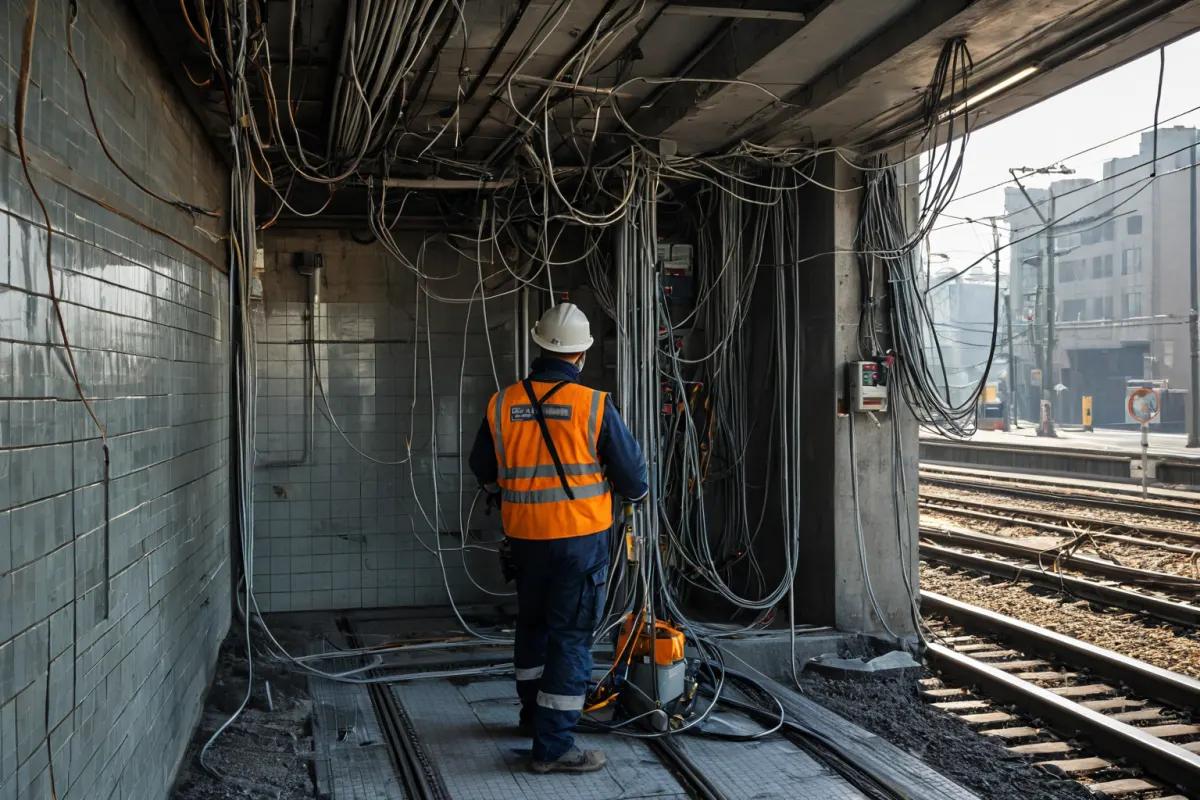
Seoul Subway Line 1 immediately initiated emergency repairs, coordinating with relevant departments to provide alternative transportation. This is standard procedure for such incidents; passengers are advised to check official announcements for accurate information.
The delays affected southbound trains most severely, with up to 40 minutes of delay during evening rush hour. Seoul Metro issued an official notice shortly after the incident: "Trains skipped stops at Odui Station due to a power issue; repairs are underway." This was widely reported by media outlets.
After recovery, Line 1 intensified inspections to prevent future incidents, highlighting the need for grid maintenance during heatwaves. Regular system checks at high-traffic stations like Odui are essential, especially in extreme weather conditions.
To assist passengers during such events, Seoul Metro provided real-time updates via social media and mobile apps immediately after the incident. This practice is expected to expand further during future heatwaves to help reduce congestion.
Key Information to Verify
The official timeline shows the incident began at 8:14 a.m. on August 3, 2026, and was resolved by 10:41 a.m. The exact time of resolution was 10:41:30 a.m.
Southbound trains were primarily affected, indicating the power supply failure directly impacted their electrical system. Northbound trains experienced less disruption, likely due to differences in line structure.
The cause is suspected to be heat-related electrical strain, as reported by multiple media outlets. However, official reports did not confirm this, suggesting ongoing investigations by Seoul Metro.
Frequently Asked Questions
What caused the trains to skip Odui Station?
The incident was likely due to a power supply line failure, possibly exacerbated by increased electrical demand from extreme heat.
How long were delays experienced?
Delays reached up to 40 minutes for southbound trains, with the maximum delay estimated at 30-40 minutes overall.
When was the issue resolved?
The problem was fixed by 10:41 a.m. on August 3, 2026 (10:41:30 a.m.).
You can view similar articles in one place.
View Related ArticlesFAQ
What caused the trains to skip Odui Station?
The incident was likely due to a power supply line failure, possibly exacerbated by increased electrical demand from extreme heat.
How long were delays experienced?
Delays reached up to 40 minutes for southbound trains, with the maximum delay estimated at 30-40 minutes overall.
When was the issue resolved?
The problem was fixed by 10:41 a.m. on August 3, 2026 (10:41:30 a.m.).
Korean Source
This article is an English localization of a Korean-language report from BlogScore. Original: 외대앞역 무정차 통과 이유와 대처 방법