
Why Did the US-South Korea UFS Exercise End Early?
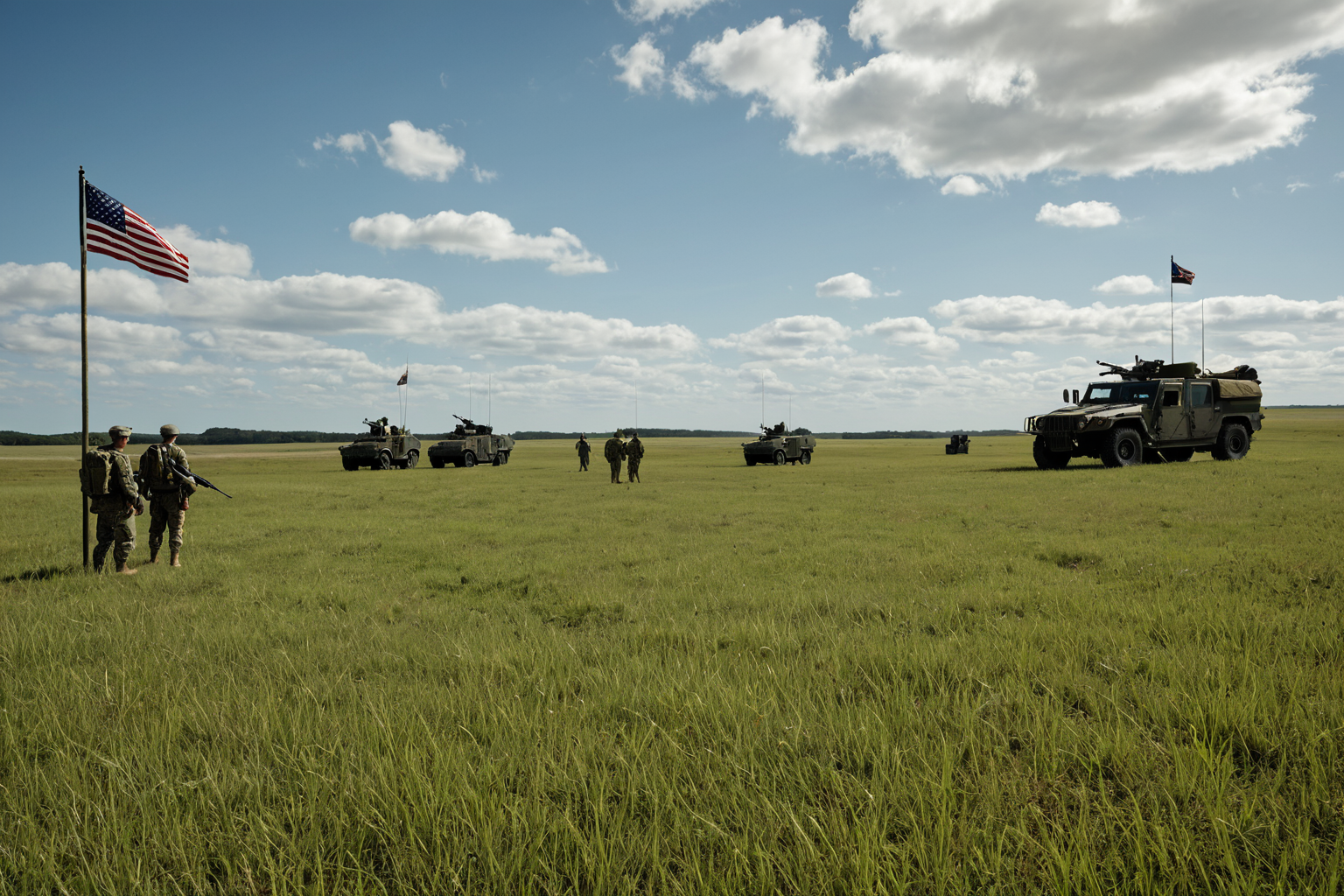
Early Termination of US-South Korea UFS Exercise
On August 21, 2026, South Korea and the United States decided to end their planned seven-day UFS (Joint Exercise) early for the first time in history. The exercise was significantly scaled back, with outdoor maneuver drills reduced from 14 to 7, and counterattack drills against North Korea canceled.
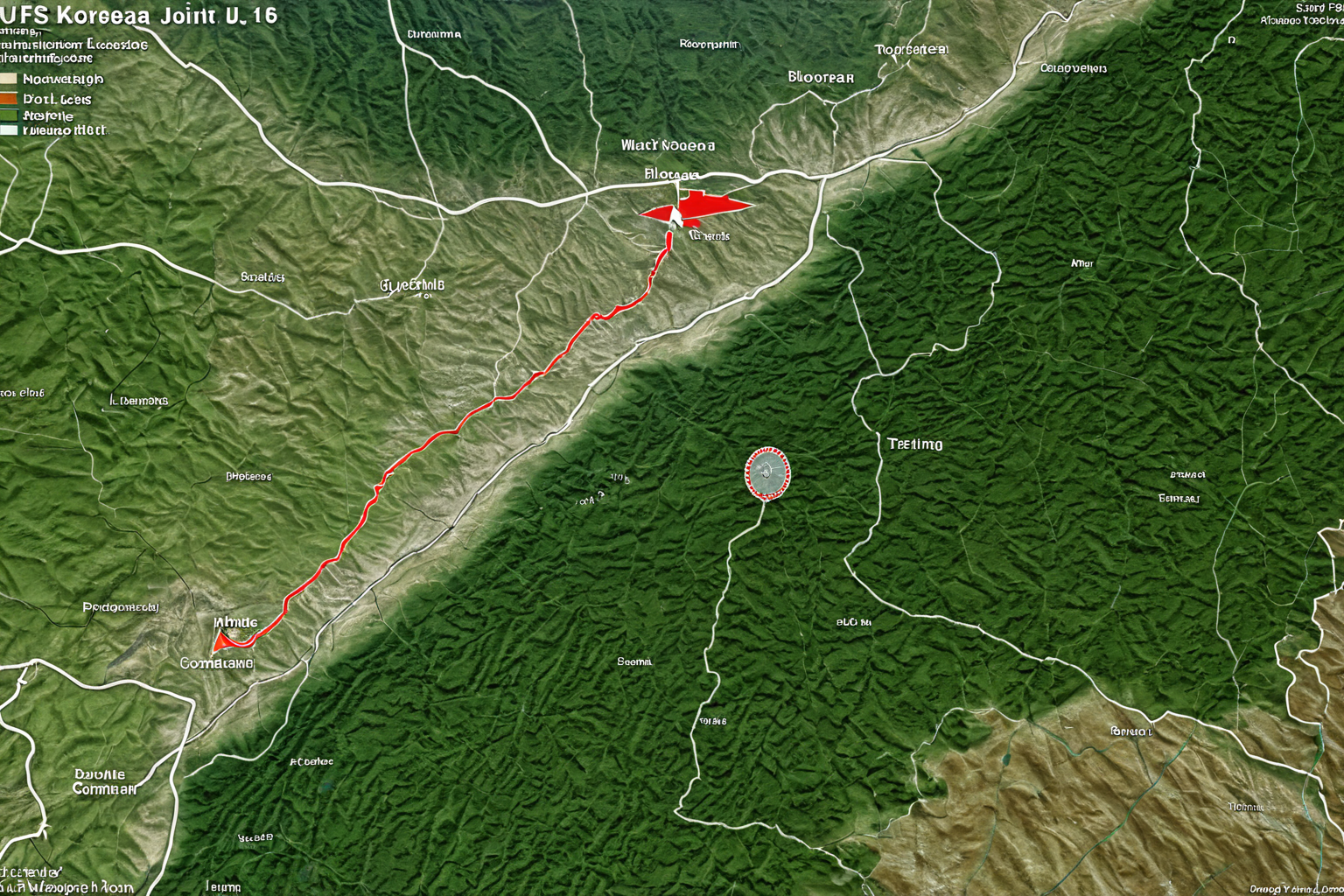
Background of Early Termination
The early termination decision, proposed by the U.S., appears to be in line with Trump's directive. The Joint Chiefs of Staff accepted the U.S. military’s proposal and announced the early termination on August 19, with the U.S. Department of Defense stating that the exercise objectives were unaffected.
The training was originally scheduled for five days but only half of the maneuver drills proceeded, leaving only defense exercises. Some reports described it as a 'half-hearted conclusion' due to the cancellation of counterattack practice.
Hormuz Korean Vessel Explosion Incident
The Ministry of Foreign Affairs announced on May 10, 2026, that the cause of an explosion involving a Korean vessel in the Hormuz Strait was an unknown flying object impact. However, no direct connection between this incident and the early termination of UFS has been stated.
The ministry emphasized the need for further investigation into the incident, but as of now, the cause remains unclear. Some media outlets speculated about a possible link between the Hormuz incident and the UFS early termination, though there was no official explanation.
Changes in Exercise Schedule and Scale
Due to the early termination decision announced on August 19, the US-South Korea UFS exercise concluded five days earlier than planned. The duration was shortened from five to two days, with outdoor maneuver drills halved.
The Joint Chiefs of Staff stated that 'the early termination was decided in response to a U.S. military proposal, and the training objectives were met,' while the U.S. Department of Defense reiterated that 'there was no disruption to the exercise goals.'
Significance of Early Termination
The early termination of the US-South Korea UFS joint exercise could positively impact burden reduction during the transfer of wartime operational control (OPCON) and contribute to peace on the Korean Peninsula. Some reports suggested that scaling back training ahead of OPCON transfer would serve as a step toward building trust between the two nations.
South Korea and the United States have long worked to ease military tensions with North Korea, but this early termination marks the first such instance in history. Notably, the cancellation of counterattack drills has been interpreted as a signal enhancing stability on the Korean Peninsula.
U.S. Proposal for Early Termination
The U.S. military was reportedly the first to propose the early termination, which appears to be following Trump's directive. The U.S. military decided to significantly reduce both the schedule and scale of the exercise.
Trump’s directive is considered the core factor behind the UFS early termination, with the Department of Defense stating that 'there was no disruption to the exercise goals,' indicating a reassessment by U.S. forces on the necessity of the training.
Potential Link to Hormuz Incident
While the Ministry of Foreign Affairs identified the cause of the Korean vessel explosion in the Hormuz Strait as an impact from an unknown flying object, no direct connection between this incident and the early termination of UFS has been stated. Some media outlets have speculated about a possible link, but there is no official explanation.
The explosion was reported on May 10, 2026, in the Hormuz Strait, with the Ministry of Foreign Affairs stating that an investigation into the cause is ongoing. As of now, it is estimated to be caused by an unknown flying object impact, but specific details remain undisclosed.
Key Elements of UFS Exercise
The UFS (Joint Exercise) is a large-scale military training conducted jointly by South Korea and the United States, originally scheduled for seven days. However, due to early termination, outdoor maneuver drills were reduced from 14 to 7, and counterattack drills against North Korea were canceled.
The Joint Chiefs of Staff stated that 'only defensive exercises will proceed, with no inclusion of counterattack drills against North Korea,' suggesting the training's focus is on easing military tensions.
Response and Safety Information
South Korea and the United States are interpreting the early termination of UFS as a signal for peace on the Korean Peninsula. Alongside burden reduction during the OPCON transfer process, policies aimed at easing military tensions are expected to be strengthened.
The Ministry of Foreign Affairs has requested further investigation into the Hormuz incident and plans to review additional response measures before the cause is clarified. This is seen as important for international safety management.
Key Information to Verify
The connection between UFS early termination and the Hormuz incident has yet to be confirmed. While the Ministry of Foreign Affairs identified the cause of the vessel explosion as an impact from an unknown flying object, no direct link to UFS has been stated.
Both South Korea and the United States have made official statements regarding the decision but lack detailed information. Additional updates should be monitored through announcements from the Joint Chiefs of Staff and the Ministry of Foreign Affairs.
Frequently Asked Questions
What was the reason for the early termination of the US-South Korea UFS joint exercise?
The training scale and schedule were significantly reduced following a U.S. military proposal and Trump's directive, leading to the early termination.
What is the cause of the Korean vessel explosion in the Hormuz Strait?
The Ministry of Foreign Affairs stated it was caused by an impact from an unknown flying object, but the specific cause has not been confirmed yet.
How might the early termination of UFS affect peace on the Korean Peninsula?
It is expected to positively influence peace on the Korean Peninsula through burden reduction during OPCON transfer and easing military tensions.
Frequently Asked Questions
The early termination of the US-South Korea UFS joint exercise marks a historic first, with significant reductions in training scale and schedule. Outdoor maneuver drills were halved, and counterattack drills canceled. It appears to be following Trump's directive, with analysts suggesting it could positively impact burden reduction during OPCON transfer and peace on the Korean Peninsula.
The potential link between the Hormuz incident and UFS early termination remains unconfirmed, though the Ministry of Foreign Affairs is investigating the cause of the vessel explosion. For further information, updates from the Joint Chiefs of Staff and the Ministry of Foreign Affairs should be monitored.
You can view more articles on similar topics in one place.
View Related ArticlesFAQ
What was the reason for the early termination of the US-South Korea UFS joint exercise?
The training scale and schedule were significantly reduced following a U.S. military proposal and Trump's directive, leading to the early termination.
What is the cause of the Korean vessel explosion in the Hormuz Strait?
The Ministry of Foreign Affairs stated it was caused by an impact from an unknown flying object, but the specific cause has not been confirmed yet.
How might the early termination of UFS affect peace on the Korean Peninsula?
It is expected to positively influence peace on the Korean Peninsula through burden reduction during OPCON transfer and easing military tensions.
Korean Source
This article is an English localization of a Korean-language report from BlogScore. Original: 한미 UFS 조기종료가 왜 발생했는지 정확히 알아보기