
Why Did the Kospi Drop 5%? Understanding Market Impact Today
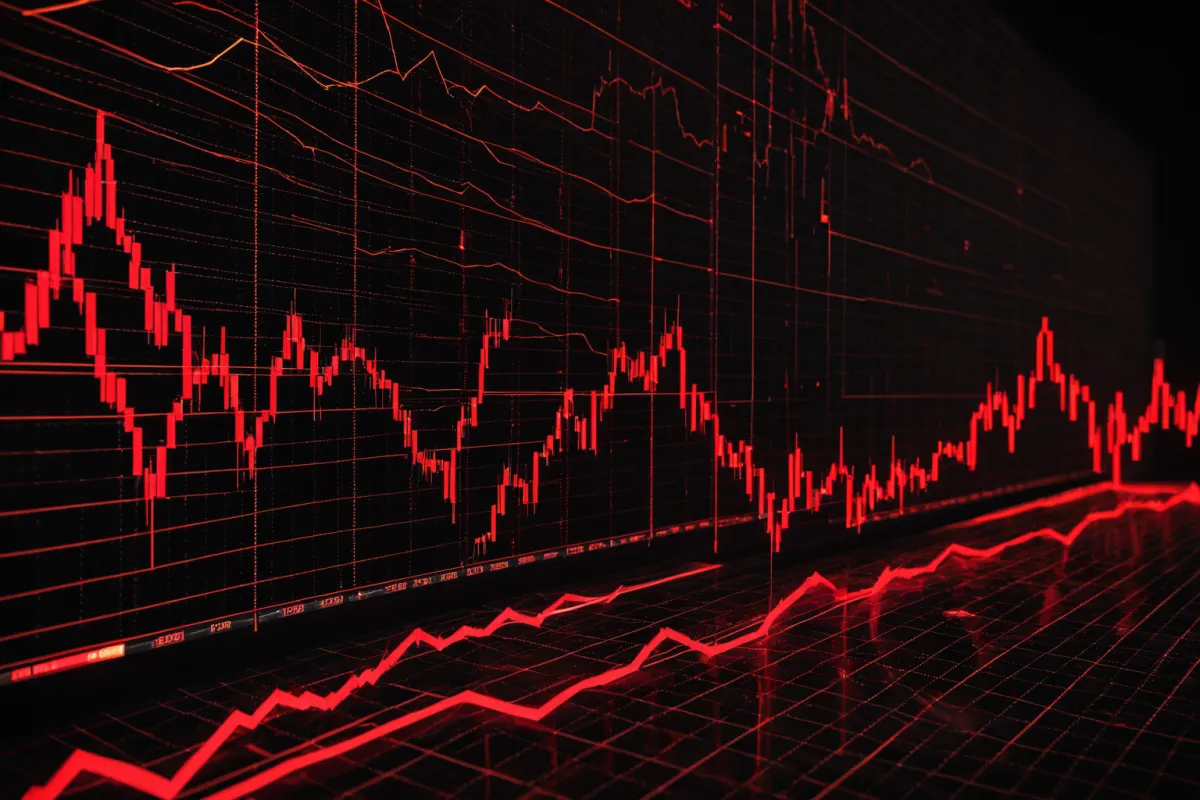
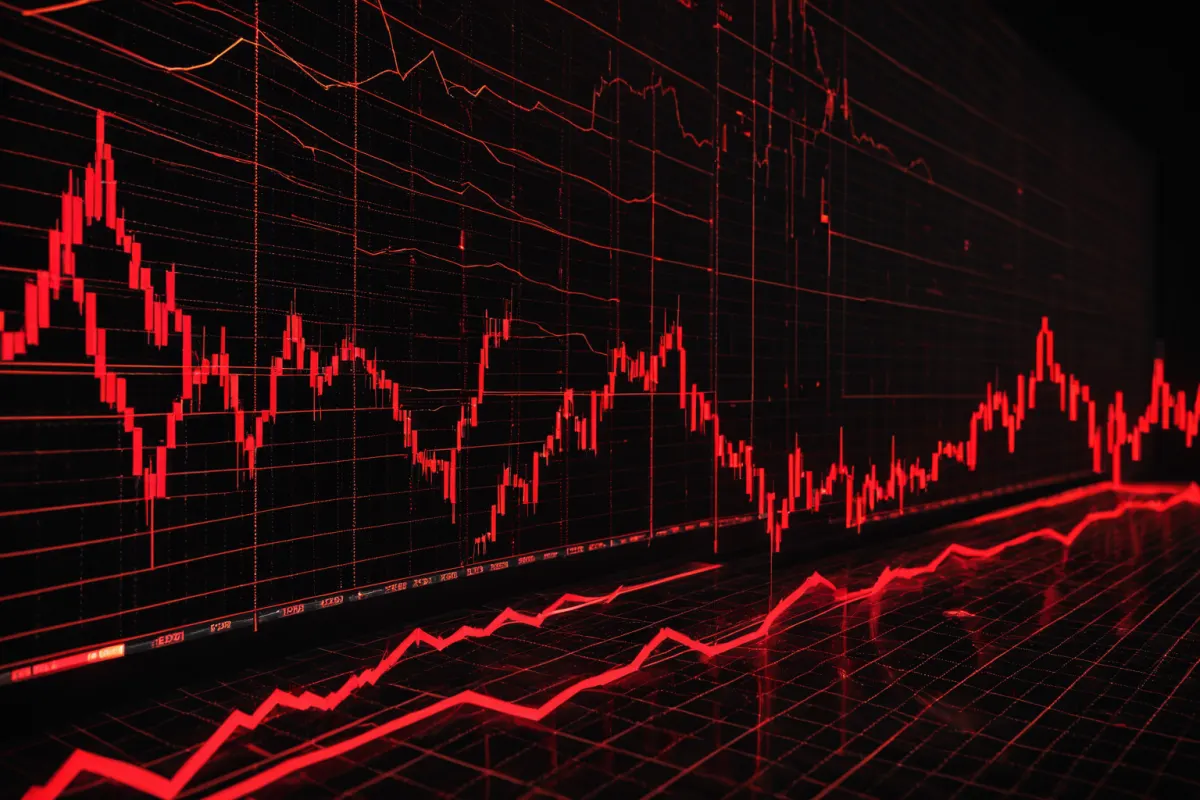
A 5% plunge in the Kospi often sparks one immediate question: why did it fall so sharply, and what does this mean for your portfolio and market sentiment today? Typically, such sharp declines result from a combination of factors rather than a single cause—interest rates, exchange rates, foreign investor selling pressure, weakness in U.S. markets, and sector concentration.
In this article, we’ll break down how to read the causes behind a 5% Kospi drop and identify key market signals that matter most for investors. During sharp declines, it’s more important to track where money is flowing than to focus on headline news.
Why the Kospi Dropped 5%
When the Kospi falls significantly, it’s usually due to a mix of external factors and internal supply-demand dynamics. For instance, rising U.S. interest rates, a stronger dollar, or heavy selling pressure in large-cap stocks like semiconductors can quickly push the index lower.
When foreign investors and institutions sell in the same direction, the decline becomes even steeper. Since the Kospi has a high concentration of large-cap stocks, weakness in just a few major companies can significantly impact the overall index.
In reality, these factors often combine:
- U.S. market slump followed by a similar downturn in Korea
- Rising won-dollar exchange rate leading to increased foreign selling
- Profit-taking in dominant sectors like semiconductors, battery technology, and finance
- Downgraded earnings outlooks or geopolitical tensions
In short, a 5% Kospi drop is more about a combination of weak investor sentiment and imbalanced market supply-demand dynamics.
Explore similar articles on this topic in one place.
View Related ArticlesMarket Impact Today
Sharp market declines first affect investor sentiment. Even investors who usually hold on may sell to avoid further losses, which can trigger a downward spiral.
On the same trading day, large-cap stocks become more volatile, and index-sensitive ETFs or leveraged products often experience larger swings. Conversely, defensive stocks or those with high cash holdings sometimes attract temporary capital inflows.
For example, if the Kospi drops sharply during the morning session, selling pressure may dominate early on, but afternoon rebounds can occur through program trading or counter-buying. However, such rebounds don’t necessarily signal a trend reversal.
To determine whether the decline will continue into the next day, watch exchange rates, overseas futures, and institutional and foreign investor activity.

Why Foreign Investors Are Selling More
When the Kospi falls sharply, foreign selling is almost always a key factor. Foreign investors tend to sell faster than they buy, so during periods of heightened global risk aversion, market supply-demand can shift rapidly.
Especially in times of dollar strength, Korean assets may appear less attractive relative to other markets. When combined with concerns about currency losses, selling pressure can intensify.
For instance, if U.S. interest rate hikes are a concern, foreign investors might reduce their holdings in semiconductor giants, dragging down not just the sector but the entire index. Given this structure, understanding foreign investor activity is crucial to interpreting Kospi movements.
Key Indicators for Individual Investors
During sharp declines, relying solely on news headlines can lead to confusion. Instead, consider these factors:
- Has the won-dollar exchange rate risen sharply?
- Are U.S. indices like Nasdaq and S&P 500 also declining?
- Is foreign selling concentrated in large-cap stocks?
- Have major sectors that influence the index—like semiconductors, battery technology, or finance—also fallen?
If exchange rates are rising and U.S. tech stocks are under pressure, a drop in semiconductor-focused indices is more likely. Conversely, if only one sector falls while others remain stable, it may reflect company-specific issues rather than broader market problems.
The key distinction to make is whether your holdings are affected by overall market conditions, sector-wide trends, or specific company issues. This can significantly reduce anxiety during volatile periods.
How to Respond During a Market Drop
During sharp declines, blindly selling or holding on without analysis both carry risks. First, assess whether the reason you invested still holds true.
For example, if you bought a stock based on long-term earnings improvement, a short-term market drop may not warrant immediate action. However, if you’re highly leveraged or focused on short-term gains, you’ll be more vulnerable to volatility.
In practice, consider the following:
- Index-tracking ETFs: Reassess your allocation considering increased short-term volatility
- Individual large-cap stocks: Check whether sector-wide weakness is driving the decline
- Mid-to-small caps: First verify liquidity conditions
After a sharp drop, it’s better to analyze whether today’s fall was driven by an external shock or fundamental deterioration rather than reacting emotionally.
Real-World Examples for Better Understanding
For instance, if the Kospi drops 5% the day after a major U.S. market downturn, global risk aversion is likely the main cause—not domestic issues. In such cases, rebounds may occur within days even after sharp declines.
Conversely, if an industry’s earnings outlook is drastically downgraded and foreign investors heavily sell its large-cap stocks, the situation is different. This could signal a fundamental reassessment rather than simple panic, leading to slower recovery.
Therefore, during market drops, focus on why the decline happened rather than just how much it dropped. A 5% drop can have very different implications based on its cause.
Additional Signals to Watch
To interpret a Kospi drop, don’t just look at domestic markets—also monitor U.S. interest rates, exchange rates, oil prices, and semiconductor industry trends. When these factors move in the same direction, market impact can be amplified.
For instance, rapid rises in the won-dollar rate often lead to unstable foreign capital flows, while sharp oil price increases can reignite inflation and interest rate concerns. Ultimately, markets respond to multiple signals moving together rather than just one number.
When facing a Kospi 5% drop, focus less on fear itself and more on understanding the combination of factors that created it. This approach will help you stay steadier through future volatility.
FAQ
Q: Should I sell immediately after a 5% Kospi drop?
A: Not necessarily. First, determine whether your holdings are affected by market-wide issues or specific company problems.
Q: What should individual investors watch first during a Kospi drop?
A: Exchange rates, foreign net selling activity, and U.S. market trends are the most common indicators tied to Kospi movements.
Q: Can the market rebound quickly after a sharp drop?
A: Yes, but significant declines don’t automatically mean a bottom has been reached. Monitor supply-demand dynamics and overseas markets for confirmation.
Market conditions change daily, so it’s best to check current exchange rates and global market trends before making investment decisions.
Continue reading similar articles on this topic.
View Category ArticlesFAQ
Should I sell immediately after a 5% Kospi drop?
Not necessarily. First, determine whether your holdings are affected by market-wide issues or specific company problems.
What should individual investors watch first during a Kospi drop?
Exchange rates, foreign net selling activity, and U.S. market trends are the most common indicators tied to Kospi movements.
Can the market rebound quickly after a sharp drop?
Yes, but significant declines don't automatically mean a bottom has been reached. Monitor supply-demand dynamics and overseas markets for confirmation.
Korean Source
This article is an English localization of a Korean-language report from BlogScore. Original: 코스피 5% 급락 원인과 오늘 시장 영향