
Why China and Canada's Pea Starch Dumping Ruling? Explained
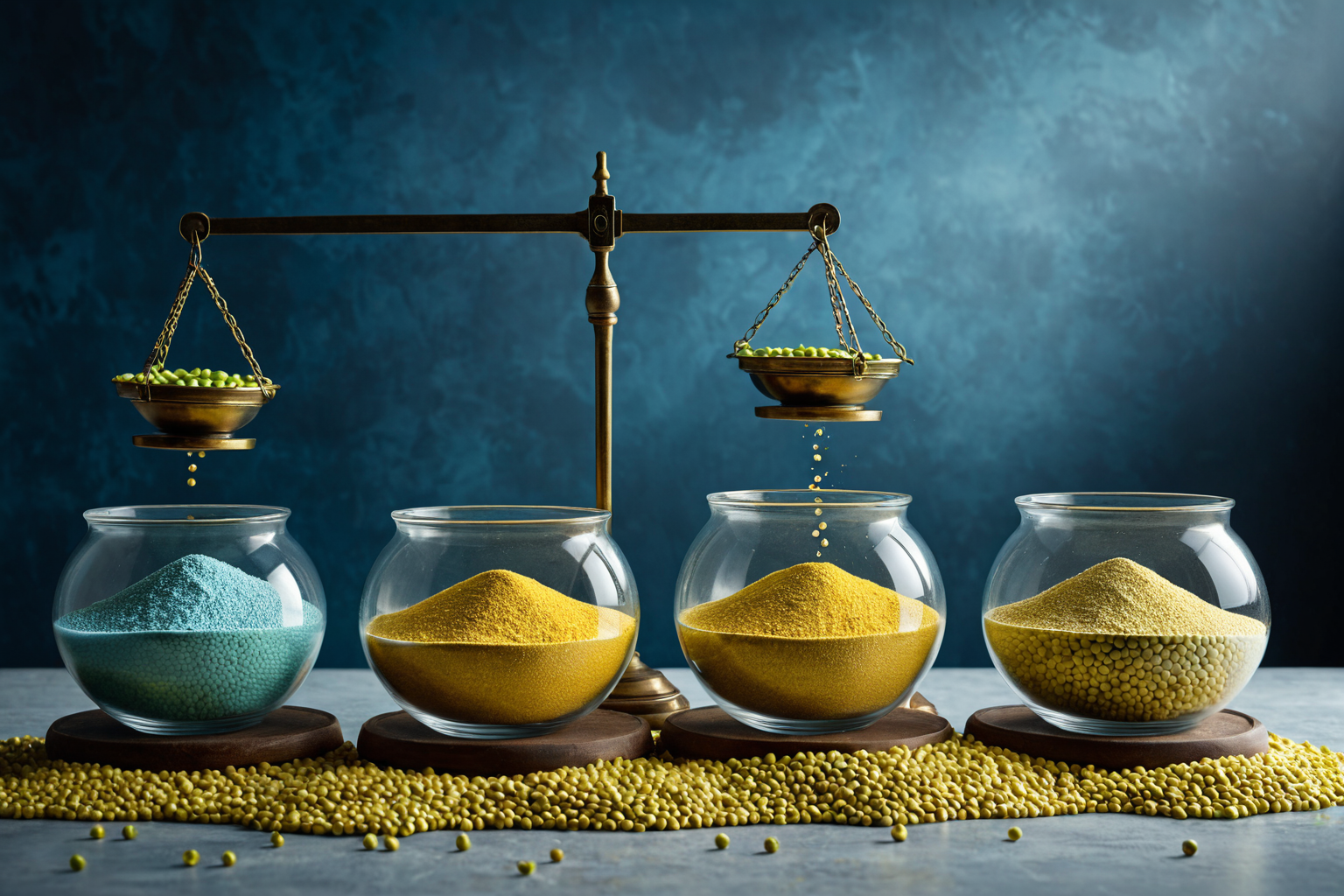
The anti-dumping ruling for pea starch imports from China and Canada essentially involves assessing whether these imported goods are entering the domestic market at unfairly low prices, distorting competition, and potentially warranting higher tariffs. A key question many searchers have is whether this ruling immediately means an import ban—which it does not. Typically, both dumping margins and domestic industry impact are evaluated, with the possibility of anti-dumping duties being determined based on the findings.
When examining this issue, it's important to consider: Why pea starch specifically? Why are China and Canada mentioned together? And what impact will this have on the domestic market? Pea starch is used as an ingredient in food products, processed foods, and some industrial materials, making price fluctuations directly noticeable.
Key Criteria for Anti-Dumping Rulings
An anti-dumping ruling isn't simply based on low import prices. The first factor assessed is whether the export price is below normal value—i.e., if there's a dumping margin. Next, it evaluates whether the domestic pea starch industry has actually suffered harm.
For example, if imported pea starch from overseas costs significantly less per ton than domestically produced varieties and this leads to reduced sales or profitability for local manufacturers, it becomes a subject of investigation. Conversely, even if prices appear low, factors like exchange rates, shipping costs, or raw material procurement structures could explain the difference, potentially altering the outcome.
You can view similar articles on this topic in one place.
View Related ArticlesWhy China and Canada Are Both Mentioned
The ruling on pea starch imports from China and Canada has drawn attention because both countries' products are frequently compared in the market. While they're similar products, price structures and distribution methods can differ by origin. This makes it possible for investigations to expand if a particular country's import volume increases significantly.
In reality, it's not as simple as saying 'China is the problem.' Canada is also mentioned because authorities often examine export prices, trade terms, market share, and contribution to harm separately for each country. As a result, rulings may differ between nations.
Why Domestic Industry Reacts Strongly
Pea starch is particularly sensitive for industries with high cost burdens. Food manufacturers are affected when raw material costs fluctuate slightly, impacting product pricing, supply contracts, and inventory management. For domestic producers, if import prices become too low, it becomes difficult to maintain production levels and profitability.
For instance, if a local company produces pea starch at around 100,000 won per ton but overseas products enter at 80,000 won per ton in large quantities, buyers may seem to benefit short-term. However, long-term, this could weaken the domestic supply base. Anti-dumping investigations and rulings aim to prevent such market distortions.
Commonly Reviewed Data in Anti-Dumping Investigations
Rulings aren't made arbitrarily. Key data includes import price trends, contracts, customs records, domestic sales performance, production volumes, inventory levels, and profit margins. Companies under investigation must submit relevant documentation, and stakeholder opinions may also be considered.
From a consumer perspective, while the paperwork might seem overwhelming, the core question is straightforward: 'Have low-priced imports undermined normal domestic prices?' This is why news reports mention terms like preliminary ruling, final determination, and anti-dumping duties together.

Potential Market Impact
A ruling doesn't immediately cause price increases, but if tariffs are imposed afterward, import costs could rise. This might lead importers to seek new suppliers or increase domestic alternatives. Food manufacturers may need to adjust raw material costs.
Conversely, domestic producers could see improved conditions. However, not all imports will be replaced equally, so quality, delivery times, and supply stability must also align for real benefits. That's why companies don't just focus on tariff rates but reassess their entire supply chain.
Immediate Actions for Affected Industries
Importers and distributors should first check contracts and inventory levels. Are there already ordered shipments? Are goods scheduled for customs clearance? Do existing agreements include price adjustment clauses in case of tariffs? Food manufacturers should also evaluate alternative raw materials.
For example, a sauce manufacturer using pea starch might test formulations to maintain the same consistency before making changes. It's not just about cost—texture, viscosity, and processing stability must be confirmed to avoid future supply disputes.
Misunderstandings About China-Canada Pea Starch Ruling
The most common confusion is whether an anti-dumping ruling means all pea starch will become more expensive. This isn't the case. The outcome depends on factors like target countries, product scope, specific HS codes, and when tariffs apply. Even for the same pea starch, results can vary by origin and import method.
Another misconception is that consumer prices will rise significantly right away. In reality, effects vary widely depending on distribution channels, contract structures, and availability of alternative materials. Therefore, it's better to monitor both importer and manufacturer responses rather than making immediate assumptions.
FAQ
Q1. What does the anti-dumping ruling for pea starch imports from China and Canada mean?
The ruling means an investigation into whether these imports have caused harm to domestic industry by entering at below-normal prices, with possible imposition of anti-dumping duties.
Q2. Does a ruling immediately stop all imports?
No. Typically, the outcome depends on investigation results and whether anti-dumping duties are applied. It's different from an outright import ban.
Q3. What should food manufacturers check first?
They should verify price adjustment clauses in existing contracts, customs schedules, alternative raw material options, and current inventory levels.
The real impact of this issue depends more on the scope of tariff application and industry responses after the ruling than on the ruling itself. Keeping up with ongoing investigation updates and official announcements is recommended for accurate information.
Continue exploring similar topics.
View Category ArticlesFAQ
What does the anti-dumping ruling for pea starch imports from China and Canada mean?
The ruling means an investigation into whether these imports have caused harm to domestic industry by entering at below-normal prices, with possible imposition of anti-dumping duties.
Does a ruling immediately stop all imports?
No. Typically, the outcome depends on investigation results and whether anti-dumping duties are applied. It's different from an outright import ban.
What should food manufacturers check first?
They should verify price adjustment clauses in existing contracts, customs schedules, alternative raw material options, and current inventory levels.
Korean Source
This article is an English localization of a Korean-language report from BlogScore. Original: 중국 캐나다산 완두콩전분 반덤핑 판정, 왜 나왔나