
Why Children and Seniors Are at Higher Risk During Heat Advisories
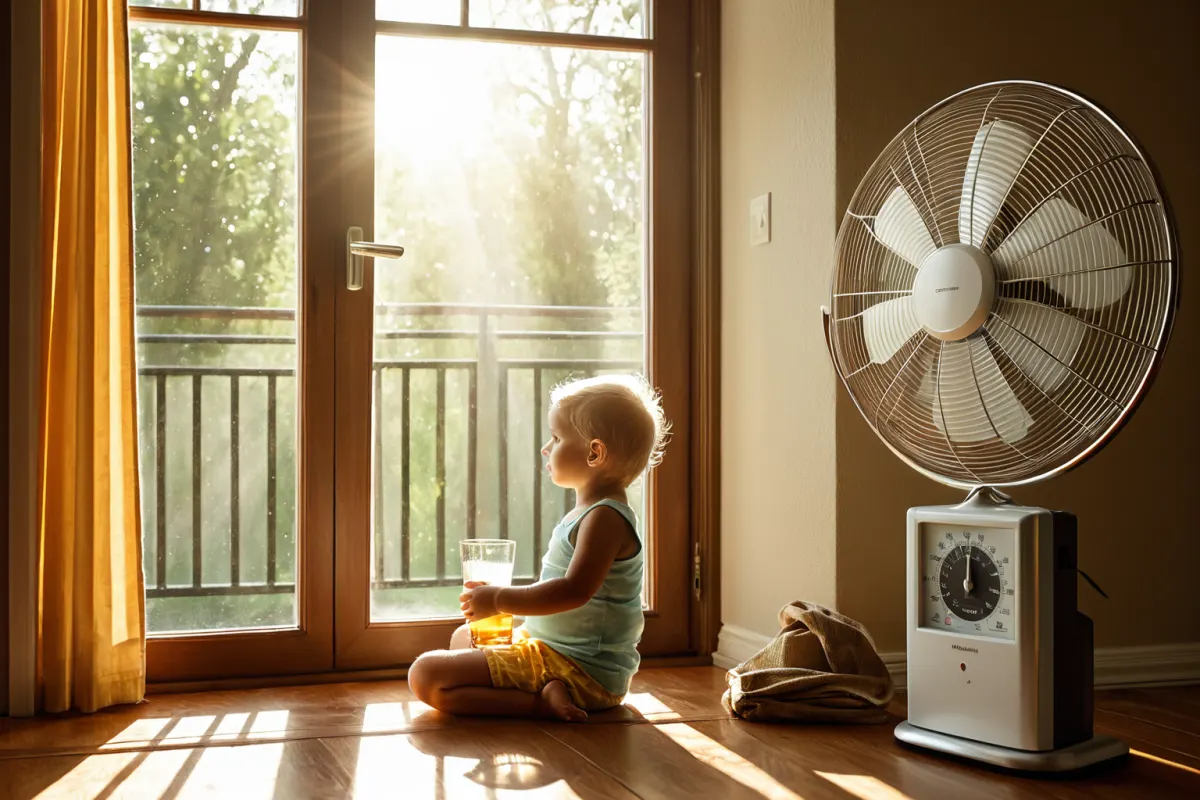
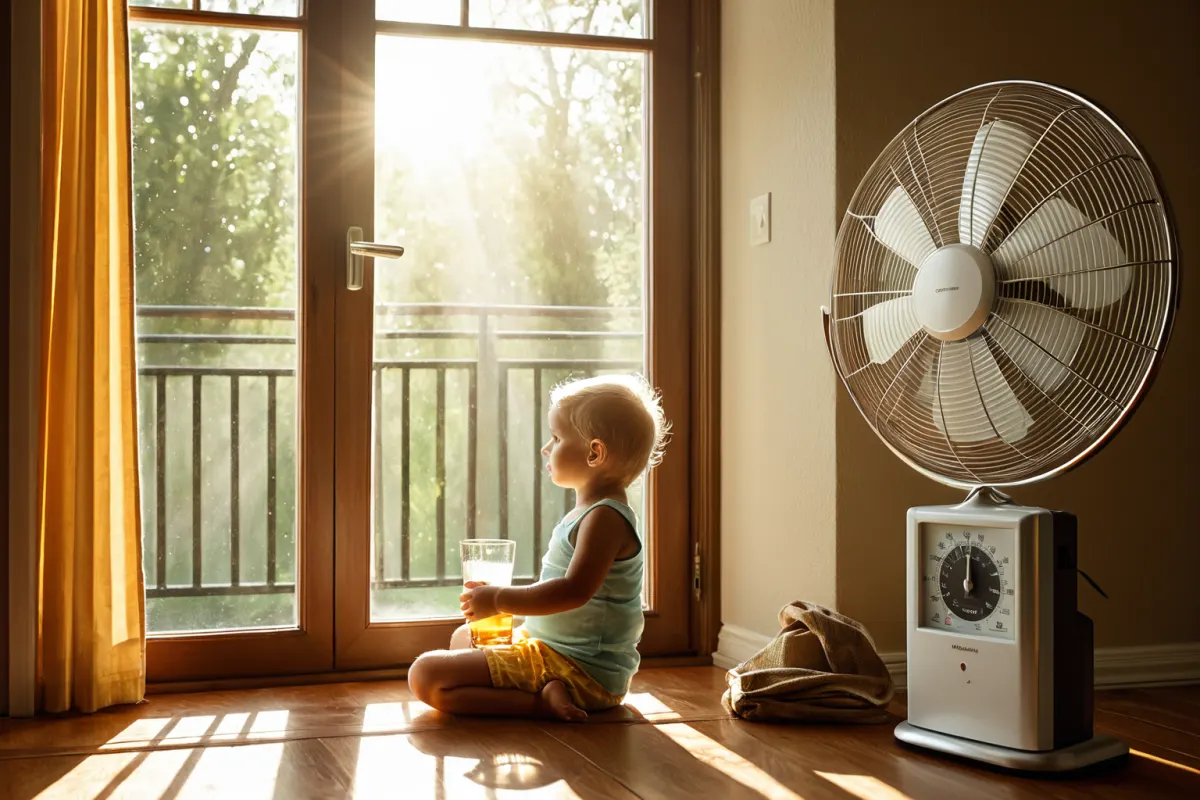
When a heat advisory is issued, children and seniors are at higher risk first. Their bodies struggle to regulate temperature, they may not feel thirsty until it's too late, and they often can't communicate symptoms promptly. Even short periods of exposure can lead to dehydration or heat exhaustion.
It's important to note that staying indoors doesn't guarantee safety. Poorly ventilated rooms, spaces where air conditioning has been left off for extended periods, or environments like cars where heat isn't dissipated can cause body temperature to rise continuously. Therefore, protecting children and seniors during a heat advisory requires more than just limiting outdoor activity—it demands careful observation.
Why Temperature Regulation Weakens
Children's smaller bodies heat up quickly, and their ability to cool down through sweating is less stable compared to adults. This means they can become fatigued and dizzy faster in hot weather.
Seniors often have dulled thirst sensations and may struggle more with heat due to heart or kidney conditions, medication effects, or reduced physical resilience. Because their bodies handle heat differently, warning signs appear more rapidly.
You can find similar articles in one place.
View Related ArticlesWhen Dehydration and Heat Illness Happen Quickly
The most common issue during heatwaves is dehydration. Drinking less water or sweating excessively reduces blood volume, leading to headaches, fatigue, and nausea. If left unchecked, this can progress to heat exhaustion.
For example, a child playing on an outdoor playground for just 20-30 minutes may start showing flushed skin and lethargy. Seniors might not drink enough water while staying indoors and suddenly report dizziness. In these cases, don't dismiss it as simple tiredness—move them to a cool place immediately.

Why Risks Increase Indoors
Even with air conditioning on, leaving doors closed for long periods or relying only on fans can prevent indoor temperatures from dropping. Areas near windows in direct sunlight or west-facing rooms tend to get especially hot during peak sun hours.
Infants and young children may not communicate discomfort if their clothes and bedding get wet from sweat during naps. Seniors living alone might endure heat without seeking relief, worsening symptoms. Checking indoor temperatures is more important than you might think.
Essential Guidelines for Heat Advisories
The first step is ensuring regular water intake. Encourage drinking small amounts every 1-2 hours, even if they don't feel thirsty. Sipping gradually is less taxing than large gulps.
If possible, schedule outdoor activities early in the morning or after sunset, and minimize sun exposure during midday. Hats, umbrellas, and light, breathable clothing can help. For children, change sweaty clothes promptly; for seniors, avoid strenuous chores like gardening for a few days to reduce risk. If cooling isn't feasible at home, consider visiting nearby heat relief centers.
When to Seek Immediate Attention
If any of these symptoms appear, don't treat them as mere tiredness:
- Unusually severe fatigue
- Headache, dizziness, or nausea
- Sudden decrease in sweating or hot skin
- Lethargy or delayed responses
- Difficulty walking or staggering
If these signs appear, move them to a cool place, loosen clothing, and offer small sips of water. If confusion worsens or vomiting continues, seek medical help immediately.
Practical Examples for Home Use
For instance, if elderly parents are home alone at 2 PM, a simple phone call isn't enough—you should also check room temperature, hydration levels, and meal intake.
For households with young children, monitor whether clothes or diapers are damp from sweat before and after naps, and confirm how much water they've drunk. After prolonged play, prioritize rest and rehydration over bathing.
Adjusting Daily Life After a Heat Advisory
When a heat advisory is issued, don't just view it as another hot day—adjust your schedule to reduce outdoor activities. Avoid long drives, outdoor gatherings, or extended time in the sun; opt for indoor alternatives instead.
If you're caring for children and seniors together, prepare meals that are not overly oily or salty. Water-rich fruits and soups can help with hydration, but avoid excessive sugary drinks.
Core Principles for Protecting Children and Seniors
The key is never to let them endure the heat alone. Children's conditions change rapidly, while seniors often delay reporting symptoms—so monitoring methods must differ. Safety requires balancing water intake, shade, cooling, and rest simultaneously.
Especially if they're alone for extended periods, check their condition more than once a day. Catching small discomforts early is the most practical way to prevent heat illness.
Frequently Asked Questions
Q1. Is it safe if my child doesn't sweat much?
A. No. Less sweating isn't necessarily safer—it could indicate dehydration or rising body temperature.
Q2. Can seniors drink water frequently?
A. Generally, small, frequent sips are recommended. However, those with heart failure or kidney issues should follow their usual intake guidelines for safety.
Q3. Are indoor spaces safe from heat risks?
A. No. Poor ventilation or inadequate cooling can make indoor environments dangerous too—especially west-facing rooms, attics, and poorly ventilated areas.
Protecting children and seniors during heat advisories is more about practical daily habits than distant strategies. Always check the latest weather alerts and local guidelines before heading out, as they may vary by season and region.
Continue exploring similar topics.
Browse CategoryFAQ
Is it safe if my child doesn't sweat much?
No. Less sweating isn't necessarily safer—it could indicate dehydration or rising body temperature.
Can seniors drink water frequently?
Generally, small, frequent sips are recommended. However, those with heart failure or kidney issues should follow their usual intake guidelines for safety.
Are indoor spaces safe from heat risks?
No. Poor ventilation or inadequate cooling can make indoor environments dangerous too—especially west-facing rooms, attics, and poorly ventilated areas.
Korean Source
This article is an English localization of a Korean-language report from BlogScore. Original: 폭염 주의보 때 아이·어르신이 특히 위험한 이유