
Why Are Hotel Towels So Much Softer Than Regular Towels? 5 Reasons
Key Takeaways
1. Premium Materials and Special Weaving Techniques: The Source of Hotel Towel Softness
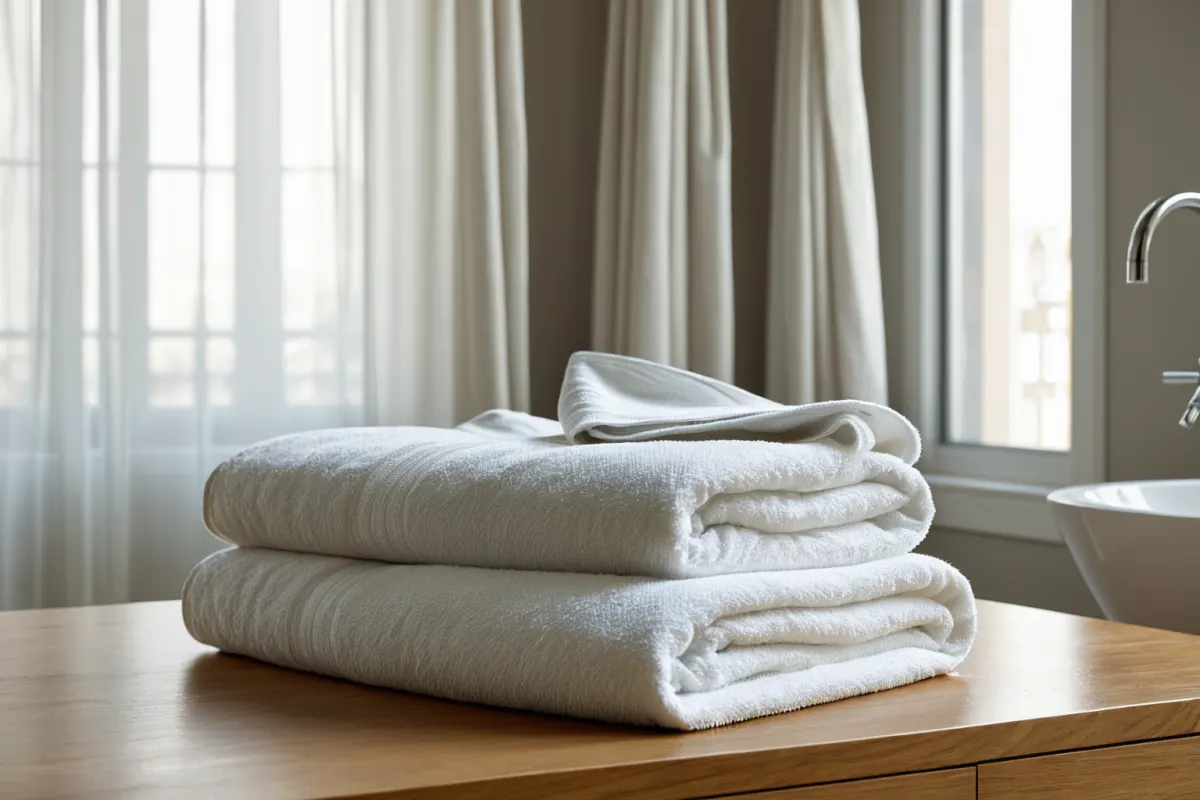
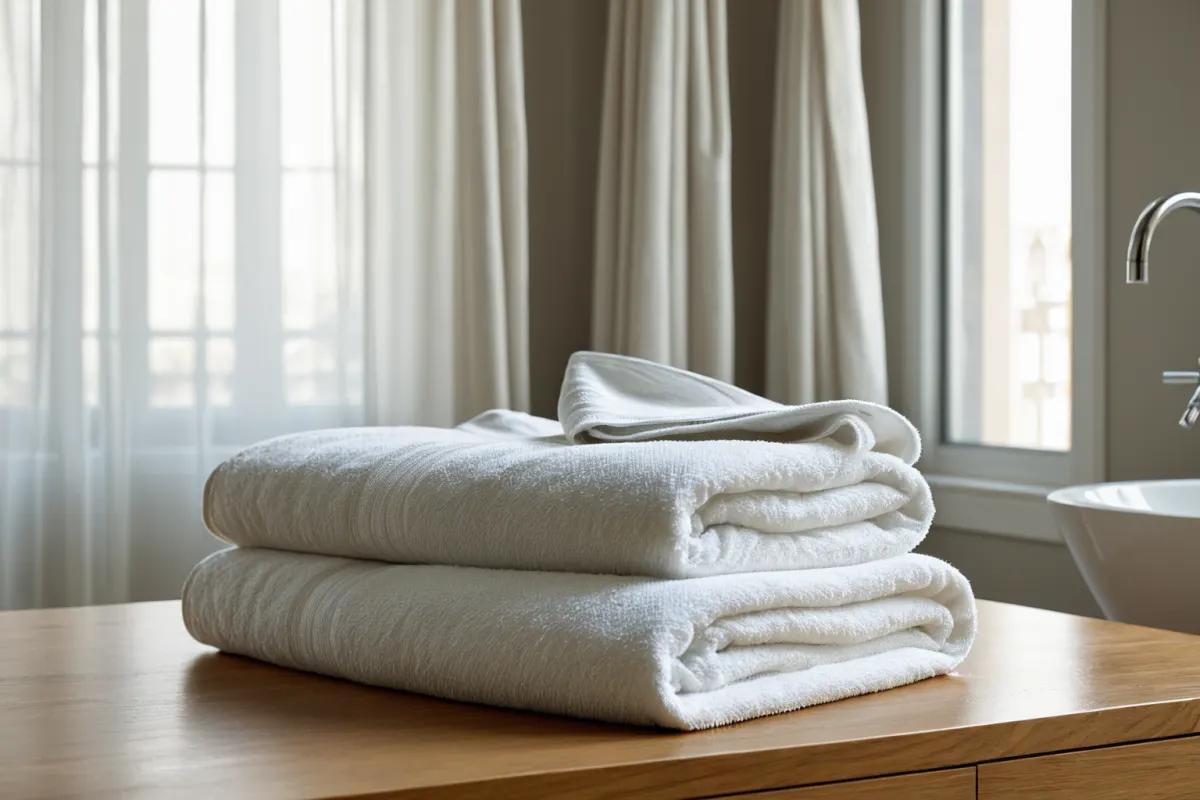
The softness of hotel towels begins at the manufacturing stage, not just from washing methods. Hotel towels use thicker cotton materials compared to regular household towels, often incorporating 'premium cotton' or 'twill weaving technology.' This creates a smooth texture and excellent absorbency due to longer, carefully woven fibers. Regular towels may use shorter fibers for cost efficiency, leading to roughness over time, while hotel towels are designed to maintain softness from the start.
Hotel towel materials aren't just plain cotton. Some luxury hotels use 'eco-cotton' or 'organic cotton,' offering a skin-friendly feel that aligns with growing consumer interest in health and sustainability. Additionally, hotel towels are about 20-30% thicker than regular ones but absorb moisture better, enhancing the user experience. The 'twill weaving technique' used in hotels crosses fibers to improve durability while maintaining softness.
2. Laundry Management: Hotels’ Automated Laundry Systems
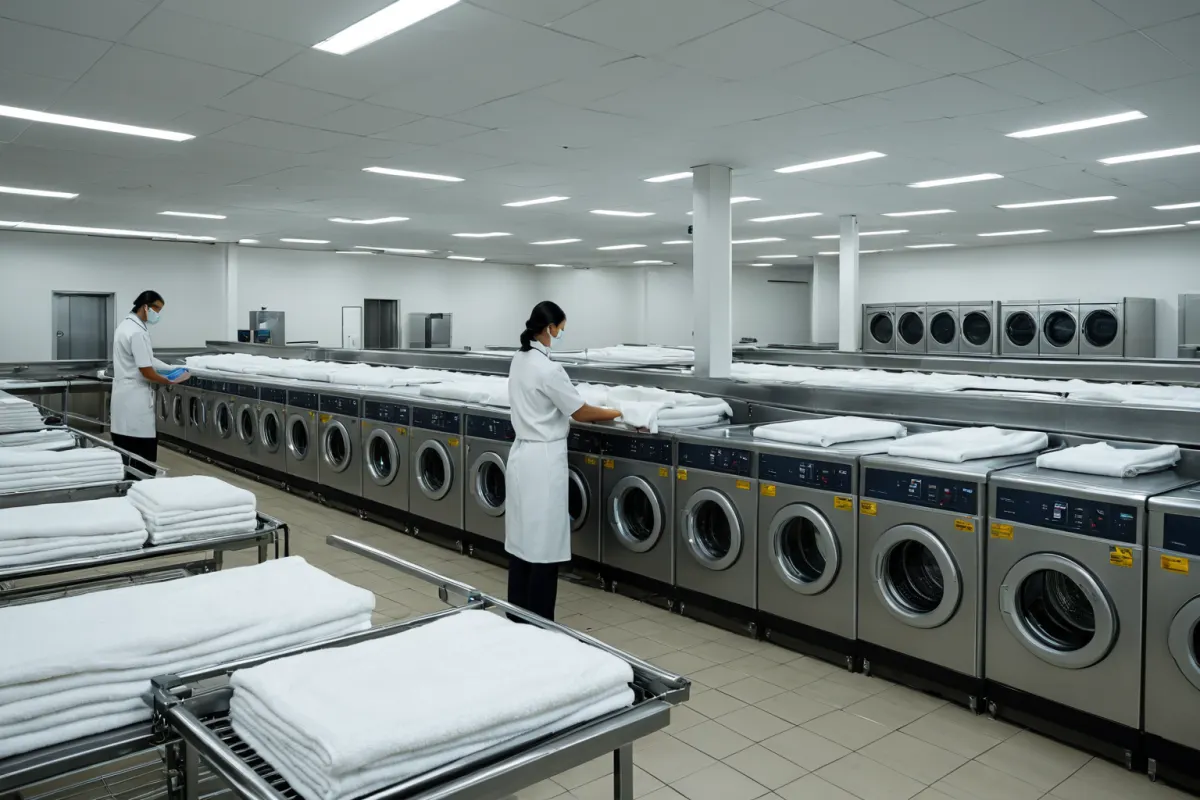
Hotels avoid fabric softeners when washing large quantities of towels because they can reduce absorbency and harden the fabric over time. Instead, hotels use automated laundry systems that precisely control wash temperature and duration to protect fiber structure. For instance, they wash at 60°C or below and maintain optimal humidity during drying to prevent stiffness. Hotels also regularly replace towels to avoid quality degradation from prolonged use.
Hotel laundry processes go beyond automation—they follow a strict management system. Towels are sorted by soiling level and material before washing to prevent fiber damage. After washing, quality checks ensure softness and absorbency; towels that don’t meet standards are immediately replaced. This commitment supports both guest satisfaction and brand image.
3. Differences from Household Towels: Issues with Old Towels
Household towels often become stiff after 1-2 years of use due to excessive fabric softener or improper drying. According to a Chosun Ilbo report, old towels can cause skin irritation, so manufacturers recommend replacing them every 1-2 years. During rainy seasons, towels are prone to mildew and odors from moisture retention, making proper washing essential.
Older towels aren't just stiff—they're also breeding grounds for bacteria and mold, which can trigger skin conditions, especially in sensitive individuals or children. Over time, their absorbency decreases, leaving water spots even after washing. This poses health and hygiene risks that require attention.
4. Rainy Season Towel Care: Preventing Mildew and Odors
Rainy seasons increase humidity, making towels prone to mildew and odors due to poor drying. Proper washing techniques can prevent this. First, always store towels fully dried. Second, use vinegar instead of fabric softeners during washing—it naturally disinfects while keeping towels soft. Third, dry towels away from direct sunlight in well-ventilated areas.
Another key tip for rainy season care is frequent towel replacement—ideally daily—to prevent moisture buildup. Store towels in well-ventilated drawers or closets, avoiding direct sunlight to inhibit mold and bacteria growth. Vinegar-based washing methods are particularly effective during humid weather and eco-friendly due to natural ingredients.
5. Misconceptions About Fabric Softeners: Hotels vs. Households
Hotels use fabric softeners appropriately to keep towels soft, but households often overuse them, making towels stiff. This is because fabric softeners reduce absorbency. While hotels measure precise amounts for bulk washing, household usage varies, causing issues. For home care, natural alternatives like vinegar or lime juice are more effective than fabric softeners.
Overuse of fabric softeners doesn’t just harden towels—it can also irritate skin, especially in sensitive individuals who may develop rashes or itching from residue. In contrast, natural options like vinegar and lime juice are gentle on the skin and provide disinfecting benefits, making them ideal for humid seasons.
Trends and Key Points
Q: Can I use hotel towels at home without losing their softness?
A: Yes, hotel towels are made with premium materials and special weaving techniques, so they can last long at home too. Just avoid overusing fabric softeners and ensure thorough drying in well-ventilated areas.
Q: Are old towels harmful to skin?
A: Yes, using towels for more than 1-2 years makes them stiff and prone to causing skin irritation. As reported by Chosun Ilbo, old towels harbor bacteria that can harm skin health.
Q: How should I care for towels during rainy seasons?
A: Store towels fully dried after washing, add vinegar to laundry for disinfection, and dry them in well-ventilated spots away from direct sunlight.
Explore more articles on similar topics.
View Related ArticlesFAQ
Can I use hotel towels at home without losing their softness?
Yes, hotel towels are made with premium materials and special weaving techniques, so they can last long at home too. Just avoid overusing fabric softeners and ensure thorough drying in well-ventilated areas.
Are old towels harmful to skin?
Yes, using towels for more than 1-2 years makes them stiff and prone to causing skin irritation. As reported by Chosun Ilbo, old towels harbor bacteria that can harm skin health.
How should I care for towels during rainy seasons?
Store towels fully dried after washing, add vinegar to laundry for disinfection, and dry them in well-ventilated spots away from direct sunlight.
Korean Source
This article is an English localization of a Korean-language report from BlogScore. Original: 호텔 수건은 왜 일반 수건보다 더 부드러울까? 5가지 이유