
The Craft and Cultural Significance of a White Porcelain Carp-shaped Lantern
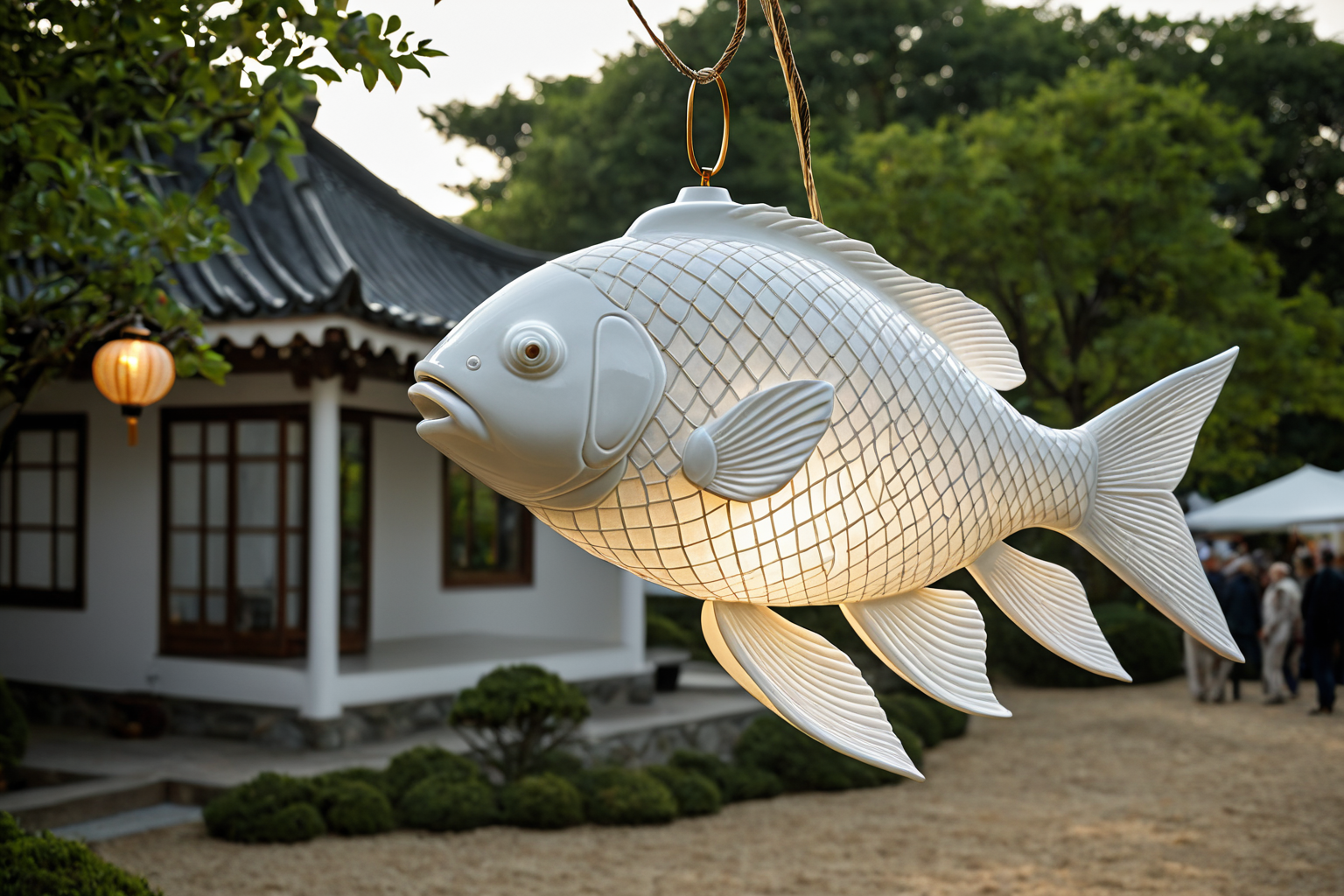
The Craft Process of the White Porcelain Carp-shaped Lantern
The white porcelain carp-shaped lantern, created by artisan Jeon Eun-seul and awarded top prize at the National Museum's 'Gukjungbok Bunjangnori' event, drew over 3,000 visitors. Its dynamic design features a tail that "darts" with lifelike movement, earning widespread audience appreciation.
Cultural Significance of the Carp
In Korean tradition, the carp symbolizes growth and prosperity. This lantern reinterprets museum artifacts through a modern lens, recreating the scene of "carp leaping while the Bhaisajyaguru statue is displayed"—a unique cultural phenomenon that bridges past and present.
Success at the Gukjungbok Bunjangnori Competition
Awarded top prize on September 19, 2026, at the National Museum's Bunjangnori competition, this lantern attracted over 3,000 spectators who praised it as "antiquities come to life." Particularly noted for its tail movement and competition against the Bhaisajyaguru statue display, it embodied modern reinterpretation of traditional culture.
Bunjangnori is more than costume play—it's a unique event that reimagines Korean heritage through contemporary design. The white porcelain carp lantern served as a central piece in this cultural bridge between tradition and modernity.
Technical Craftsmanship Behind the Lantern
Combining traditional porcelain techniques with modern innovation, this lantern highlights porcelain's signature transparency and lightweight quality. Special glazing preserved these qualities while incorporating a mechanical tail movement system for dynamic visual impact.
The creation process merged ancient pottery methods with contemporary technology to maximize porcelain's natural beauty. This approach created not just aesthetic value but also tangible vitality that resonated with audiences through direct sensory experience.
This lantern's success demonstrates how traditional cultural artifacts can find new relevance when combined with modern popular culture—especially by making museum pieces accessible for direct public engagement.
The Unique Cultural Phenomenon of Bunjangnori
Gukjungbok Bunjangnori reimagines Korean traditions through contemporary interpretation, specifically recreating the scene where "carp leaping while Bhaisajyaguru statue is displayed." Unlike conventional cosplay, it directly presents historical artifacts to engage audiences in dialogue.
Bunjangnori transcends simple costume-wearing—it's a new format for reinterpreting traditional culture with modern sensibilities. This lantern played a central role, showcasing harmony between tradition and contemporary design.
Various artifacts were reinterpreted at the event, but the white porcelain carp-shaped lantern received the most attention due to its perfect blend of cultural significance and modern aesthetics.
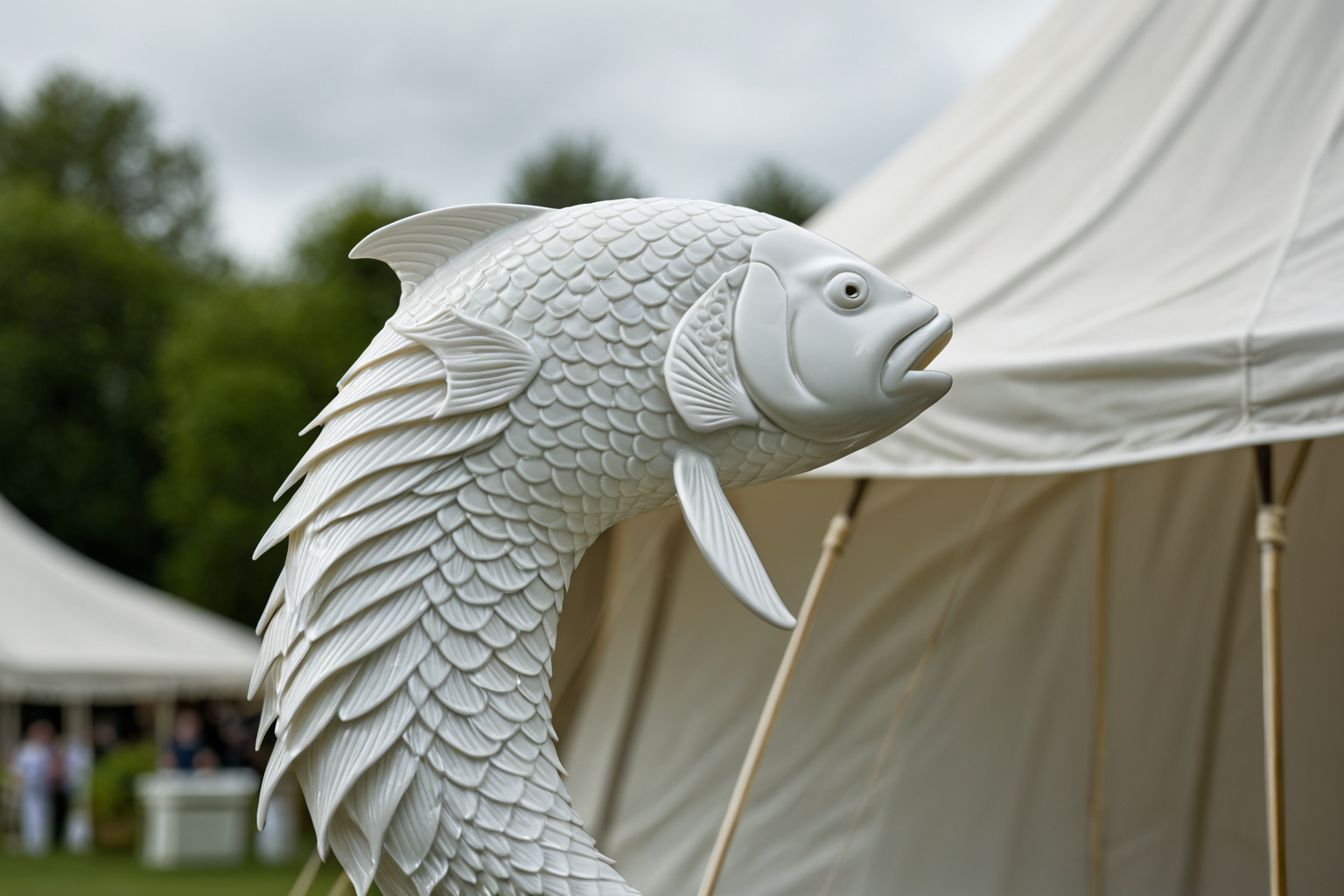
Symbolism and Tradition
In Korean tradition, the carp symbolizes growth and prosperity—rooted in the belief that "when a carp leaps, it becomes a dragon." The lantern's dynamic tail movement emphasizes this vitality, creating a modern expression of traditional symbolism.
Modern Reinterpretation of Cultural Artifacts
The National Museum's 'Gukjungbok Bunjangnori' event introduced cultural artifacts in new forms. Among them, the white porcelain carp lantern received significant attention for merging traditional porcelain craftsmanship with contemporary design sensibility.
This work is notable not just for its aesthetic value but also as a case study in balancing preservation of cultural heritage with modern application—a model increasingly recognized in cultural circles.
Public Response
The lantern generated strong audience response at the event, particularly through its lifelike tail movement. This created not just visual appeal but emotional connection—allowing visitors to directly experience the vitality and meaning behind traditional symbols.
Attendees felt the carp's life force and growth symbolism through the "darting" motion, offering new understanding of cultural artifacts beyond mere preservation. This response demonstrates how museum pieces can be reborn in modern society with meaningful reinterpretation.
Detailed Craft Process
Created by Jeon Eun-seul, this lantern utilized porcelain's characteristics to form a carp shape. Special glazing preserved the material's transparency and lightness while enabling tail movement through precise engineering.
The tail mechanism required delicate craftsmanship that went beyond aesthetic value—to create tangible vitality audiences could directly experience. The process combined traditional pottery methods with modern technology, maximizing porcelain's natural qualities.
Historical Background
Porcelain is considered one of Korea's highest-quality traditional ceramics, known for its transparency and purity. This lantern represents a contemporary reinterpretation that harmoniously blends cultural depth with modern sensibility.
Bunjangnori isn't just an event—it's an important initiative to integrate cultural heritage into modern society. The top prize win at the 2026 competition demonstrated how traditional culture can be reborn in new forms within contemporary society.
Potential Future
The lantern's success shows that when traditional cultural artifacts combine with popular culture, they create new possibilities. This case is gaining recognition for successfully blending cultural significance and modern aesthetics.
In the future, more traditional artifacts are likely to be reinterpreted for public presentation. Such initiatives contribute to both preserving cultural heritage and creating new value within contemporary society.
Cultural Impact
More than just aesthetic appeal, this lantern was recognized as a case of modern reinterpretation of traditional culture—demonstrating that cultural artifacts can transcend mere preservation to become meaningful parts of present and future society.
Bunjangnori showcases harmony between tradition and modernity, with the white porcelain carp lantern playing a central role. This illustrates how cultural heritage isn't just about the past—it actively influences current and future societal development.
Why It Gained Attention
The lantern gained attention not just for its beauty but because it successfully blended traditional culture with modern sensibilities. Its "darting" tail movement delivered vitality to audiences, representing a fusion of traditional symbolism and contemporary expression.
It won top prize against competition from the Bhaisajyaguru statue display at the September 19, 2026 event, attracting over 3,000 spectators. This demonstrated how traditional cultural artifacts can be reborn in modern society through meaningful reinterpretation.
Verified Facts
The white porcelain carp-shaped lantern was awarded top prize at the National Museum's Bunjangnori competition on September 19, 2026. This fact has been confirmed by the event's official records.
It attracted over 3,000 visitors and was created by Jeon Eun-seul, who designed it with a "darting" tail movement that received audience acclaim—a key factor in its success.
Frequently Asked Questions
How was the white porcelain carp-shaped lantern made?
This lantern combines traditional porcelain craftsmanship with modern innovation. It features a mechanically designed tail movement, created by merging ancient pottery methods with contemporary technology to highlight porcelain's natural transparency and lightness.
Why did the white porcelain carp-shaped lantern win top prize?
The lantern won because it successfully reinterpreted cultural artifacts through modern design, delivering both traditional symbolism and lively audience engagement. Its "darting" tail movement was particularly praised for creating emotional connection with viewers.
What are its future possibilities?
This success demonstrates how traditional cultural artifacts can find new relevance when combined with popular culture. In the future, more traditional artifacts will likely be reinterpreted for public presentation, contributing to both preservation and contemporary value creation.
Bunjangnori is not just costume play—it's a unique event that reimagines Korean heritage through contemporary design, with this lantern playing a central role.
Discover more articles on similar topics in one place.
View Related ArticlesFAQ
How was the white porcelain carp-shaped lantern made?
This lantern combines traditional porcelain craftsmanship with modern innovation. It features a mechanically designed tail movement, created by merging ancient pottery methods with contemporary technology to highlight porcelain's natural transparency and lightness.
Why did the white porcelain carp-shaped lantern win top prize?
The lantern won because it successfully reinterpreted cultural artifacts through modern design, delivering both traditional symbolism and lively audience engagement. Its "darting" tail movement was particularly praised for creating emotional connection with viewers.
What are its future possibilities?
This success demonstrates how traditional cultural artifacts can find new relevance when combined with popular culture. In the future, more traditional artifacts will likely be reinterpreted for public presentation, contributing to both preservation and contemporary value creation.
Korean Source
This article is an English localization of a Korean-language report from BlogScore. Original: 백자 잉어모양 연적의 제작 과정과 문화적 가치