
White House Access Ban Lawsuit: Court Ruling and Expected Outcomes
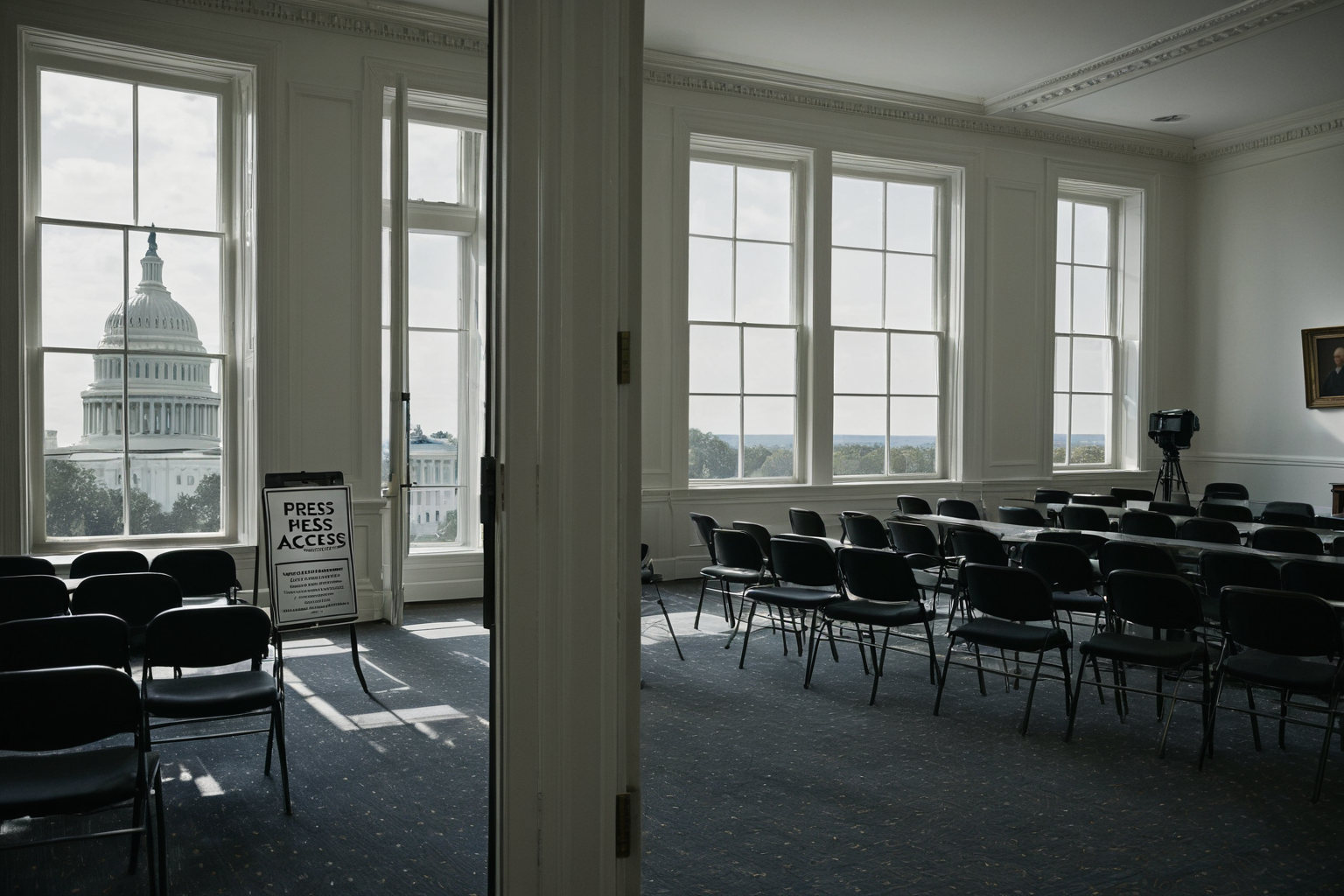
White House Access Ban and Media Lawsuit
The Trump administration banned major U.S. media outlets CNN, MS NOW, and Politico from White House access, prompting these news organizations to threaten a lawsuit alleging a violation of the First Amendment. This has sparked serious debate over press freedom and government power.
The ban was announced by President Trump on September 18, 2026, targeting CNN, MS NOW, and Politico. The media outlets argue the measure violates constitutional rights and are preparing legal action.
Background and Key Points of the Lawsuit
The Trump administration claimed the ban was necessary to prevent 'fake news,' but the press views it as an infringement on constitutional reporting rights, with CNN and the other outlets formally deciding to file a lawsuit on September 21, 2026.
The lawsuit alleges the White House access ban was implemented without constitutional basis, infringing on journalists' rights. Some analysts suggest this case could redefine the boundary between press freedom and government control.
Trump's Response and Media Reaction
President Trump criticized the media outlets' lawsuit as 'fake news,' calling them 'third-rate clowns.' He framed the ban as part of his fight against 'fake news' and has begun operating an internal White House channel called 'Trump TV.'
While Ambassador Walters stated the president has the authority to restrict press access, some experts believe the Trump administration may win the lawsuit. Several media outlets have declared reporting boycotts in response.

Timeline of Events Related to Access Ban
On September 18, 2026, President Trump announced a ban on White House access for major media outlets like CNN, citing the need to prevent 'fake news.'
On September 21, CNN, MS NOW, and Politico officially decided to file a lawsuit alleging First Amendment violations, arguing that press freedom is constitutionally protected.
On September 22, Democrats demanded legal justification for the ban, expanding debate over executive authority. The same day, Trump criticized the lawsuits as 'fake news' and called the media 'third-rate clowns.'
Lawsuit's Legal Basis and Controversy
The First Amendment guarantees press freedom, stating the government cannot infringe on journalists' rights. Media outlets argue the access ban lacks constitutional grounds.
Experts initially predicted the Trump administration might win the lawsuit, though outcomes could vary based on legal arguments. Ambassador Walters emphasized presidential authority, while some legal experts suggested the government's actions could be lawful.
Media and Political Reactions
The U.S. media industry is working to block government press control through this lawsuit, with CNN, MS NOW, and Politico declaring reporting boycotts in protest.
Democrats argue the access ban violates the Constitution and demand legal justification, while Republicans support the move, emphasizing the need to combat 'fake news' by media.
Internal White House Changes and Trump TV
In conjunction with the access ban, President Trump launched an internal channel called 'Trump TV' to directly control government messaging. This reflects a broader effort to manage information flow without traditional press channels.
Relations between the White House and media have deteriorated rapidly, potentially signaling new shifts in U.S. political culture. Trump's characterization of the press as 'third-rate clowns' highlights his intent to redefine boundaries between press freedom and government control.
Lawsuit Progress and Expected Outcomes
The lawsuit has not yet been filed with a court but is being prepared by media outlets. Experts initially believed the Trump administration might win, which could signal expanded executive authority.
However, ongoing debate over press freedom and constitutional rights may deepen political and social divisions in the U.S. The outcome will likely reshape relations between government and media, as well as impact future democratic practices.
Key Information to Verify
The Trump administration announced the White House access ban for CNN and other outlets on September 18, 2026, with lawsuits filed on September 21. This case, alleging First Amendment violations, could redefine the balance between press freedom and government control in the U.S.
President Trump justified the ban as preventing 'fake news,' but critics argue it infringes constitutional rights. Ambassador Walters emphasized presidential authority, while Democrats demand legal justification for the policy.
Frequently Asked Questions
Why was the White House access ban implemented?
President Trump stated the ban was to prevent 'fake news' by restricting access for outlets like CNN.
Why are media outlets filing a lawsuit?
The media argue the ban violates the First Amendment, infringing on constitutionally protected press rights.
What is the purpose of 'Trump TV'?
'Trump TV' is an internal White House channel for direct government messaging, intended to strengthen control over information flow.
Frequently Asked Questions
The White House access ban and subsequent lawsuit by major media outlets pose a serious threat to trust between press freedom and government power in the U.S. This legal battle will determine whether constitutional rights are upheld or government control expands, potentially reshaping American political culture.
As this case continues to unfold, it will remain a focal point for discussions on press freedom versus government authority. The outcome could have significant implications for media-government relations and the future of democracy in America.
You can view more articles on similar topics here.
View Related ArticlesFAQ
Why was the White House access ban implemented?
President Trump stated the ban was to prevent 'fake news' by restricting access for outlets like CNN.
Why are media outlets filing a lawsuit?
The media argue the ban violates the First Amendment, infringing on constitutionally protected press rights.
What is the purpose of 'Trump TV'?
'Trump TV' is an internal White House channel for direct government messaging, intended to strengthen control over information flow.
Korean Source
This article is an English localization of a Korean-language report from BlogScore. Original: 백악관 출입금지 소송 관련, 법원 판결과 예상 결과