
Where to Expect Traffic Jams During South Korea's Summer Vacation Traffic Plan
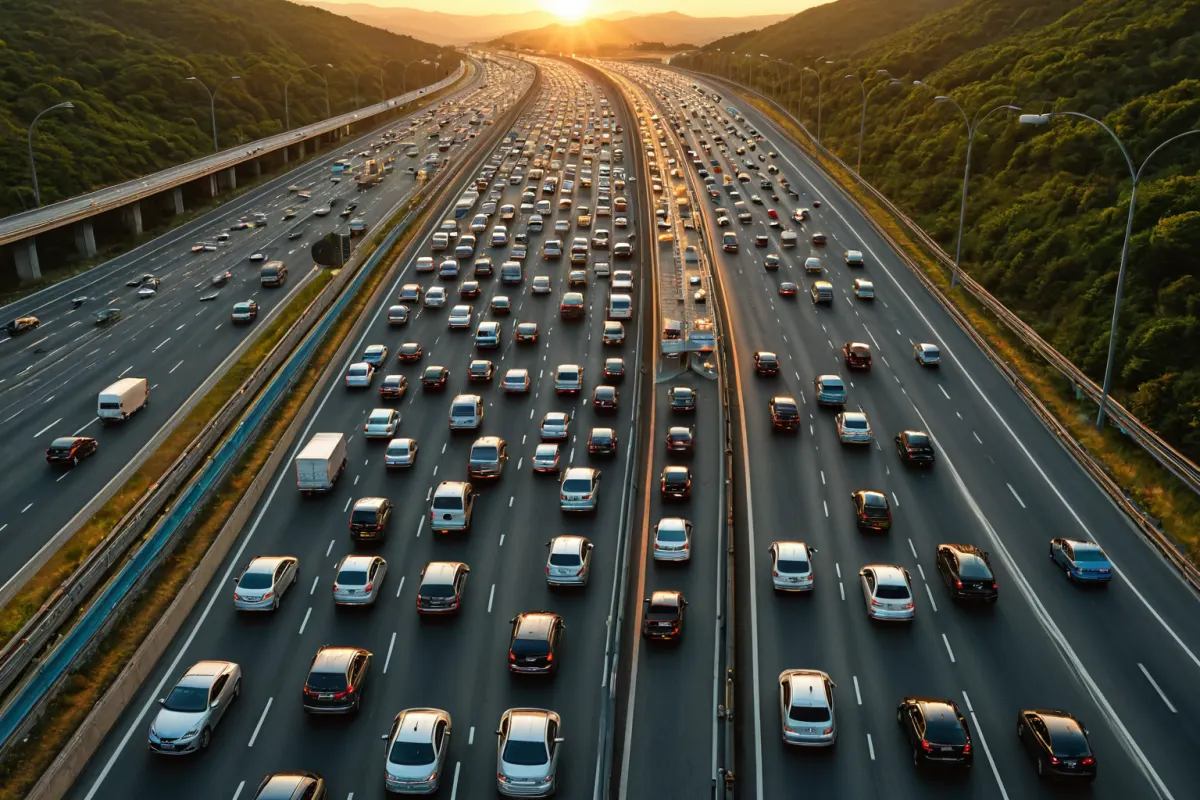
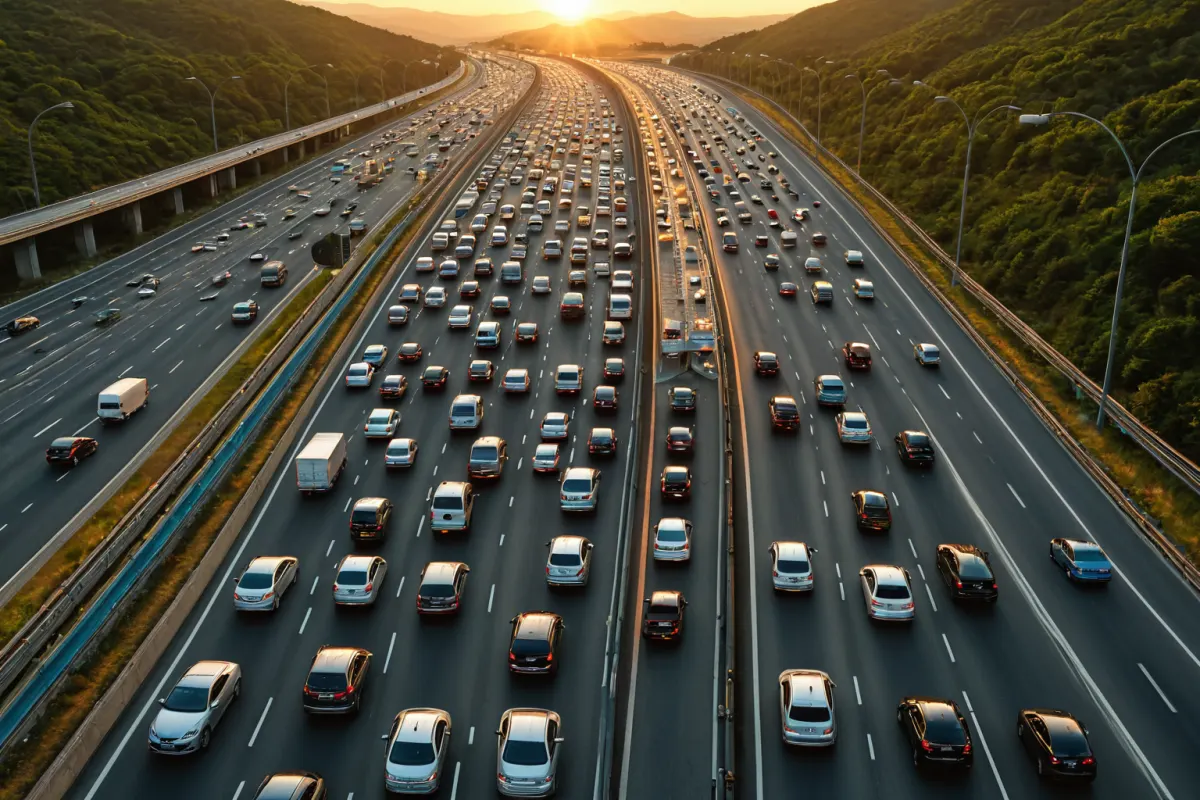
During the summer vacation special traffic plan period, the most congested areas are typically entrance ramps heading toward Seoul and main lanes near tourist destinations. Especially on Friday afternoons, Saturday mornings, and Sunday late afternoons, congestion tends to worsen on routes like Yeongdong Expressway, Gyeongbu Expressway, West Sea Expressway, and Central Inland Expressway, where many travelers head out for weekends.
However, the exact locations of traffic jams vary each year depending on factors such as when vacation starts, weather conditions, accidents, and alternative route usage. Therefore, it's more practical to understand which directions get congested at which times rather than trying to predict specific jammed areas in advance.
Key Congestion Areas During Summer Vacation Traffic Plan
The most commonly affected routes are major expressways leading out of the Seoul metropolitan area and connecting to popular vacation spots. On departure days, travel toward Gangwon Province, Chungcheong region, and West Coast destinations becomes slower, while on return trips, traffic heading into Seoul often gets backed up for long stretches.
For example, when many people head to Gangneung, the Gangneung-bound lanes of Yeongdong Expressway get congested. During holidays where travel is concentrated toward Busan or Daegu, the southbound lanes on Gyeongbu Expressway become heavily crowded. Similarly, when more vehicles move toward coastal areas, West Sea Expressway also experiences frequent slowdowns.
Access roads to tourist sites are equally important. Even if the main expressway flows smoothly, speed often drops significantly at exit ramps, near rest areas, and at intersections connecting to local highways.
You can find more articles on similar topics here.
View Related ArticlesPeak Times for Traffic Congestion
The congestion pattern during the summer vacation traffic plan period is quite predictable. On Friday evenings, commuting vehicles and departure traffic overlap, causing delays as people exit urban areas. Saturday mornings see a surge in travel demand.
On Sunday afternoons, return traffic concentrates on northbound lanes, leading to severe congestion. At this time, it's not just one section of the expressway that gets blocked—traffic slows down across surrounding roads as drivers attempt to detour around the bottleneck.
For example, a route that takes about an hour in the morning might take 20–30 minutes longer by midday. Even on the same route, small differences in departure time can significantly affect travel experience.

Why Certain Expressways Get Congested Frequently
The reason for recurring traffic jams is simple: during summer vacations, travelers head to similar destinations and depart around the same times, causing vehicles to concentrate in one direction. Moreover, road capacity remains limited, making it difficult to handle sudden spikes in demand.
For instance, Yeongdong Expressway often sees heavy congestion due to concentrated travel to Gangwon Province tourist spots, while Gyeongbu Expressway experiences high congestion because of nationwide long-distance travel overlaps. West Sea Expressway is frequently affected on weekends due to increased traffic toward coastal and West Coast destinations.
Even a single accident can dramatically change the situation. During summer vacations, drivers tend to drive closer together with less space between vehicles, increasing drowsy driving risks, which means even minor collisions can quickly lead to prolonged congestion.
Commonly Congested Sections
The sections most affected are generally as follows: when heading toward Gangwon Province, expect slowdowns near certain exits on Yeongdong Expressway, the eastern part of Gyeonggi Province, and popular rest areas. For Chungcheong region travel, junction points between Central Inland Expressway and Gyeongbu Expressway often become bottlenecks.
For West Coast destinations, exit ramps toward Ansan, Hwaseong, Seosan, and Dangjin are frequently mentioned as problematic areas. Long-distance trips heading to South Sea or East Sea regions tend to face congestion on southbound Gyeongbu Expressway and connecting routes. As you get closer to tourist spots, be aware of potential bottlenecks on national and local roads.
For example, a family trip from Seoul to Sokcho might not mean the entire Yeongdong Expressway is blocked, but certain sections like before and after Deokpyeong Rest Area, high-traffic exits, and parts of the Gangneung-bound lanes could be particularly slow depending on departure time.
Pre-Trip Tips to Avoid Traffic Jams
Spending just 10 minutes checking before departure can make a big difference. First, don't focus on only one route—compare at least two options. Second, instead of asking "When will I arrive?" prioritize finding the time when traffic is least congested.
If traveling with family, plan where to take breaks in advance. With children, it's better to pre-select rest stops rather than searching for them during congestion, which reduces stress.
Also, don't blindly follow your navigation app's shortest route suggestion without checking for accidents or construction first. During summer vacations, the fastest route may not be the most reliable; often, a more stable and less congested path is actually quicker.
Selecting Detour Routes
Detours aren't always better just because they're shorter. Taking alternative routes via national highways might lead to more traffic lights or longer stretches through towns, which can end up taking more time than staying on the expressway. Therefore, detour decisions should be based on "congestion density" rather than distance alone.
For instance, if the main route is delayed by about 30 minutes, a detour that adds only 15 minutes might be worth it. Conversely, if the main road is flowing smoothly, there's no need to detour. The best approach is to compare current speed differences rather than just arrival time.
Beginner drivers should avoid aggressively changing lanes to escape congestion; instead, stick with a single detour route calmly for safety. Summer vacation traffic often turns aggressive passing into major delays.
Best Practices to Reduce Congestion
The most effective strategy is to depart earlier than usual. Avoid leaving right after work on Friday—instead, aim for early morning or dawn on Saturday. For return trips, traveling on Sunday mornings rather than evenings often results in a smoother journey.
Inside the car, dividing responsibilities between driver and passenger can help. Having someone else track rest areas, accidents, and detour options reduces stress for the driver. This small adjustment can make a significant difference during long drives.
Checking fuel levels and tire pressure before departure is also advisable. Summer traffic jams aren't just about time—they involve repeated stopping and starting, which increases vehicle strain.
Frequently Asked Questions About Summer Vacation Traffic Plan
Q1. Which direction experiences the most congestion during summer vacation?
Typically, on weekend departure times, southbound lanes leading out of Seoul become congested; on return trips, northbound lanes heading into Seoul are most affected.
Q2. Can avoiding a specific highway help avoid traffic jams?
No. Even if the main expressway is flowing well, delays can occur at exits and connecting local roads near tourist destinations, so you should monitor your entire route.
Q3. What should I check before departure for the best travel experience?
The most practical approach is to confirm expected travel time, accident reports, construction zones, and rest area congestion levels ahead of time.
Summer vacation traffic patterns generally repeat year after year, but actual congestion points can vary based on weather, accidents, and how evenly people depart. Checking traffic updates the day before or early morning of your trip will help you travel with less stress.
Explore more articles with similar topics here.
View Category ArticlesFAQ
Which direction experiences the most congestion during summer vacation?
Typically, on weekend departure times, southbound lanes leading out of Seoul become congested; on return trips, northbound lanes heading into Seoul are most affected.
Can avoiding a specific highway help avoid traffic jams?
No. Even if the main expressway is flowing well, delays can occur at exits and connecting local roads near tourist destinations, so you should monitor your entire route.
What should I check before departure for the best travel experience?
The most practical approach is to confirm expected travel time, accident reports, construction zones, and rest area congestion levels ahead of time.
Korean Source
This article is an English localization of a Korean-language report from BlogScore. Original: 휴가철 특별교통대책 기간 고속도로 정체 구간은 어디?